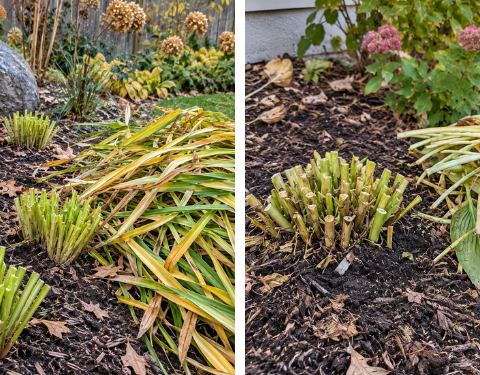
As the colder months approach, it’s essential to prepare your garden for winter to ensure that your plants, soil, and outdoor space remain healthy and ready for spring.
Completing a few key tasks before the first frost can protect your plants, improve soil quality, and reduce maintenance when warmer weather returns.
Whether you have a flower garden, vegetable patch, or a backyard oasis, these five essential gardening tasks will help you winterize your garden effectively.
1. Clean Up Garden Beds and Remove Dead Plants
One of the most important tasks before winter is cleaning up your garden beds to prevent pests and diseases from overwintering in plant debris.
Decaying plants can harbor fungi, bacteria, and insects that may cause problems in the next growing season.
Steps to Clean Up Your Garden Beds:
- Remove dead annuals and spent plants from flower beds and vegetable gardens.
- Cut back perennials to about 2-3 inches above the ground unless they provide winter interest or food for birds.
- Pull out weeds to prevent them from spreading seeds in the spring.
- Compost healthy plant material but discard any diseased plants to prevent contamination.
- Rake up fallen leaves and debris to discourage pests like slugs and rodents.
Pro Tip: Leave some plant stalks and seed heads for birds and beneficial insects that rely on them for food and shelter during winter.
2. Protect Your Soil with Mulch
Mulching before winter helps protect soil, retain moisture, and insulate plant roots from extreme cold.
A layer of mulch acts as a blanket, preventing soil erosion and keeping the ground temperature stable.
How to Apply Mulch for Winter Protection:
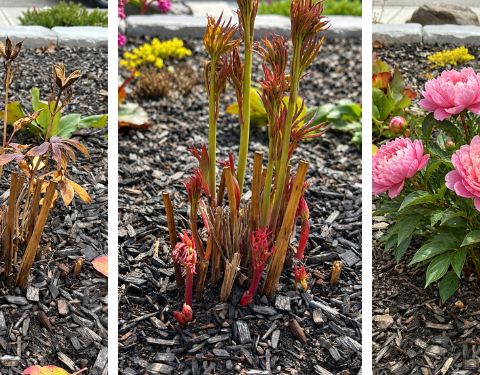
- Choose organic mulch such as shredded leaves, straw, wood chips, or compost.
- Apply a 2-4 inch layer around the base of perennials, shrubs, and trees.
- Mulch vegetable beds to protect soil microbes and add nutrients for the next season.
- Keep mulch a few inches away from tree trunks and plant stems to prevent rot.
Pro Tip: Consider using cover crops (like clover or winter rye) for vegetable gardens to improve soil fertility while protecting it from erosion.
3. Winterize Outdoor Plants and Shrubs
Cold temperatures, frost, and winter winds can damage delicate plants and shrubs if they’re not properly protected.
Some plants need extra insulation to survive the winter months.
How to Winterize Your Plants:
- Wrap young trees and delicate shrubs with burlap or frost cloth to shield them from wind and ice.
- Water deeply before the ground freezes to ensure plants go into winter well-hydrated.
- Move potted plants indoors or into a sheltered area to prevent root freeze.
- Apply extra mulch around sensitive perennials to keep roots insulated.
- Use cold frames or row covers to extend the growing season for certain vegetables.
Pro Tip: Group potted plants together for added protection and place them near a south-facing wall to benefit from residual heat.
4. Prepare and Store Garden Tools & Equipment
Properly storing and maintaining your gardening tools and outdoor equipment will help them last longer and be ready for use in the spring.
How to Care for Your Garden Tools Before Winter:
- Clean and sharpen pruners, shears, and shovels to prevent rust.
- Drain and store garden hoses to avoid freezing and cracking.
- Turn off outdoor water sources and empty irrigation systems.
- Store lawn mowers, trimmers, and power tools in a dry place.
- Apply oil to metal tools to prevent corrosion during storage.
Pro Tip: Organize your tools in a shed or garage so they’re easy to find when gardening season starts again.
5. Plan for Next Year’s Garden
Winter is the perfect time to reflect on your garden’s successes and challenges from the past season and start planning for the next growing year.
Early preparation helps ensure you have a well-thought-out garden when spring arrives.
How to Plan for the Next Gardening Season:
- Take notes on what grew well and what didn’t thrive in your garden.
- Sketch a layout for next year’s planting areas.
- Order seeds early to get the best selection for spring planting.
- Start an indoor compost bin to create nutrient-rich soil for the upcoming season.
- Consider adding new features like raised beds, trellises, or pollinator-friendly plants.
Pro Tip: Use a gardening journal or app to keep track of what works best in your yard year after year.
Taking the time to prepare your garden for winter will protect your plants, improve soil health, and reduce work in the spring.
By completing these five essential gardening tasks, you’ll set yourself up for a beautiful, productive garden in the coming year.