When it comes to gardening, success isn’t just about what you grow—it’s about how you grow it.
One of the most effective ways to increase your garden’s yield, improve pest control, and boost overall plant health is through companion planting.
Companion planting is the practice of growing certain plants together that benefit one another, whether by attracting pollinators, deterring pests, enhancing flavor, or providing structural support.
It’s a time-tested method used by gardeners for centuries and remains just as relevant today.
In this article, we’ll explore 20 powerful plant pairings you should grow side-by-side to create a thriving, low-maintenance garden naturally.
Benefits of Companion Planting
Before we dive into the plant pairings, here’s why companion planting is worth considering:
-
Natural Pest Control: Certain plants repel pests from their neighbors.
-
Pollination Boost: Flowers attract bees and beneficial insects to nearby vegetables.
-
Soil Health: Some plants improve soil conditions for their companions.
-
Space Efficiency: Maximize garden space by growing vertically or combining fast and slow growers.
-
Improved Growth and Flavor: Strategic planting can enhance taste and vigor.
Let’s get into the top 20 companion plant combos for a productive and harmonious garden.
1. Tomatoes and Basil
Why it works: Basil repels tomato hornworms, aphids, and whiteflies. It may also enhance the flavor and growth of nearby tomatoes.
Bonus: Both love full sun and similar watering needs.
2. Carrots and Onions
Why it works: Onions help deter carrot flies, while carrots confuse onion flies. A great pest-reducing duo.
Tip: Space appropriately so neither bulb is overcrowded.
3. Corn and Beans
Why it works: Corn provides natural support for climbing bean vines, while beans fix nitrogen in the soil, feeding corn.
Add squash for the “Three Sisters” combo—an ancient Native American planting method.
4. Cucumbers and Nasturtiums
Why it works: Nasturtiums act as a trap crop for aphids and beetles, drawing them away from cucumbers.
Bonus: Nasturtiums attract pollinators and have edible flowers!
5. Lettuce and Radishes
Why it works: Radishes mature quickly and help break up the soil, allowing lettuce to thrive.
Tip: Plant radishes between rows of lettuce to use space efficiently.
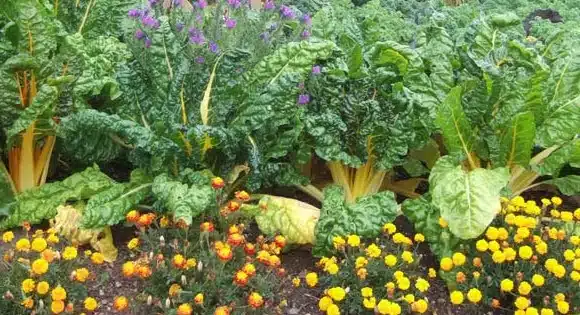
6. Peppers and Marigolds
Why it works: Marigolds deter nematodes, aphids, and beetles from peppers. Their scent confuses many garden pests.
Bonus: Adds a splash of color to your vegetable patch.
7. Beets and Garlic
Why it works: Garlic repels fungal infections and pests, protecting beets from disease.
Tip: Ensure proper spacing—beets need room for root development.
8. Spinach and Strawberries
Why it works: Spinach provides low-growing ground cover that keeps soil moist for strawberries. They don’t compete heavily for nutrients.
Plus: Both prefer cooler temperatures and partial shade.
9. Broccoli and Celery
Why it works: Celery’s strong scent repels cabbage moths, which can damage broccoli.
Tip: Keep the soil evenly moist, as both plants dislike drying out.
10. Cabbage and Dill
Why it works: Dill attracts beneficial wasps and predatory insects that feed on cabbage worms and loopers.
Bonus: Dill enhances cabbage flavor and helps deter aphids.
11. Potatoes and Horseradish
Why it works: Horseradish deters many common potato pests, including the Colorado potato beetle.
Caution: Horseradish is invasive—plant it at the edge of your potato bed.
12. Zucchini and Borage
Why it works: Borage repels squash bugs and cucumber beetles while attracting bees for better pollination.
Tip: Borage also improves soil by accumulating trace minerals.
13. Tomatoes and Carrots
Why it works: Carrots grow beneath the soil, leaving room for tomatoes’ above-ground needs.
Watch out: Tomato roots can slow carrot growth—don’t overcrowd.
14. Kale and Thyme
Why it works: Thyme deters cabbage moths and helps protect kale from infestations.
Bonus: Thyme also acts as a living mulch, reducing weeds and evaporation.
15. Beans and Savory
Why it works: Summer savory repels bean beetles and may improve bean growth and flavor.
Tip: Use as a border plant around bush or pole beans.
16. Eggplant and Catnip
Why it works: Catnip repels flea beetles, a common pest for eggplants.
Caution: Catnip can be invasive—keep it pruned or contained in pots.
17. Asparagus and Parsley
Why it works: Parsley attracts beneficial insects like parasitic wasps and improves the health of asparagus spears.
Bonus: Interplanting also helps shade weeds between asparagus rows.
18. Cilantro and Spinach
Why it works: Cilantro deters spider mites and aphids, keeping delicate spinach leaves protected.
Tip: Both prefer cool temperatures and light shade, making them excellent spring and fall companions.
19. Roses and Garlic
Why it works: Garlic deters aphids and fungal diseases from roses. It’s a great organic alternative to pesticides.
Bonus: You’ll get both beauty and bulbs in one space!
20. Sunflowers and Cucumbers
Why it works: Sunflowers provide natural vertical support for cucumbers to climb. Their height also offers partial shade.
Tip: Plant the sunflowers first, then sow cucumbers at their base once they’ve grown a few feet tall.
Bonus Companion Planting Tips
-
Avoid Poor Pairings: Not all plants play nicely. For example, onions and beans stunt each other’s growth. Research before pairing.
-
Rotate Crops: Even good companions need rotation to prevent soil depletion and disease buildup.
-
Watch Root Competition: Pair deep-rooted plants with shallow-rooted ones to avoid competition.
Companion planting is an incredibly effective strategy for natural pest control, healthier plants, and higher yields—and it can also save you money and reduce chemical use in your garden.
Whether you’re planning a vegetable patch, flower border, or raised beds, consider these 20 plant partnerships to make your garden more productive and beautiful.
By understanding how plants support and protect each other, you’ll not only grow healthier crops but also create a more sustainable, balanced garden ecosystem.
Start experimenting with companion planting this season—and watch your garden flourish like never before.