If you’re looking to make your gardening routine more effective, fun, and resourceful, you’re in the right place.
These 20 clever and easy gardening hacks are not only simple to implement, but they also make use of everyday household items in creative ways.
Whether you’re a beginner or a seasoned green thumb, these tricks will help you save time, money, and energy.
1. Grow Rose Cuttings in Potatoes
Rooting rose cuttings can be tricky, but inserting the cutting into a fresh potato before planting in soil can help retain moisture and encourage root development.
The potato keeps the stem stable and hydrated, creating a perfect environment for rooting. Just make sure to drill a small hole into the potato first to avoid damaging the stem.

2. Use Wine Bottles for Slow-Drip Irrigation
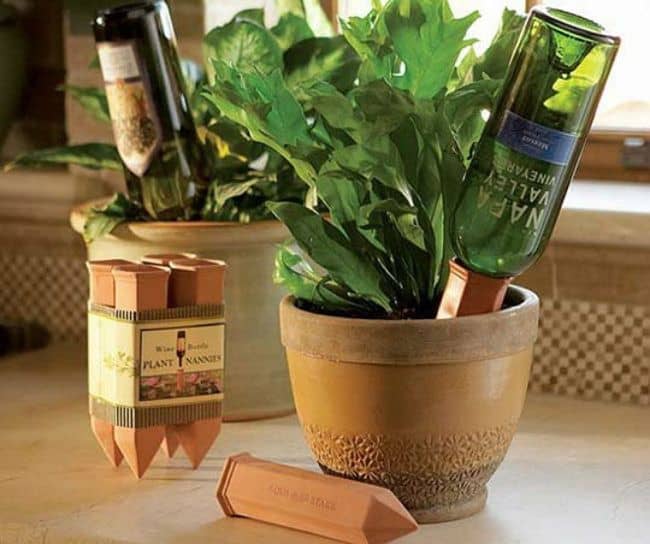
Turn your empty wine bottles into self-watering tools. Fill them with water, poke a hole in the screw cap, and insert the bottle upside down into your plant pot.
This slow-drip method hydrates your plants over time, reducing the need for frequent watering – perfect when you’re away for a few days.
3. Paper Towel Wicks for Vacation Watering
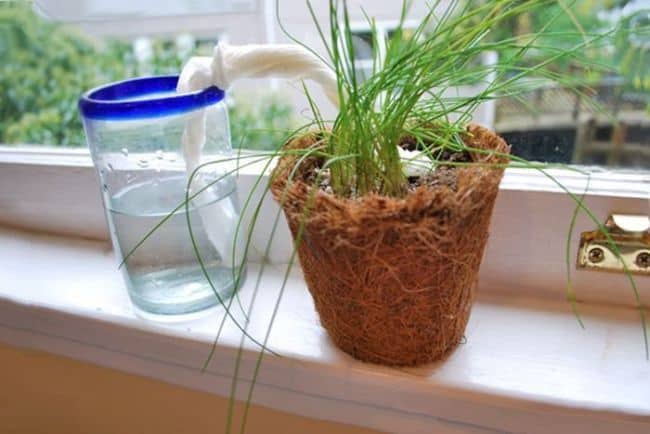
Heading out of town? Roll up a few paper towels like ropes and place one end in a water-filled jar and the other into your plant’s soil. The towel will slowly wick water into the soil, keeping it moist for days.
4. Make Plant Markers with Broken Pots
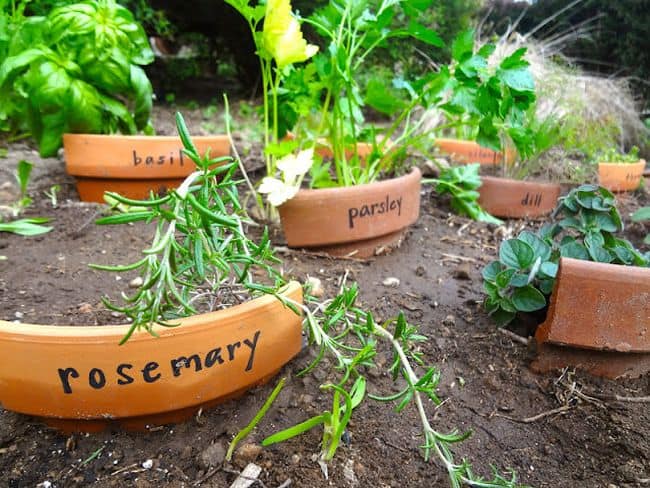
Don’t toss those terracotta pots with cracks or chips. Break them into smaller pieces and use them as rustic plant markers by writing the plant names with a permanent marker.
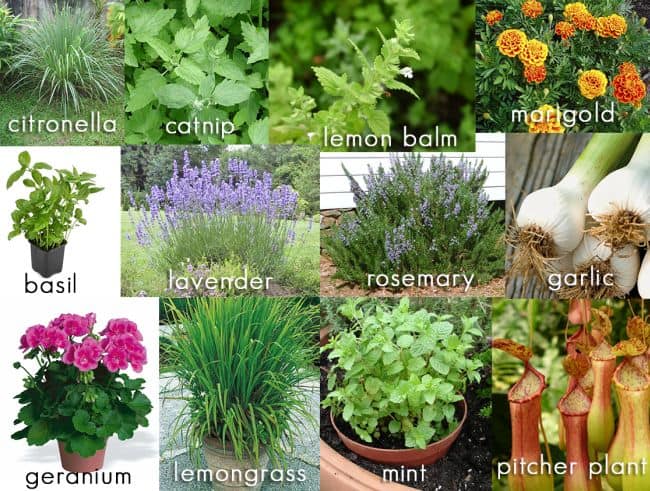
5. Plant Mosquito-Repelling Herbs
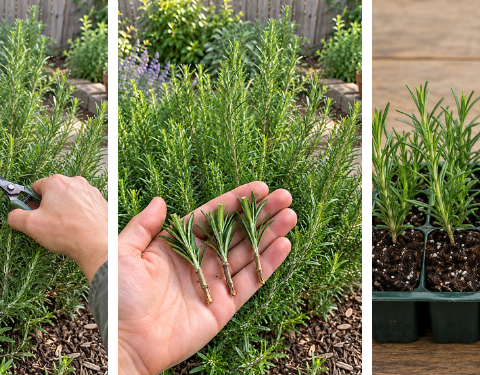
Keep mosquitoes at bay by growing natural repellents like lavender, lemongrass, catnip, basil, mint, rosemary, and garlic. These plants emit strong scents that mosquitoes hate, making your garden both fragrant and pest-free.
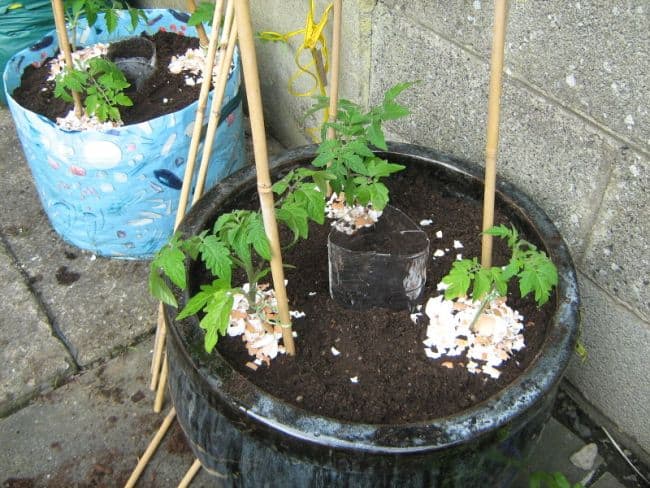
6. Use Crushed Eggshells to Deter Pests
Crushed eggshells around your plants create a barrier with sharp edges that discourage pests like slugs, snails, and even cutworms. They also add calcium to the soil as they decompose.
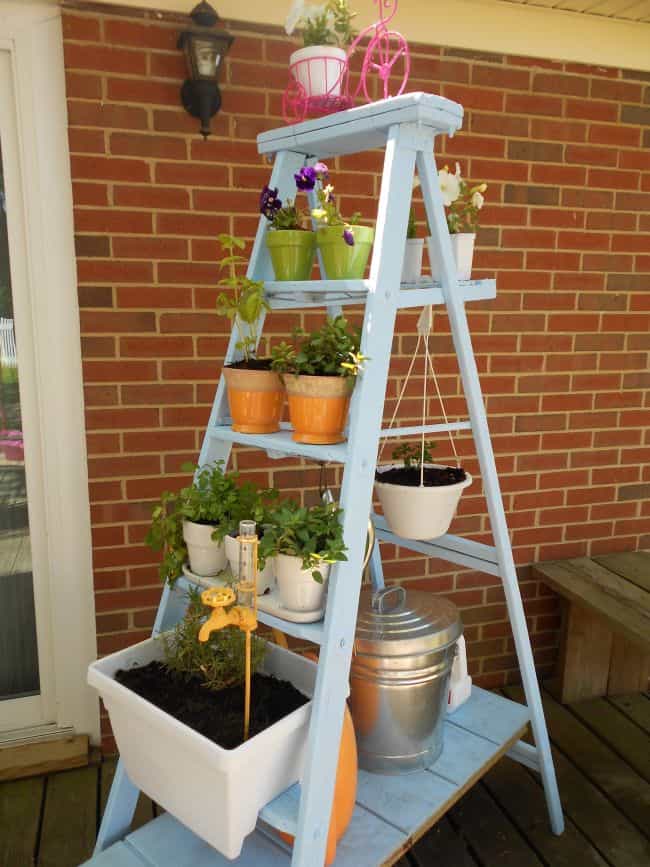
7. Repurpose an Old Ladder for Vertical Gardening
Turn an old wooden ladder into a stylish vertical planter. Place potted plants on each rung or attach shallow boxes. This not only saves ground space but also gives your garden a charming, rustic vibe.
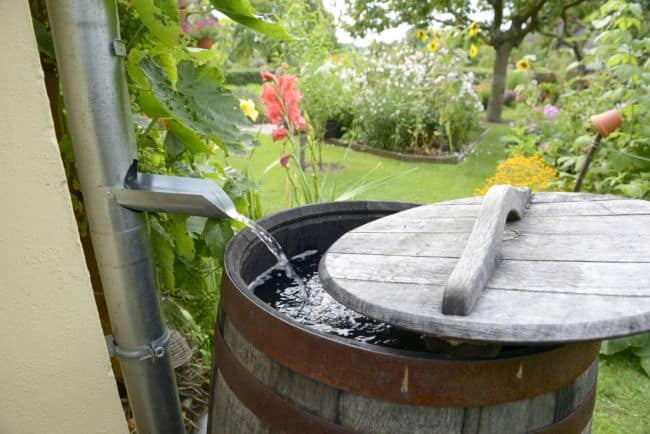
8. Collect Rainwater with a Rain Barrel
Install a rain barrel beneath your gutter downspout to collect natural rainwater. It’s an eco-friendly way to reduce your water bill while giving your plants chlorine-free hydration.
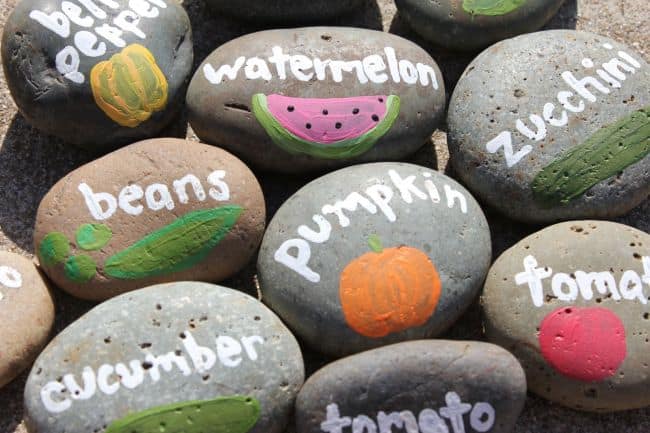
9. DIY Garden Stone Markers
Paint stones with plant names and place them at the base of each plant. It’s an attractive, waterproof solution for marking your garden rows, and a great craft for kids.
10. Fertilize with Cooking Water
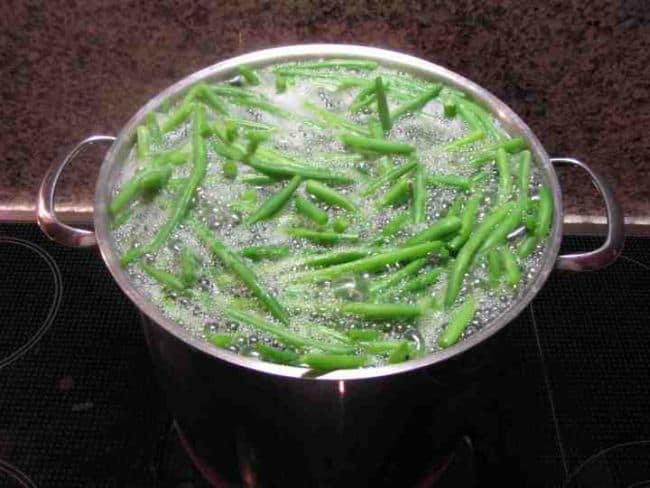
Don’t dump your pasta or vegetable cooking water down the drain. Let it cool, and then use it to water your plants. This water is rich in vitamins and minerals that your plants will love.
11. Vinegar as a Natural Weed Killer
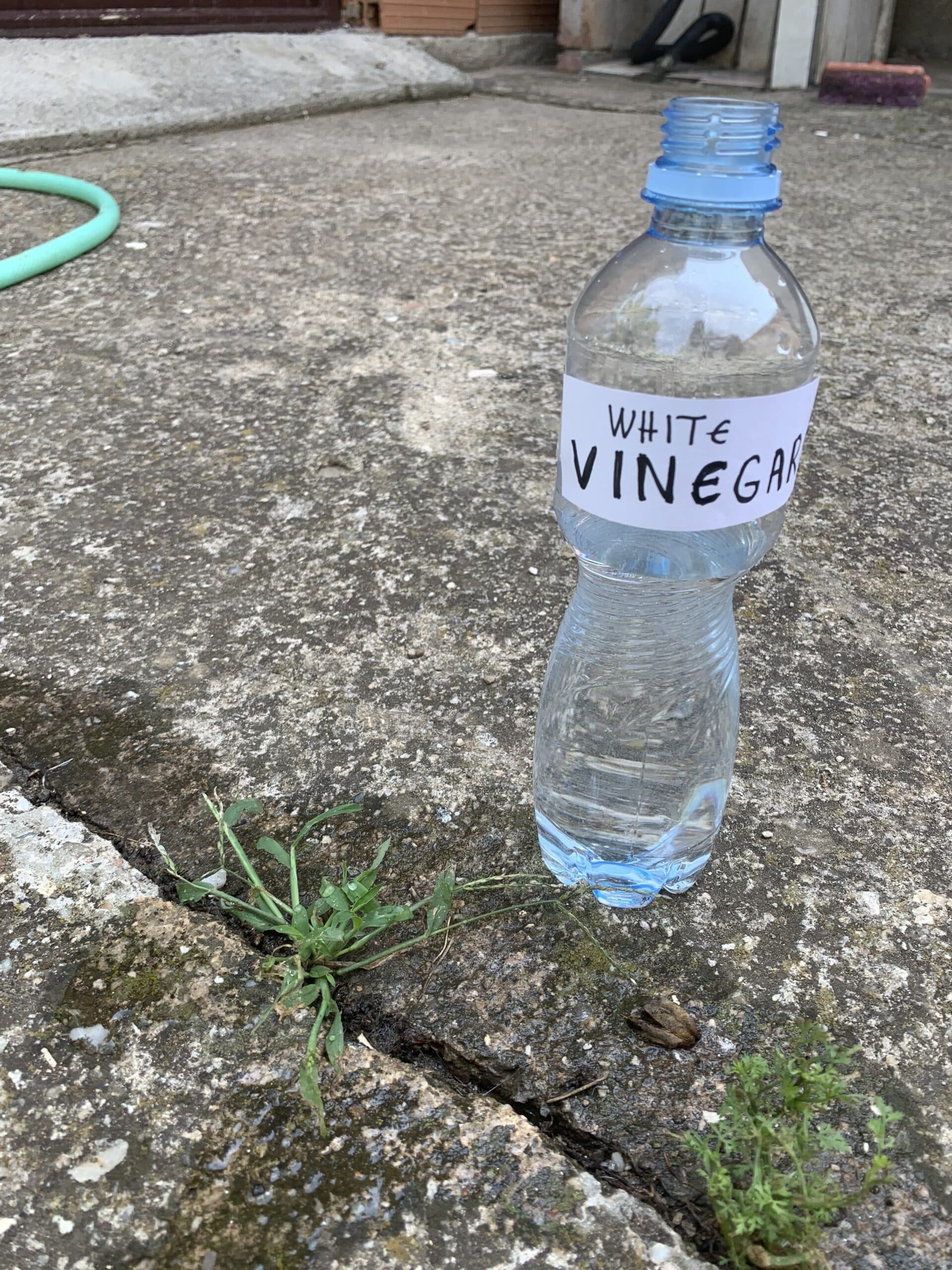
Spray undiluted white vinegar directly onto weeds growing in sidewalk cracks or between garden stones. Be careful not to hit your plants – vinegar is non-selective and will kill everything it touches.
12. Citrus Peel Seed Starters
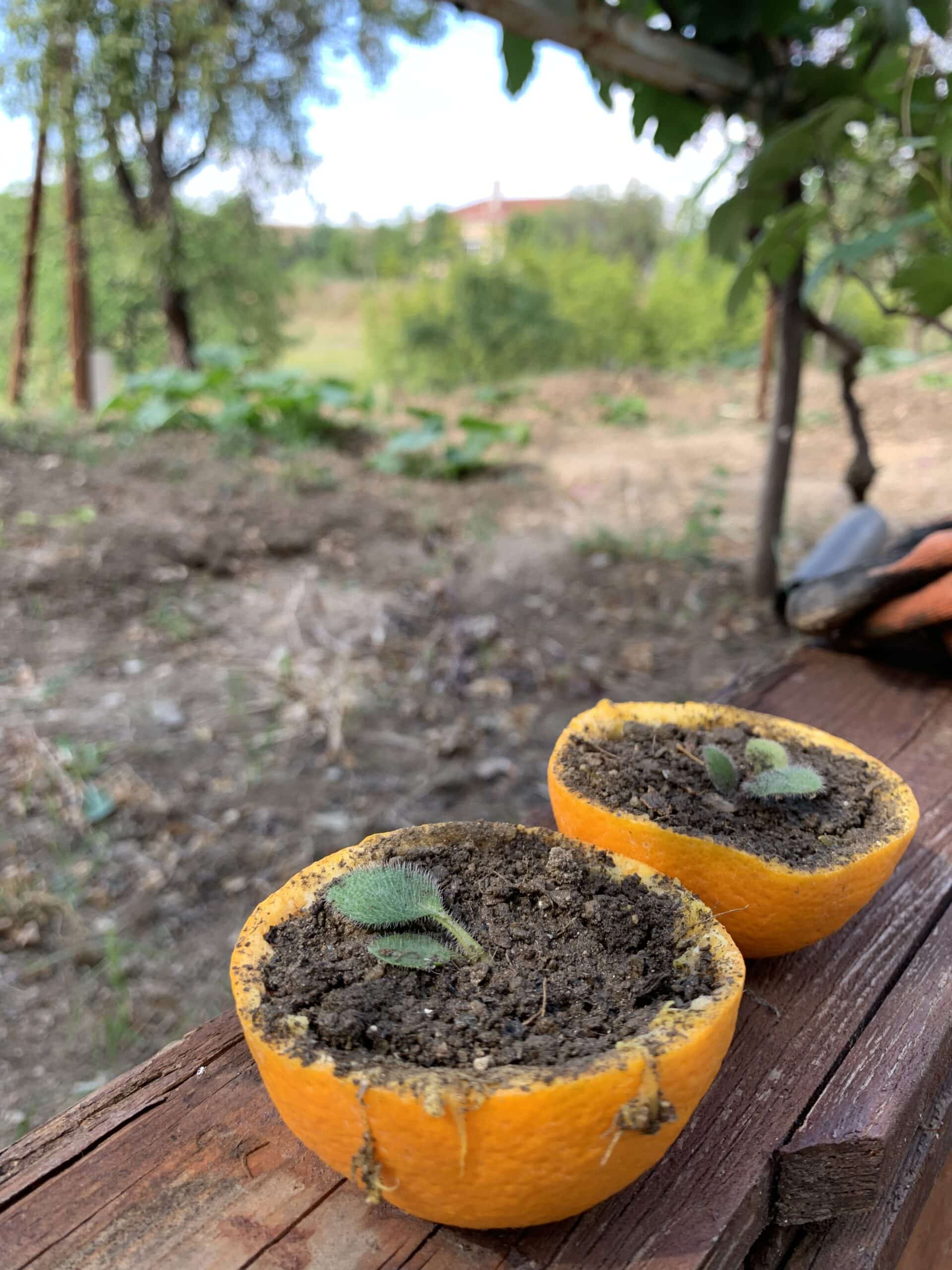
Use halved citrus peels as biodegradable seed-starting pots. Fill the peels with potting mix, plant your seeds, and when ready to transplant, place the whole peel in the ground. It will compost naturally and feed the young plant.
13. Turn Kitchen Scraps into Fertilizer
Make your own organic fertilizer by composting scraps like banana peels, eggshells, coffee grounds, and vegetable trimmings. This compost boosts your soil’s nutrient content and reduces household waste.

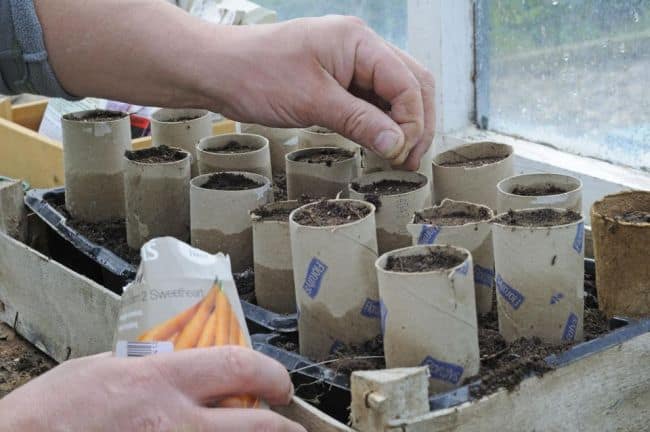
14. Start Seeds in Toilet Paper Rolls
Save your empty toilet paper rolls to start seeds indoors. Cut the rolls in half, fill them with seed-starting mix, and plant your seeds. Once seedlings are ready, plant the whole roll directly in the garden – no transplant shock!
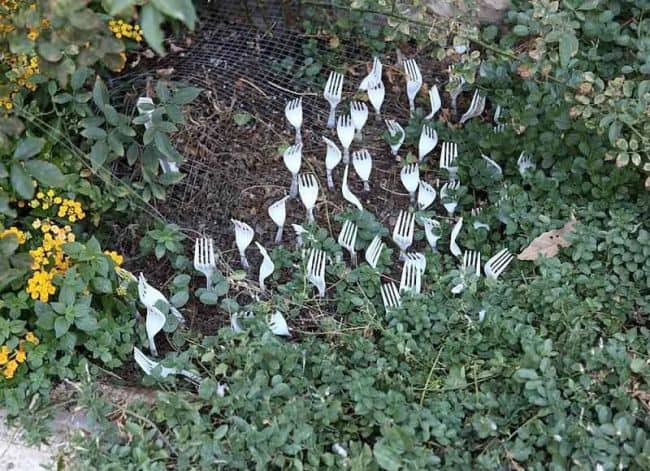
15. Use Plastic Forks to Keep Critters Away
Stick plastic forks into the ground with the tines pointing up to deter curious cats, squirrels, and other animals from digging in your garden beds.
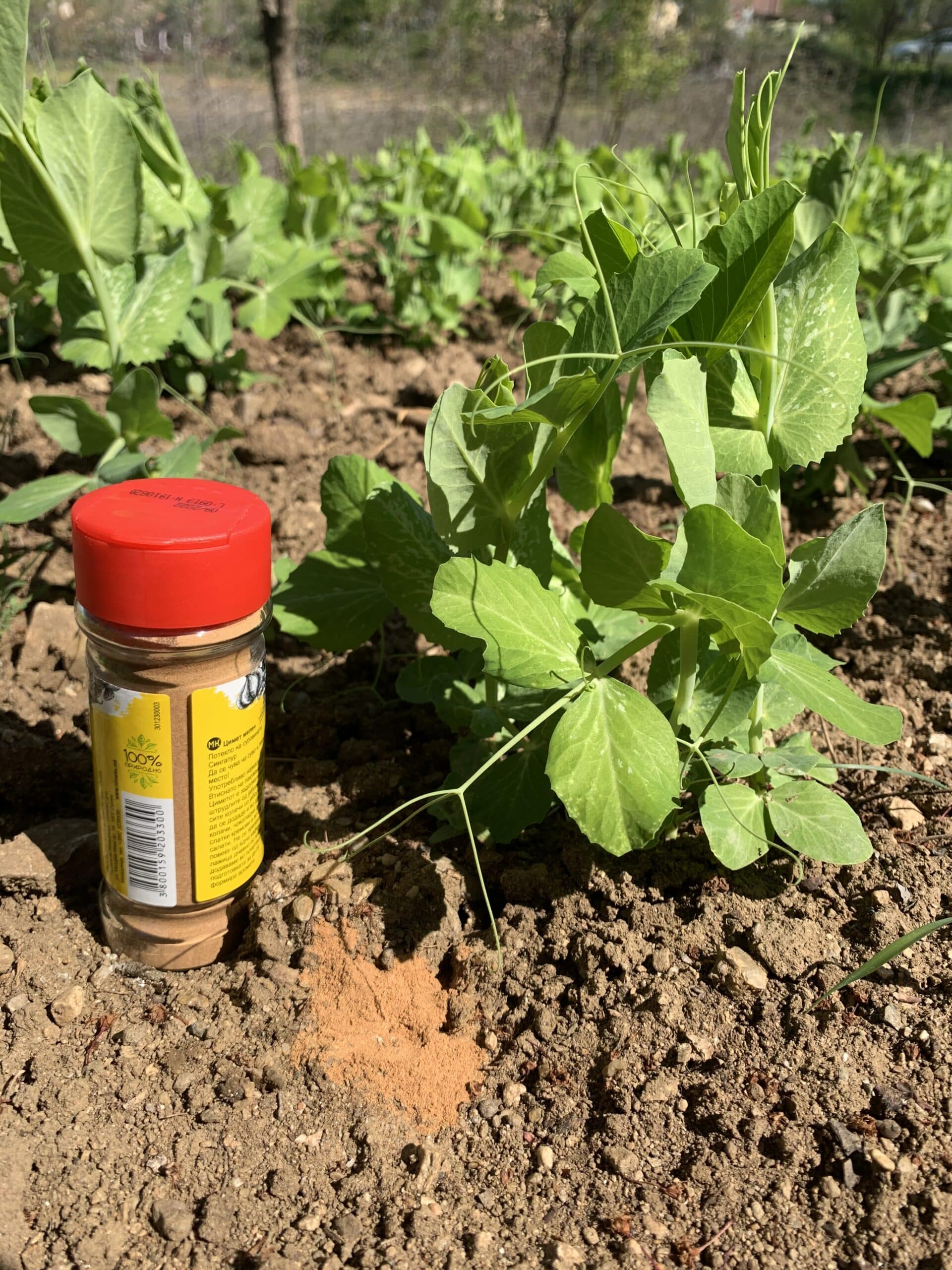
16. Sprinkle Cinnamon to Prevent Seedling Diseases
Cinnamon is a natural antifungal agent. Sprinkle it over the soil surface to help prevent damping-off disease and mold in seedlings.
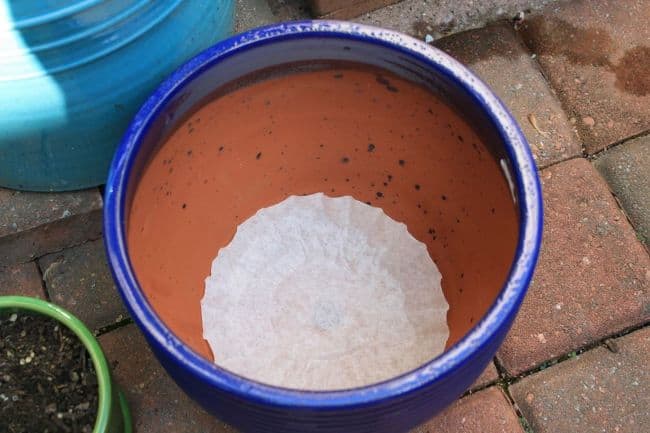
17. Use Coffee Filters to Improve Pot Drainage
Place a coffee filter at the bottom of your plant pots to prevent soil from escaping while still allowing water to drain freely. It keeps your plant’s root system cleaner and your surfaces mess-free.
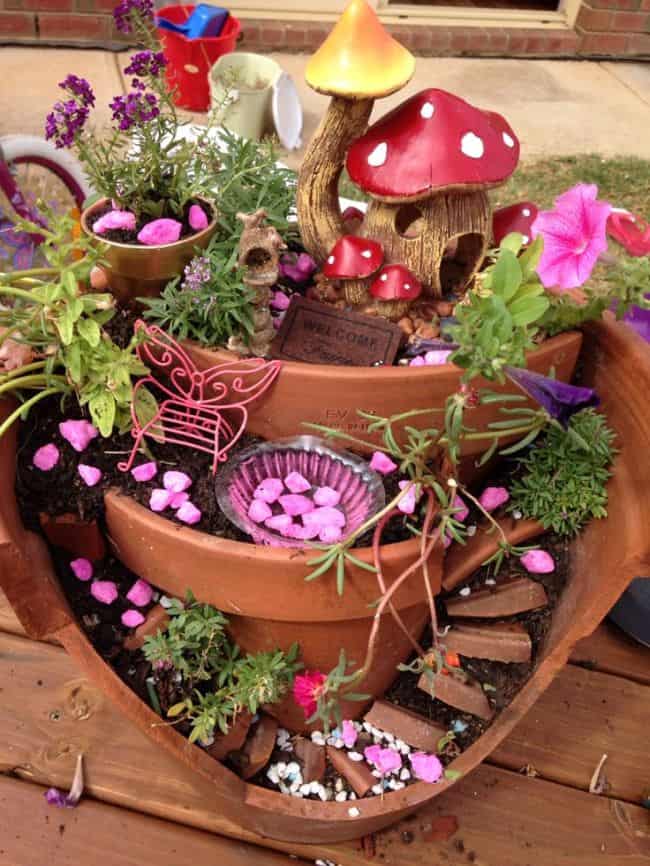
18. Create Fairy Gardens with Broken Pots
Broken pots can be repurposed into magical mini fairy gardens. Stack the shards to form terraces and plant small succulents, moss, or groundcovers. Add tiny figurines and pebbles for whimsy.
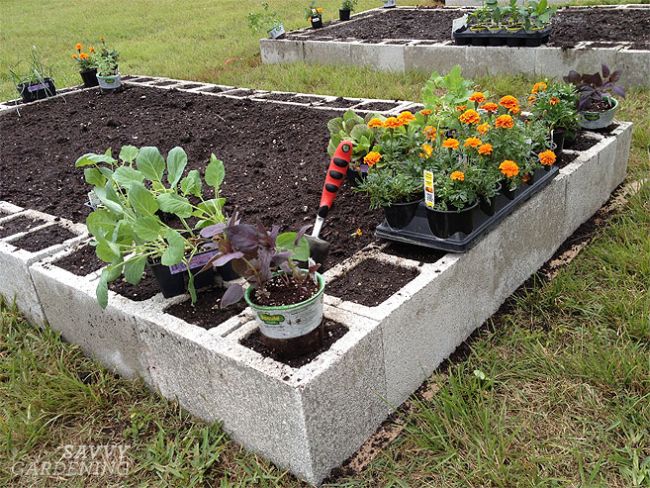
19. Build a Raised Bed Using Cement Blocks
Cement blocks offer a sturdy and affordable option for building raised beds. Their open holes can also double as mini planters for herbs or flowers.
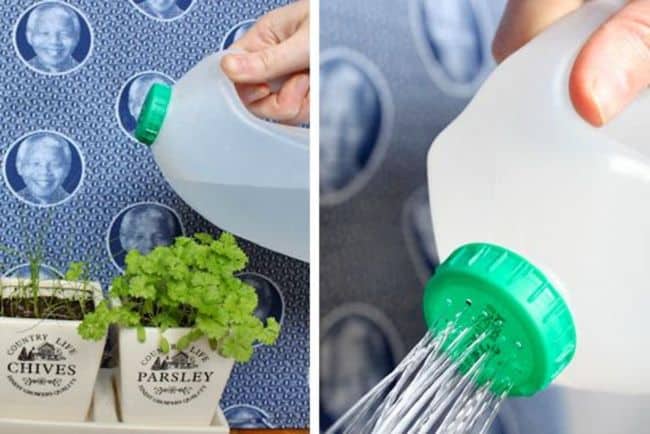
20. Make a DIY Watering Can from a Milk Jug
Poke several small holes into the lid of an empty milk jug, fill it with water, and you’ve got yourself a free watering can. This is ideal for gentle watering of delicate seedlings.
Gardening doesn’t have to be expensive or complicated. With these 20 inventive hacks, you can simplify your gardening tasks, recycle common household items, and grow a more productive and eco-friendly garden.