Gardening is a deeply rewarding hobby, but it can also be time-consuming—especially if you’re managing a large garden or trying to keep things going during a busy season.
The good news is, there are countless time-saving techniques that can help you maintain a beautiful, productive garden without spending hours each day bent over your flower beds or vegetable rows.
Whether you’re a seasoned gardener or just starting out, learning how to streamline your gardening efforts can reduce stress, improve productivity, and free up time for enjoying your space.
Here are 19 effective time-saving gardening tips that will help you grow smarter—not harder.
1. Choose Low-Maintenance Plants
Selecting plants that require minimal attention is one of the easiest ways to cut back on garden chores. Opt for native plants, drought-tolerant species, or perennials that return year after year with little fuss.
Examples include:
- Lavender
- Sedum
- Coneflower
- Ornamental grasses
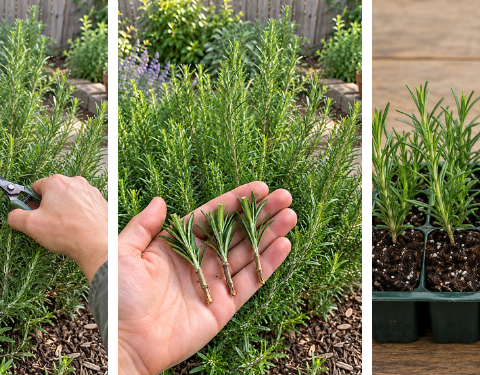
- Rosemary
These plants resist pests, survive dry spells, and need less pruning and fertilizing.
2. Mulch Generously
Mulch is your best friend when it comes to saving time in the garden. A thick layer of mulch reduces the need for frequent watering, suppresses weeds, and improves soil structure.
Use organic mulches like:
- Shredded bark
- Straw
- Grass clippings
- Wood chips
Apply 2–4 inches around your plants and replenish annually for best results.
3. Install a Drip Irrigation System
Watering by hand can eat up a lot of time, especially in hot weather. A drip irrigation system delivers water directly to plant roots with minimal waste.
Benefits include:
- Automated watering schedules
- Less evaporation and runoff
- Reduced weed growth
Once installed, this system drastically reduces daily maintenance.
4. Use Raised Beds or Containers
Raised beds and container gardens help you stay organized, reduce weeding, and improve drainage. They also warm up faster in spring, allowing you to plant earlier.
Raised beds can be made from wood, metal, or stone and are ideal for vegetables, herbs, and flowers.
5. Start with Healthy Soil
Healthy soil means healthier plants that resist pests and disease. Test your soil and amend it with compost, aged manure, or slow-release organic fertilizers to cut down on future maintenance.
Good soil structure also improves drainage and reduces the need for frequent watering.
6. Group Plants by Watering Needs
Save time and water by grouping plants with similar water requirements together. This allows for more efficient irrigation and helps prevent overwatering or underwatering.
Create zones such as:
- Drought-tolerant areas
- Moisture-loving zones
- Shade gardens
This strategic layout cuts down on confusion and maintenance.
7. Use Self-Watering Containers
For potted plants, consider self-watering containers that provide consistent moisture without the need for daily attention. These containers store water in a bottom reservoir, which wicks up to the roots as needed.
They’re ideal for:
- Herbs
- Annual flowers
- Balcony or patio gardens
8. Grow Perennials Instead of Annuals
Annuals need to be replanted every year, while perennials come back on their own, saving time and effort. Choose perennials that suit your climate and soil.
Popular options include:
- Daylilies
- Hostas
- Salvia
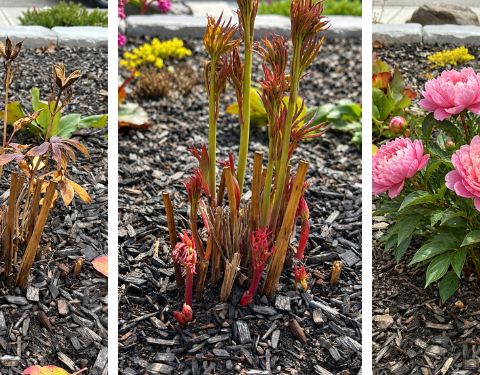
- Peonies
Perennials also tend to require less watering and fertilizing over time.
9. Use Ground Covers to Prevent Weeds
Instead of spending hours weeding, let ground covers do the work for you. These low-growing plants spread to cover the soil, blocking sunlight and choking out weeds.
Great ground covers include:
- Creeping thyme
- Sweet woodruff
- Ajuga
- Sedum
They also reduce erosion and add beauty to garden paths and borders.
10. Plan Your Garden Layout in Advance
Good planning saves time throughout the season. Before planting, draw out a garden layout that includes:
- Plant spacing
- Sunlight exposure
- Access paths
- Water sources
A well-planned garden reduces overcrowding, improves airflow, and makes weeding and harvesting faster and easier.
11. Invest in Quality Tools
Cheap or poorly designed tools can break or slow you down. Invest in a few high-quality tools like:
- A sharp pruner
- Ergonomic hand trowel
- Long-handled hoe
- Durable garden gloves
Well-maintained tools last longer and make gardening tasks faster and more efficient.
12. Plant in Rows or Blocks for Easy Access
Organize your planting in clear rows or square-foot blocks. This allows for:
- Easy navigation between plants
- Faster weeding and harvesting
- Better irrigation control
Keep paths wide enough for a wheelbarrow or garden cart to save time when moving supplies.
13. Use Slow-Release Fertilizer
Instead of applying liquid fertilizer every week, use slow-release granules or organic blends that feed plants over time. One application can last for months, minimizing effort and avoiding nutrient imbalances.
Look for balanced NPK ratios suitable for vegetables, flowers, or shrubs.
14. Deadhead Flowers with Your Fingers
Deadheading encourages more blooms and keeps your garden tidy. Instead of using scissors or pruners, use your fingers to pinch off spent flowers when you walk by.
This quick habit can save hours of formal maintenance later.
15. Choose Disease-Resistant Plant Varieties
Reduce future problems by selecting plants that are bred to resist common pests and diseases. Look for labels that mention resistance to:
- Powdery mildew
- Blight
- Rust
- Fusarium
These plants require less spraying and support over the season.
16. Compost in Place
Instead of carting all your trimmings to a compost bin, try chop-and-drop composting—cut down spent plants and leave the debris on the soil surface to break down naturally.
This improves soil fertility, reduces waste, and saves time moving materials.
17. Use Weed Barrier Fabric
Weed barrier fabric or landscape fabric can drastically cut back on weeding time, especially in perennial beds or pathways. Cover the fabric with mulch for a neat, low-maintenance look.
Use it in:
- Flower borders
- Vegetable paths
- Around trees and shrubs
Just be careful not to block air or water around shallow-rooted plants.
18. Set Up a Garden Tool Station
Create a garden tool station or tote you can bring with you. Keep essentials like gloves, snips, string, markers, and fertilizer in one place so you’re not wasting time searching for them every time you garden.
You can use a bucket, garden caddy, or small cart to keep everything within reach.
19. Work With Nature, Not Against It
Observe your garden’s natural rhythms. Pay attention to where the sun hits, which areas collect water, and how wind flows. Plant accordingly to reduce the need for constant adjustments or interventions.
For example:
- Place thirsty plants in low-lying spots.
- Use windbreaks like hedges or trellises.
- Grow shade-tolerant plants under trees.
When you align your garden with the environment, you reduce stress on plants—and yourself.
Gardening doesn’t have to take up all your free time. With the right strategies and a little planning, you can grow a healthy, thriving garden that fits into your busy schedule.
By applying these 19 effective time-saving gardening tips, you’ll reduce your workload while still reaping all the benefits of a beautiful, productive outdoor space.
Whether you’re managing a backyard vegetable patch, a flower-filled front yard, or a container garden on a patio, working smarter—not harder—is the key to success.
Start with just a few of these time-saving hacks, and watch your garden become not only more efficient but more enjoyable, too.