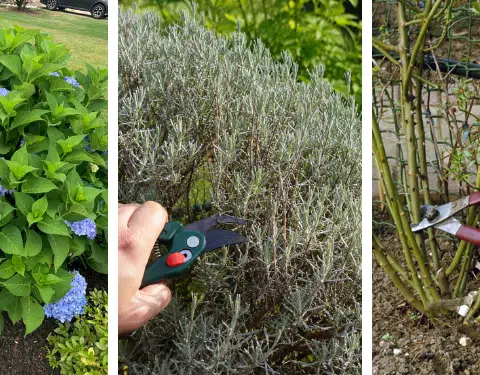
Hanging baskets are often thought of purely as ornamental features, ideal for brightening up porches, balconies, patios, and window fronts with trailing blooms.
But beyond their decorative appeal, hanging baskets can also serve a much more practical purpose—growing fresh, edible plants in small or vertical spaces.
If you’re short on garden space but want to grow more of your own food, edible hanging baskets are a creative and productive solution.
Here are 17 of the best edible plants for hanging baskets that offer beauty, aroma, and harvestable goodness throughout the growing season.
1. Strawberries
Strawberries are arguably the most popular fruit for hanging baskets. Their trailing nature and vibrant red fruit make them both ornamental and delicious.
Varieties like alpine strawberries or ‘Toscana’ pink-flowered strawberries are especially suited to baskets, producing small but intensely flavorful berries.
-
Use a 12-inch or larger basket.
-
Plant multiple starts around the edge for maximum trailing effect.
-
Strawberries need full sun and consistent watering.
2. Cherry Tomatoes
Tumbling or trailing cherry tomatoes such as ‘Tumbling Tom’, ‘Hundreds and Thousands’, or ‘Balcony Yellow’ are ideal for baskets. Their vines cascade over the edges, covered in sweet, bite-sized fruits.
-
Choose a sunny location and water deeply and regularly.
-
Add a small companion like basil in the center of the basket to deter pests and enhance flavor.
-
Feed with tomato fertilizer every 10–14 days once flowers appear.


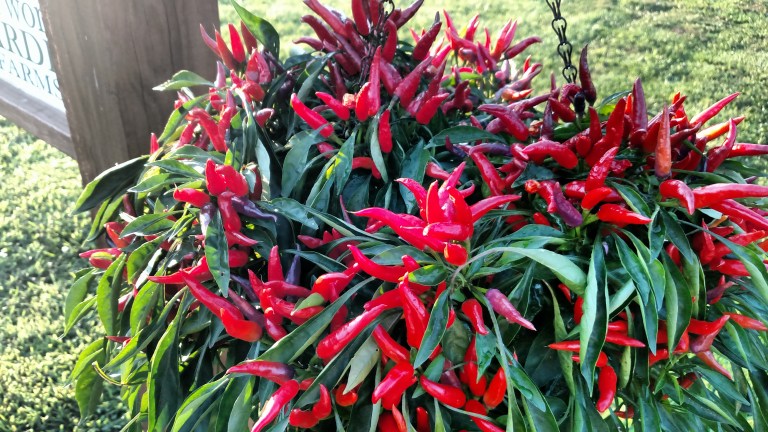
3. Chilli Peppers
Compact chili varieties like ‘Basket of Fire’ or ‘Prairie Fire’ grow well in hanging containers and offer colorful fruit ranging from yellow to deep red. They’re attractive and productive.
-
Choose well-draining soil and full sun.
-
Water moderately and avoid overwatering to prevent root rot.
-
Handle carefully—these peppers can be extremely hot.
4. Peas
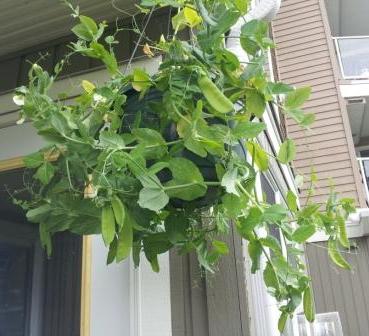
Dwarf or trailing pea varieties such as ‘Tom Thumb’, ‘Little Marvel’, or purple-podded peas add a charming twist to hanging baskets. Their delicate flowers and tendrils create a soft, romantic look.
-
Peas prefer cooler temperatures, so they’re perfect for early spring or fall planting.
-
Provide some netting or a small cage to support their vines.
-
As legumes, they enrich the soil by fixing nitrogen.
5. Beans
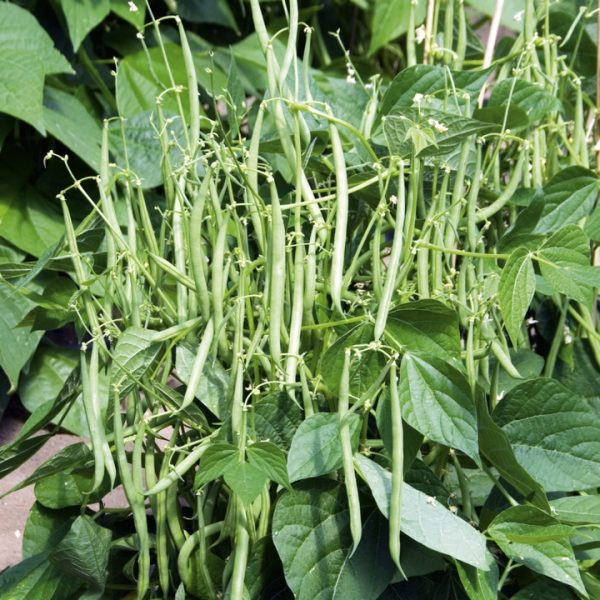
Bush and dwarf climbing beans like ‘Mascotte’ or ‘Hestia’ dwarf runner beans are productive and attractive with their scarlet flowers and glossy pods.
-
Use a deep basket and provide support for climbing types.
-
Water regularly and fertilize with a balanced organic feed.
-
Beans can be mixed with herbs or trailing flowers for a lush, edible display.
6. Cucumber
Compact cucumber varieties such as ‘Patio Snacker’, ‘Bush Champion’, or ‘Mini Munch’ thrive in hanging baskets when given proper support.
-
Use a sturdy hook and basket, as cucumbers can get heavy.
-
Water consistently and feed with potassium-rich fertilizer during fruiting.
-
Train the vines gently over the sides for easy access and airflow.

7. Sweet Potatoes
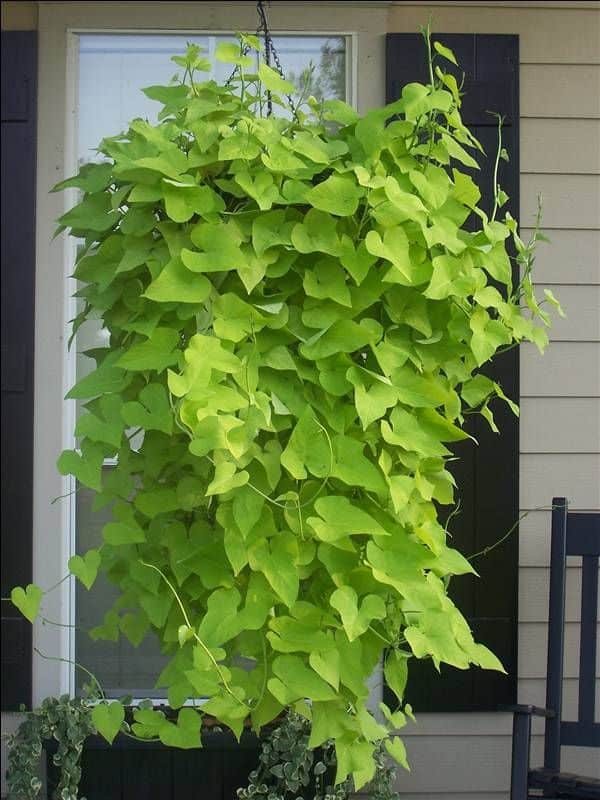
The ornamental sweet potato vine is often grown for its foliage, but edible varieties like ‘Beauregard’ or ‘Georgia Jet’ can also be used in baskets.
-
Start from slips in early spring.
-
Provide a large, deep basket and rich, loose soil.
-
Vines will trail over the sides dramatically—up to four feet long.
-
Harvest tubers in late summer when vines yellow.
8. Cucamelons
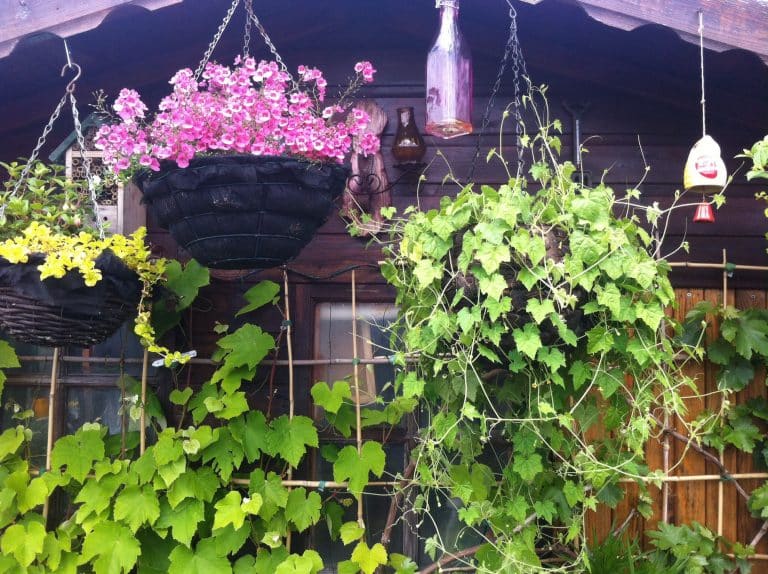
Cucamelons, also known as mouse melons or Mexican sour gherkins, produce tiny fruits that resemble miniature watermelons with a refreshing, tangy cucumber flavor.
-
Plant two seeds per basket in early spring.
-
Place in a sunny, sheltered spot and support initial vertical growth.
-
Vines can trail up to six feet and need regular feeding and watering.
-
Fruits are ready to harvest mid-to-late summer.
9. Courgette (Zucchini)
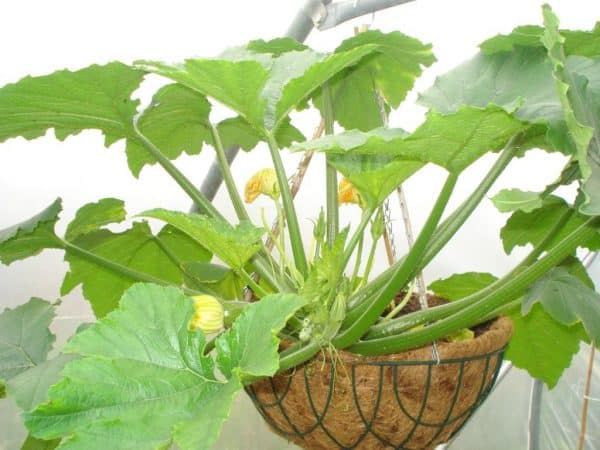
Bush or compact zucchini types like ‘Black Forest’ or ‘Patio Star’ can be grown in extra-large hanging baskets.
-
Ensure the container is very sturdy—zucchinis are heavy producers.
-
Add a slow-release fertilizer and water frequently.
-
Enjoy both the flowers and fruit in your cooking.
10. Lavender
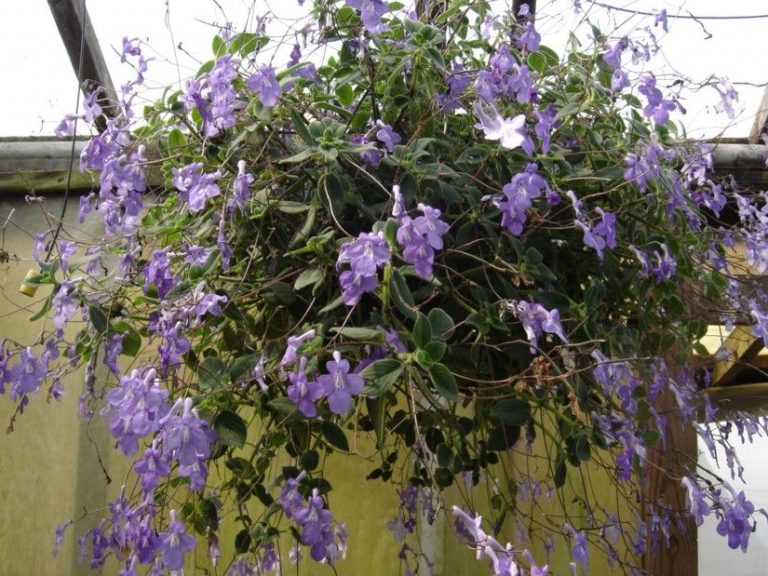
While not an edible plant in the traditional sense, lavender is both culinary and medicinal. Its fragrant flowers can be used in teas, baking, or as a garnish.
-
Choose varieties like ‘Munstead’ or ‘Hidcote’ for compact growth.
-
Full sun and well-drained soil are essential.
-
Harvest flowers before they fully open for best flavor and fragrance.
11. Mixed Salad Greens
“Cut and come again” leafy greens like lettuce, arugula, mizuna, tatsoi, and mustard greens are ideal for small-space gardeners.
-
Use shallow baskets and sow seeds thickly.
-
Harvest baby leaves with scissors to encourage regrowth.
-
Mix with edible flowers like nasturtiums, violas, or calendula for a decorative and edible basket.
12. Nasturtiums
Nasturtiums are a triple-threat: beautiful, edible, and excellent companion plants. Both the peppery leaves and the vibrant flowers are edible and add flair to salads.
-
Trailing varieties like ‘Jewel Mix’ or ‘Trailing Single’ spill beautifully from baskets.
-
Deter aphids and whiteflies while attracting pollinators.
-
Harvest seeds for pickling as a caper substitute.
13. Thyme
Thyme’s creeping habit makes it ideal for basket edges. Its tiny flowers attract pollinators, and its leaves are a flavorful addition to a wide range of dishes.
-
Mediterranean herbs like rosemary, oregano, marjoram, and sage also do well in baskets.
-
Ensure the container has excellent drainage and avoid overwatering.
-
Clip leaves regularly to encourage bushy growth.
14. Parsley
Parsley is a biennial herb that produces lush green foliage perfect for garnishing and seasoning.
-
Sow seeds in early spring—germination can take up to three weeks.
-
Use rich, moist soil and provide plenty of sunlight.
-
Harvest leaves regularly to promote new growth and prevent bolting.
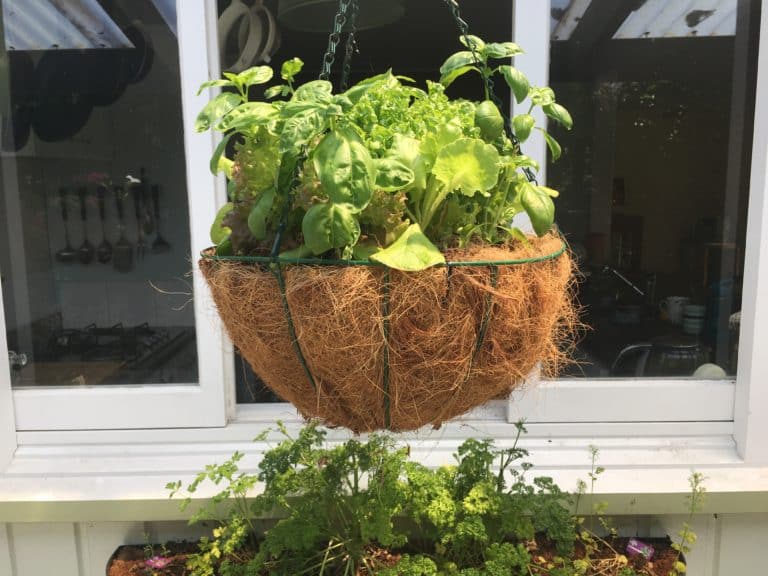
15. Basil
Basil is fast-growing and thrives in hanging baskets, especially when paired with tomatoes.
-
Pinch off the tops regularly to prevent flowering and encourage bushy growth.
-
Keep soil moist but not soggy.
-
Try different varieties like Genovese, Thai, Lemon, or Purple Basil for a colorful mix.
16. Mint
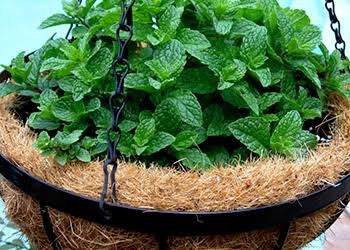
Mint is a vigorous herb that can take over garden beds, making it ideal for hanging baskets where it can be contained.
-
Use varieties like peppermint, spearmint, chocolate mint, or apple mint.
-
Grow in partial shade and keep soil moist.
-
Regular harvesting helps prevent legginess and promotes fresh growth.
17. Bell Peppers
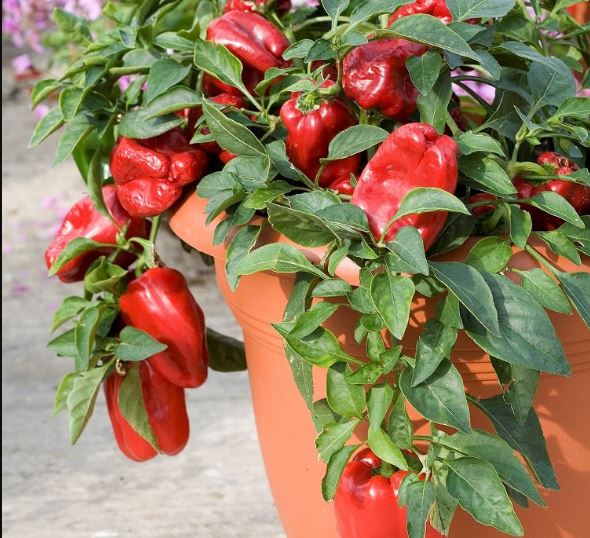
Compact bell pepper varieties like ‘Mohawk’, ‘Mini Bell’, or ‘Sweet Chocolate’ are perfect for baskets.
-
Choose a warm, sunny location.
-
Keep soil evenly moist and feed with a balanced vegetable fertilizer.
-
Enjoy watching the peppers change color from green to red, orange, or yellow.
With creativity and the right plant choices, hanging baskets can become a lush, living pantry of fresh herbs, fruits, and vegetables.
They offer a space-saving, visually appealing way to grow food vertically, especially for those with limited ground space.
From cascading strawberries and cucamelons to spicy chili peppers and fragrant herbs, your vertical garden can be just as abundant as a traditional one—with far more style.
Whether you’re looking to maximize a balcony, enhance your patio garden, or simply add productivity to your porch, edible hanging baskets provide an easy and beautiful way to bring the farm to your front door.