As the days grow shorter and temperatures begin to drop, your focus as a gardener should shift to one important task: winterizing your garden.
Properly preparing your garden for winter ensures that your plants, soil, tools, and structures will survive the cold months and be ready for a vibrant return in spring.
Neglecting this essential process can mean more work, more money, and more frustration when growing season rolls around again.
Whether you have a lush flower garden, a thriving vegetable patch, or a mix of both, winterizing your garden is crucial for maintaining its health and beauty year after year.
In this guide, we’ll walk you through 15 key steps you must take to get your garden ready for winter—and set the stage for a spectacular spring.
1. Clean Up Spent Plants
At the end of the growing season, remove dead or spent annuals, vegetable plants, and weeds from your garden beds.
Why it matters: Decaying plant material can harbor diseases, pests, and fungal spores that overwinter in the soil and cause problems next year.
Tip: Healthy, disease-free plant material can be composted, but any diseased plants should be bagged and thrown away to prevent spreading.
2. Cut Back Perennials Carefully
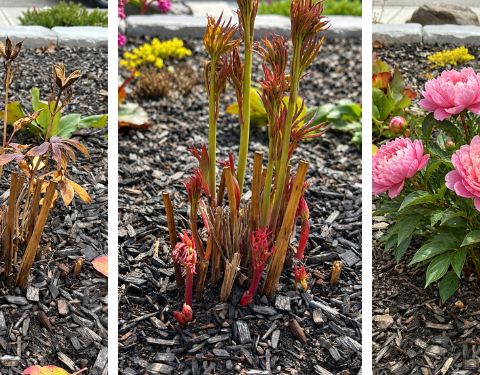
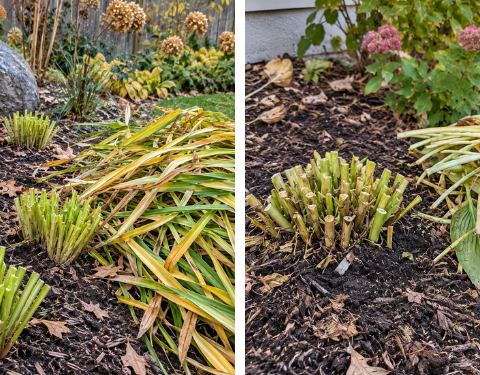
Some perennials benefit from being cut back before winter sets in, while others can be left standing for added texture and wildlife habitat.
Cut back: Plants like daylilies, hostas, and peonies should be trimmed to a few inches above the ground.
Leave standing: Coneflowers, ornamental grasses, and black-eyed Susans provide seeds for birds and add winter beauty to the landscape.
Use sharp, sterilized pruning shears to prevent the spread of diseases while cutting back perennials.
3. Mulch Your Beds
Adding a layer of mulch is one of the best ways to protect your plants’ roots from freeze-thaw cycles.
What to use: Organic mulches like shredded bark, straw, pine needles, or leaves work best.
How much: Apply a 2–4 inch layer around perennials, shrubs, and trees, making sure not to pile mulch directly against stems or trunks.
Mulching also helps retain soil moisture and suppresses weed growth during winter.
4. Protect Sensitive Plants
If you live in an area with harsh winters, consider providing extra protection for tender plants.
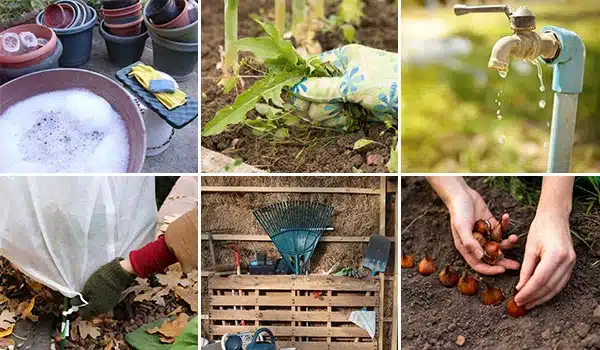
- Use burlap wraps, frost blankets, or cloches.
- Build temporary cold frames around delicate plants.
- Move potted tender perennials indoors or into sheltered spots like garages or greenhouses.
Investing a little time in protection now can save your favorite plants from winterkill.
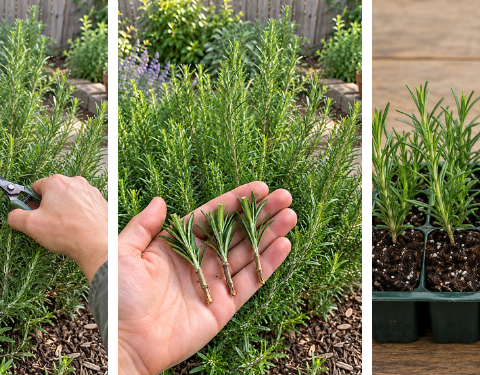
5. Divide and Replant Perennials
Fall is an ideal time to divide overcrowded perennials and give them more space to thrive next year.
How to divide: Dig up the entire clump, gently separate it into smaller sections with roots attached, and replant immediately.
Benefits: Promotes healthier growth, rejuvenates aging plants, and gives you more plants for free.
Dividing now gives the roots time to establish before the ground freezes.
6. Bring In Garden Tools and Hoses
Leaving tools and hoses outside during the winter exposes them to rust, cracking, and weather damage.
- Clean and dry all garden tools thoroughly.
- Store hoses coiled up and drained to prevent freezing.
- Sharpen blades and oil moving parts on pruners, shears, and lawnmowers to extend their life.
A little maintenance now means your tools will be ready when spring arrives.
7. Plant Spring Bulbs
For a garden that bursts into color next spring, fall is the time to plant bulbs like tulips, daffodils, crocuses, and hyacinths.
When to plant: Plant bulbs after the first frost but before the ground freezes solid.
How deep: Generally, plant bulbs 2–3 times as deep as the bulb is tall.
Add a little bulb fertilizer when planting to encourage strong root development over winter.
8. Prepare Your Soil
Healthy soil is the foundation of a thriving garden. Now is the perfect time to amend your soil for next year’s planting.
- Spread compost, well-rotted manure, or organic matter over your beds.
- Let it sit over the winter; the freezing and thawing action will help incorporate nutrients into the soil.
- Conduct a soil test if needed to check pH and nutrient levels.
Improving soil health in the fall means less work when it’s time to plant in the spring.
9. Winterize Trees and Shrubs
Newly planted or young trees and shrubs can be especially vulnerable to winter damage.
- Wrap trunks with tree wrap to prevent sunscald and cracking.
- Add mulch around the base to insulate roots (but not directly against the trunk).
- Stake young trees if necessary to protect them from strong winds.
Winterizing trees now helps them survive the cold and grow strong in the spring.
10. Harvest and Store Seeds
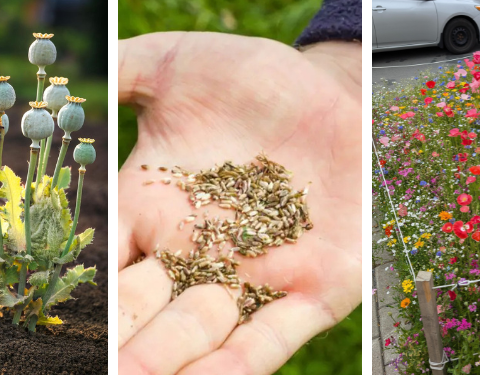
Before the last of your flowers and vegetables fade away, harvest seeds to grow again next year.
- Collect seeds from healthy, disease-free plants.
- Allow seeds to dry completely before storing them.
- Label and store seeds in a cool, dark, dry place.
Saving seeds not only saves money but also helps you grow plants perfectly adapted to your local climate.
11. Clear Out and Clean Greenhouses
If you have a greenhouse or cold frame, give it a thorough cleaning before winter.
- Remove all plants and debris.
- Wash windows, benches, and floors with a mild disinfectant.
- Repair any broken panels or damaged frames.
A clean greenhouse helps prevent the spread of pests and diseases and gets it ready for winter sowing or early spring planting.
12. Empty and Clean Planters and Pots
Clay, ceramic, and some plastic pots can crack if left filled with soil and moisture over the winter.
- Empty all outdoor pots and planters.
- Clean them thoroughly to remove salts and soil buildup.
- Store pots upside down in a dry, sheltered place.
This ensures your containers will be ready and intact for next year’s planting projects.
13. Drain Irrigation Systems
Prevent costly repairs by properly winterizing your irrigation system.
- Shut off water supplies to outdoor taps.
- Drain hoses, drip irrigation lines, and sprinkler systems.
- Blow out irrigation lines if necessary to remove trapped water.
Frozen water inside pipes can expand and cause bursting, so it’s critical to take preventive steps before the first hard freeze.
14. Add a Winter Compost Pile
Continue recycling your garden and kitchen waste over the winter by setting up a winter compost pile.
- Choose a sheltered spot to protect the pile from heavy snow and ice.
- Alternate layers of green materials (kitchen scraps) and brown materials (leaves, straw).
- Turn the pile occasionally to keep it aerated.
While decomposition slows in cold weather, materials will start breaking down and be ready to feed your garden in early spring.
15. Plan Next Year’s Garden
Finally, as you finish preparing your garden for winter, take a moment to reflect and plan for the next season.
- Make notes about what worked well this year and what didn’t.
- Sketch new garden layouts or think about crops or flowers you want to try.
- Order seed catalogs and start planning early for spring planting.
Dreaming and planning now ensures you’ll hit the ground running when warmer days return.
Winterizing your garden isn’t just about protecting your hard work; it’s about setting the stage for success next year.
By taking the time to clean, protect, and prepare now, you’re investing in a healthier, more beautiful garden that will reward you with lush blooms, thriving vegetables, and vibrant landscapes come spring.
From tidying up your garden beds to mulching, protecting plants, and preparing your tools, every step you take today will pay off tomorrow.