Herbs have been used for thousands of years for their healing properties. While modern medicine has advanced considerably, many people still turn to natural remedies for everyday ailments.
Medicinal herbs offer gentle yet effective relief from a variety of conditions—ranging from skin irritations to digestive problems, anxiety, and respiratory infections.
The best part? Many of these herbs are easy to grow in your backyard or in containers, allowing you to keep a natural first aid kit just outside your door.
Below, you’ll find a carefully curated list of 15 healing herbs that are not only rich in flavor and fragrance but also known for their proven medicinal benefits.
These herbs can be used in teas, tinctures, infusions, poultices, and even essential oils. Read on to discover how each of these herbs can be used to support your health naturally.
1. Aloe Vera
Aloe vera is a must-have medicinal plant, especially for skin care. Its thick, succulent leaves contain a soothing gel that promotes rapid healing of burns, cuts, and insect bites.
It’s commonly used to treat sunburns and eczema, and its anti-inflammatory and antimicrobial properties help reduce skin infections.
Aloe vera can also be consumed in small amounts (consult a professional first) to ease constipation, ulcerative colitis, and digestive discomfort.
Grow aloe in a sunny location with well-draining soil. It thrives indoors on a windowsill or outdoors in warmer climates.

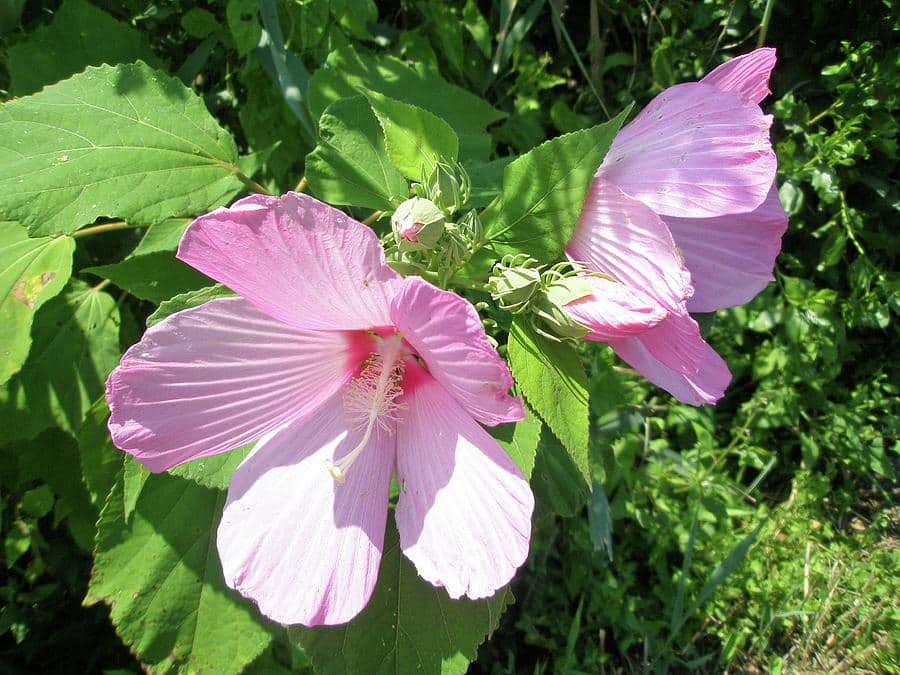
2. Marsh Mallow (Althaea officinalis)
This ancient healing herb, known for its mucilage content, is incredibly soothing for inflamed tissues.
The Greeks and Romans used marsh mallow root and leaves to treat sore throats, persistent coughs, ulcers, and skin wounds. The plant prefers moist, rich soil and partial to full sun.
The leaves are edible and can be added to salads, while the root can be dried for use in teas and infusions that soothe the respiratory and digestive tracts.
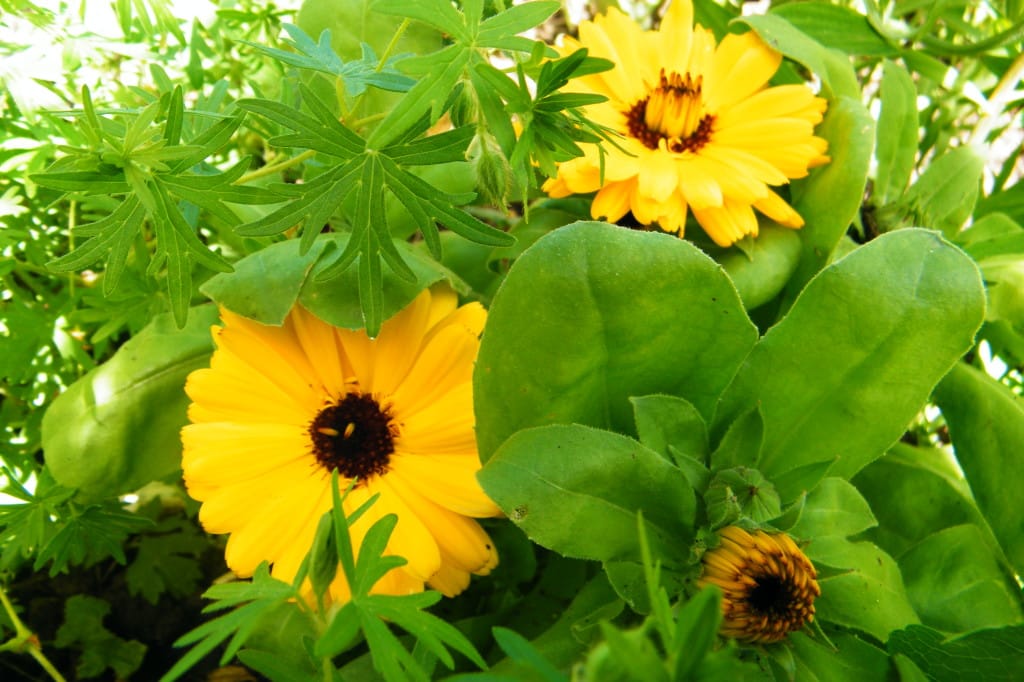
3. Pot Marigold (Calendula officinalis)
Calendula is not only beautiful in the garden, but also highly beneficial for skin healing. It has antiseptic, antifungal, and anti-inflammatory properties that make it perfect for treating cuts, rashes, insect bites, acne, eczema, and wounds.
It also helps with sore eyes, varicose veins, and chronic skin infections.
Use the flowers to make infused oils, healing salves, or skin-soothing teas. Calendula thrives in sunny areas and is very easy to grow from seed.
4. Chinese Yam (Dioscorea opposita)
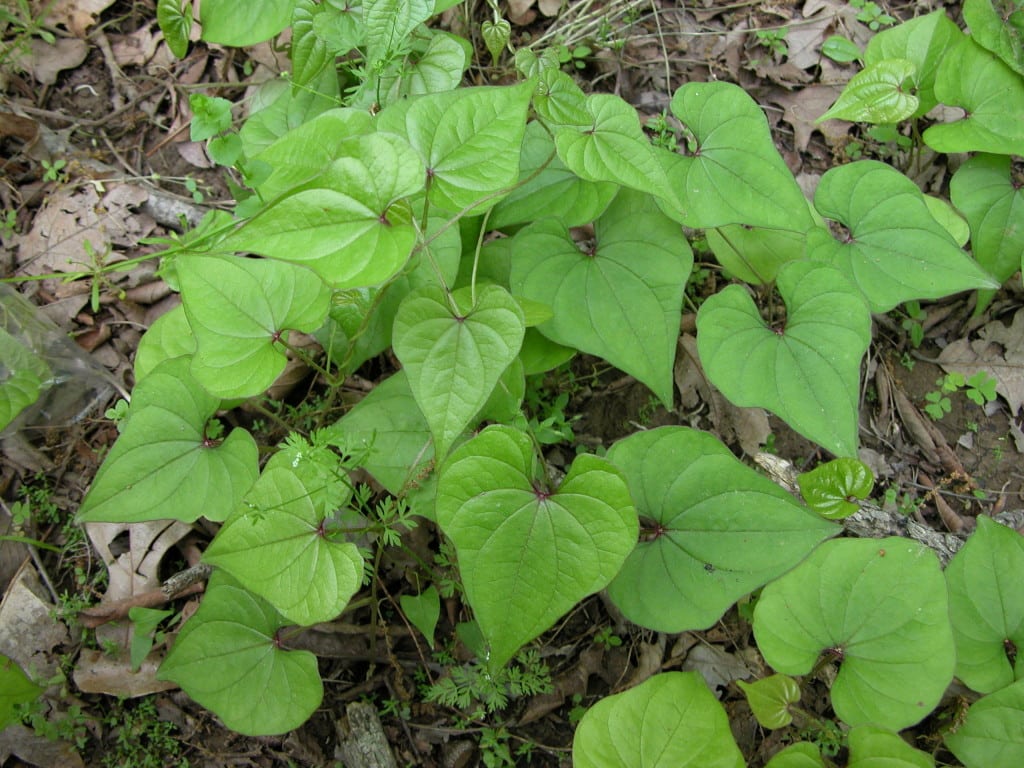
Used extensively in Traditional Chinese Medicine, Chinese yam is known for supporting the lungs, spleen, and kidneys.
It helps with fatigue, appetite loss, dry coughs, and urinary problems. It’s also believed to treat snake bites and inflammation.
The tubers can be eaten raw or cooked. It grows well in fertile, moist soil with partial shade and is often grown as a vine.
5. Tea Tree (Melaleuca alternifolia)
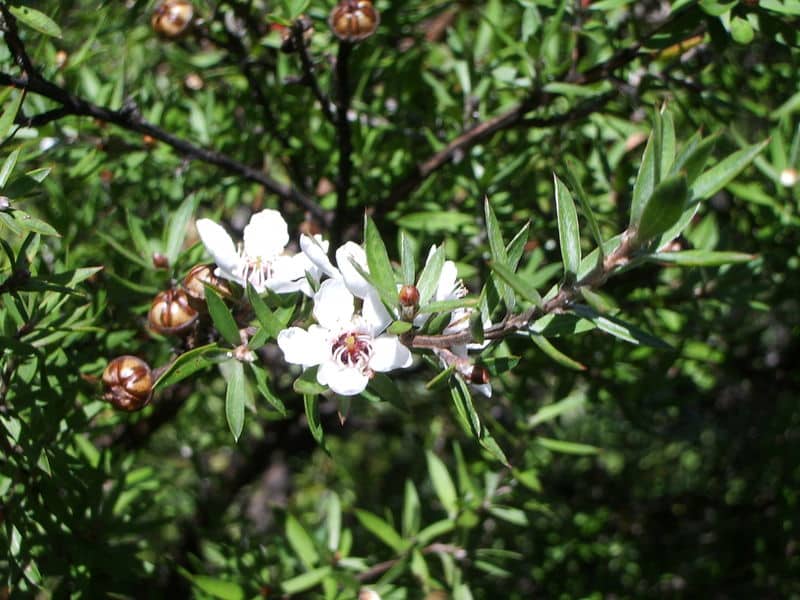
Native to Australia, tea tree is a powerful natural antiseptic. Its essential oil is widely used for treating acne, fungal infections (like athlete’s foot), cold sores, minor burns, warts, and insect bites.
It also supports the immune system and can be used to relieve thrush, vaginal infections, chronic fatigue, and glandular fever.
Grow tea tree in a large container in sunny, warm conditions or indoors in cooler climates. The leaves are harvested for essential oil extraction.
6. Lemon Balm (Melissa officinalis)
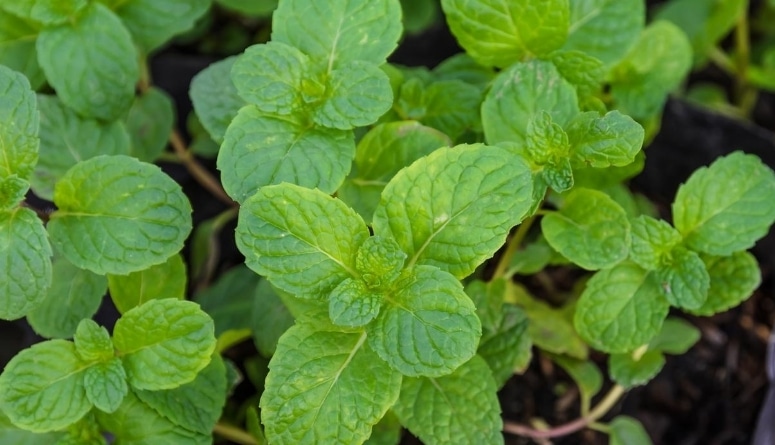
Lemon balm is a calming herb used to reduce anxiety, restlessness, and insomnia. It also supports digestion and can help relieve fever, cold symptoms, and headaches.
The leaves have a pleasant lemon scent and make a flavorful tea.
It grows well indoors or outdoors in partial sun, and its small white flowers attract beneficial pollinators to the garden.
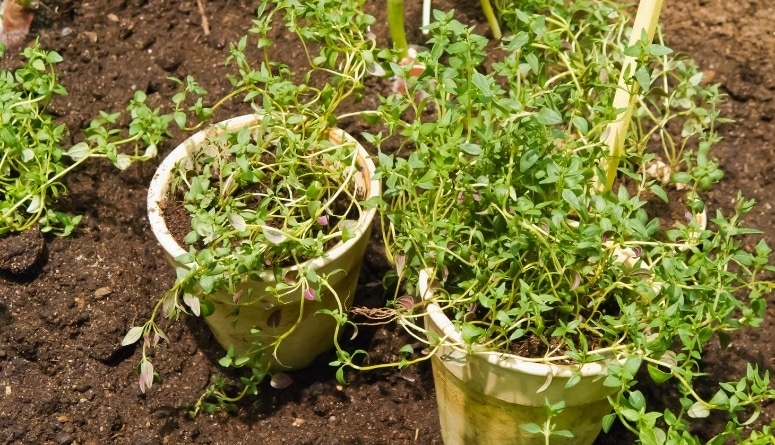
7. Thyme (Thymus vulgaris)
Thyme is both culinary and medicinal. It contains thymol, a natural antimicrobial compound that makes it effective for treating coughs, chest congestion, and gastric discomfort.
Thyme tea can relieve sore throats and promote respiratory health.
It prefers full sun and well-drained soil and is a great addition to herb spirals or container gardens.
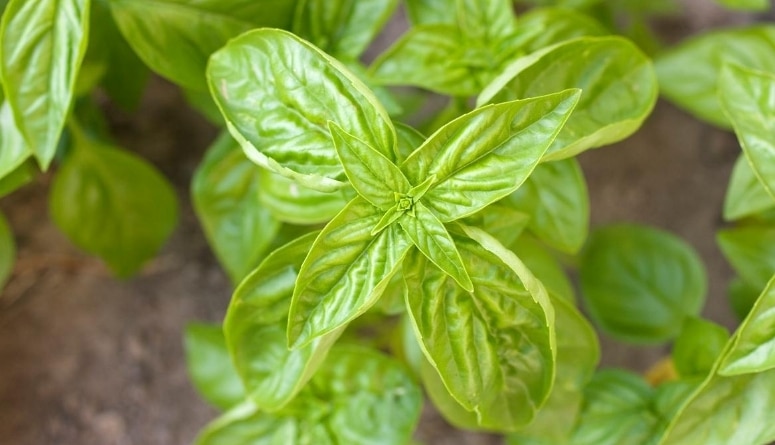
8. Basil (Ocimum basilicum)
While commonly used in cooking, basil also offers impressive healing properties. It’s known to support digestion, reduce inflammation, and fight bacterial infections.
Basil leaves are often used to treat cuts, lack of appetite, gas, and stomach cramps.
This warm-weather herb thrives in full sun and moist, fertile soil. Regular harvesting encourages bushy growth.
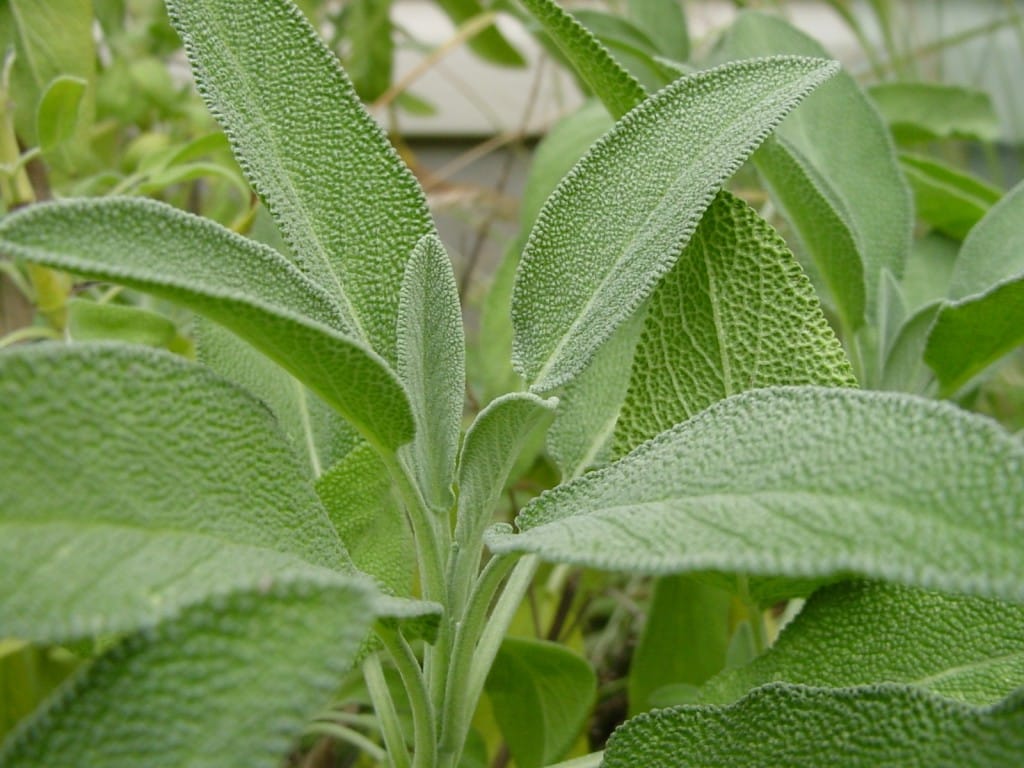
9. Sage (Salvia officinalis)
Sage has a long history of medicinal use. Internally, it’s used to treat digestive issues, excessive sweating, anxiety, menopausal symptoms, and infertility.
Externally, sage is applied to skin infections, throat pain, gum infections, and mouth sores.
Grow sage in full sun with well-draining soil. It is drought-resistant and easy to maintain.
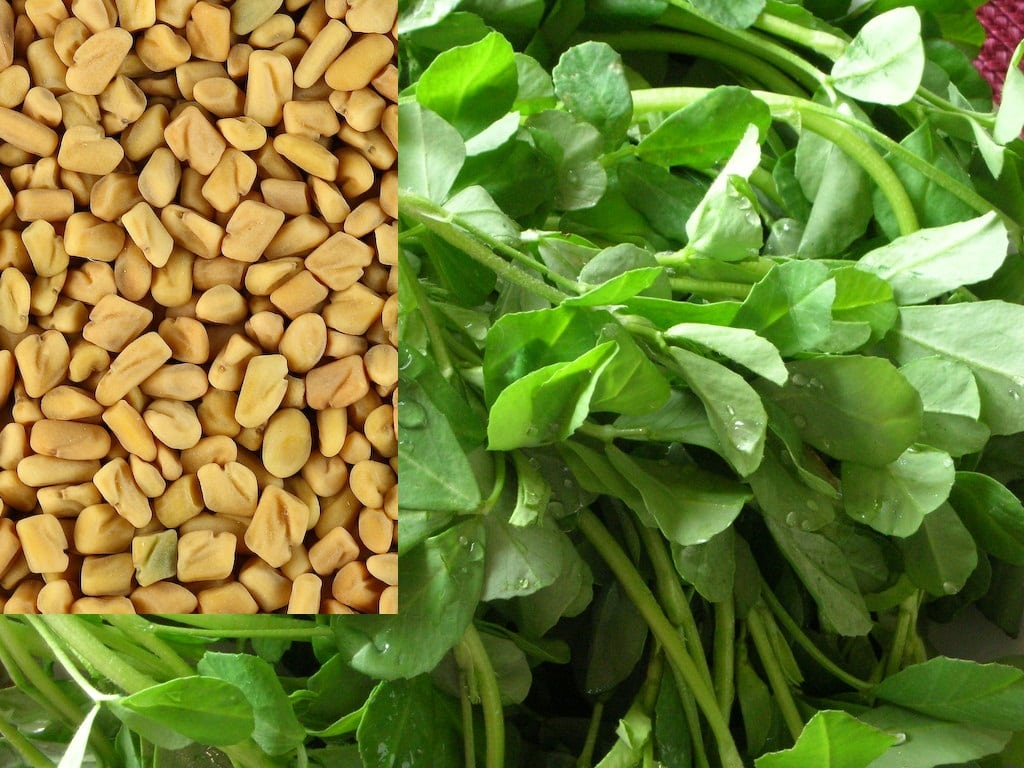
10. Fenugreek Seeds (Trigonella foenum-graecum)
Fenugreek seeds are packed with health benefits. They’re used to treat digestion problems, inflammation, low appetite, painful menstruation, and insufficient lactation.
They can also lower blood sugar and cholesterol levels.
Fenugreek prefers full sun and well-drained soil. The seeds can be sprouted or soaked and used in teas or cooking.
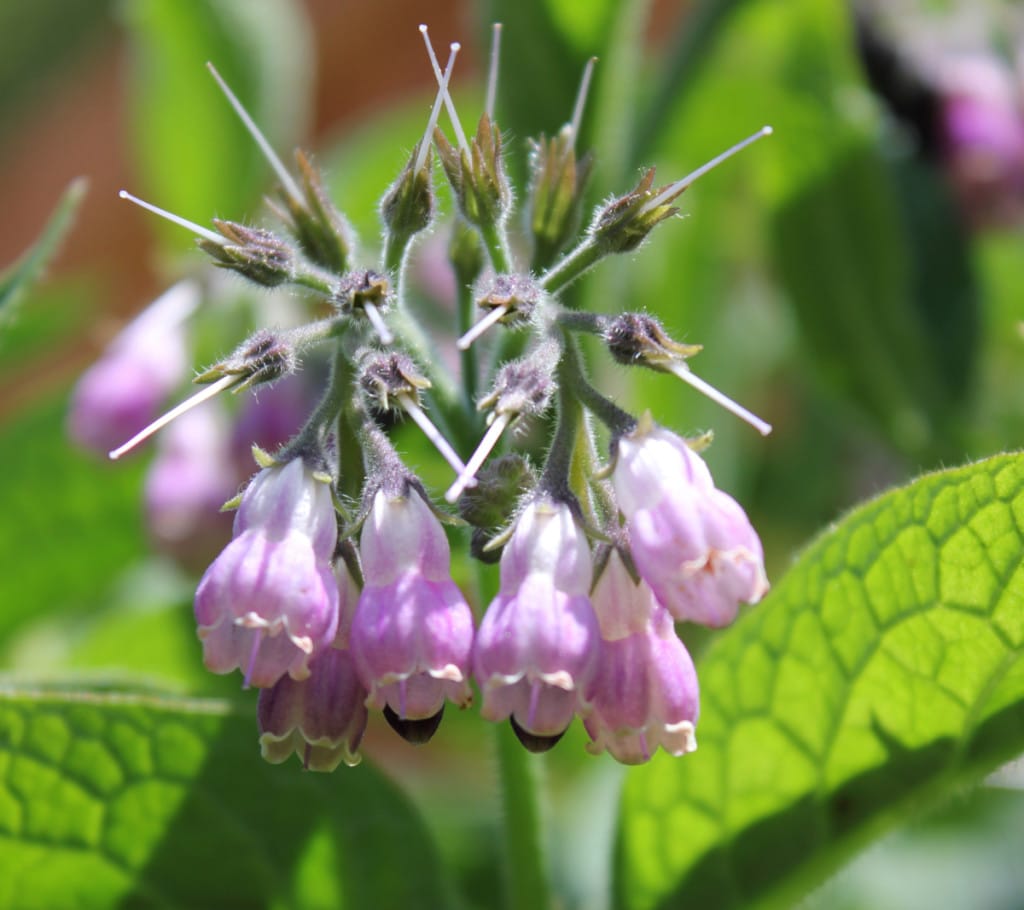
11. Comfrey (Symphytum officinale)
Comfrey contains allantoin, a compound that promotes cell regeneration. It’s used externally for bone fractures, sprains, bruises, burns, acne, and ulcers.
Its nickname “knitbone” hints at its traditional use for healing wounds and tissues.
Use comfrey leaves to make compresses or poultices. It grows best in moist, rich soil and partial shade.
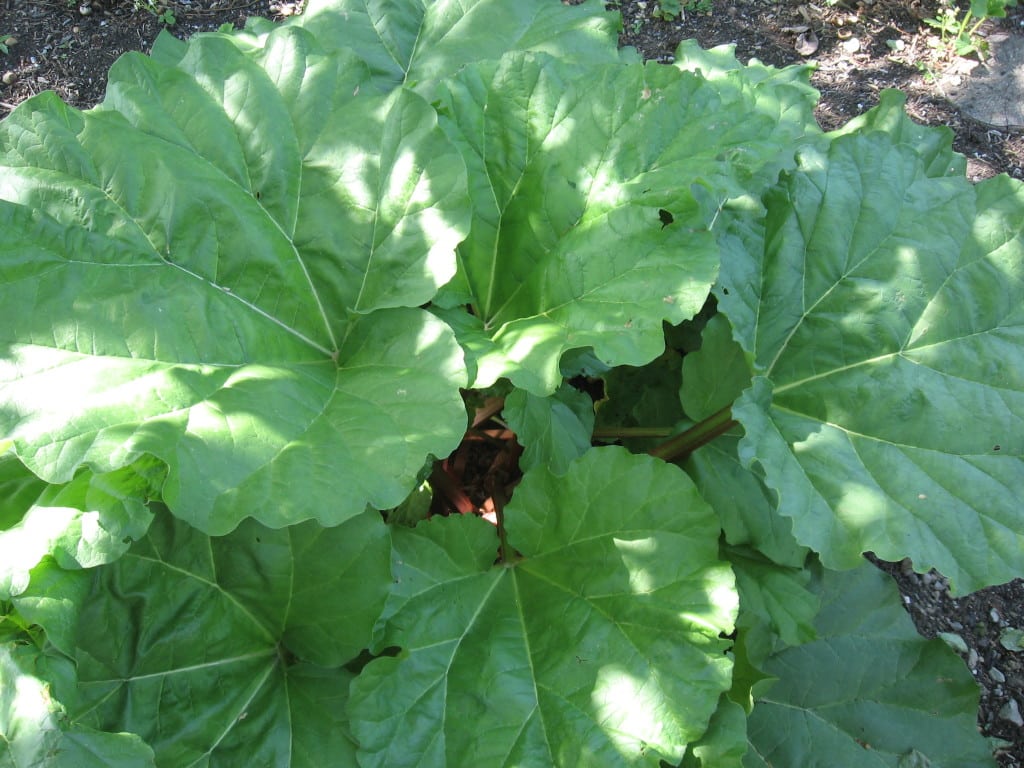
12. Turkey Rhubarb (Rheum palmatum)
Turkey rhubarb is a strong laxative herb that also supports liver and digestive health. Used in moderation, it treats constipation, diarrhea, hemorrhoids, and bladder problems. It’s commonly prepared as a detoxifying tea.
This plant prefers full sun and loose, well-drained soil. It can grow quite large, so give it space if planting outdoors.
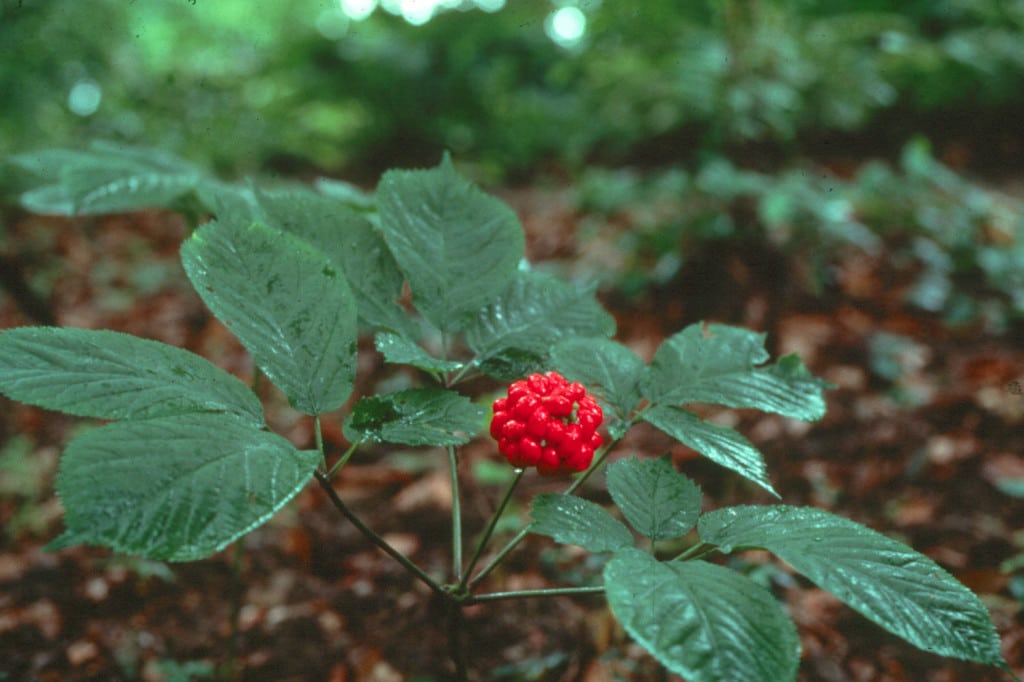
13. Ginseng (Panax ginseng)
Ginseng is a revered adaptogenic herb that helps the body cope with stress.
It enhances mental clarity, energy levels, and immune function. It’s also believed to slow aging and improve endurance.
Ginseng grows best in shaded areas with rich, moist soil and takes a few years to mature, but its root is incredibly valuable.
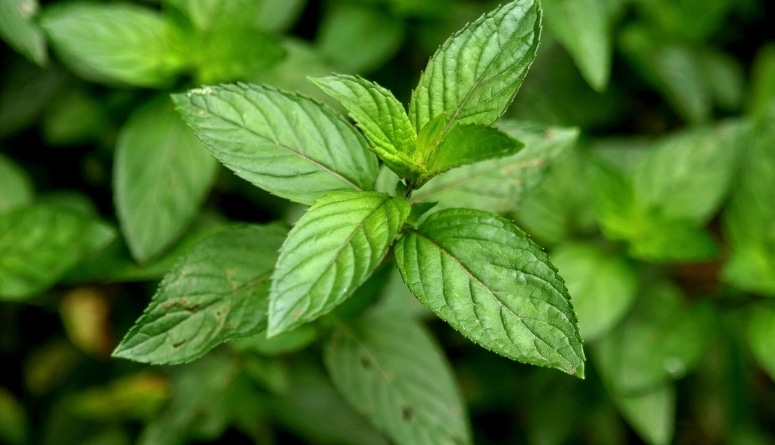
14. Peppermint (Mentha piperita)
Peppermint is a powerhouse herb for digestive health. It relieves gas, bloating, nausea, and IBS symptoms.
It also has a cooling effect that helps reduce fever, and its tea can ease headaches and muscle pain.
Grow peppermint in containers to control its vigorous spread. It prefers partial sun and moist soil.
15. Chamomile (Matricaria chamomilla)
Chamomile is famous for its calming properties. It’s widely used to ease stress, anxiety, and insomnia, and can also relieve toothaches, earaches, and muscle pain. The flowers are used in teas and compresses.
Chamomile grows well in full sun and light, sandy soil. Harvest the flowers as they bloom for drying and steeping.
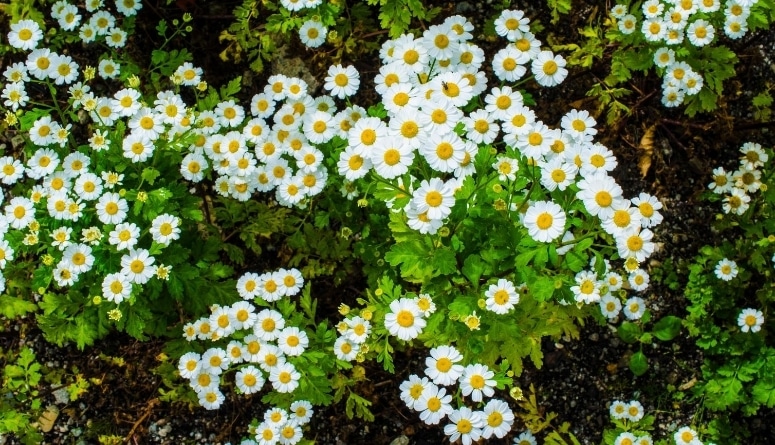
Growing your own medicinal herb garden is not only empowering—it’s healing in itself.
With just a little space and care, you can cultivate plants that help you manage everything from headaches and burns to stress, infections, and digestive issues.
Always consult with a healthcare provider before using herbs medicinally, especially if you’re pregnant, nursing, or taking medications.