Garden paths are more than just a way to get from point A to point B—they’re an essential element that brings structure, style, and flow to your landscape.
A well-designed garden path invites you to explore your outdoor space, offers safe and stable footing, and creates visual connections between your home, garden beds, patios, and other focal points.
Whether you have a sprawling yard or a compact urban garden, paths help define your outdoor area, organize foot traffic, and enhance curb appeal.
The good news? You don’t need to hire a professional or invest a fortune to create a functional and beautiful walkway. There are countless DIY-friendly options that can be completed in a weekend and won’t strain your budget—or your back.
Here’s a guide to the most popular, practical, and easy-to-build garden path ideas using materials like gravel, mulch, bricks, and stepping stones.
Whether you’re going for rustic charm, modern elegance, or cottage-garden whimsy, there’s a garden path here for every taste and skill level.
Why Add a Garden Path?
Before jumping into the project ideas, it’s worth understanding the value a path brings to your garden:
Functionality
Paths prevent soil compaction, protect your grass and plant beds from foot traffic, and help direct visitors through your landscape in a clear, organized way.
Safety
Garden paths offer slip-resistant, flat surfaces that are much safer than muddy trails or wet grass—especially in rainy seasons or shaded areas.
Visual Appeal
They break up large expanses of lawn, frame flower beds, and guide the eye toward garden features like fountains, trellises, patios, or front porches.
Affordable Garden Path Materials (and How to Use Them)
1. Gravel or Crushed Stone
Cost: Low
Installation: Easy
Style: Natural, rustic, or contemporary depending on edging
Gravel paths are one of the most budget-friendly options and require minimal effort. Simply remove the top layer of grass or soil, add landscape fabric, then spread a layer of crushed stone or gravel. Edging with bricks, metal strips, or timber prevents the gravel from spilling into your lawn or beds.
Best for: Curved paths, cottage gardens, informal yards
2. Mulch Pathways
Cost: Very low
Installation: Very easy
Style: Rustic, woodsy, relaxed
If you want something ultra-simple and natural-looking, mulch is the way to go. Shredded bark or wood chips create a soft walking surface and blend beautifully with surrounding greenery.
Tip: Use landscape fabric underneath to prevent weed growth and add a border to keep mulch in place. Replenish mulch yearly.
Best for: Vegetable gardens, woodland areas, or around raised beds
3. Concrete Pavers or Stepping Stones
Cost: Moderate
Installation: Moderate (easy with sand or gravel base)
Style: Modern, clean, structured
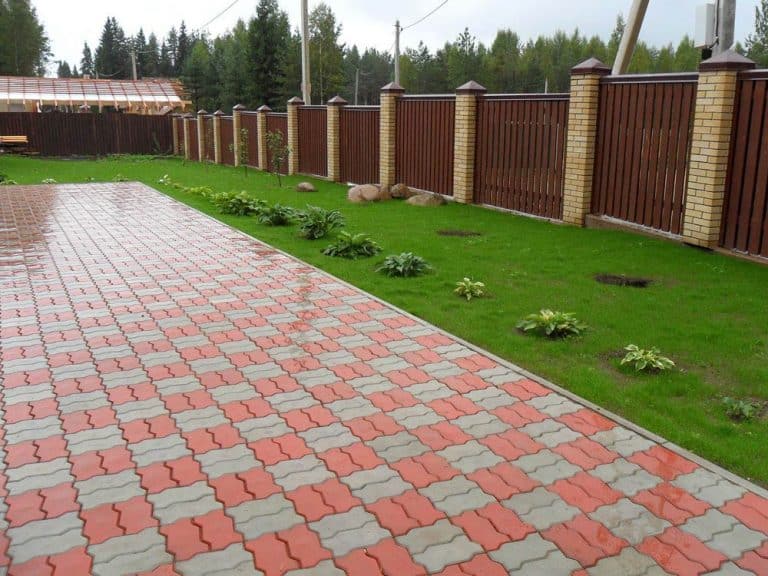
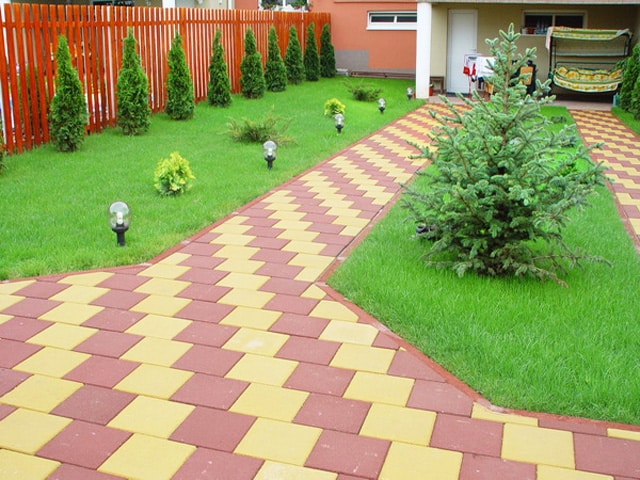
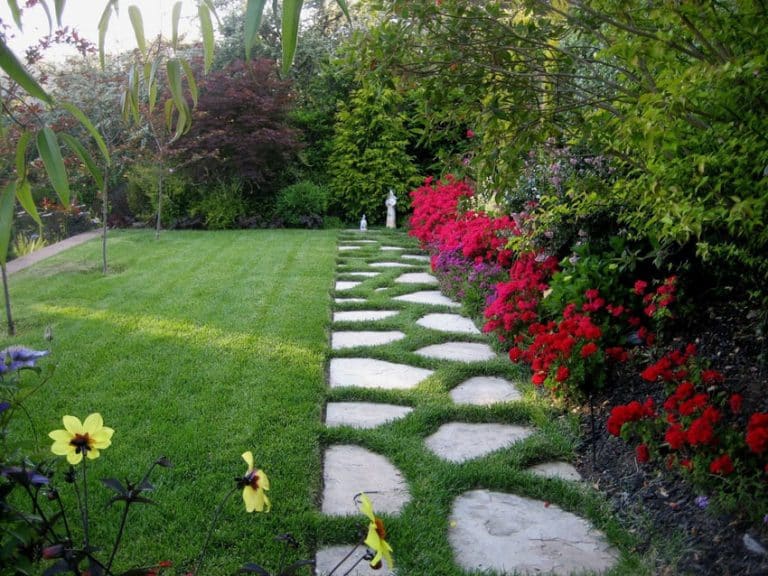
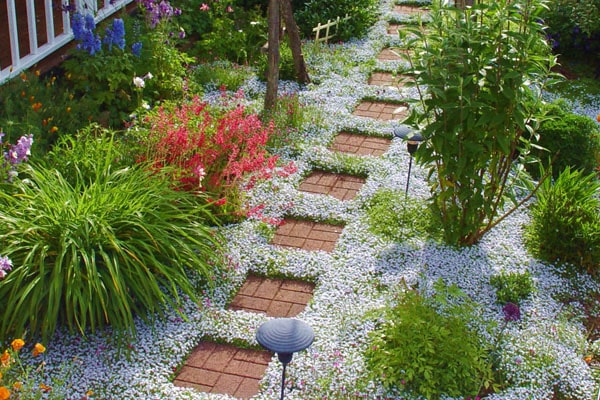
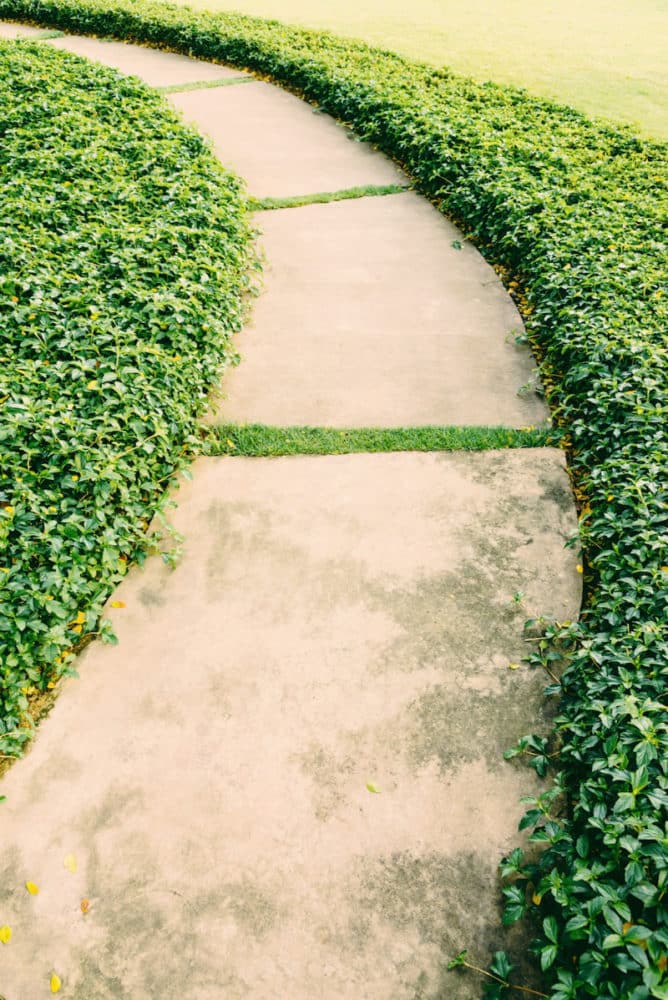
Precast concrete pavers and stepping stones come in various sizes, shapes, and colors. You can lay them in straight lines, staggered formations, or irregularly spaced to create visual rhythm. Spacing stones with grass or moss growing in between softens the hard edges.
Tip: Lay a base of compacted sand or crushed gravel before placing your pavers for a level, long-lasting surface.
Best for: Entryways, side yards, and front walkways
4. Brick Paths
Cost: Medium to high (depending on brick type)
Installation: Moderate
Style: Classic, colonial, timeless
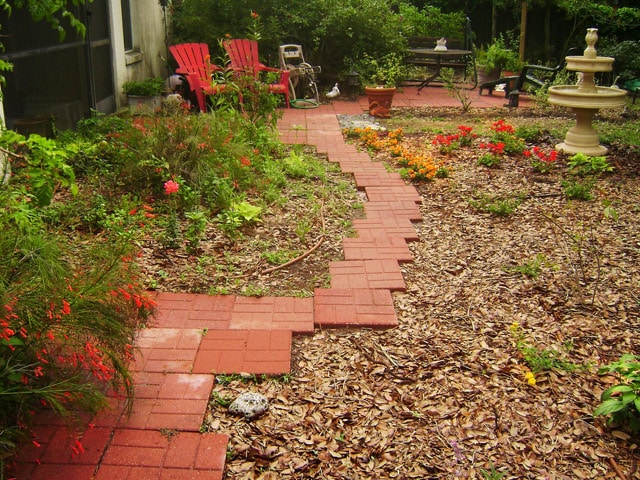
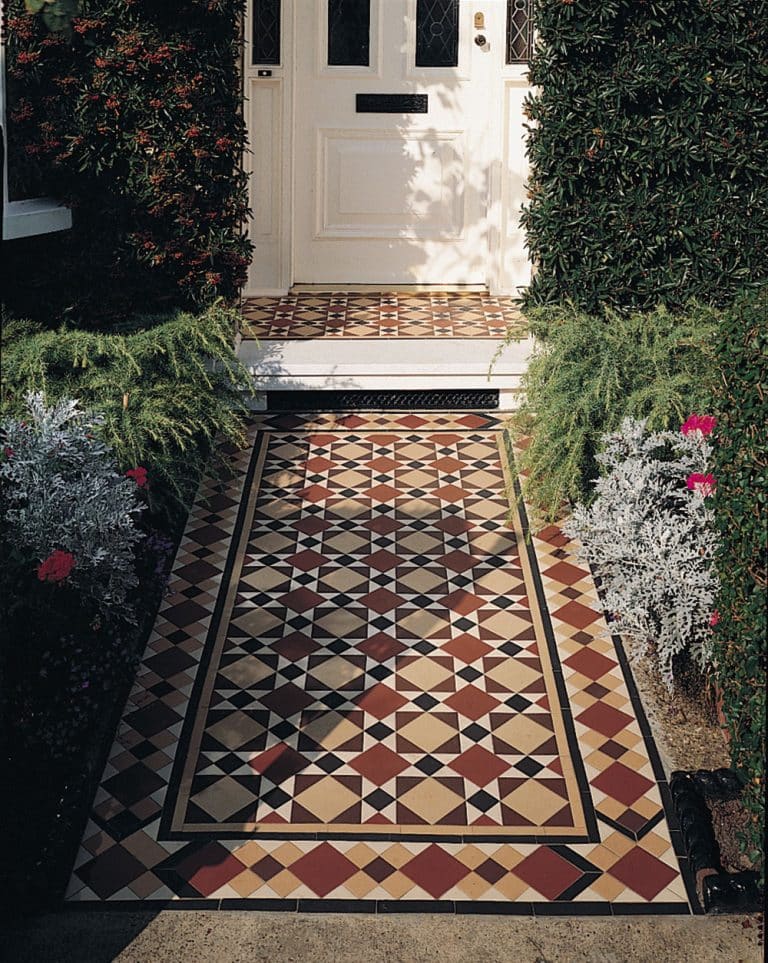
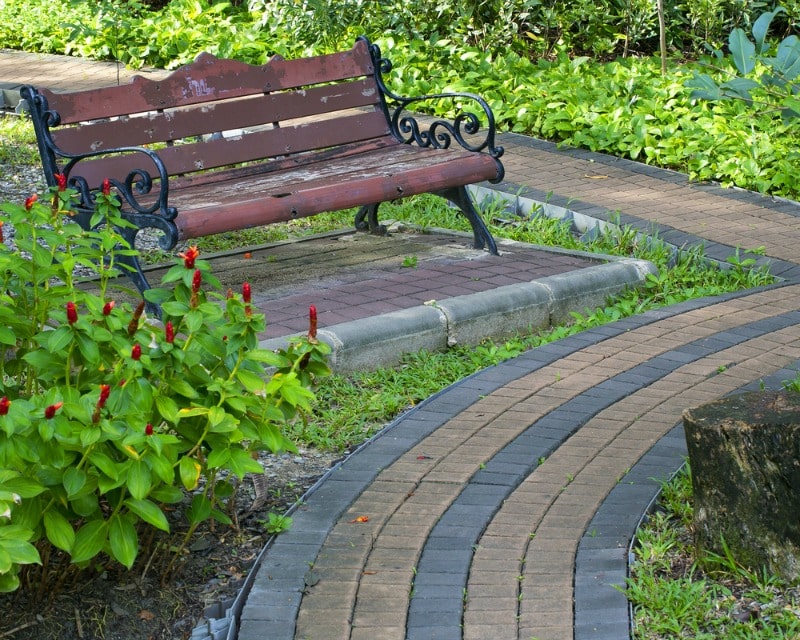
Reclaimed or new bricks offer warmth, texture, and a charming vintage feel. Lay them in patterns like herringbone, basket weave, or running bond for added visual interest. Bricks require a level surface and edging to maintain shape over time.
Best for: Traditional gardens, cottage-style landscapes, and connecting patios
5. Flagstone Paths
Cost: Medium to high
Installation: Moderate (can be DIY with heavy stones)
Style: Natural, organic, high-end
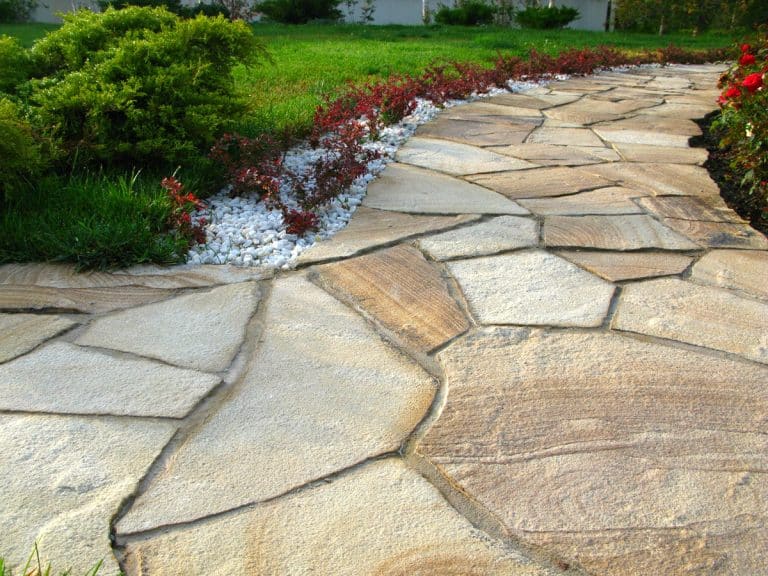
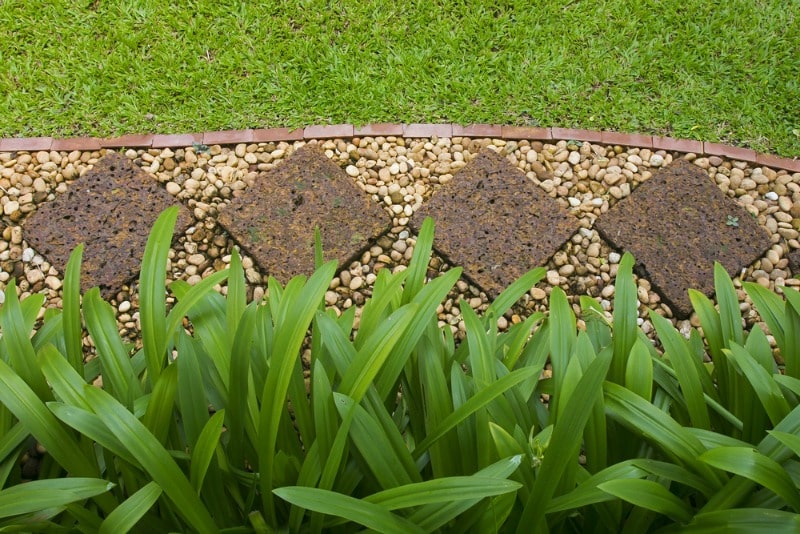
Flagstone slabs create an organic look that integrates seamlessly with lawns or garden beds. These large, flat stones are durable and weather-resistant, and their irregular shape allows for creative layouts.
Tip: Space stones with gaps filled with gravel, groundcover, or moss. For a more solid surface, install them on a bed of sand or mortar.
Best for: Formal gardens, Zen gardens, shaded walkways
6. Recycled Pallet Walkways
Cost: Free to low
Installation: Easy
Style: Rustic, DIY charm
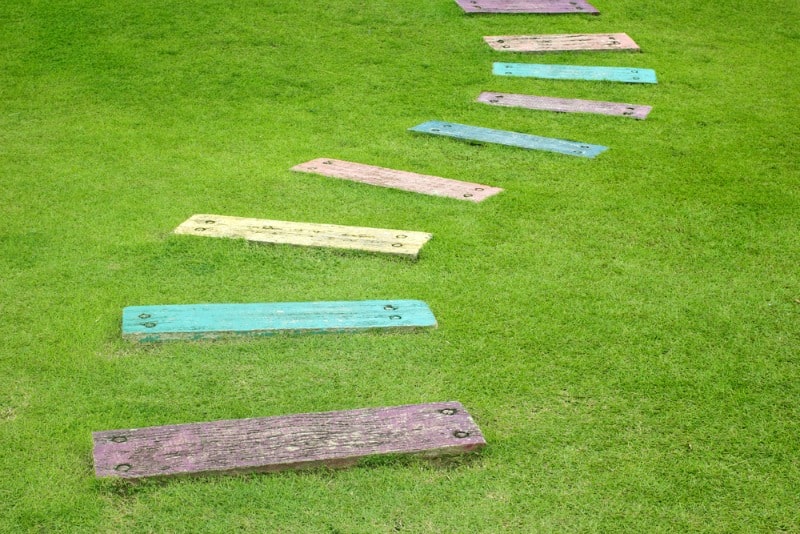
Wooden pallets can be disassembled and laid side-by-side or end-to-end to form a boardwalk-style garden path. Be sure to sand rough edges and treat the wood with a weatherproof sealant.
Tip: Use only heat-treated pallets (marked HT) to avoid chemicals.
Best for: Backyard vegetable gardens, raised bed pathways
7. Concrete Mold Path
Cost: Low to moderate
Installation: Moderate
Style: Decorative, custom
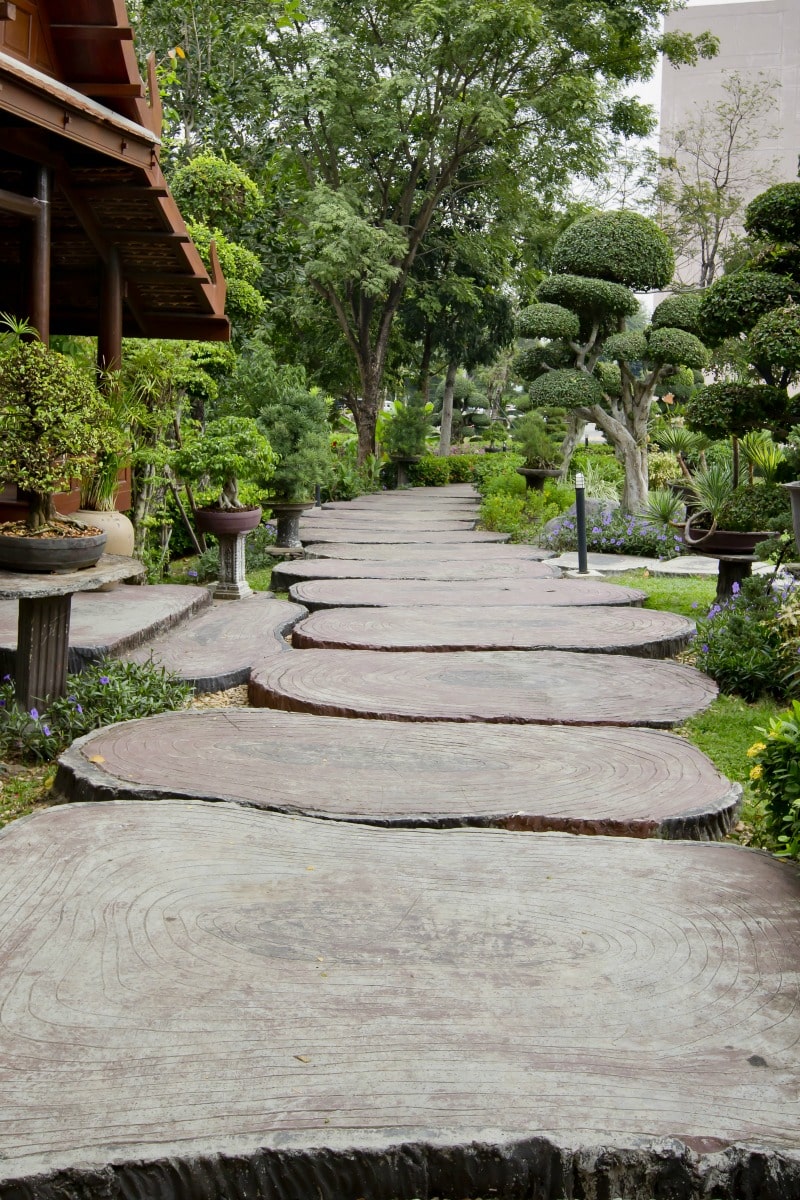
Reusable concrete molds allow you to pour your own patterned pathway using standard cement mix. Create the look of cobblestone or natural stone for a fraction of the price. This project is great for DIYers who want a polished look with custom flair.
Best for: Sidewalks, patios, or winding paths through flower beds
8. Pebble Mosaic Walkways
Cost: Medium
Installation: Moderate to challenging (but rewarding!)
Style: Artistic, Mediterranean, detailed
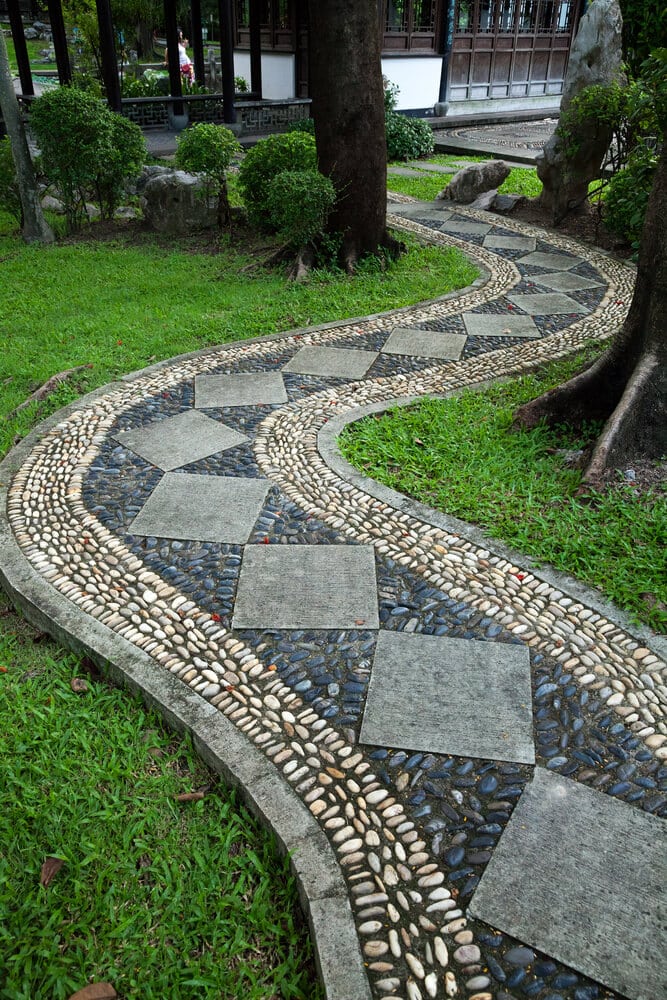
Arrange small pebbles or river stones into beautiful patterns—spirals, flowers, geometric shapes—and embed them in concrete or mortar. This labor-intensive path becomes a showpiece in your landscape.
Best for: Statement entryways, courtyards, or garden nooks
Tips for a Successful DIY Garden Path Project
-
Plan the layout first. Use string or a garden hose to outline the path’s shape before digging or laying materials.
-
Consider drainage. Ensure the path slopes slightly to prevent water pooling.
-
Mind the width. For one person, a path should be at least 18 inches wide. For two people walking side by side, aim for 36 inches or more.
-
Use edging. To keep your path clean and defined, install edging materials such as bricks, metal strips, or timber.
-
Add lighting. Solar-powered stake lights, lanterns, or LED strips enhance both safety and aesthetics, especially at night.
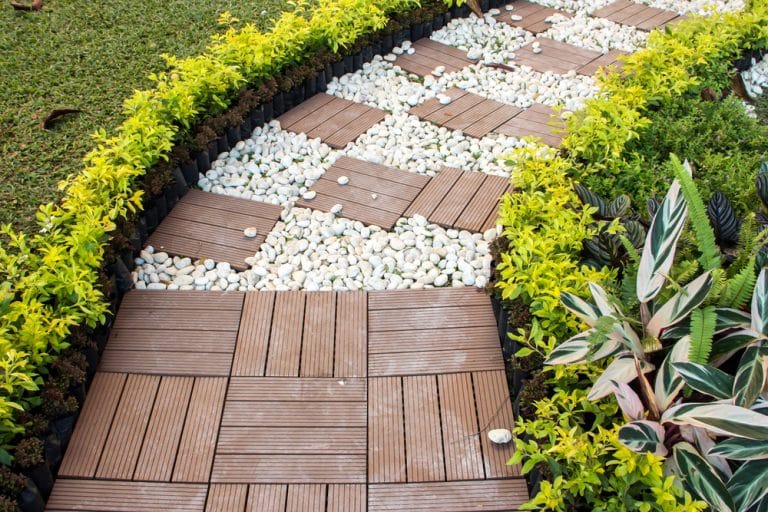
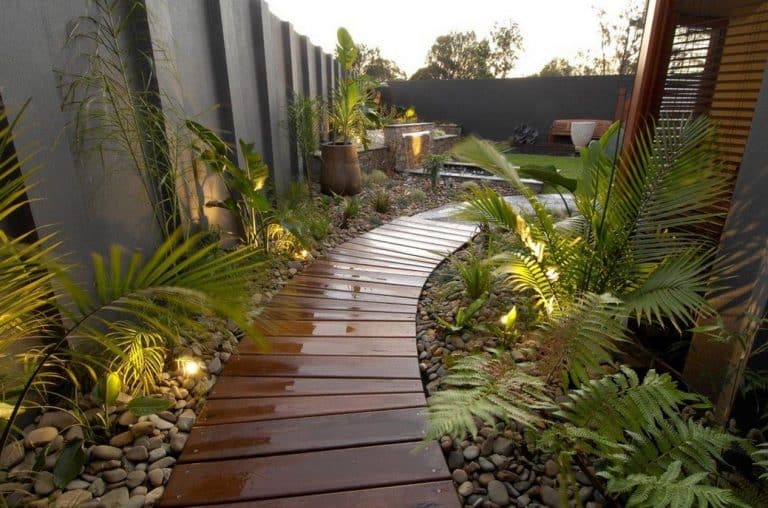
A garden path doesn’t have to be expensive or difficult to build.
Whether you choose natural mulch, elegant flagstone, rustic brick, or easy DIY pavers, a path can transform your landscape—making it more functional, organized, and visually cohesive.
With just a weekend of work and a little creativity, you can build a charming walkway that will last for years and bring a sense of order and beauty to your outdoor space.