Weeds are often considered a nuisance in the garden, but many common backyard weeds are actually edible and packed with nutrients.
These overlooked plants can offer a variety of health benefits, from boosting your immune system to providing essential vitamins and minerals.
Here are 15 edible backyard weeds with amazing health benefits that you can incorporate into your diet.
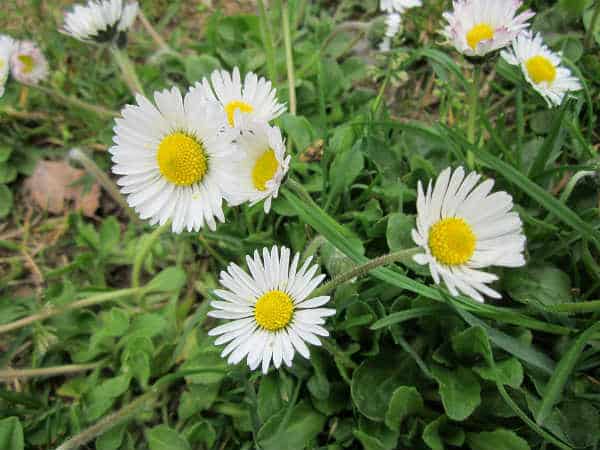
1. Daisies (Bellis perennis)
Health Benefits
Daisies are rich in vitamins A and C, and have anti-inflammatory and astringent properties. They are traditionally used to treat wounds and respiratory conditions.
How to Use:
- Flowers: Add to salads or use as a garnish.
- Tea: Brew flowers into a soothing tea.
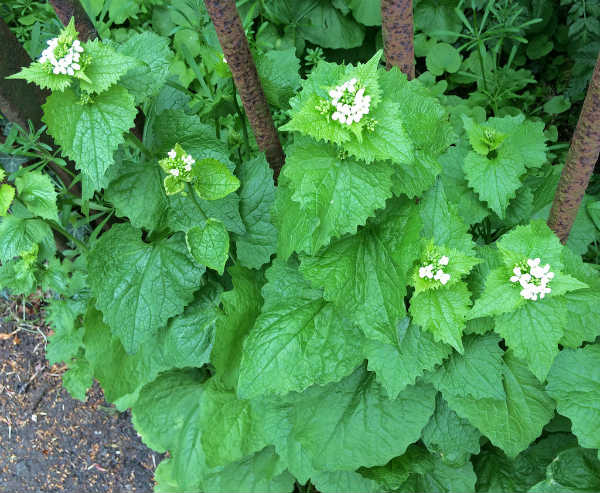
2. Garlic mustard (Alliaria petiolata)
Health Benefits
Garlic mustard is rich in vitamins A and C, and has antioxidant, antibacterial, and anti-inflammatory properties. It is known for its ability to improve digestive health.
How to Use:
- Leaves: Use in salads, pesto, or as a cooked green.
- Roots: Add to soups and stews for a mild garlic flavor.
3. Chickweed (Stellaria media)
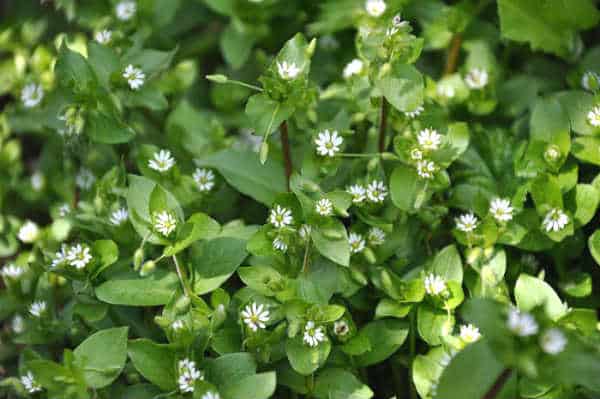
Health Benefits
Chickweed is high in vitamins A, C, and D, as well as iron, calcium, potassium, and zinc. It has anti-inflammatory properties and can help soothe skin conditions.
How to Use:
- Leaves and Stems: Add to salads, sandwiches, or smoothies.
- Tea: Brew fresh chickweed into a mild tea.
4. Dandelion (Taraxacum)
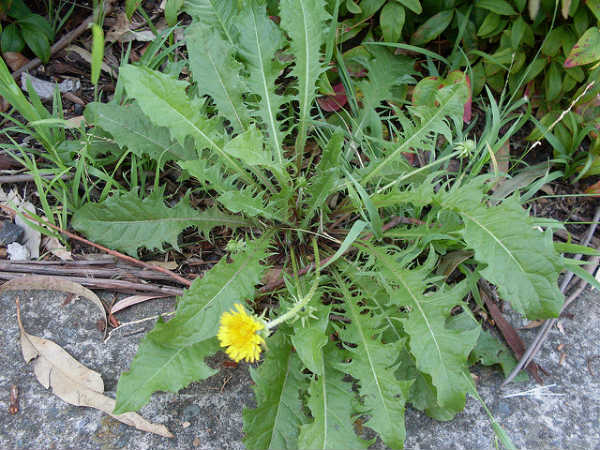
Health Benefits
Dandelions are rich in vitamins A, C, K, and E, as well as minerals like iron, calcium, magnesium, and potassium. They are known to aid digestion, support liver health, and act as a natural diuretic.
How to Use:
- Leaves: Use young leaves in salads or sauté them like spinach.
- Flowers: Make dandelion wine or add to salads.
- Roots: Roast the roots to make a caffeine-free coffee substitute.
5. Lamb’s quarters (Chenopodium album)
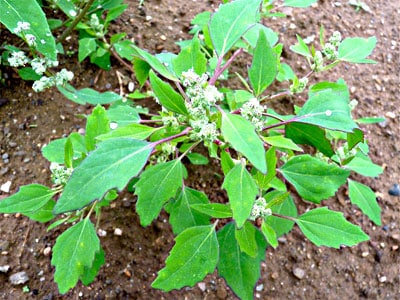
Health Benefits
Lamb’s quarters are high in vitamins A, C, and K, and minerals like calcium, magnesium, and potassium. They are also a good source of protein and fiber.
How to Use:
- Leaves: Use in salads, soups, or as a cooked green.
- Seeds: Toast and add to dishes for a nutty flavor.
6. Plantain (Plantago major)
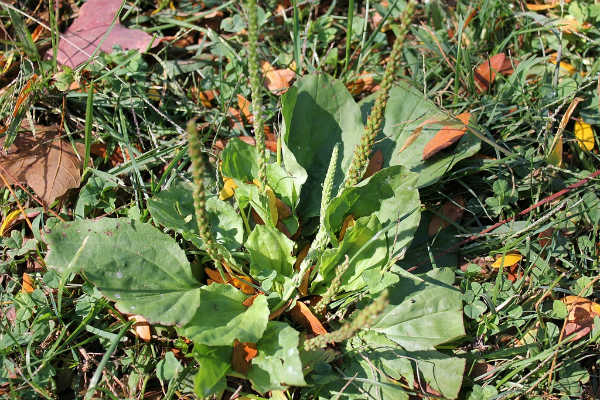
Health Benefits
Plantain leaves are rich in vitamins A, C, and K, and minerals like calcium and iron. They have anti-inflammatory, antibacterial, and wound-healing properties.
How to Use:
- Leaves: Use in salads or as a cooked green.
- Poultice: Crush fresh leaves to apply on insect bites or skin irritations.
7. Wild violets (Viola)

Health Benefits
Violets are high in vitamins A and C, and have anti-inflammatory, expectorant, and diuretic properties. They can help with respiratory issues and skin conditions.
How to Use:
- Flowers and Leaves: Add to salads, desserts, or teas.
- Syrup: Make violet syrup for use in drinks and desserts.
8. Chicory (Cichorium intybus)
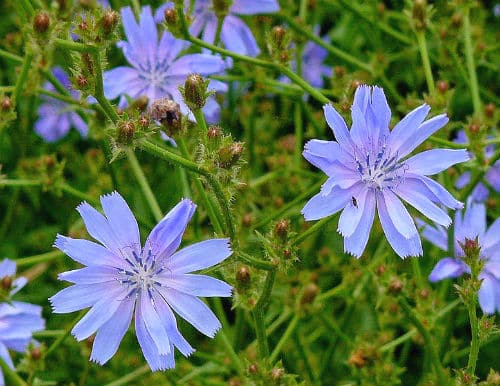
Health Benefits
Chicory is rich in vitamins A, C, and K, and has antioxidant, anti-inflammatory, and digestive properties. It is known for its ability to improve liver and gallbladder function.
How to Use:
- Leaves: Use in salads or as a cooked green.
- Roots: Roast and grind the roots as a coffee substitute.
9. Red clover (Trifolium pratense)
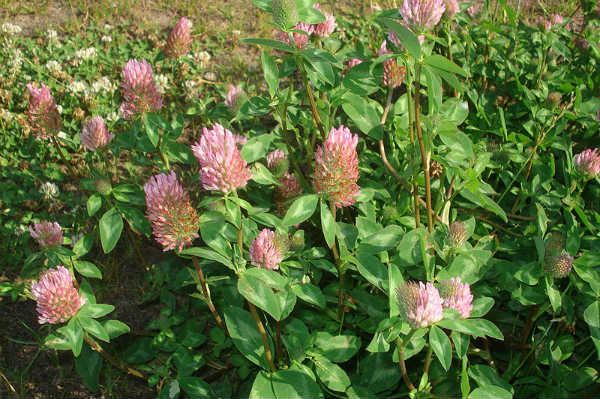
Health Benefits
Red clover is high in vitamins C and B, and minerals like calcium, magnesium, and potassium. It is known for its anti-inflammatory, antioxidant, and hormone-balancing properties.
How to Use:
- Flowers: Add to salads, teas, or baked goods.
- Tea: Brew dried flowers into a calming tea.
10. Stinging nettle (Urtica dioica)
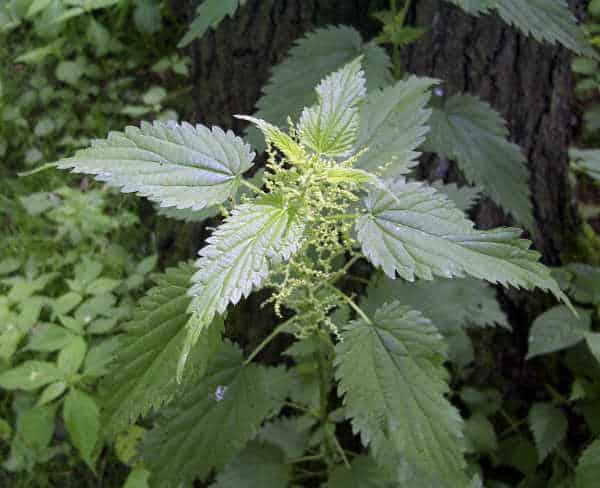
Health Benefits
Nettles are rich in vitamins A, C, K, and B, as well as minerals like iron, calcium, magnesium, and potassium. They have anti-inflammatory, diuretic, and antioxidant properties.
How to Use:
- Leaves: Cook in soups, stews, or teas to neutralize the sting.
- Tea: Brew dried nettle leaves into a nutritious tea.
11. Wood sorrel (Rumex acetosella)
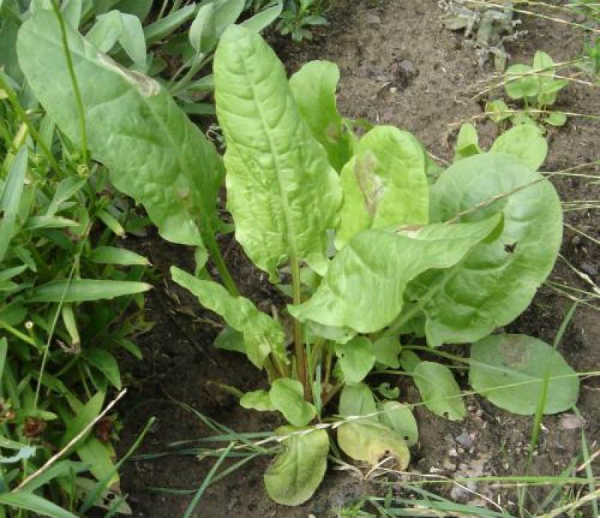
Health Benefits
Wood sorrel is high in vitamin C and has antioxidant and anti-inflammatory properties. It can help boost the immune system and improve digestion.
How to Use:
- Leaves: Add to salads, soups, or use as a garnish.
- Tea: Brew fresh leaves into a tangy tea.
12. Purslane (Portulaca oleracea)
Health Benefits
Purslane is an excellent source of omega-3 fatty acids, vitamins A, C, and E, and minerals like magnesium, potassium, and iron. It has antioxidant and anti-inflammatory properties.
How to Use:
- Leaves and Stems: Add to salads, soups, or stir-fries.
- Smoothies: Blend fresh leaves into green smoothies.
13. Shepherd’s Purse (Capsella bursa-pastoris)
Health Benefits
Shepherd’s purse is rich in vitamins A, C, and K, and has anti-inflammatory and astringent properties. It is traditionally used to stop bleeding and treat wounds.
How to Use:
- Leaves: Use in salads or as a cooked green.
- Tea: Brew leaves into a medicinal tea.
14. Mallow (Malva neglecta)
Health Benefits
Mallow is high in vitamins A and C, and has anti-inflammatory, demulcent, and soothing properties. It is used to treat respiratory and digestive issues.
How to Use:
- Leaves and Flowers: Add to salads, soups, or teas.
- Tea: Brew fresh or dried mallow into a soothing tea.
15. Cleavers (Galium aparine)
Health Benefits
Cleavers are rich in vitamins C and K, and have diuretic, lymphatic, and anti-inflammatory properties. They are used to cleanse the lymphatic system and support kidney function.
How to Use:
- Leaves and Stems: Use in salads, soups, or smoothies.
- Tea: Brew fresh or dried cleavers into a detoxifying tea.
Many common backyard weeds are not only edible but also packed with nutrients and health benefits.
By recognizing and incorporating these wild plants into your diet, you can enjoy their medicinal properties and add variety to your meals.
Remember to always properly identify weeds before consuming them, and consider consulting a knowledgeable forager or botanist if you are unsure.