We’re constantly reminded to eat more nutrient-rich foods, yet many of us consume more calories while still lacking essential vitamins, minerals, and antioxidants.
The key to optimizing health and managing weight is to focus on foods that are packed with nutrients but low in calories.
In this article, we’ll explore 14 incredibly nutritious foods that offer maximum health benefits without excessive calories, allowing you to nourish your body while maintaining a healthy diet.
Why Choose Nutrient-Dense, Low-Calorie Foods?
These foods are beneficial because they:
- Help with weight management by reducing calorie intake.
- Provide essential vitamins and minerals for overall health.
- Boost metabolism and digestion with fiber and antioxidants.
- Support heart and immune health with anti-inflammatory properties.
- Keep you full longer due to their high fiber and water content.
Let’s dive into some of the best foods to add to your diet!
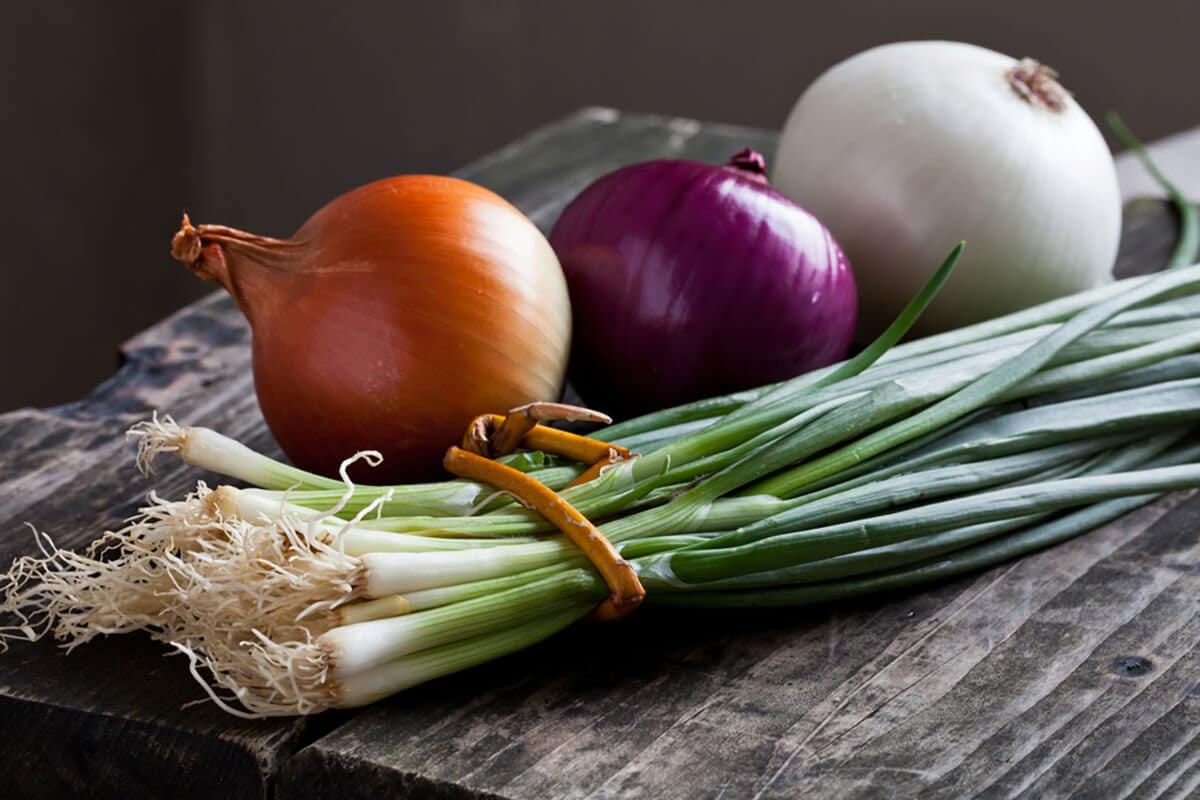
1. Onions (40 Calories per 100g)
Onions are rich in flavonoids, which have strong antioxidant and anti-inflammatory properties. They enhance heart health by reducing bad cholesterol levels and improving blood circulation.
Onions also contain prebiotics, which help promote healthy gut bacteria.
How to Use: Add onions to salads, stir-fries, soups, or as a base for flavorful sauces.
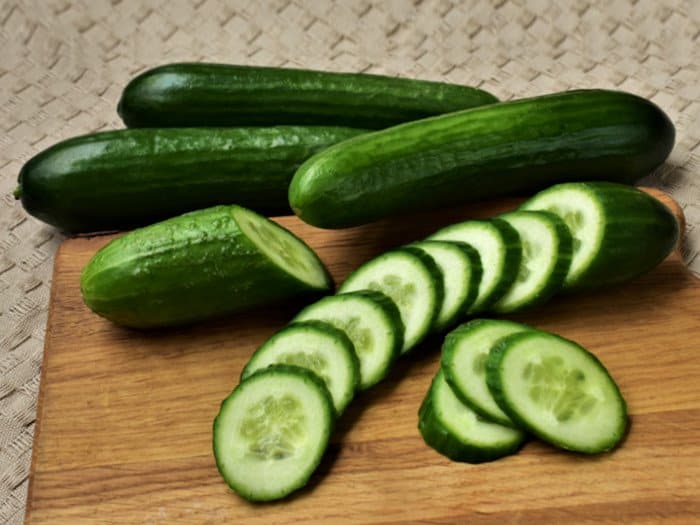
2. Cucumbers (16 Calories per 100g)
Cucumbers are packed with water, helping to keep the body hydrated and support digestion.
They contain vitamin K and antioxidants that help reduce inflammation. The high water content makes them an excellent weight-loss-friendly snack.
How to Use: Slice cucumbers for salads, sandwiches, detox water, or dip them in hummus.
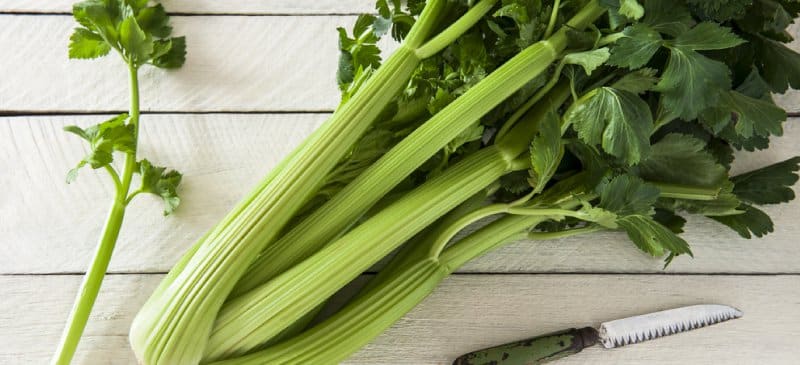
3. Celery (16 Calories per 100g)
Celery is mostly water, making it a classic zero-calorie food that helps flush toxins from the body.
It contains vitamins A, K, and C, which boost immune function and bone health. Its natural diuretic properties help reduce bloating and support kidney function.
How to Use: Eat raw with dips, juice it, or add it to soups and stews.
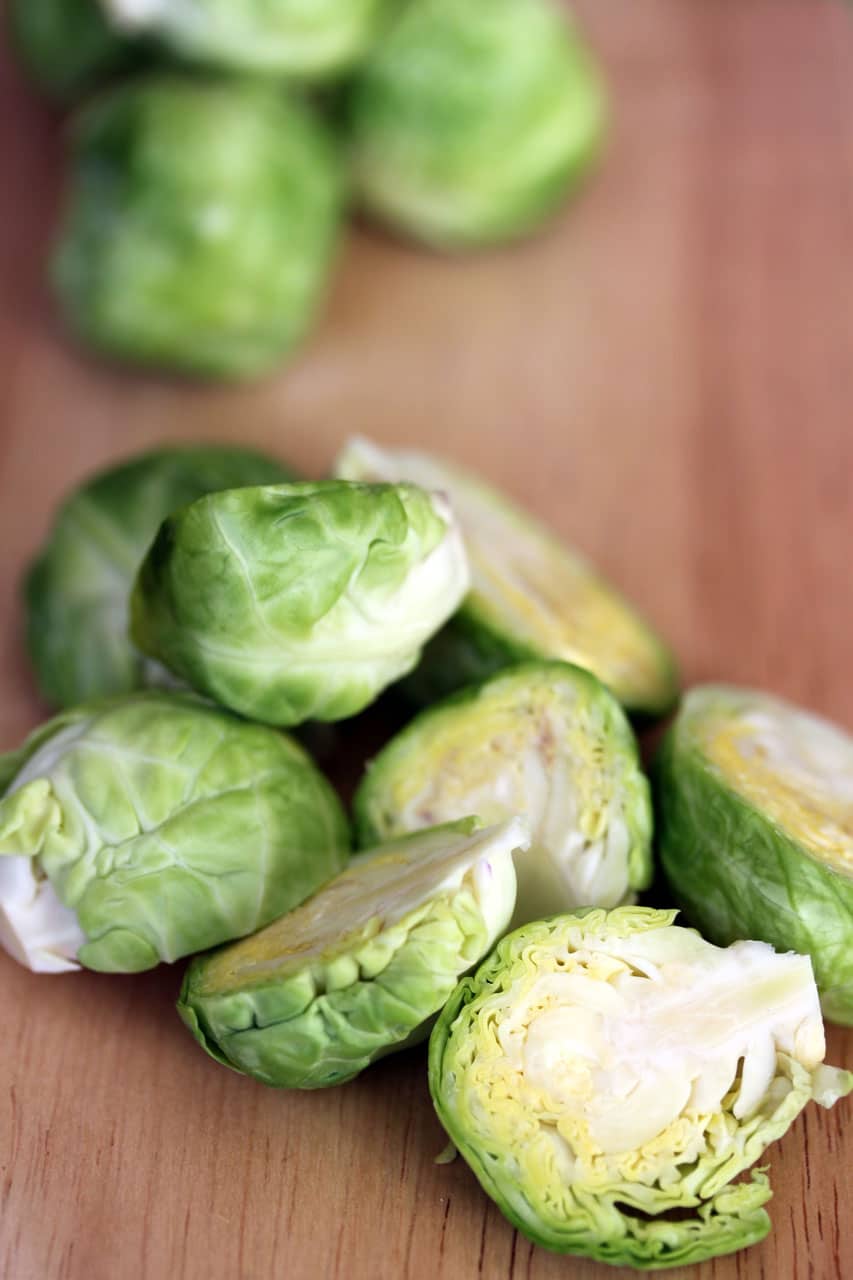
4. Brussels Sprouts (43 Calories per 100g)
Brussels sprouts are high in fiber, which aids in digestion and weight control. They contain glucosinolates, which support detoxification and cancer prevention.
Rich in vitamins C and K, they help boost immunity and bone health.
How to Use: Roast with olive oil, toss into stir-fries, or steam them for a nutritious side dish.
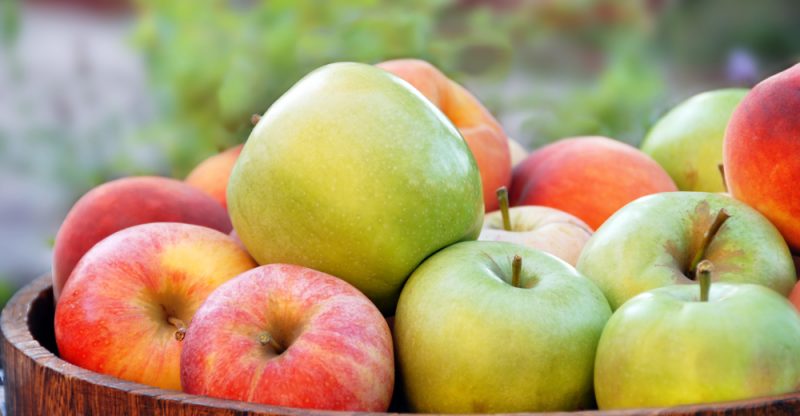
5. Apples (52 Calories per 100g)
Apples are rich in fiber and pectin, which promote gut health and digestion. They contain polyphenols, which support heart health and blood sugar regulation.
Apples provide natural sweetness without added sugars, making them a great snack.
How to Use: Eat fresh, slice into oatmeal, or blend into smoothies.
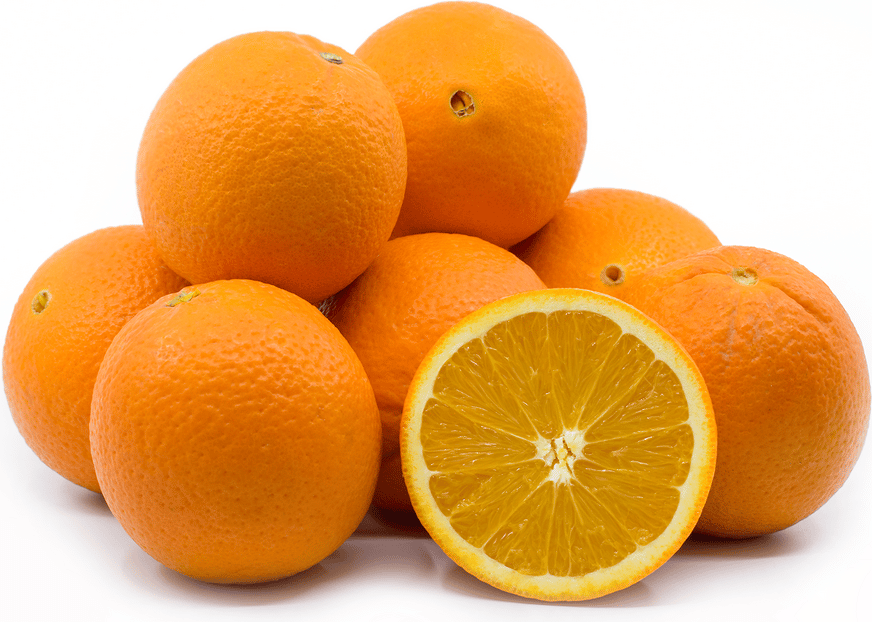
6. Oranges (47 Calories per 100g)
Oranges are packed with vitamin C, which strengthens the immune system and skin health. They contain antioxidants that help fight inflammation and reduce oxidative stress.
High water and fiber content keep you feeling full and hydrated.
How to Use: Eat fresh, squeeze into juice, or add zest to dishes for extra flavor.
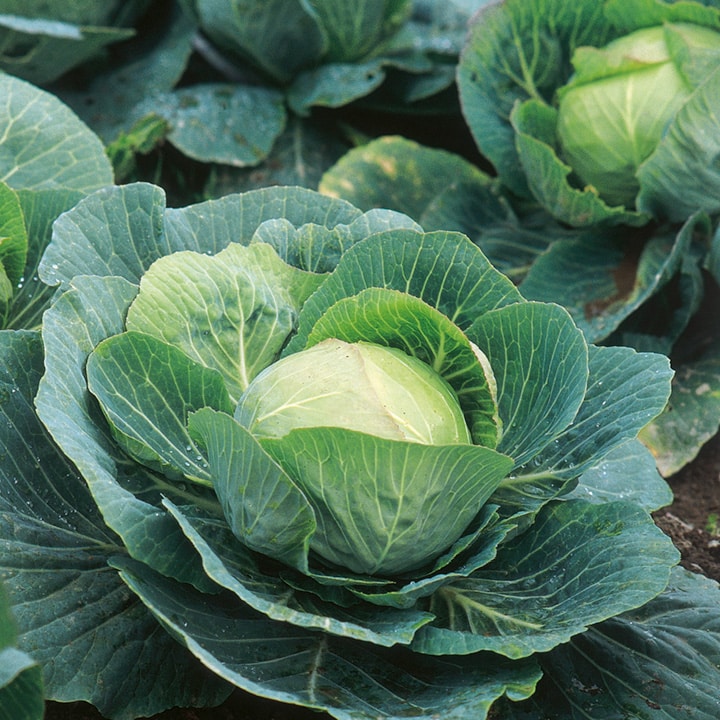
7. Cabbage (25 Calories per 100g)
Cabbage is a low-calorie powerhouse that aids in weight loss and digestion. Rich in sulforaphane, it supports detoxification and reduces inflammation.
It helps regulate blood sugar levels, making it great for diabetics.
How to Use: Add to coleslaw, soups, stir-fries, or fermented as sauerkraut.
8. Zucchini (17 Calories per 100g)
Zucchini is low in carbs and makes a great alternative to pasta (zoodles!).
It contains antioxidants and fiber, which help reduce inflammation and support gut health. The high water content helps keep the body hydrated.
How to Use: Spiralize into noodles, sauté in stir-fries, or add to soups.

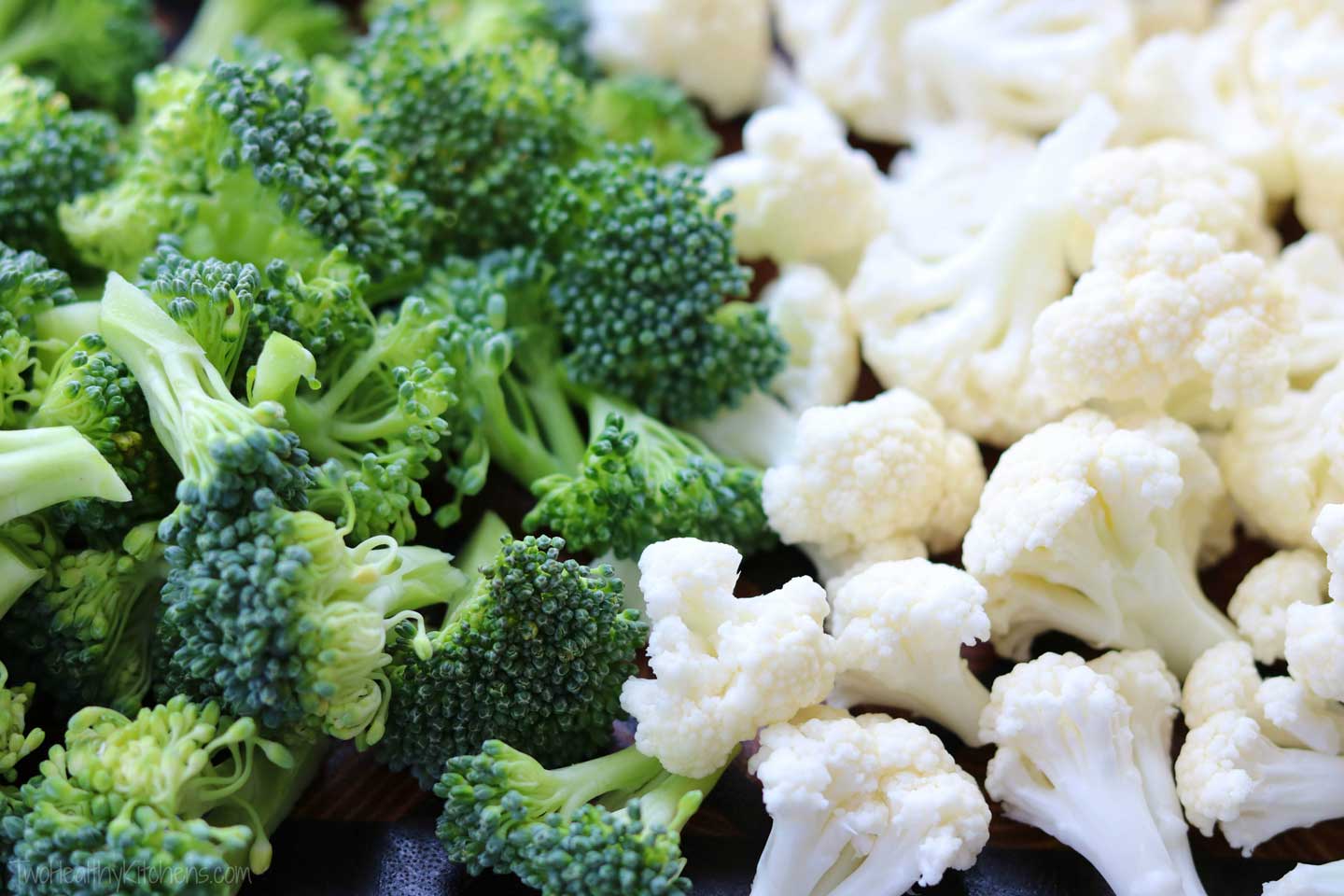
9. Cauliflower (25 Calories per 100g)
Cauliflower is rich in fiber and choline, which supports brain function. Contains antioxidants that help reduce inflammation and support heart health.
It can be used as a low-carb substitute for rice, pizza crust, or mashed potatoes.
How to Use: Roast, mash, or blend into soups and sauces.
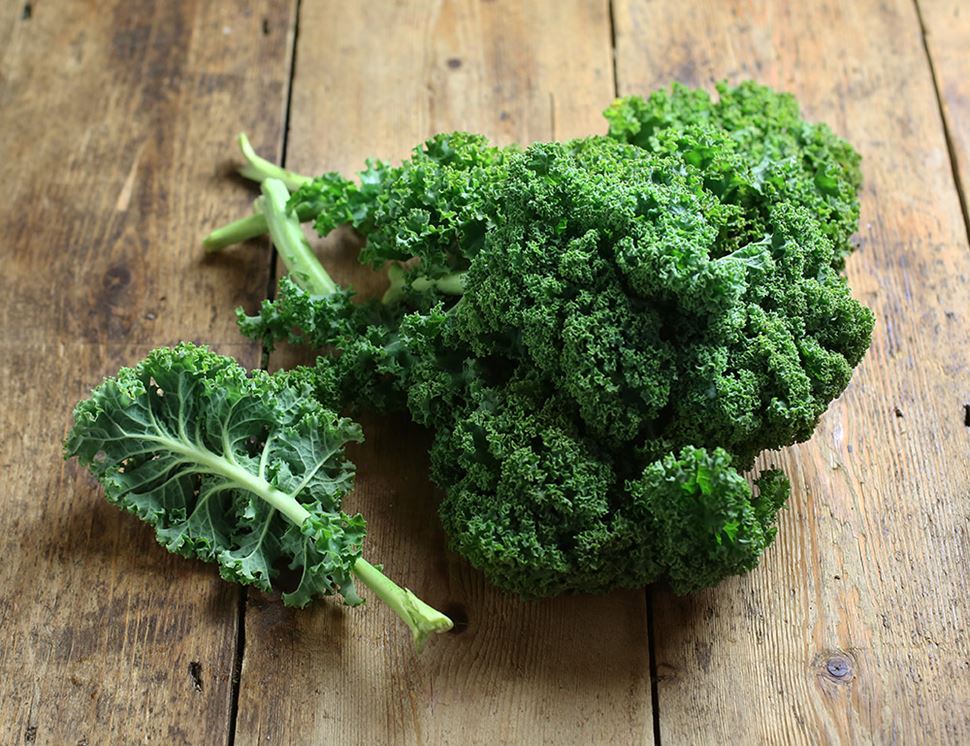
10. Kale (49 Calories per 100g)
Kale is one of the most nutrient-dense foods on the planet. Packed with vitamins A, C, K, and antioxidants, it boosts immune and heart health.
Contains plant-based calcium, which supports bone strength.
How to Use: Blend into smoothies, add to salads, or bake into kale chips.
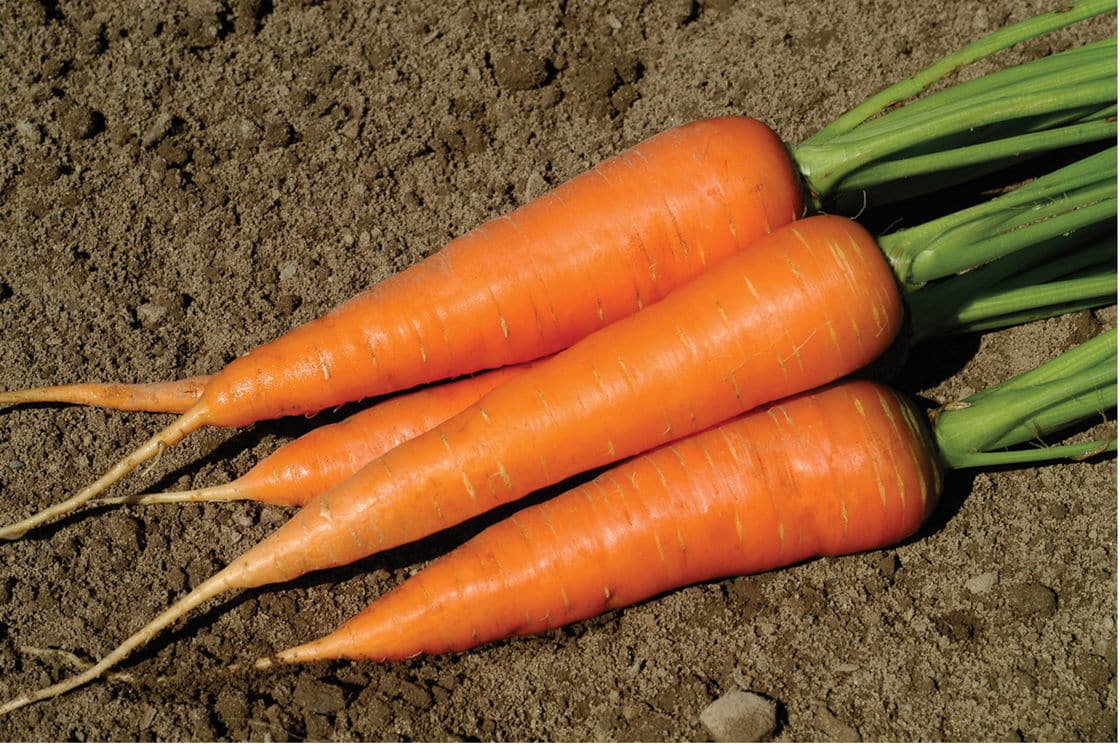
11. Carrots (41 Calories per 100g)
Carrots are rich in beta-carotene, which protects vision and supports skin health. Their natural sweetness makes them a great snack or ingredient in juices.
The fiber content supports digestion and weight management.
How to Use: Eat raw with hummus, roast them, or add to soups.
12. Broccoli (34 Calories per 100g)
Broccoli is high in fiber and protein, making it one of the most nutritious low-calorie foods. Rich in sulforaphane, it supports cancer prevention and detoxification.
Contains vitamins C and K, which boost immune and bone health.
How to Use: Steam, roast, or blend into soups and smoothies.
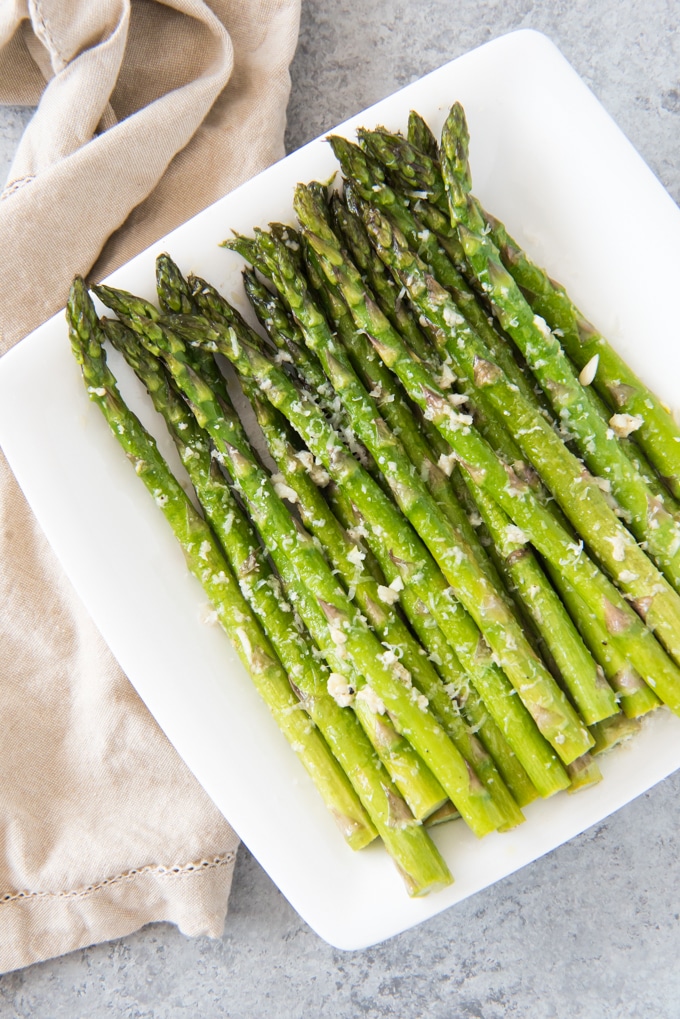
13. Asparagus (20 Calories per 100g)
Asparagus is a natural diuretic, helping reduce bloating and excess water retention.
High in folate, it supports brain function and pregnancy health. Contains prebiotics that help support gut health.
How to Use: Grill, roast, or add to omelets and salads.
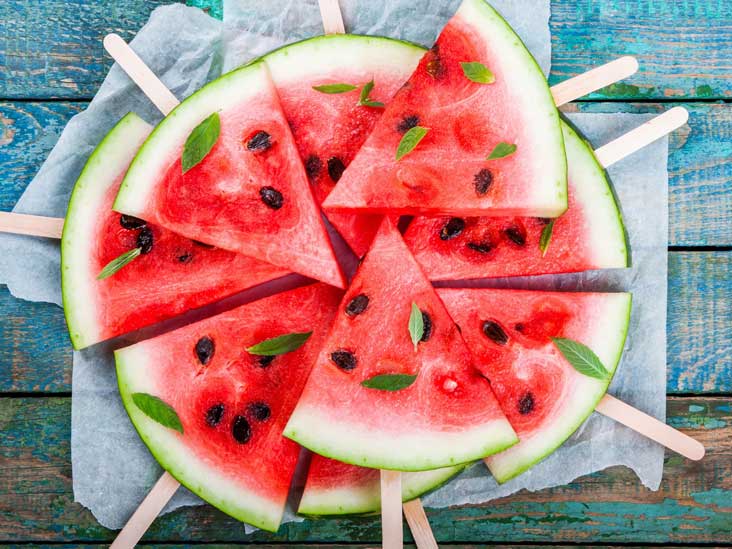
14. Watermelon (30 Calories per 100g)
Watermelon is hydrating, consisting of 92% water to help maintain fluid balance. Rich in lycopene, an antioxidant that supports heart health and reduces inflammation.
It is naturally sweet and refreshing, making it a guilt-free summer treat.
How to Use: Eat fresh, blend into juices, or add to fruit salads.
Eating a diet rich in nutrient-dense, low-calorie foods helps support weight management, immunity, and overall health.
By incorporating these delicious and nutritious foods, you can create a balanced, satisfying diet that nourishes your body without unnecessary calories.
Which of these foods will you be adding to your meals? Let us know in the comments!