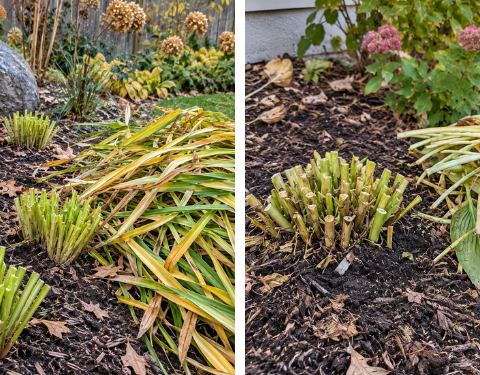
After a long winter, nothing feels more hopeful than the first flowers of spring. Most gardeners wait until April or May to start planting, but here’s a powerful secret: some of the earliest-blooming perennials can be planted as early as February.
These tough, cold-hardy plants evolved to grow in cool soil and unpredictable spring weather. In fact, getting them into the ground in February gives them a head start, allowing their roots to establish before the growing season truly begins.
The result is stronger plants, earlier blooms, and a more vibrant spring garden.
Here are 13 beautiful perennials that bloom early in spring and can safely be planted in February, along with why early planting actually improves their performance.
Why February Is a Smart Time to Plant Certain Perennials
Many early-blooming perennials come from cold or mountainous regions where soil warms slowly and winters linger. These plants don’t wait for perfect weather. They grow as soon as the ground is workable.
Planting them in February offers several advantages:
- Roots develop before top growth starts
- Plants adapt gradually to warming temperatures
- Early planting reduces transplant shock
- Spring blooms appear stronger and more abundant
As long as the soil isn’t frozen solid and isn’t waterlogged, February planting is not only safe for many perennials – it’s ideal.
1. Hellebores (Lenten Rose)
Hellebores are often the very first flowers to appear in late winter.
They bloom from late winter into early spring and thrive in cold conditions. Their nodding flowers come in shades of white, pink, purple, green, and deep plum.
Hellebores prefer partial shade and well-drained soil. Once established, they are extremely long-lived and low-maintenance.
They are fully cold-hardy and can be planted in February as soon as the soil is workable.
2. Crocus
Crocus flowers push through snow and frozen ground without hesitation.
They are among the earliest spring bloomers and are perfect for lawns, borders, and rock gardens. Crocus grow from corms and are incredibly cold-hardy.
If the soil is workable, they can be planted in February and will bloom within weeks.
3. Snowdrops (Galanthus)
Snowdrops are famous for blooming while snow is still on the ground.
Their delicate white bell-shaped flowers appear in late winter and early spring. They thrive in partial shade and moist but well-drained soil.
Once planted, they naturalize easily and return year after year. Snowdrops tolerate cold soil exceptionally well, making them perfect for February planting.
4. Winter Aconite (Eranthis)
Winter aconite produces bright yellow, buttercup-like flowers in late winter.
It thrives in cold soil and often blooms before crocus. Winter aconite prefers partial shade and humus-rich, well-drained soil.
Planting winter aconite in February allows it to establish roots early and bloom reliably every spring.
5. Siberian Squill (Scilla)
Siberian squill creates carpets of blue flowers in early spring.
It is extremely cold-tolerant and thrives in full sun to partial shade. Once planted, it spreads naturally and becomes more impressive each year.
It can be planted in February as soon as the soil is workable.
6. Daffodils (Narcissus)
Daffodils are one of the most reliable early spring bloomers.
They tolerate cold soil extremely well and are perfect for February planting in mild to moderate climates.
Planting them early allows roots to establish before growth begins, leading to stronger stems and better flowering.
7. Hyacinths
Hyacinths are famous for their powerful fragrance and dense flower spikes.
They bloom in early to mid-spring and thrive in cold soil. Planting hyacinths in February gives them the chilling period they need to bloom well.
They prefer well-drained soil and full sun to partial shade.
8. Iris Reticulata (Dwarf Iris)
These miniature irises bloom incredibly early, often alongside crocus and snowdrops.
They produce delicate purple, blue, and yellow flowers and are ideal for borders and containers.
They are very cold-hardy and can be planted in February as soon as the soil is workable.
9. Primroses (Primula)
Primroses are classic early spring flowers that thrive in cool temperatures.
They bloom in a wide range of colors and prefer partial shade and moist soil.
Planting primroses in February allows them to establish before blooming and perform better throughout the season.
10. Lungwort (Pulmonaria)
Lungwort blooms in early spring with blue, pink, and purple flowers.
It thrives in partial shade and is valued for both its flowers and its attractive spotted foliage.
Lungwort is cold-hardy and can be planted in February in most regions.
11. Bleeding Heart (Dicentra)
Bleeding heart produces graceful, heart-shaped flowers in early spring.
It thrives in cool temperatures and partial shade.
Planting bleeding heart in February allows roots to establish early, leading to stronger flowering and better overall growth.
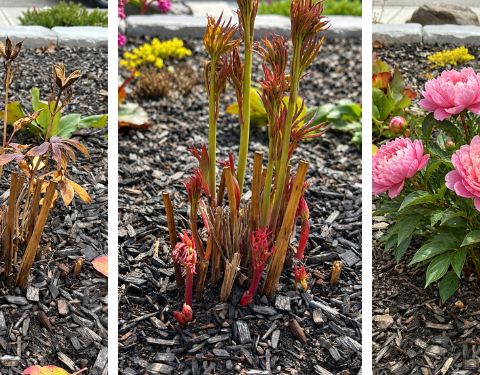
12. Peonies
Peonies bloom in late spring but need early planting to establish properly.
They are extremely cold-hardy and actually prefer being planted in cool soil.
Planting peonies in February gives them the best possible start and improves long-term flowering performance.
13. Creeping Phlox
Creeping phlox forms dense mats of flowers in early spring.
It thrives in full sun and well-drained soil.
Planting it in February allows roots to establish before blooming, resulting in fuller plants and better coverage.
Why Early Planting Leads to Better Blooms
Planting these perennials in February gives them a critical advantage.
Instead of rushing to grow roots and flowers at the same time, early-planted perennials focus first on root development.
This leads to:
- Stronger stems
- More blooms
- Better drought tolerance
- Improved winter survival
- Longer lifespan
In many cases, February-planted perennials outperform those planted later in spring.
How to Plant Perennials Safely in February
Early planting is safe if a few basic rules are followed.
- Wait until the soil is workable and not frozen solid.
- Avoid planting in waterlogged soil.
- Plant on mild days when temperatures are above freezing.
- Water lightly after planting, but don’t soak the soil.
- Mulch lightly to protect roots from temperature swings.
These simple precautions prevent cold damage and transplant shock.
What About Late Frosts?
- Most of the perennials on this list are naturally frost-tolerant.
- Their roots are protected underground, and their top growth emerges slowly.
- Even if a late frost occurs, these plants usually recover without damage.
- Mulching lightly after planting adds extra protection.
Who Should Avoid February Planting?
If you live in an area where the ground remains deeply frozen into March, February planting may not be practical.
In that case, wait until the soil can be dug easily.
But in most mild and moderate climates, February planting is both safe and beneficial.
You don’t have to wait until spring to start building a beautiful garden.
Many early-blooming perennials are perfectly happy being planted in February. In fact, they often perform better when planted early.