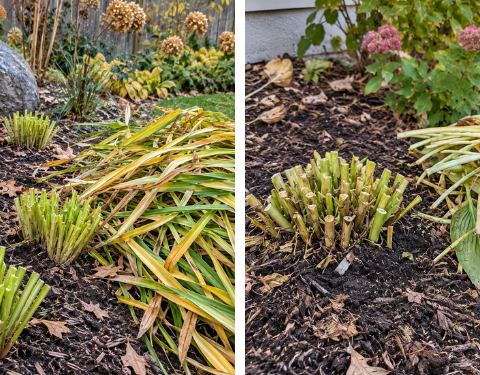
Gardening can be incredibly rewarding, but if you keep running into the same problems season after season, you might be making avoidable mistakes that are affecting your plants.
Whether you’re a beginner or an experienced gardener, understanding common gardening pitfalls can help you grow a healthier, more vibrant garden.
Here are the biggest gardening mistakes people make—and how you can fix them for a thriving outdoor space!
1. Overplanting: Cramming Too Many Plants Together
It’s tempting to fill your garden bed with as many plants as possible, but overcrowding leads to competition for sunlight, water, and nutrients.
Why It’s a Mistake:
- Plants struggle to develop properly due to lack of space.
- Poor air circulation encourages disease and mold.
- Weaker plants lead to lower yield and fewer flowers.
How to Fix It:
✔️ Follow recommended spacing guidelines on plant labels.
✔️ Plan for growth over time—what looks sparse now will fill out later.
✔️ Thin out plants if they start to overcrowd each other.
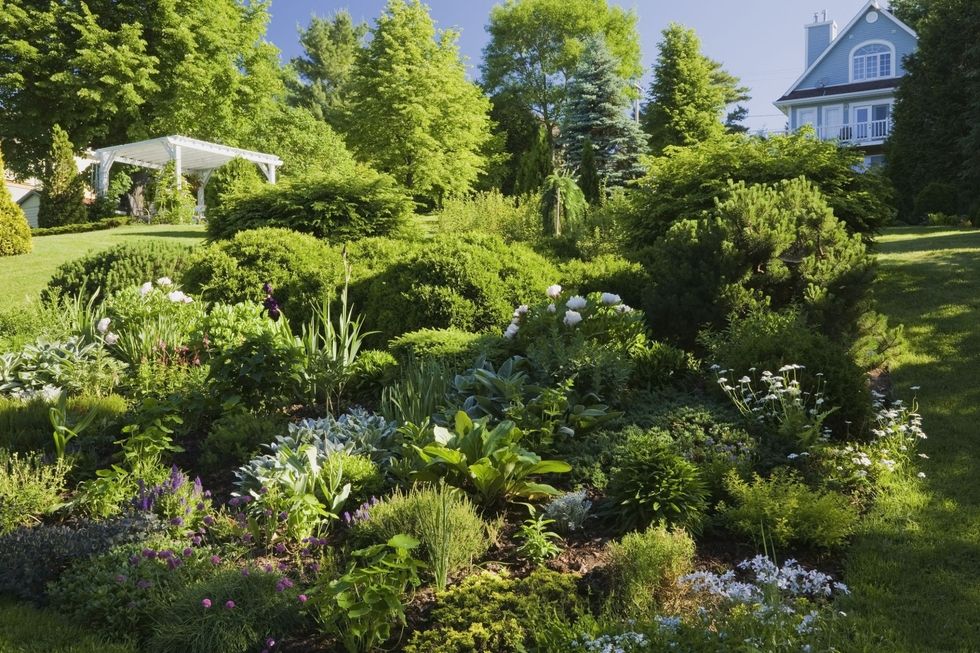
2. Planting Too Close to Your House
Your trees and shrubs will grow much larger than they seem when you first plant them, and if they’re too close to your home, they can cause damage.
Why It’s a Mistake:
- Roots can damage foundations, sidewalks, and pipes.
- Large trees block sunlight, preventing grass and plants from thriving.
- Bushes too close to walls trap moisture, leading to rot and insect infestations.
How to Fix It:
✔️ Maintain a 1-3 foot buffer around your home.
✔️ Choose dwarf or compact plant varieties if you want greenery near your house.
✔️ Trim overgrown trees and bushes regularly to avoid interference.
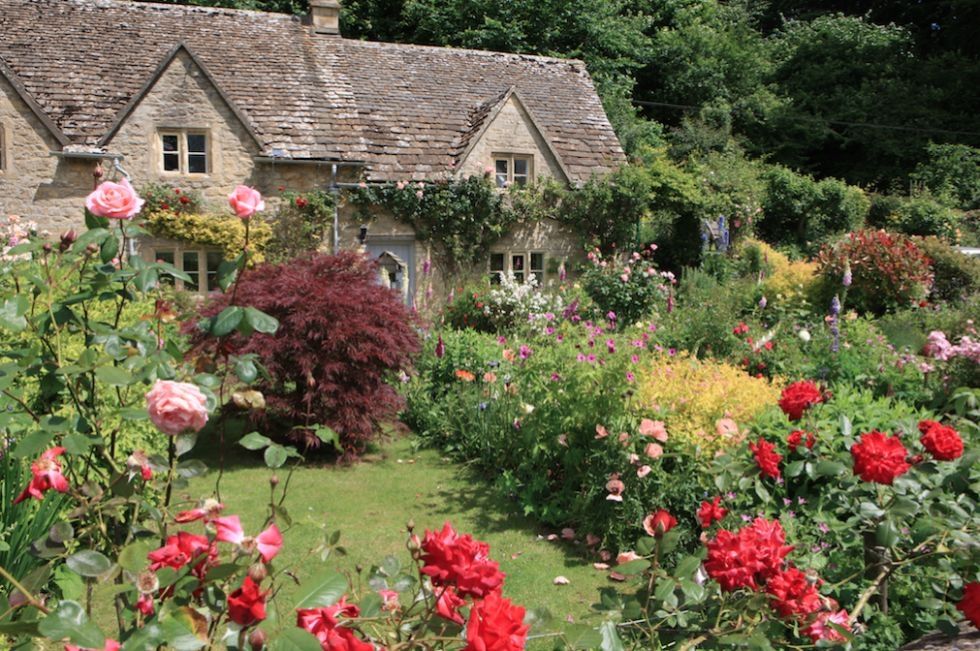
3. Not Understanding Your Garden’s Environment
Every garden has unique conditions—and planting without considering your soil type, sun exposure, and climate can set you up for failure.
How to Fix It:
✔️ Test your soil for pH, drainage, and nutrient levels.
✔️ Observe sunlight patterns throughout the day before planting.
✔️ Research native plants that thrive in your area.
🚫 Don’t buy plants without checking if they suit your region!
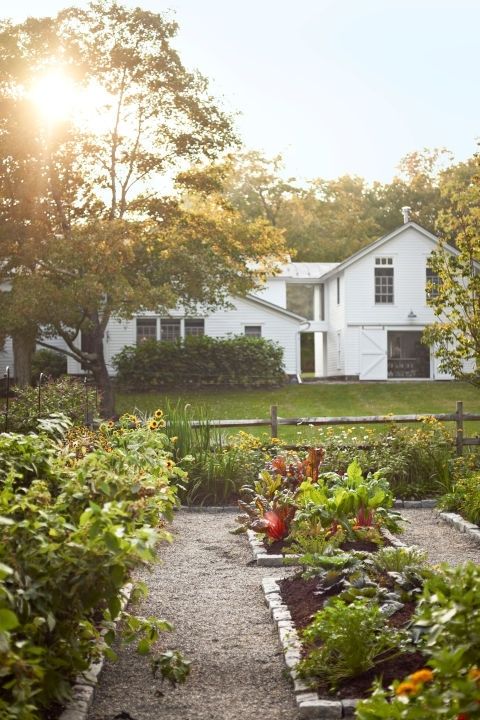
4. Starting Without a Garden Plan
Planting without a plan leads to overcrowding, mismatched plants, and an unbalanced garden.
Why It’s a Mistake:
- You may run out of space or plant things in the wrong locations.
- Your garden could end up looking unorganized or mismatched.
- Hardscapes (patios, pathways, raised beds) may be poorly placed.
How to Fix It:
✔️ Sketch a basic layout before buying plants.
✔️ Consider plant heights, colors, and bloom times for a balanced look.
✔️ Research which plants thrive together (companion planting).
🚫 Avoid impulse-buying plants that don’t fit your garden plan!
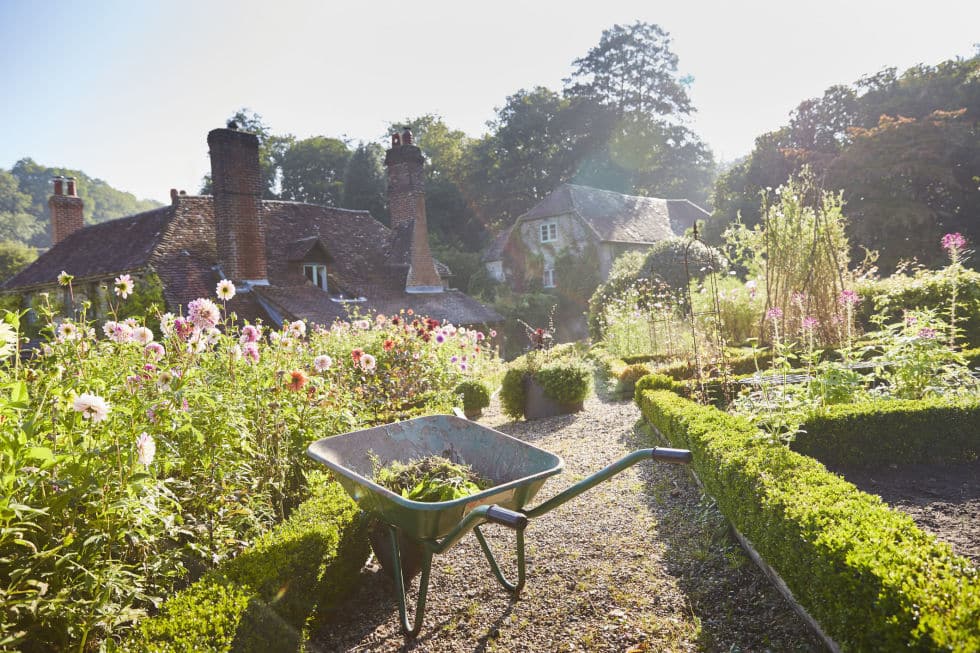
5. Ignoring Your Home’s Architecture
A beautiful garden should complement your house, not clash with it.
How to Fix It:
✔️ Choose landscaping styles that match your home’s design.
✔️ Use a garden hose or rope to outline bed shapes before planting.
✔️ Pick colors that enhance your exterior, not overpower it.
🚫 Avoid overly trendy designs that may not suit your home in the long run.
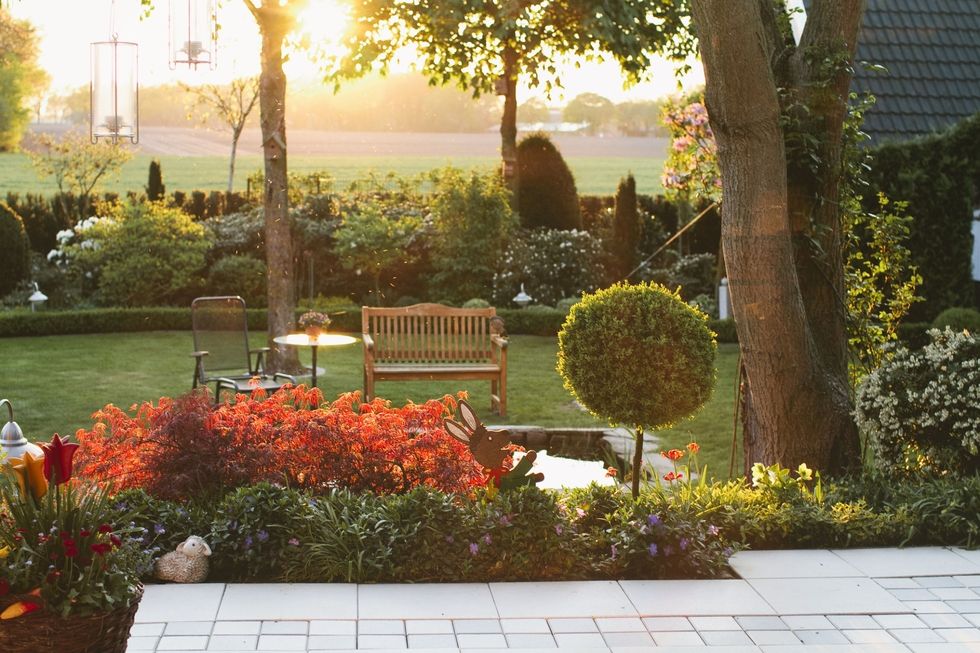
6. Following Trends Without Practicality
While Pinterest-worthy gardens look stunning, many trendy ideas require high maintenance or unrealistic conditions.
How to Fix It:
✔️ Adapt trends to your climate and lifestyle.
✔️ Research the time, effort, and cost before committing to a design.
✔️ Invest in low-maintenance plants if you have limited gardening time.
🚫 Avoid forcing a style that doesn’t work in your region or yard space!
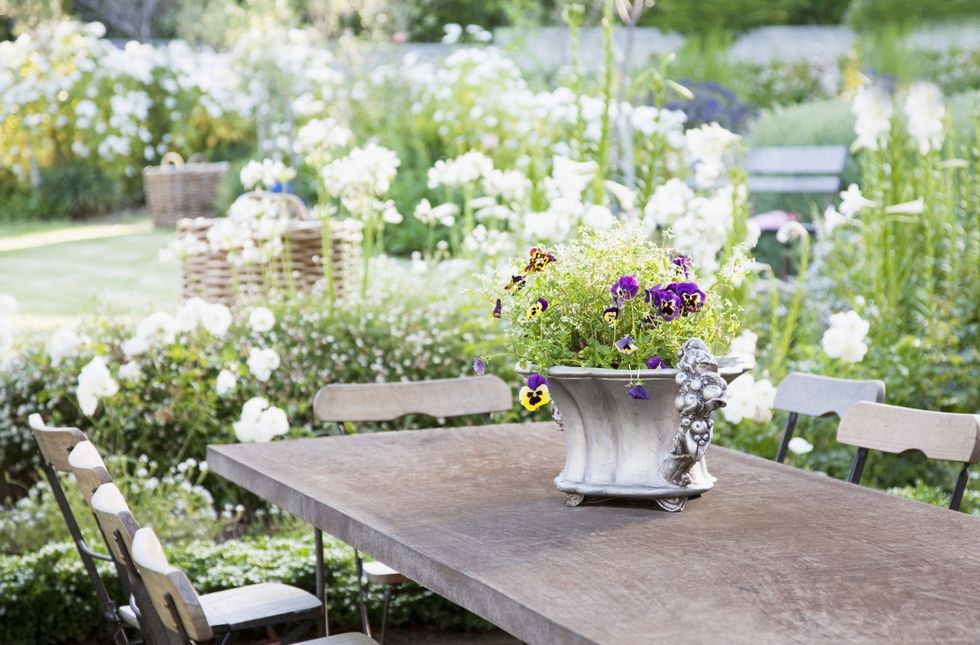
7. Neglecting Landscape Lighting
Gardens should be enjoyed day and night, and proper lighting enhances both aesthetics and security.
How to Fix It:
✔️ Use solar-powered path lights for an eco-friendly glow.
✔️ Highlight trees and structures with spotlights or uplighting.
✔️ Install motion-sensor lights for added safety.
🚫 Don’t limit your landscape’s beauty to daylight hours only!
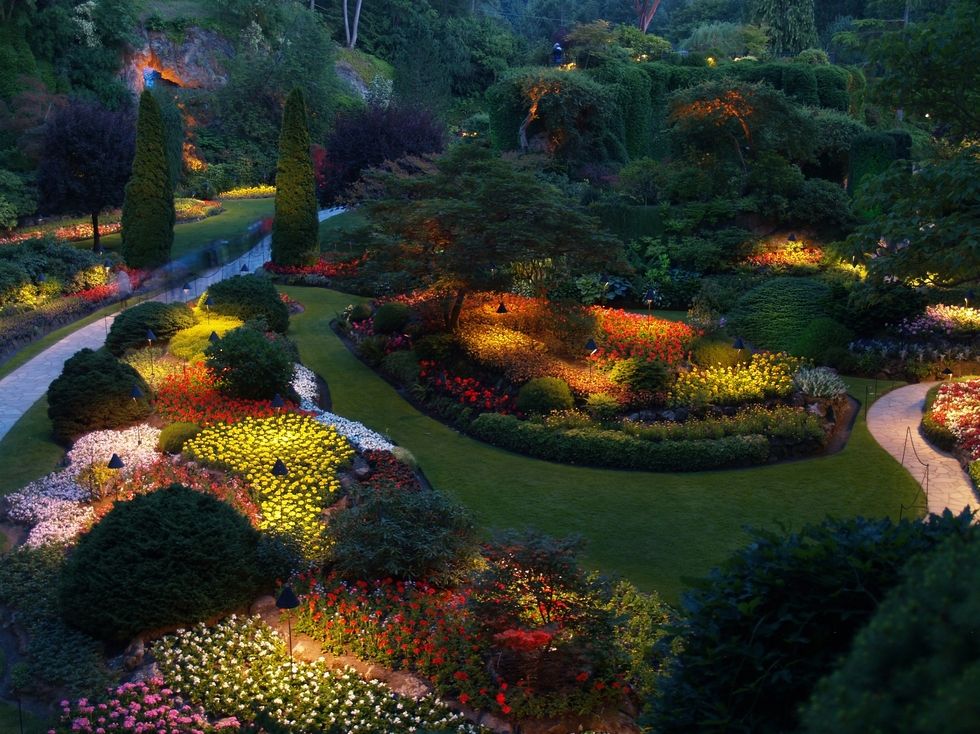
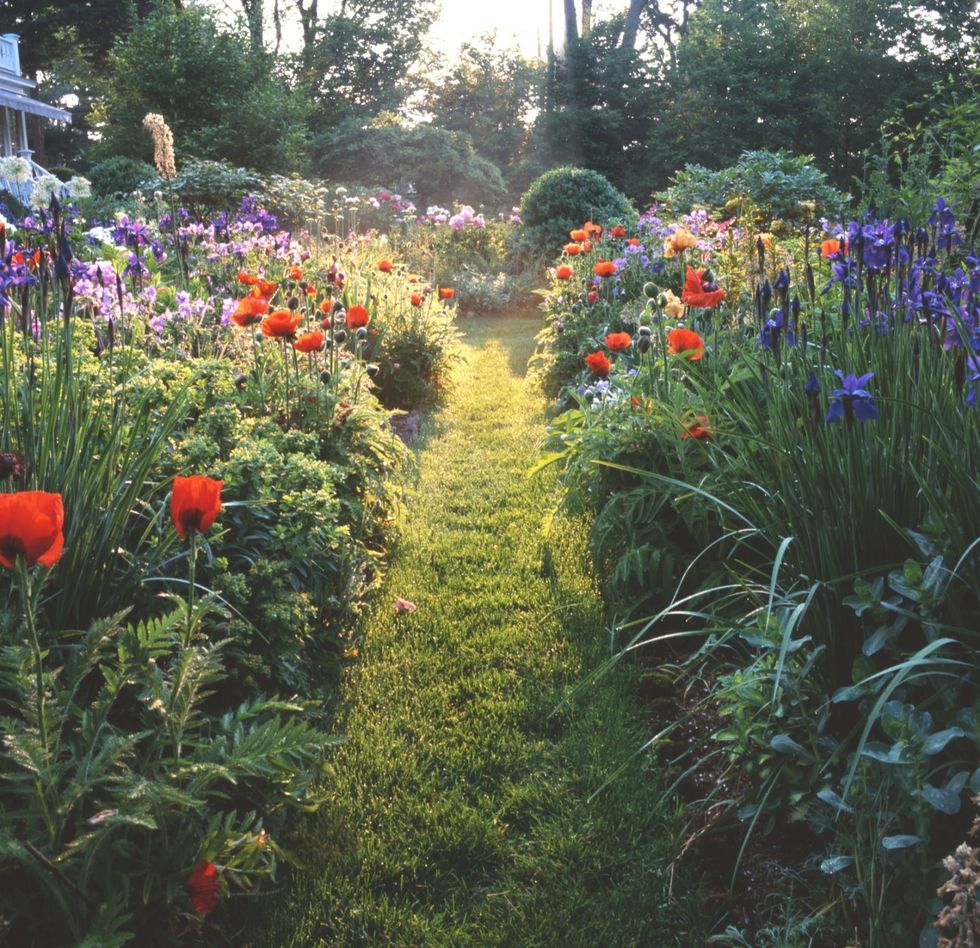
8. Keeping the Garden Too Neat & Orderly
Perfectly straight rows and overly manicured gardens can feel artificial.
How to Fix It:
✔️ Mix up plant shapes and heights for a more natural look.
✔️ Use curved edges instead of straight lines.
✔️ Plant flowers in clusters instead of single-file rows.
🚫 Nature isn’t perfectly symmetrical—your garden shouldn’t be either!
9. Using the Wrong Type of Mulch
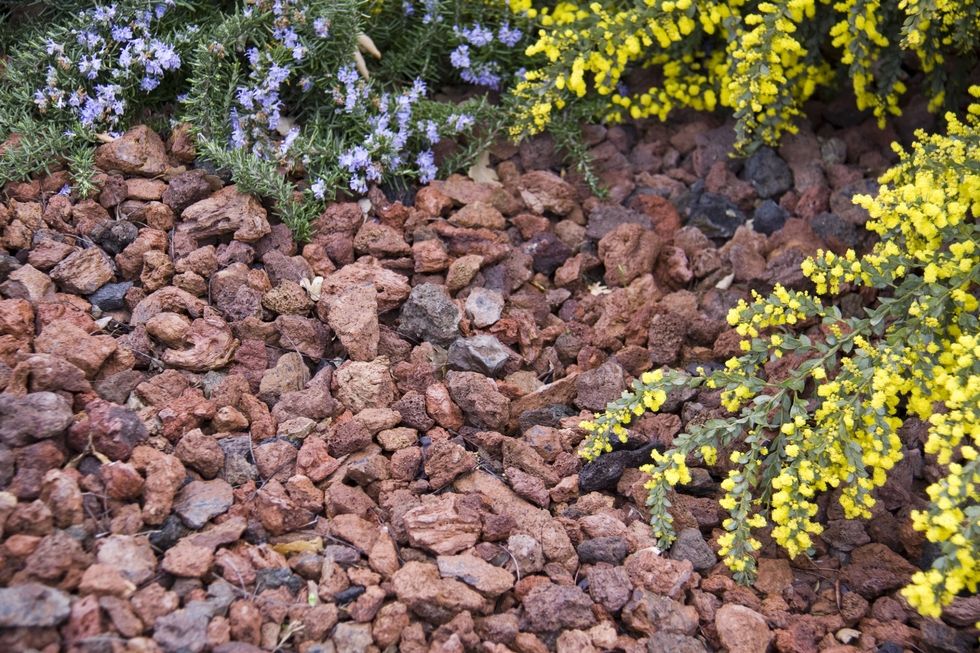
Mulch is great for retaining moisture and preventing weeds, but using the wrong kind can harm your plants.
How to Fix It:
✔️ Use organic mulch (bark, straw, shredded leaves) for better soil health.
✔️ Avoid light-reflecting or pH-altering materials like marble chips unless necessary.
✔️ Spread mulch 2-3 inches thick to prevent moisture loss.
🚫 Don’t overdo it—too much mulch can suffocate roots!
10. DIY-ing Large-Scale Landscaping Projects
It’s great to be hands-on, but some jobs require professional expertise.
Why It’s a Mistake:
- Poorly built patios and pathways can crack and shift.
- DIY drainage solutions might lead to flooding.
- Incorrect grading causes soil erosion and runoff issues.
How to Fix It:
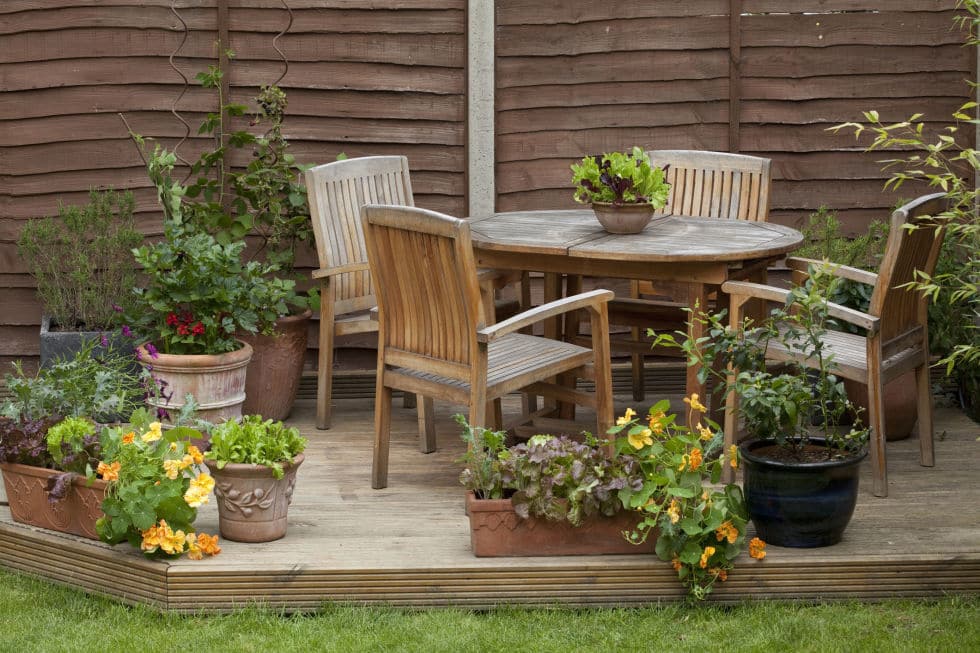
✔️ Hire professionals for major projects like retaining walls, patios, and irrigation systems.
✔️ Do small DIY projects like planters and garden borders instead.
🚫 Don’t waste money on a project that might fall apart in a year!
11. Watering at the Wrong Time of Day
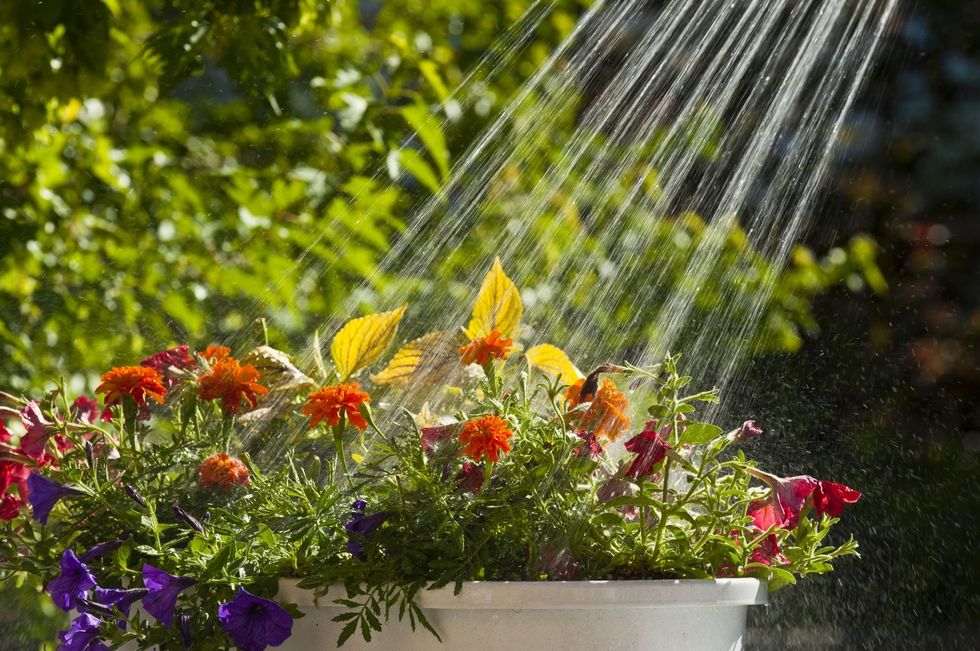
Timing matters when it comes to watering!
How to Fix It:
✔️ Water early in the morning for best absorption.
✔️ Use drip irrigation or soaker hoses to prevent evaporation.
✔️ Adjust watering frequency based on weather conditions.
🚫 Avoid watering in the afternoon—the sun will evaporate the moisture before it reaches the roots!
12. Forgetting Hardscape Features
A garden isn’t just about plants—stone paths, benches, and fountains add beauty and structure.
How to Fix It:
✔️ Incorporate rocks, water features, or sculptures for variety.
✔️ Balance soft plants with hardscape elements.
✔️ Think about color, texture, and proportion in your design.
🚫 Avoid cluttering your garden with too many decorative elements!
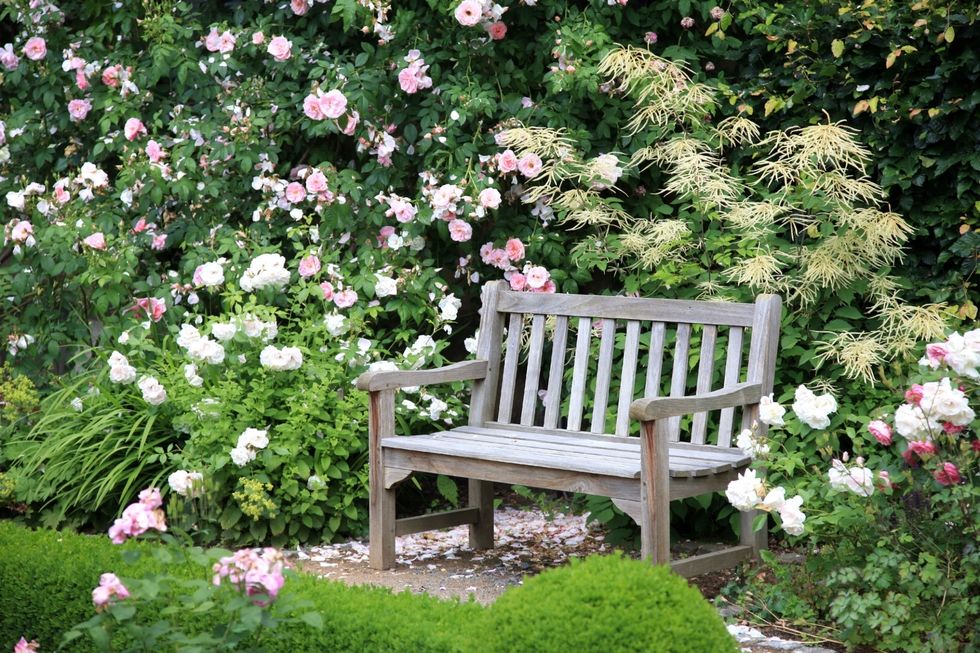
Gardening is a learning process, and even experienced gardeners make mistakes. By avoiding these common pitfalls, you can create a healthier, more beautiful, and long-lasting garden.