In recent decades, the North American food industry has undergone a dramatic transformation.
Driven by advances in agriculture, food processing, and technology, the way we grow, package, and consume food has changed significantly.
While some praise the convenience and innovation that modern food systems offer, others raise valid concerns about the loss of food transparency, over-processing, and nutritional quality.
Today, many people consume ultra-processed foods that are fast, easy to prepare, and heavily marketed. These convenience foods are often loaded with artificial ingredients, preservatives, synthetic flavorings, and chemical additives.
As a result, not only do we stray from whole, natural foods, but we also become increasingly disconnected from where our food actually comes from.
The Disconnect Between Food and Its Origins
A now-viral classroom story perfectly illustrates this growing disconnect. As two children opened their lunchboxes, a young girl asked her classmate, “Do you know where milk comes from?” Without hesitation, the boy confidently responded, “From the store!”
This humorous yet eye-opening moment reminds us that although many of us understand that milk comes from cows, we often lack a true understanding of where our food originates, how it grows, or what it looks like in its natural state.
This is particularly true for children raised in urban areas, where access to farms, gardens, or unprocessed food sources is limited.
The average diet today is rich in packaged, processed, and pre-cooked foods, and only a small percentage of people regularly purchase produce or meat from local farmers or markets.
As our lifestyles become faster and more convenience-driven, the connection between what we eat and where it comes from continues to fade.
To help bridge that gap, let’s explore 12 everyday foods that look surprisingly different in their natural form before they make it to your plate.
1. Pistachios
Pistachios grow in clusters on trees and are initially encased in a soft, greenish outer hull. As they ripen, the outer shell hardens and naturally splits open. Once harvested and processed, they lose much of their original color and are roasted or salted before being packaged.

2. Sesame Seeds
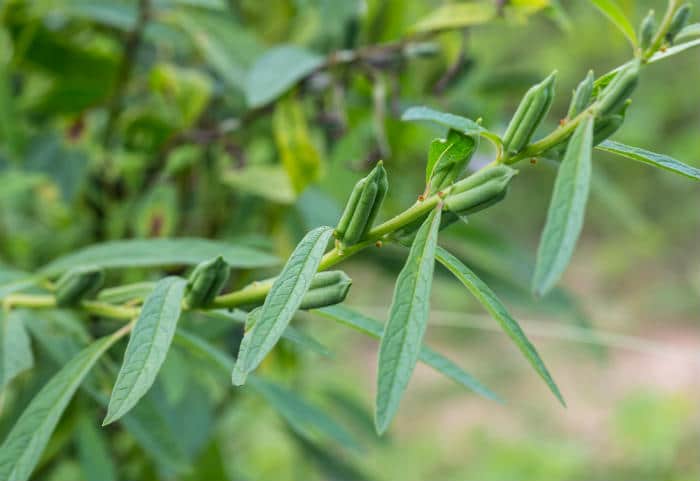
Often sprinkled on burger buns and sushi, sesame seeds grow in long, slender pods on tall, leafy plants. When ripe, the pods split open, revealing rows of tiny seeds inside. The harvesting process is delicate, as the pods burst open naturally when mature.
3. Almonds
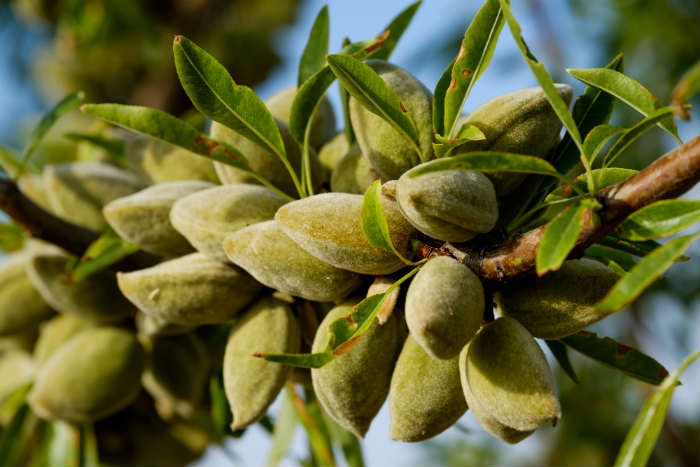
Almonds grow in clusters on almond trees. The nut we eat is actually the seed inside a hard shell, which itself is surrounded by a fuzzy green outer hull. As almonds ripen, the outer hull splits open, and the shell is exposed and harvested.
4. Vanilla
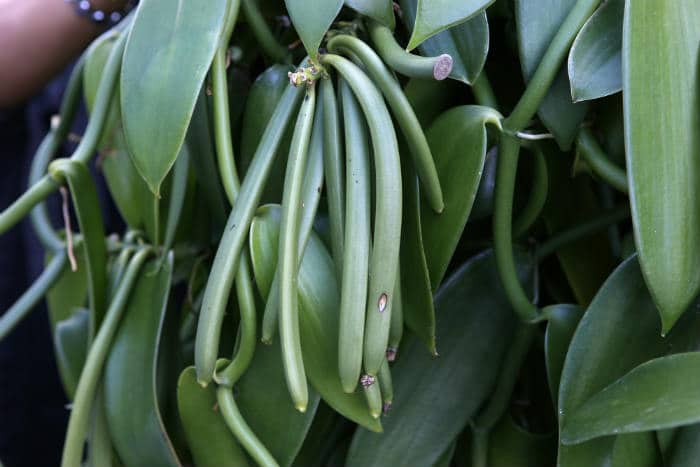
Most people recognize vanilla as a sweet flavoring or extract. However, it comes from the vanilla orchid, a tropical climbing plant. The vanilla beans resemble long, green string beans when fresh. After harvesting, the beans undergo a lengthy curing and drying process, turning dark brown and fragrant.
5. Saffron
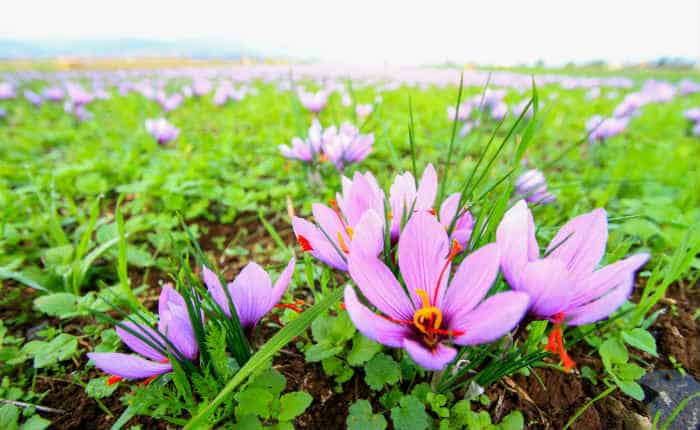
One of the most expensive spices in the world, saffron is derived from the Crocus sativus flower. Each flower produces only three red stigmas, which are carefully plucked by hand and dried. It takes thousands of flowers to produce just one ounce of saffron.
6. Cinnamon
Those familiar cinnamon sticks in your pantry are actually pieces of bark from the cinnamon tree. The bark is harvested, rolled into quills, and dried. True cinnamon comes from the Cinnamomum verum tree and has a more delicate texture than its cousin, cassia.

7. Cacao (Cocoa) Beans
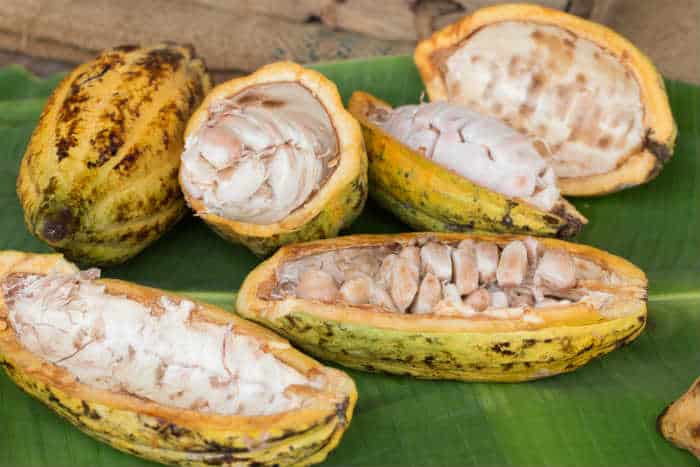
Chocolate starts its life inside large, colorful pods that grow on cacao trees. Each pod contains 20–50 seeds, or “beans,” surrounded by a sweet, sticky pulp. After harvesting, the beans are fermented, dried, roasted, and ground to produce cocoa and chocolate.
8. Cashews
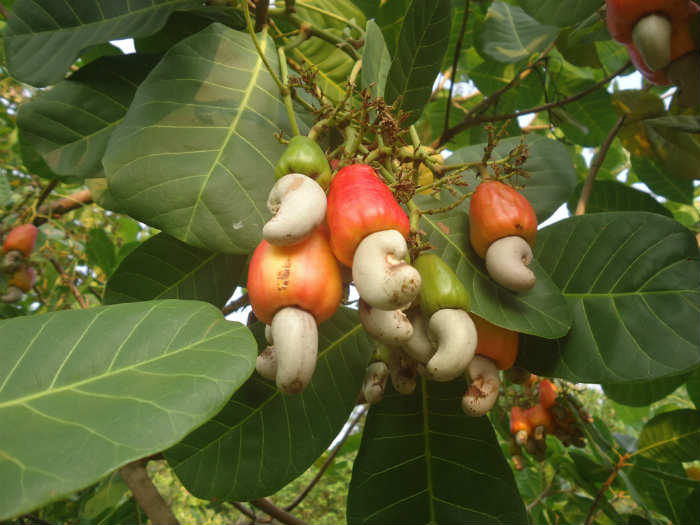
Cashews grow in a truly unusual way. Each cashew nut is attached to the bottom of a fruit called the cashew apple. The kidney-shaped nut is encased in a hard shell that contains toxic oils, requiring careful roasting and processing before it is safe to eat.
9. Quinoa
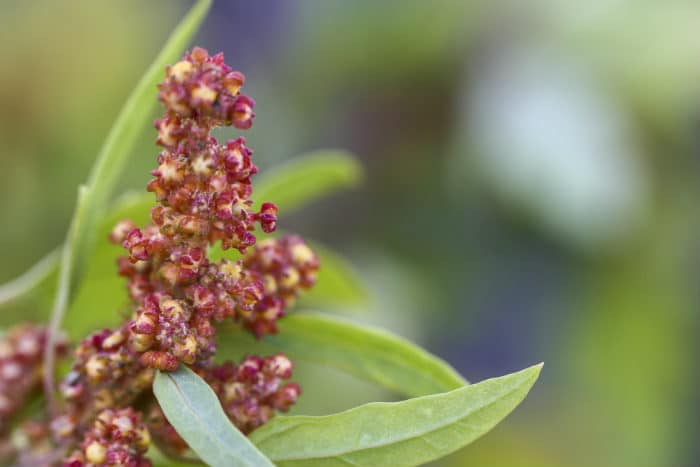
Often referred to as a “superfood,” quinoa grows on tall stalks in bunches of small, colorful seeds. The seeds are coated with a bitter substance called saponin, which must be rinsed off before consumption. The plant thrives in high altitudes and has been cultivated in South America for thousands of years.
10. Artichokes
Artichokes are actually the unopened flower buds of a type of thistle. If left to bloom, they produce a striking purple flower. What we eat is the fleshy base of the petals and the heart. They grow on tall stems above the ground, but many people have never seen them in their natural environment.

11. Capers
Capers are the small, unripened flower buds of the Capparis spinosa plant. These greenish-pink buds are picked before they bloom and preserved in brine or vinegar. They grow in dry, rocky environments and have been used in Mediterranean cooking for centuries.

12. Dates
Dates grow in large clusters on tall date palm trees, primarily in arid climates like the Middle East and North Africa. The fruit matures and darkens on the tree before being harvested. Rich in natural sugars and fiber, dates are dried and sold worldwide as a natural sweetener and snack.

Reconnecting With Food Sources: Why It Matters
Understanding how and where food grows fosters a deeper appreciation for nutrition, farming, and the environment.
When we see food in its raw form, we’re reminded that our diets should revolve more around natural, whole ingredients rather than products that come in boxes and plastic wrappers.
Beyond appearance, what truly matters is the nutritional value of what we consume.
Processed foods may be convenient, but they are often stripped of vital nutrients and loaded with additives that can negatively affect long-term health.
Making Healthier Food Choices
Modern life can be hectic, but our health shouldn’t take a back seat. Here are a few ways to realign with more mindful eating habits:
- Choose organic produce when possible to reduce pesticide exposure.
- Buy local to support small farmers and get fresher, more seasonal ingredients.
- Cook at home using whole foods to control what goes into your meals.
- Grow your own food—even herbs or vegetables in containers can reconnect you with nature.
- Educate children about where food comes from to build lifelong healthy habits.
The way food looks in its natural state often surprises us, especially in a world where most of our meals come from shelves and takeout menus.
Recognizing the origins of the foods we consume is not just enlightening—it’s essential for making healthier choices.
By embracing whole, minimally processed foods and learning more about how they’re grown, we move closer to a more sustainable and nourishing way of life.
Our health is our responsibility, and the first step toward better well-being begins with what we put on our plates.