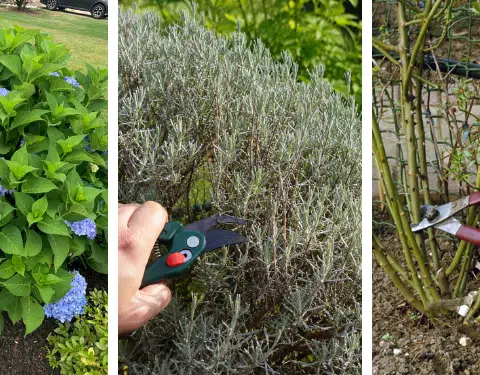
Achieving a breathtaking, vibrant landscape does not have to mean spending every weekend with pruning shears in hand, dragging heavy hoses across the lawn, or battling constant plant diseases.
For busy homeowners, beginners, or those who simply want to enjoy their outdoor space rather than work in it, the secret to a gorgeous yard lies in selecting the right foundational plants.
By integrating high-impact, low-maintenance shrubs into your landscaping plans, you can build a resilient, year-round framework that looks stunning with minimal intervention.
Choosing these resilient species over high-maintenance alternatives saves you time, money, and frustration. Here is an in-depth guide to 12 exceptional, easy-care shrubs that deliver effortless beauty season after season.
The Benefits of Low-Maintenance Landscaping
Investing in resilient shrubs changes how you interact with your property. Instead of constantly reacting to plant stress, you establish a balanced ecosystem that works for you:
-
Significant Water Savings: Once their root systems settle deep into the soil (typically after their first full growing season), drought-tolerant shrubs can easily survive on natural rainfall alone, drastically lowering your seasonal water bill.
-
Natural Defense Against Pests and Disease: The varieties featured below boast a natural immunity to common garden ailments like powdery mildew, root rot, and destructive insect infestations, eliminating the need for chemical interventions.
-
Four-Season Visual Interest: From vibrant spring blossoms and lush summer foliage to striking autumn colors and unique winter bark patterns, these plants ensure your yard never looks barren or dull.
12 Easy-Care Shrubs for Effortless Garden Design
1. Panicle Hydrangea (Hydrangea paniculata)
Unlike delicate mophead hydrangeas that wilt at the first sign of heat or lose their flower buds to late winter frosts, the Panicle hydrangea is exceptionally tough. It thrives in full sun to partial shade and blooms reliably every single year on new wood.
The large, cone-shaped flower clusters emerge a crisp chartreuse green in mid-summer, mature to a brilliant snowy white, and gradually deepen into a rich, dusty rose-pink as autumn approaches.
-
Maintenance Tip: Simply prune the stems back by about one-third in late winter to encourage massive summer blooms.
2. Spirea (Spiraea japonica)
Spirea is a compact, mound-forming deciduous shrub that offers an outstanding combination of colorful foliage and delicate spring flowers.
Popular cultivars like ‘Goldmound’ or ‘Little Princess’ display bright, neon-yellow or lime-green leaves topped by dense clusters of pink blossoms that attract butterflies.
It is incredibly cold-hardy, adapts seamlessly to poor soils, and maintains a neat, rounded shape completely on its own.
3. Ninebark (Physocarpus opulifolius)
A native North American powerhouse, Ninebark is prized for its dramatic, deep purple or golden foliage and architectural presence.
In late spring, it produces clusters of button-like white or soft pink flowers that contrast beautifully against its dark leaves.
As the plant matures, its older stems peel back in multi-layered, papery sheets, providing rich texture to the winter landscape.
Ninebark handles clay, rocky ground, and drought conditions without dropping a leaf.
4. Boxwood (Buxus)
When it comes to establishing clean architectural lines, framing garden entryways, or creating low-growing property borders, Boxwood remains the ultimate classic choice.
This slow-growing evergreen features small, densely packed, glossy oval leaves that look pristine through freezing winter blizzards and scorching summer dry spells alike.
While boxwoods can be sheared into formal geometric shapes, low-maintenance gardeners can leave them unpruned to grow into soft, natural clouds.
5. Dwarf Conifers (e.g., Juniperus / Thuja)
For a landscape that remains bright green even under a heavy blanket of snow, dwarf conifers are indispensable.
Selecting slow-growing, compact varieties—such as the ‘Blue Star’ Juniper or ‘Emerald Green’ Arborvitae—gives you reliable evergreen structure without the worry of plants outgrowing their designated spaces.
These highly resilient plants are naturally drought-resistant, require zero pruning, and look wonderful planted near foundations or stone walkways.
6. Viburnum (Viburnum dentatum / Viburnum opulus)
Viburnums are incredibly versatile, all-season shrubs that fit beautifully into any garden design. In May, they produce spectacular, show-stopping clusters of white flowers that closely resemble lacecap hydrangeas.
During the autumn months, their green foliage shifts to brilliant shades of crimson and burnt orange, accompanied by clusters of shiny dark blue or bright red berries that provide a critical food source for migrating songbirds.
7. Potentilla / Bush Cinquefoil (Dasiphora fruticosa)
If you need a tough plant for an exposed, sun-baked slope or a sandy garden border, Potentilla is a fantastic candidate.
This exceptionally hardy little shrub produces fine, delicate gray-green leaves and an abundance of small, cheerful, five-petaled flowers that resemble wild roses.
It blooms continuously from June until the first heavy freeze of winter, requires no deadheading (removing spent blooms), and stands up remarkably well to urban air pollution.
8. Smokebush (Cotinus coggygria)
Smokebush makes a bold, dramatic statement in any large garden bed. It features striking, rounded leaves in deep shades of royal purple or lime-chartreuse.
In mid-summer, it sends out large, feathery, cloud-like panicles of pinkish-purple flowers that hover above the foliage like puffs of smoke.
Smokebush grows beautifully in poor, dry soils and is completely ignored by deer and rabbits.
| Shrub Name | Foliage Type | Primary Ornamental Feature | Best Lighting |
| Panicle Hydrangea | Deciduous | Color-changing cone flowers | Full Sun to Part Shade |
| Boxwood | Evergreen | Glossy, dense structural frame | Full Sun to Deep Shade |
| Viburnum | Deciduous | Spring blooms & autumn berries | Full Sun to Part Shade |
| Potentilla | Deciduous | Non-stop summer-long blooms | Full Sun |
9. Rose of Sharon (Hibiscus syriacus)
Bring a lush, tropical feel to your northern garden without the demanding upkeep. Rose of Sharon is a hardy, upright, vase-shaped shrub that bursts into bloom during the late summer months when most other flowering plants have faded.
It produces large, cup-shaped flowers with prominent central stamens in shades of lavender, white, pink, and blue. It loves intense summer heat, stands up to humidity, and thrives in almost any soil type.
10. Winterberry (Ilex verticillata)
Winterberry is a unique, native deciduous holly that sheds its green leaves in late autumn to reveal an incredible secret: its bare gray branches are packed with thousands of intensely glowing, lipstick-red berries.
This stunning display lasts through most of the winter, providing a vibrant pop of color against the snow and a welcome feast for local winter birds.
-
Pollination Note: To get berries, make sure to plant at least one male winterberry shrub nearby to pollinate up to five female berry-producing plants.
11. Barberry (Berberis thunbergii)
Note: Always select modern, non-invasive, sterile cultivars such as the ‘Sunjoy Todo’ or ‘Crimson Pygmy’ series.
Barberry is a highly resilient shrub featuring rich coral, gold, or deep burgundy foliage that retains its bright color even in full sun.
Its dense growth habit and sharp thorns make it an excellent choice for a natural security hedge along property lines, as deer and rabbits will completely avoid it.
12. Butterfly Bush (Buddleja davidii)
Note: Opt for modern, sterile, non-invasive dwarf varieties like the ‘Lo & Behold’ or ‘Pugster’ series.
These compact shrubs grow into dense mounds that produce a non-stop supply of long, honey-scented flower spikes in shades of deep purple, blue, white, and magenta.
True to its name, a single shrub will draw dozens of monarch butterflies, swallowtails, and bumblebees to your yard every single afternoon from mid-summer until frost.
4 Steps to Successful Planting and Establishment
While these 12 shrubs are incredibly self-sufficient once mature, taking the time to plant them properly during their first year ensures a lifetime of healthy growth with minimal care.
Designing a gorgeous, low-stress landscape is all about choosing plants that thrive naturally in your environment.
By anchoring your garden beds with these 12 low-maintenance shrubs, you can cut down on chores like watering, spraying, and pruning.