Lettuce is one of the easiest vegetables to grow at home, making it perfect for beginners and indoor gardeners. Whether you lack outdoor space or want fresh, organic lettuce year-round, growing lettuce in containers is a simple and rewarding way to enjoy crisp, healthy greens straight from your kitchen!
Not only is lettuce delicious and versatile, but it’s also packed with fiber, vitamins, and antioxidants. It helps improve digestion, reduce inflammation, and keep you feeling full for longer. Plus, growing your own means no harmful pesticides or chemicals—just pure, homegrown goodness!
In this guide, you’ll learn:
✔️ Best practices for growing lettuce indoors
✔️ Step-by-step planting and care instructions
✔️ Tips for maximizing growth and harvesting fresh lettuce
Let’s get started! 🚀🥬
Why Grow Lettuce Indoors?
✔ No need for an outdoor garden – Grow lettuce in apartments, kitchens, or balconies.
✔ Quick-growing & beginner-friendly – Harvest in just 4–6 weeks.
✔ Healthier & fresher than store-bought – No pesticides, GMOs, or preservatives.
✔ Year-round supply – Enjoy fresh lettuce regardless of the season.
✔ Great for small spaces – Requires minimal space and maintenance.
How to Grow Lettuce Indoors (Step-by-Step Guide)
What You’ll Need 🛠️
✔ Lettuce seeds – Choose varieties like Romaine, Butterhead, or Loose Leaf for easy indoor growing.
✔ A medium-sized container (6–12 inches deep) – Plastic, ceramic, or fabric pots work best.
✔ Well-draining potting soil – Avoid garden soil to prevent pests and bacteria.
✔ A spray bottle – Helps keep the soil moist without overwatering.
✔ A bright window or grow light – Lettuce needs 12–16 hours of light daily.
✔ Mild fertilizer – A balanced organic fertilizer promotes steady growth.
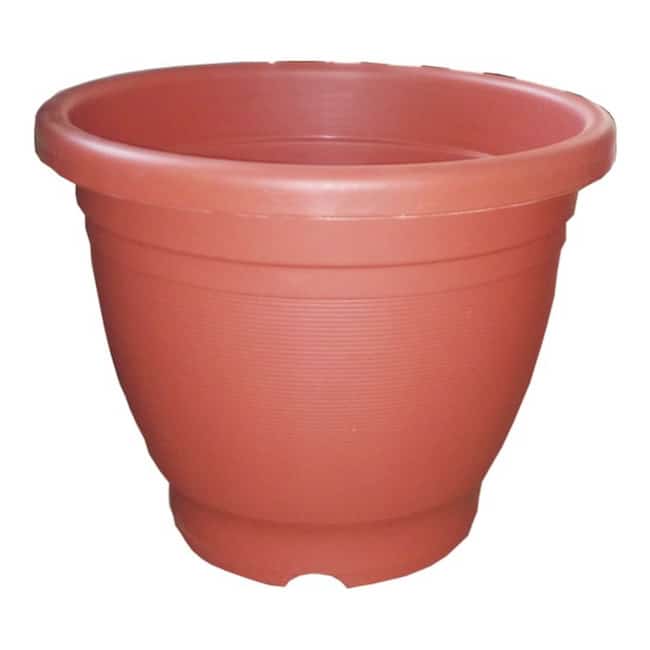
Step 1: Choose the Right Pot 🏺
✔ Size Matters – A medium-sized pot (at least 6 inches deep) gives lettuce enough room to grow.
✔ Material – Plastic, ceramic, or fabric pots are best for moisture control.
✔ Drainage is Key – Ensure the pot has drainage holes to prevent root rot.
💡 Tip: If using a clay pot, line it with a plastic bag with holes to improve moisture retention.
Step 2: Prepare the Container & Soil 🌱
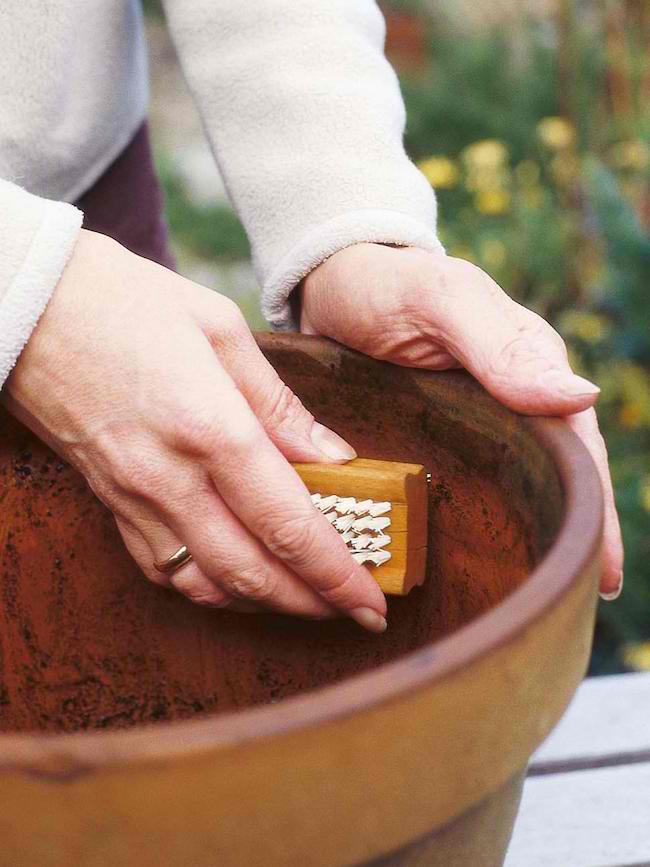
✔ Wash and disinfect the pot before planting to remove bacteria or insect eggs.
✔ Fill the container with light, well-draining potting soil.
✔ Avoid using garden soil, as it may contain harmful bacteria, weeds, or pests.
💡 Tip: Mix in compost or perlite to improve soil aeration and nutrient content.
Step 3: Plant the Lettuce Seeds 🥬
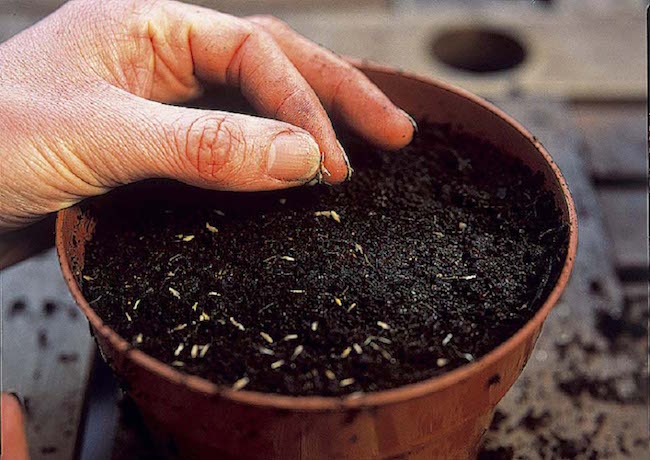
✔ Scatter 12–15 lettuce seeds evenly across the soil surface.
✔ Do not bury the seeds too deep—simply cover them with a ¼-inch layer of soil.
✔ Gently press the soil down to keep the seeds in place.
💡 Tip: Space seeds at least 1 inch apart for proper airflow and growth.

Step 4: Water the Seeds Gently 💦
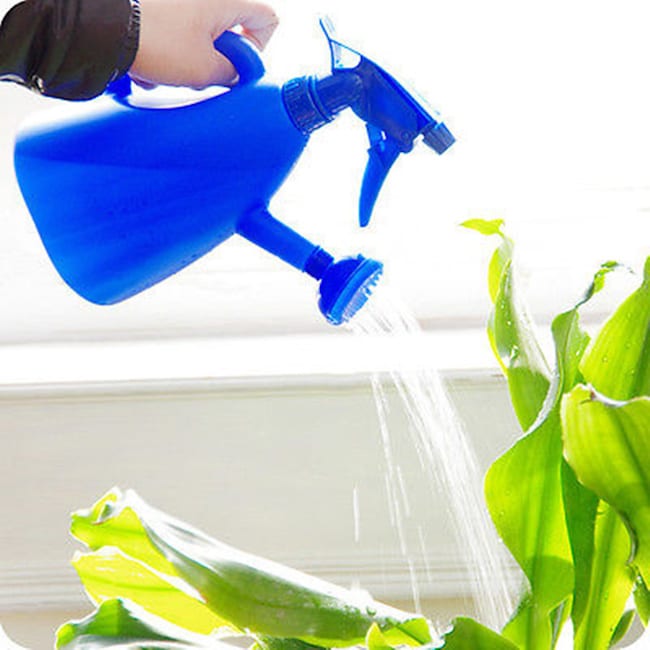
✔ Use a spray bottle to lightly mist the soil—avoid overwatering.
✔ Keep the soil consistently moist (but not soaking wet).
✔ Mist the seeds twice a day to encourage germination.
💡 Tip: If the top layer of soil feels dry, it’s time to water!
Step 5: Provide Proper Lighting ☀️💡
✔ Place the container near a sunny window (south-facing works best).
✔ Lettuce needs 12–16 hours of sunlight daily for optimal growth.
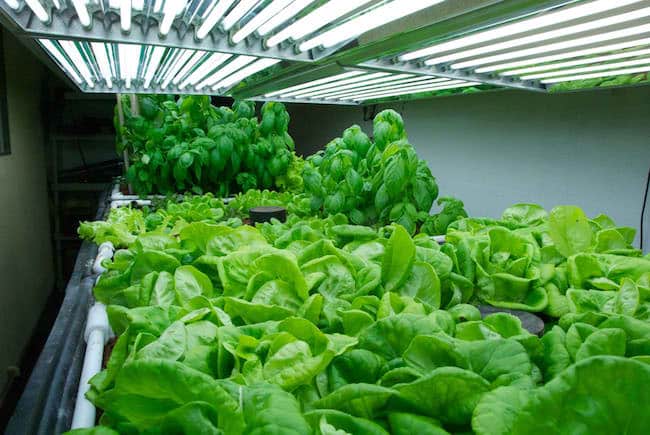
✔ If natural light is insufficient, use a fluorescent grow light to supplement.
💡 Tip: Keep grow lights 6 inches above the plants and adjust as they grow.

Step 6: Maintain Ideal Temperature & Humidity 🌡️
✔ Best temperature for lettuce: 60–70°F (15–21°C).
✔ Cooler temperatures at night (50–60°F) help lettuce grow crispier leaves.
✔ Keep humidity levels moderate—avoid dry indoor air.
💡 Tip: Use a humidifier or mist plants occasionally in dry climates.
Step 7: Fertilize Once a Week 🌿
✔ Use a mild liquid fertilizer diluted in water.
✔ Apply every 7–10 days to encourage healthy growth.
✔ Avoid over-fertilizing, which can make lettuce bitter or tough.
💡 Tip: Organic fertilizers like compost tea or fish emulsion work well!
Step 8: Water Every Other Day 💦
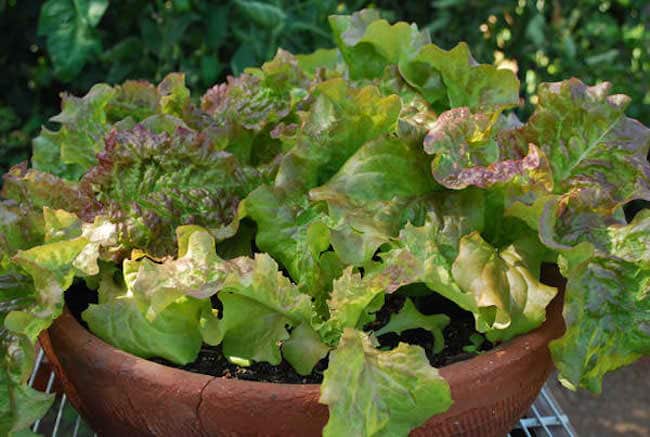
✔ Water lettuce every 1–2 days—soil should be moist but not soggy.
✔ Overwatering can cause root rot, so always check soil moisture.
💡 Tip: Stick your finger 1 inch into the soil—if it’s dry, it’s time to water.
Step 9: Harvesting Your Lettuce ✂️
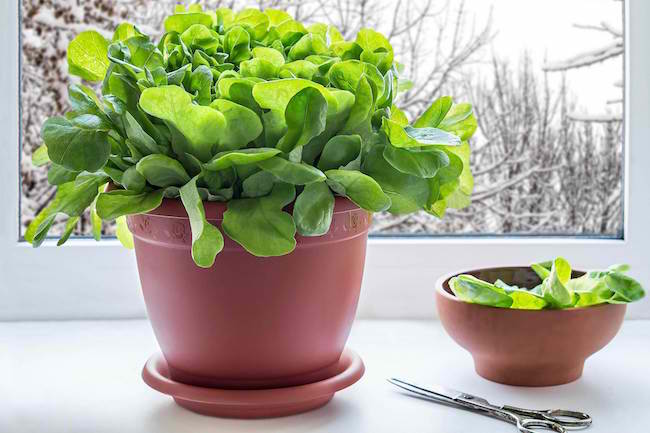
✔ Loose Leaf Varieties: Cut outer leaves and allow the center to keep growing.
✔ Head Lettuce (Romaine, Butterhead): Harvest whole heads when mature.
✔ Lettuce is ready for harvest in 4–6 weeks after planting.
💡 Tip: Harvest in the morning when leaves are crisp and full of moisture.
Bonus Tips for Growing Lettuce Indoors 🌿
✔ Rotate plants every few days to ensure even light exposure.
✔ Thin out overcrowded seedlings to allow proper air circulation.
✔ Keep plants away from heaters or air vents to prevent drying out.
✔ Use hydroponic growing methods if you want a soil-free alternative.
Frequently Asked Questions (FAQs) About Growing Lettuce Indoors
1. Can I grow lettuce indoors year-round?
Yes! With proper lighting and temperature control, you can grow lettuce indoors all year.
2. Does lettuce regrow after cutting?
Yes! Loose-leaf lettuce varieties can regrow after harvest if you leave the base intact.
3. What are the best lettuce varieties to grow indoors?
✔ Loose-Leaf Lettuce – Fast-growing & easy to harvest.
✔ Romaine Lettuce – Crisp texture & great for salads.
✔ Butterhead Lettuce – Tender leaves with a mild flavor.
4. What should I do if my lettuce starts turning yellow?
Yellowing leaves may indicate overwatering, nutrient deficiency, or lack of light. Adjust watering, fertilize lightly, and increase light exposure.
Lettuce is one of the simplest and most rewarding vegetables to grow indoors. In just 4–6 weeks, you’ll have fresh, homegrown greens right from your kitchen!