Gardening is a rewarding but time-consuming task, especially when your plants don’t cooperate as expected.
Whether you’re dealing with pests, diseases, or struggling plants, there are creative gardening hacks that can make your work easier and more productive.
Sometimes, the best gardening solutions come from unexpected tricks, like using pennies to fight disease or lemons to start seedlings.
If you love gardening but want to save time and improve your results, these 10 genius hacks will help!
1. Slow the Spread of Blight with Pennies 🏵️
Blight is a fungal disease that can wipe out an entire crop of tomatoes or potatoes if not controlled.
While there’s no cure, you can slow its spread with this simple hack!
How to Use Pennies to Control Blight:
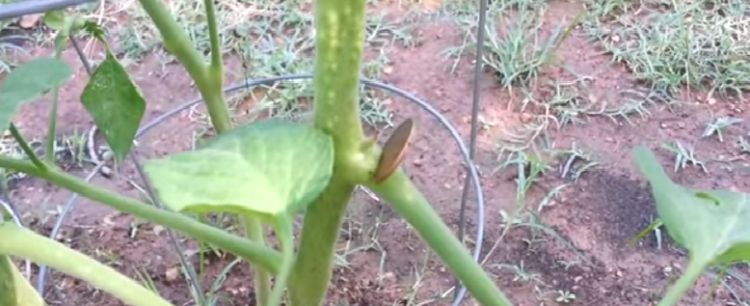
✔ Find an infected branch and slice partway through it.
✔ Insert a pre-1983 copper penny into the slit.
✔ The copper acts as a natural fungicide, reducing the spread of disease.
💡 Tip: Pennies made before 1983 contain 95% copper, which has antimicrobial properties!
2. Keep Melons Safe with Pantyhose 🍈
Growing melons or squash on a trellis is a great way to save space, but their weight can cause them to fall before ripening.
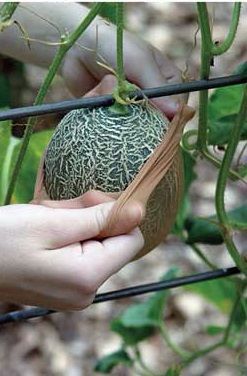
DIY Melon Sling with Pantyhose:
✔ Cut an old pair of pantyhose into strips.
✔ Create a hammock-like sling around the melon.
✔ Tie the ends to the trellis to support its weight.
💡 Tip: This method protects melons from pests and rot, as they don’t sit on the ground!
3. Keep Pests Away with Milk Jugs 🥛
New seedlings are vulnerable to insects and cold weather. Instead of buying expensive cloches, recycle plastic milk jugs to protect them.
How to Use a Milk Jug as a Mini Greenhouse:
✔ Wash and dry a gallon milk jug.
✔ Cut off the bottom and place it over your seedling.
✔ Press the jug into the soil to anchor it and keep bugs out.
💡 Tip: Remove the cap for ventilation on warm days to prevent overheating.
4. Start Seeds in a Lemon Peel 🍋
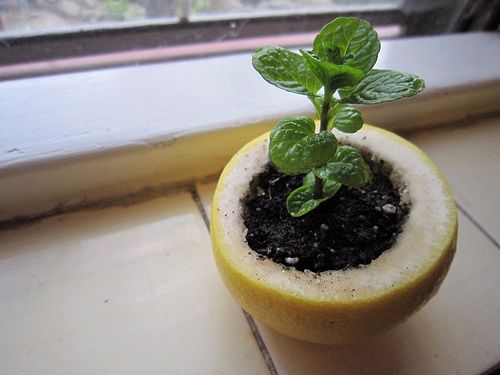
Did you know citrus peels make great biodegradable seed starters? They add nutrients to the soil and can be planted directly into the ground.
How to Grow Seedlings in a Lemon Peel:
✔ Cut a lemon in half and remove the pulp.
✔ Fill the peel with potting soil and plant your seed.
✔ Once the seedling grows, plant the whole peel in your garden.
💡 Tip: The lemon naturally fertilizes the soil as it decomposes!
5. Keep Dirt Out of Your Nails with Soap 🧼
If you hate scrubbing dirt from under your nails, this simple trick will save time.
How to Protect Your Nails Before Gardening:
✔ Run your nails across a bar of soap before heading to the garden.
✔ The soap fills in the nail gaps, preventing dirt from getting trapped.
✔ When you’re done gardening, simply wash your hands and the soap (and dirt) will rinse right off!
💡 Tip: Use a moisturizing soap to keep your hands soft after gardening.
6. Keep Slugs Away with Copper Pennies 🐌
Slugs hate copper because it reacts with their slime, creating an electric shock that repels them.
How to Use Pennies as a Slug Barrier:
✔ Glue pre-1983 copper pennies around the rim of planters or garden beds.
✔ Alternatively, place a copper strip around vulnerable plants.
💡 Tip: Use an old bowling ball or large rock and glue pennies on top for an attractive slug-proof garden feature!

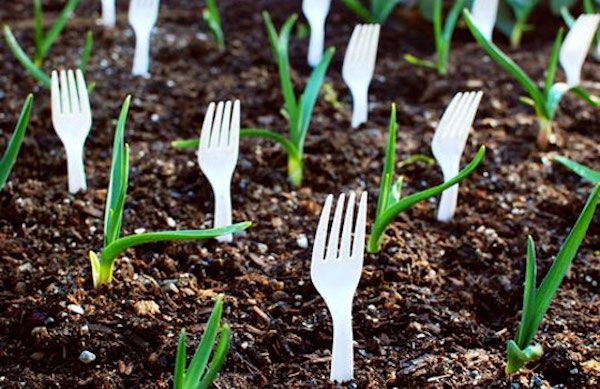
7. Use Plastic Forks to Keep Pests Away 🍴
Deer, raccoons, and rabbits love snacking on your veggies, but a few strategically placed plastic forks can deter them.
How to Use Plastic Forks in the Garden:
✔ Stick plastic forks (tines up) around seedlings and garden beds.
✔ The forks make it difficult for animals to step in without discomfort.
💡 Tip: This works especially well for vegetable gardens where deer and raccoons are a problem.
8. Use Cinnamon to Prevent Fungus 🌱
Cinnamon isn’t just for baking—it has antifungal properties that help protect young plants from root rot and damping-off disease.
How to Use Cinnamon for Plant Health:
✔ Sprinkle ground cinnamon on soil when planting seeds.
✔ Apply cinnamon to pruning cuts to prevent fungal infections.
💡 Tip: If you see mold on seedlings, lightly dust them with cinnamon to kill fungal spores.
9. Fertilize with Used Coffee Grounds ☕
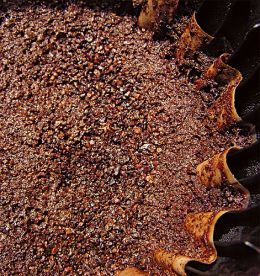
Instead of throwing away coffee grounds, use them as fertilizer to give your plants a nutrient boost!
How to Use Coffee Grounds in the Garden:
✔ Sprinkle used coffee grounds directly onto the soil.
✔ Mix coffee grounds into your compost pile for added nitrogen.
✔ Brew weak coffee and use it as a liquid fertilizer for acid-loving plants like tomatoes and roses.
💡 Tip: Avoid using fresh, unbrewed coffee grounds—they are too acidic and can harm some plants.
10. Grow Roses in Potatoes 🌹🥔
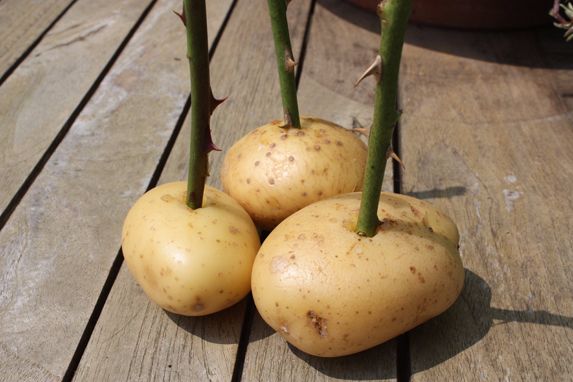
If you love growing roses, this unique trick will help cuttings root faster!
How to Root Rose Cuttings in a Potato:
✔ Cut a healthy rose stem (about 6 inches long).
✔ Poke a hole in a potato and insert the stem.
✔ Bury the potato directly in the soil.
💡 Tip: The potato provides moisture and nutrients, helping the rose establish strong roots faster!
Gardening doesn’t have to be complicated or expensive—sometimes, the best solutions come from everyday household items!
Whether you’re protecting plants, repelling pests, or boosting soil nutrients, these 10 creative hacks will save time and improve your harvest.