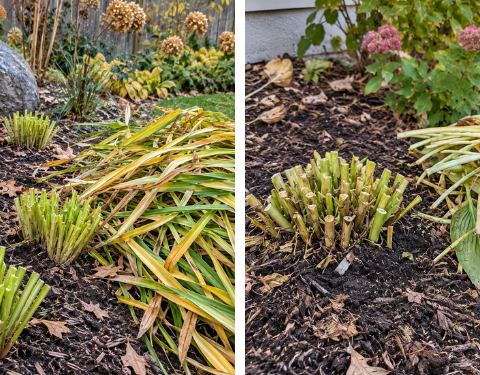
Pruning is one of the most essential but often overlooked tasks in the gardening world. Done right, it can lead to healthier plants, more flowers, increased fruit yields, and a neater garden overall.
Done wrong—or not at all—it can invite disease, reduce productivity, and leave your plants looking unruly.
So what should you actually be pruning, and when? Expert gardeners agree that regular, strategic pruning can make a huge difference in your garden’s success.
Whether you’re a beginner or seasoned green thumb, this guide outlines the 10 things professional gardeners say you should be pruning to keep your landscape thriving and your plants at peak performance.
1. Dead, Diseased, or Damaged Plant Parts
Why You Should Prune It:
This is known as the “Three Ds” rule. Removing dead, diseased, or damaged branches is a priority in any pruning job because they can drain energy from the plant and spread pests or pathogens.
When to Prune:
-
As soon as you notice the problem
-
Any time of year—don’t wait for a specific season
Expert Tip:
Always disinfect your pruning tools between cuts when dealing with disease to prevent cross-contamination.
2. Overgrown Shrubs and Hedges
Why You Should Prune It:
Regular pruning keeps shrubs and hedges compact and tidy, encourages fresh growth, and prevents them from becoming woody or leggy. It also improves air circulation, which can help prevent mildew and pests.
When to Prune:
-
Late winter or early spring for most shrubs
-
Light pruning during growing season for shaping
Expert Tip:
Don’t shear shrubs into unnatural shapes. Use hand pruners for selective thinning and a more natural look.
3. Fruit Trees
Why You Should Prune It:
Pruning fruit trees increases light penetration and airflow through the canopy, which boosts fruit production and reduces the risk of disease. It also shapes the tree and prevents overcrowding.
When to Prune:
-
Late winter or early spring while the tree is dormant
Expert Tip:
Remove inward-growing branches and suckers (shoots from the base), and keep the center of the tree open in a “vase” or open leader shape.
4. Tomato Plants
Why You Should Prune It:
Tomatoes are vigorous growers, and pruning improves airflow, reduces disease, and encourages better fruit production. Removing suckers (small shoots between the main stem and a branch) prevents energy from being wasted on non-productive growth.
When to Prune:
-
Start pruning suckers when plants are 12–18 inches tall
-
Continue lightly pruning throughout the growing season
Expert Tip:
Stick with one or two main stems (especially for indeterminate varieties) for best yield and structure.
5. Perennials After Blooming
Why You Should Prune It:
Deadheading and pruning back spent flowers from perennials promotes a second bloom or keeps the plant looking neat and tidy. Some perennials can even rebloom if pruned properly.
When to Prune:
-
After the first bloom fades
-
Cut back foliage in fall for overwintering
Expert Tip:
Avoid cutting back too early in fall—leaving seed heads on plants like coneflowers can provide food for birds in winter.
6. Roses
Why You Should Prune It:
Proper pruning leads to more blooms, healthier canes, and improved shape. Removing dead or weak stems allows the plant to redirect energy into stronger, flowering canes.
When to Prune:
-
Late winter or early spring just as new growth begins
Expert Tip:
Make angled cuts just above outward-facing buds. Always remove crossing canes and thin out the center for airflow.
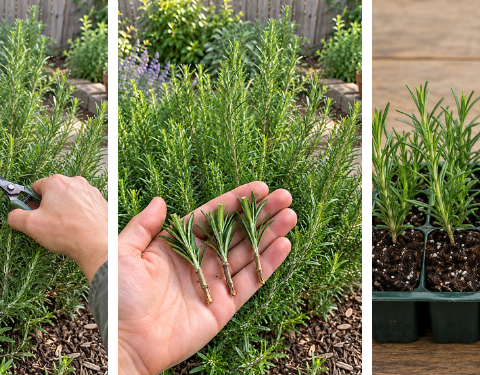
7. Herbs (Especially Woody Ones Like Thyme, Rosemary, and Sage)
Why You Should Prune It:
Pruning keeps herbs from getting woody and leggy, and it stimulates fresh, flavorful growth. Harvesting herbs is a form of pruning that encourages bushier plants.
When to Prune:
-
Regularly during the growing season
-
Heavy pruning in spring to reshape after winter
Expert Tip:
Never cut into the woody base—trim back green growth only to avoid killing the plant.
8. Hydrangeas (Depending on the Type)
Why You Should Prune It:
Hydrangeas benefit from selective pruning to improve blooms and shape—but only certain types should be pruned annually.
When to Prune:
-
Bigleaf (macrophylla) and oakleaf hydrangeas: prune immediately after flowering
-
Panicle and smooth hydrangeas: prune in late winter or early spring
Expert Tip:
Know your hydrangea type—pruning at the wrong time can remove next year’s flower buds.
9. Climbing Vines (Like Clematis and Wisteria)
Why You Should Prune It:
Without regular pruning, climbing vines can become overgrown and strangle their own growth. Pruning also encourages more flowers and manageable growth.
When to Prune:
-
Clematis: depends on variety (Group 1, 2, or 3); most common pruning is after flowering
-
Wisteria: prune in late winter and again in summer to control size and shape
Expert Tip:
Train vines early by tying them to a trellis or support. Regular light pruning maintains shape and promotes blooms.
10. Houseplants
Why You Should Prune It:
Indoor plants benefit from occasional trimming to remove dead or yellowing leaves, control size, and encourage bushier growth. It’s also helpful to remove leggy stems or shape the plant for better aesthetics.
When to Prune:
-
Anytime during the growing season (spring through early fall)
-
Light maintenance can be done year-round
Expert Tip:
Use clean scissors and avoid over-pruning. For vining plants like pothos or philodendron, cutting above a node encourages new growth.
Bonus Pruning Tips from the Pros:
-
Always use clean, sharp tools to prevent damaging the plant or spreading disease.
-
Prune at the right angle and location—cut just above a leaf node or outward-facing bud.
-
Don’t overdo it. Excessive pruning can stress plants or reduce flowering and fruiting.
-
When in doubt, research the specific plant before you prune—especially for flowering shrubs and trees that bloom on old wood.
Whether you’re growing vegetables, tending to fruit trees, or maintaining ornamental shrubs, pruning is key to a productive, beautiful, and healthy garden.
By understanding what to prune, when to do it, and how to cut correctly, you’ll see better blooms, bigger harvests, and fewer pest and disease problems.
Don’t fear the snip! With a little knowledge and the right tools, pruning becomes one of the most powerful tools in your gardening toolbox.