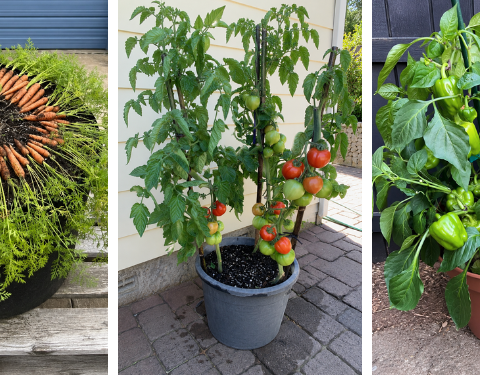
Tomatoes are one of the most rewarding garden vegetables to grow—especially when you can harvest 50 to 80 pounds of tomatoes per plant!
While it may sound ambitious, it’s absolutely achievable with the right care, planning, and techniques.
Whether you’re a home gardener, hobbyist, or urban grower, the secret to high-yield tomato plants lies in soil health, strategic planting, feeding schedules, pruning, and variety selection.
In this comprehensive guide, we’ll walk you through 10 proven steps to maximize your tomato yield, ensuring that every plant you grow becomes a heavy producer bursting with sweet, juicy fruit.
1. Choose High-Yielding Tomato Varieties
The first step to achieving massive tomato harvests is starting with the right tomato variety. Not all tomatoes are bred equally—some are better for large yields, while others focus on size or flavor.
If yield is your top priority, select indeterminate (vining) varieties, which continue producing fruit throughout the season.
Best High-Yielding Tomato Varieties:
- Big Beef
- Better Boy
- Sungold (cherry)
- Super Sweet 100
- Brandywine (heirloom)
- Celebrity
- Cherokee Purple
Indeterminate tomatoes can produce continuously for months when cared for properly, often delivering 50 pounds or more per plant with ideal conditions.
2. Start with Healthy, Strong Seedlings
Whether you’re starting from seed or buying transplants, healthy seedlings set the foundation for success.
Look for:
- Dark green leaves
- Sturdy stems
- No signs of yellowing, spots, or pests
If growing from seed, start 6–8 weeks before your last frost date. Provide strong lighting and proper airflow to prevent leggy, weak plants.
Before planting outside, harden off your tomato seedlings for 7–10 days by gradually introducing them to outdoor conditions. This reduces transplant shock and helps them adjust to real sunlight and wind.
3. Use Deep, Nutrient-Rich Soil
Tomatoes are heavy feeders and require rich, well-draining soil loaded with organic matter.
Ideal Soil Conditions:
- pH level: 6.0–6.8
- Texture: Loamy and loose
- Add compost, aged manure, or worm castings before planting
- Mix in rock phosphate, bone meal, or kelp meal for long-term nutrients
Raised beds and large containers (minimum 15 gallons per plant) are excellent for controlling soil quality and preventing compaction.
4. Plant Tomatoes Deep
Unlike many other vegetables, tomatoes thrive when planted deep. Bury the stem up to the top few leaves—roots will form along the buried portion of the stem, creating a stronger root system.
This ensures better nutrient and water absorption, stabilizing the plant and boosting productivity.
Pro Tip: Lay the seedling sideways in a trench if it’s leggy, and gently angle it upward toward the sun.
5. Feed Regularly with the Right Fertilizer
To get huge yields, your tomato plants need consistent feeding.
Feeding Schedule:
-
At planting: Mix compost and a slow-release organic fertilizer into the soil.
-
Every 2–3 weeks: Apply a liquid fertilizer high in phosphorus and potassium once flowering begins.
-
During fruiting: Use tomato-specific fertilizers with balanced NPK like 5-10-10 or 4-6-8.
Avoid overdoing nitrogen, especially early on, as this encourages leafy growth at the expense of fruit.
6. Water Deeply and Consistently
Inconsistent watering causes problems like blossom end rot, fruit cracking, and stress. Tomatoes need 1–2 inches of water per week, depending on weather and soil.
Tips for Watering:
- Water deeply at the base—not overhead—to avoid fungal diseases.
- Use mulch to retain moisture and regulate temperature.
- Consider a drip irrigation system for hands-free consistency.
Avoid letting soil dry out completely between watering, especially during flowering and fruit development.
7. Prune for Maximum Airflow and Fruit Production
Pruning is essential to keep your tomato plants healthy and productive.
How to Prune:
- Remove suckers (the shoots growing in the leaf axils between the main stem and branches).
- Remove lower leaves that touch the ground to prevent soil-borne diseases.
- Prune to create an open structure with good airflow.
Pruning redirects energy toward fruit development instead of excessive foliage, especially in indeterminate varieties.
8. Support with Strong Trellising or Cages
Tomato plants can grow 6–10 feet tall and need support to avoid sprawling on the ground.
Best Support Systems:
- Sturdy tomato cages (galvanized steel preferred)
- Vertical trellising with stakes or T-posts
- Florida weave method for rows of plants
Proper support allows better sunlight exposure, air circulation, and makes harvesting easier.
9. Pollinate for Better Yields
In outdoor gardens, bees and wind often do the pollination work—but in greenhouses or still conditions, tomatoes may need a helping hand.
Boost Pollination:
- Gently shake the flowering branches daily to mimic wind.
- Use a small electric toothbrush or cotton swab to manually transfer pollen.
- Attract pollinators with flowers like basil, marigold, or lavender nearby.
Consistent pollination leads to more fruits per cluster, maximizing your plant’s potential yield.
10. Harvest Often and Keep Plants Clean
Once your tomatoes begin ripening, harvest regularly to encourage the plant to keep producing.
More Harvesting Tips:
- Pick fruits when they are fully colored but still firm.
- Don’t let overripe fruits stay on the vine—this signals the plant to slow production.
- Remove damaged or diseased fruits promptly.
Keep your garden clean and remove any dropped leaves or fruit to deter pests and diseases. This small habit keeps your plants healthy longer and contributes to sustained productivity.
Bonus Tips for Even More Tomatoes
- Mulch deeply with straw, grass clippings, or compost to suppress weeds and retain moisture.
- Rotate crops each year to prevent disease buildup in the soil.
- Grow companion plants like basil, borage, and marigolds to repel pests and attract pollinators.
- Avoid overhead watering to minimize fungal issues.
- Inspect regularly for pests like aphids, hornworms, or whiteflies.
Growing 50–80 pounds of tomatoes from a single plant is not only possible—it’s achievable with intentional care, smart techniques, and a bit of dedication.
The key lies in choosing high-yielding varieties, enriching your soil, maintaining consistent care, and giving your tomato plants the best chance to thrive.
Imagine stepping into your garden and harvesting basket after basket of juicy tomatoes, perfect for salads, sauces, canning, and sharing with friends.
With these 10 steps, your tomato plants will go from average to abundant producers, turning your garden into a summer-long source of fresh, delicious fruit.