Succulents are among the most popular plants for outdoor gardens due to their low maintenance, drought resistance, and stunning appearance.
Whether you’re a beginner or an experienced gardener, growing succulents outdoors successfully requires the right care, location, and techniques.
In this guide, we’ll explore 10 secrets for growing healthy succulents outdoors, ensuring your plants thrive in any climate.
1. Choose the Right Succulent Varieties
Not all succulents are suited for outdoor growing. Some prefer warm, dry climates, while others can tolerate cooler temperatures.
Best Outdoor Succulents:
✔ Sedum – Cold-hardy and adaptable to different soils.
✔ Echeveria – Prefers dry conditions with plenty of sun.
✔ Agave – Thrives in hot, arid climates.
✔ Aloe Vera – Requires well-draining soil and occasional watering.
✔ Sempervivum (Hens and Chicks) – Can survive freezing temperatures.
💡 Tip: Research your local climate to select succulents that will thrive in your area.
2. Provide Well-Draining Soil
Succulents hate sitting in waterlogged soil, which can lead to root rot. The right soil mix is essential for healthy growth.
Best Soil Mix for Outdoor Succulents:
✔ 2 parts coarse sand or perlite ✔ 1 part potting soil ✔ 1 part pumice or gravel
💡 Tip: Avoid heavy garden soil. If growing in the ground, amend the soil with sand and perlite to improve drainage.
3. Water Smartly – Less Is More
Overwatering is the #1 killer of succulents. Since these plants store water in their leaves, they need far less water than traditional garden plants.
Watering Schedule:
✔ Spring & Summer: Once every 7-10 days, depending on rainfall.
✔ Fall & Winter: Once every 3-4 weeks, or when soil is completely dry.
✔ Rainy Climates: Reduce watering frequency significantly.
💡 Tip: Water deeply but infrequently, ensuring the soil is dry before watering again.
4. Ensure Proper Sunlight Exposure
Most succulents thrive in full sun, but some varieties can get sunburned in extreme heat.
Sunlight Needs:
✔ Full sun (6+ hours/day): Agave, Cactus, Sedum.
✔ Partial sun (4-6 hours/day): Echeveria, Aloe, Haworthia.
✔ Shade-tolerant (2-4 hours/day): Snake plant, Jade plant.
💡 Tip: Acclimate succulents to direct sunlight gradually to prevent sun scorch.
5. Protect Succulents from Extreme Weather
Although succulents are hardy, extreme weather conditions can damage them.
Cold Protection:
✔ Move potted succulents to a sheltered area during frost.
✔ Cover in-ground succulents with row covers or blankets.
✔ Use mulch to insulate roots during winter.
Heat Protection:
✔ Provide afternoon shade in extreme heat.
✔ Water early in the morning to prevent dehydration.
💡 Tip: Choose cold-hardy succulents if you live in a region with freezing temperatures.
6. Use Raised Beds or Containers for Better Drainage
If your garden has clay or compacted soil, growing succulents in raised beds or containers can improve drainage and prevent root rot.
Container Tips:
✔ Use terra cotta or unglazed pots with drainage holes.
✔ Elevate containers with pot feet to prevent water accumulation.
✔ Choose wide and shallow pots to accommodate succulent root systems.
💡 Tip: Grouping succulents with similar watering needs in the same container makes maintenance easier.
7. Fertilize Sparingly for Better Growth
Unlike other plants, succulents don’t require frequent fertilizing. However, occasional feeding can promote healthy growth and vibrant colors.
Best Fertilizers for Succulents:
✔ Diluted liquid fertilizer (half-strength)
✔ Slow-release succulent fertilizer
✔ Compost tea for organic nutrition
Feeding Schedule:
✔ Spring & Summer: Fertilize once a month.
✔ Fall & Winter: No fertilization needed.
💡 Tip: Too much fertilizer can make succulents leggy and weak. Always use a diluted solution.
8. Control Pests Naturally
Succulents are generally pest-resistant, but common outdoor pests can still cause problems.
Common Pests & Solutions:
✔ Mealybugs: Spray with rubbing alcohol (70%) or insecticidal soap.
✔ Aphids: Use a neem oil solution.
✔ Snails & Slugs: Apply crushed eggshells or diatomaceous earth around the plants.
✔ Fungus Gnats: Reduce watering and add a layer of sand on top of the soil.
💡 Tip: Inspect plants regularly to catch pests early.
9. Propagate to Expand Your Succulent Garden
One of the best things about succulents is their ability to propagate easily.
Propagation Methods:
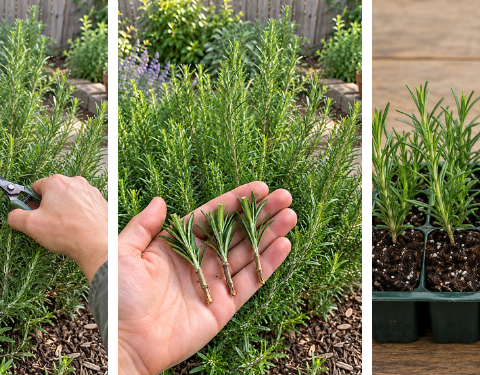
✔ Leaf Cuttings: Remove a healthy leaf, let it dry, then place it on soil.
✔ Stem Cuttings: Cut a piece of stem, let it callous, then plant it.
✔ Offsets (Pups): Separate small rosettes growing at the base.
✔ Division: Split a larger plant into sections.
💡 Tip: Let cuttings dry for 2-3 days before planting to prevent rot.
10. Maintain Your Succulents Year-Round
To keep succulents healthy, regular maintenance is key.
Ongoing Care Tips:
✔ Remove dead leaves to prevent rot and pests.
✔ Repot every 2-3 years to refresh soil and prevent overcrowding.
✔ Prune overgrown succulents to maintain shape and size.
✔ Monitor for root rot by checking soil moisture regularly.
💡 Tip: If a succulent becomes leggy, move it to a brighter location and trim excess growth.
Growing healthy succulents outdoors requires the right balance of light, water, soil, and care. By following these 10 secrets, you’ll have a stunnin, low-maintenance succulent garden that thrives in any climate.