

Adding purple vegetables to your garden is an easy way to bring vibrant color and extra nutrition to your backyard.
These stunning vegetables don’t just make your garden beds look spectacular—they also pack powerful health benefits thanks to the compounds that give them their rich hues.
Purple vegetables are rich in anthocyanins, naturally occurring pigments that give plants their purple, violet, and blue colors.
These antioxidants help protect plants from environmental stress like harsh sunlight and cold weather, and they offer impressive health benefits for humans as well, such as reducing inflammation and fighting free radicals.
Many purple vegetables can be eaten raw to preserve their vivid color and nutrients, although some varieties retain their brilliance even after cooking.
If you’re looking to grow a garden that’s both visually striking and incredibly nourishing, consider planting some of these colorful options.
Here are 10 stunning purple vegetables you should consider growing.
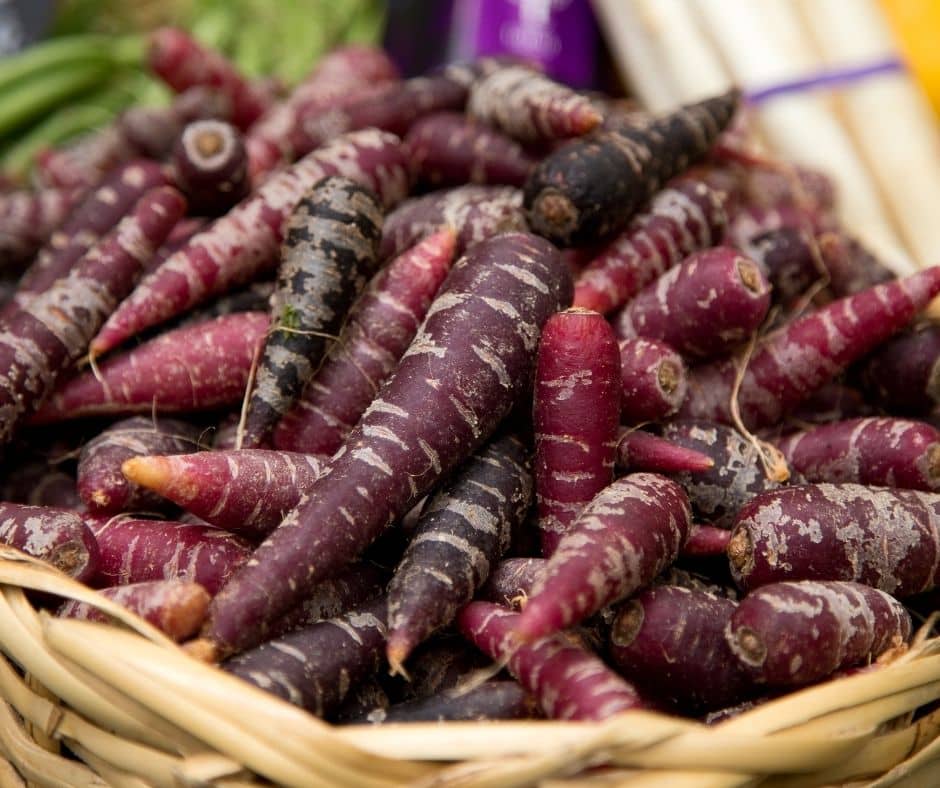
1. Purple Carrots
Believe it or not, carrots were originally purple or yellow before the familiar orange varieties became popular.
Purple carrots are just as easy to grow as traditional ones and thrive when seeds are sown directly into the soil.
Two striking varieties are:
- Purple Haze: Dark purple skin with a bright orange interior, perfect for colorful salads.
- Black Nebula: Deep purple through and through, even after cooking, offering a dramatic look and a boost of antioxidants.
Purple carrots are sweet, crisp, and a showstopper in any vegetable patch.
2. Purple Kale
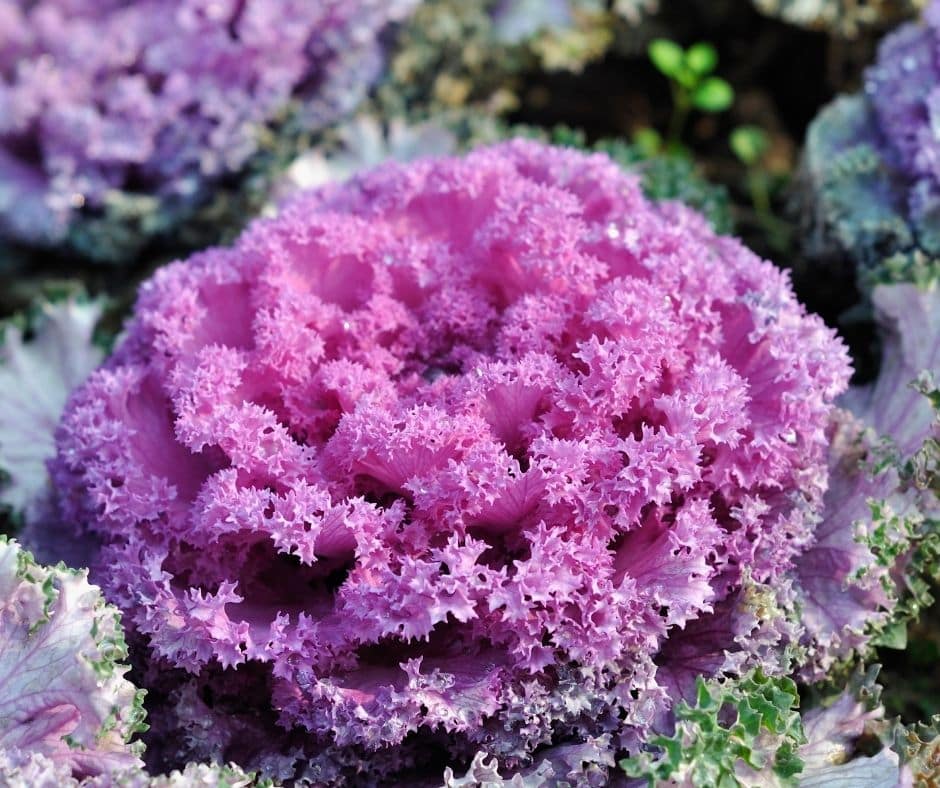
Kale is a hardy, versatile vegetable, and some varieties come in vibrant shades of purple.
- Red Russian Kale: Features purple stems and green leaves tinged with violet.
- Redbor Kale: Offers dark, curly, deep purple leaves that are highly ornamental and tasty.
Pick young kale leaves for tender salads, or let them mature and use them for steaming, sautéing, or blending into smoothies for a nutrient-packed boost.
3. Purple Cabbage
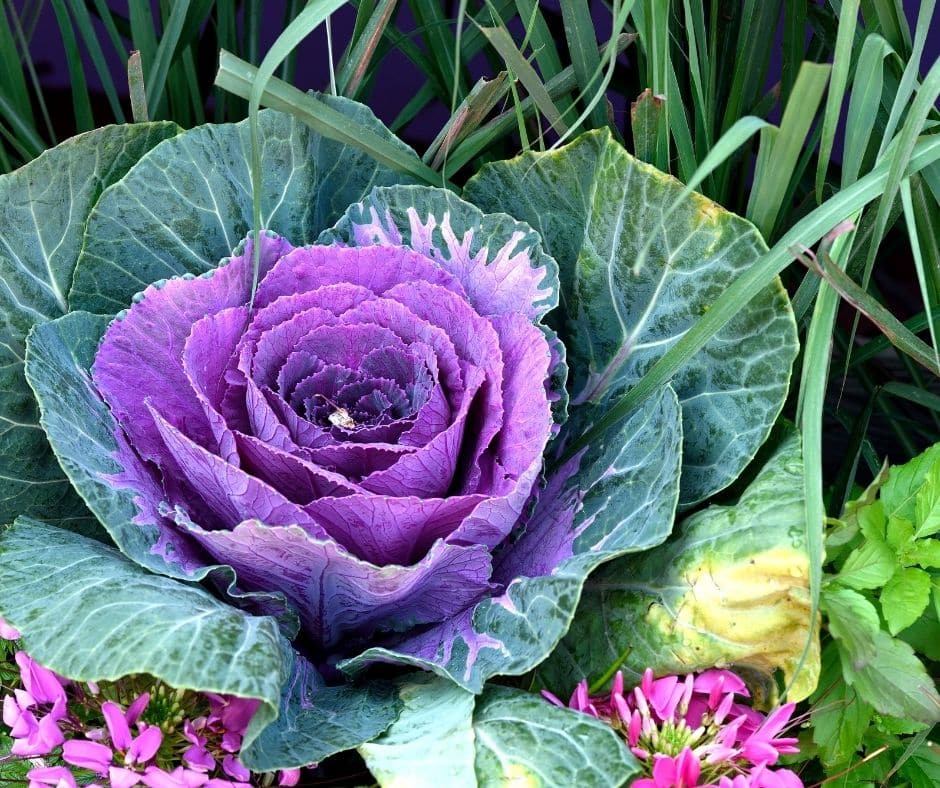
A staple in many gardens, purple cabbage is not only delicious but incredibly colorful.
Its bright, jewel-toned leaves make it an eye-catching addition to garden beds and kitchen plates. Shredded purple cabbage adds crunch and color to salads, coleslaw, and stir-fries.
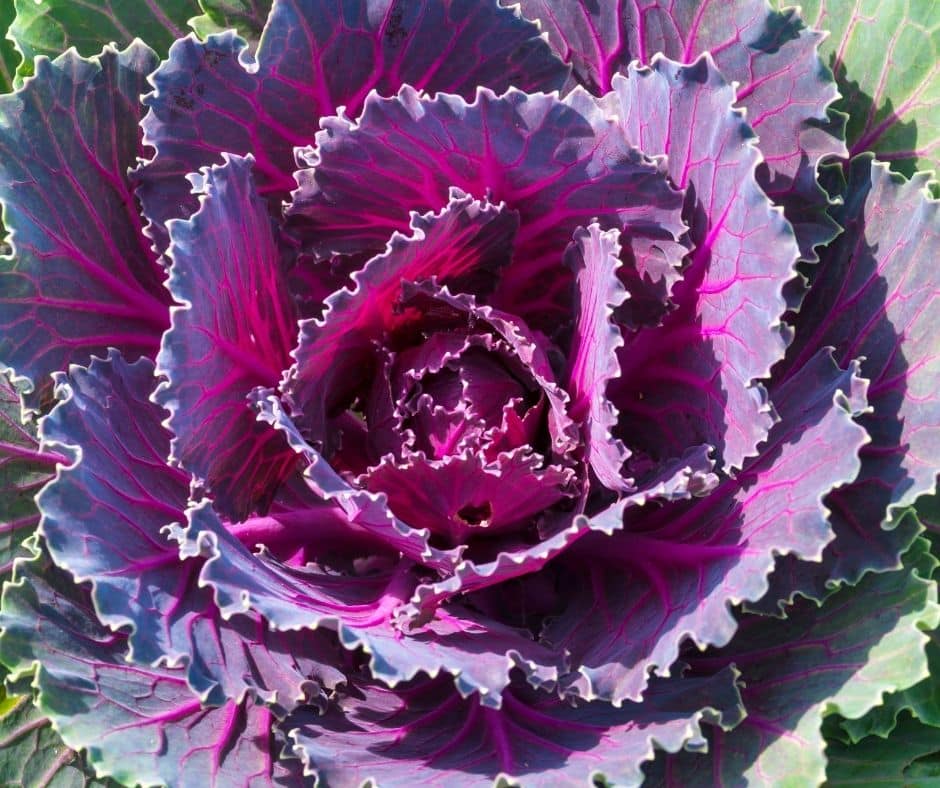
You can also grow ornamental cabbages, which have ruffled purple and green leaves. They are edible, though slightly bitter, and are often grown mainly for their decorative value in flower beds.
4. Purple Cauliflower
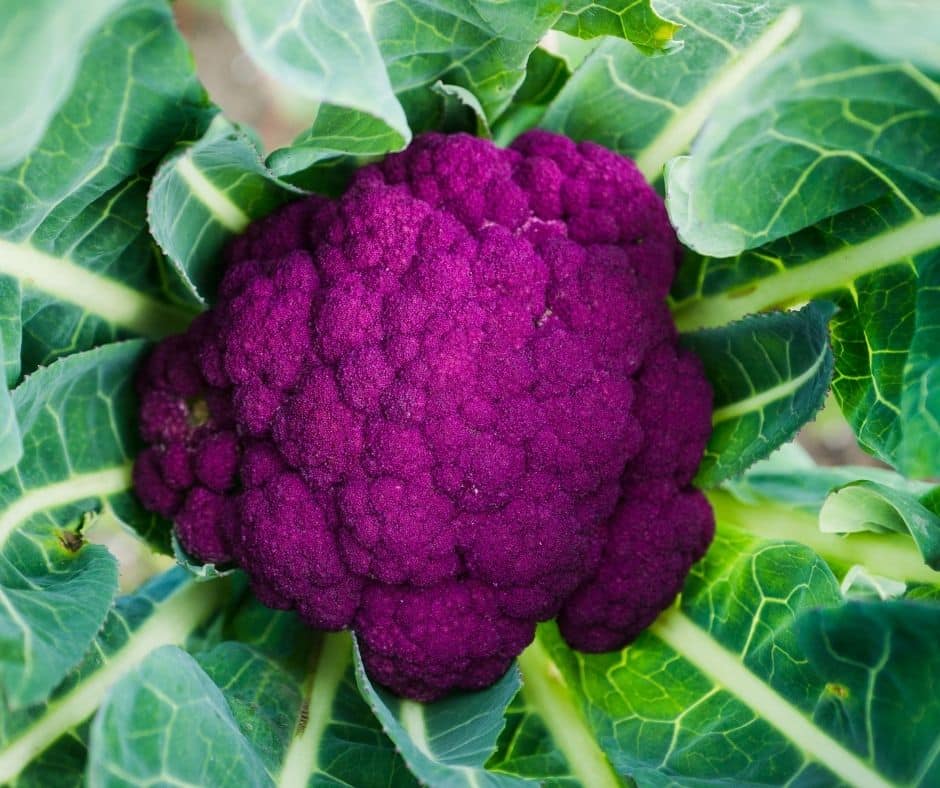
Cauliflower doesn’t have to be white. Purple cauliflower brings a bold splash of color to vegetable gardens and dishes alike.
Varieties like Graffiti Purple or Purple Head cauliflower are not only vibrant but also rich in anthocyanins. They grow best during the cooler seasons, so planting in the fall or early winter ensures robust growth and beautiful heads.
Roasted or raw, purple cauliflower is sure to impress with its striking color and slightly nutty flavor.
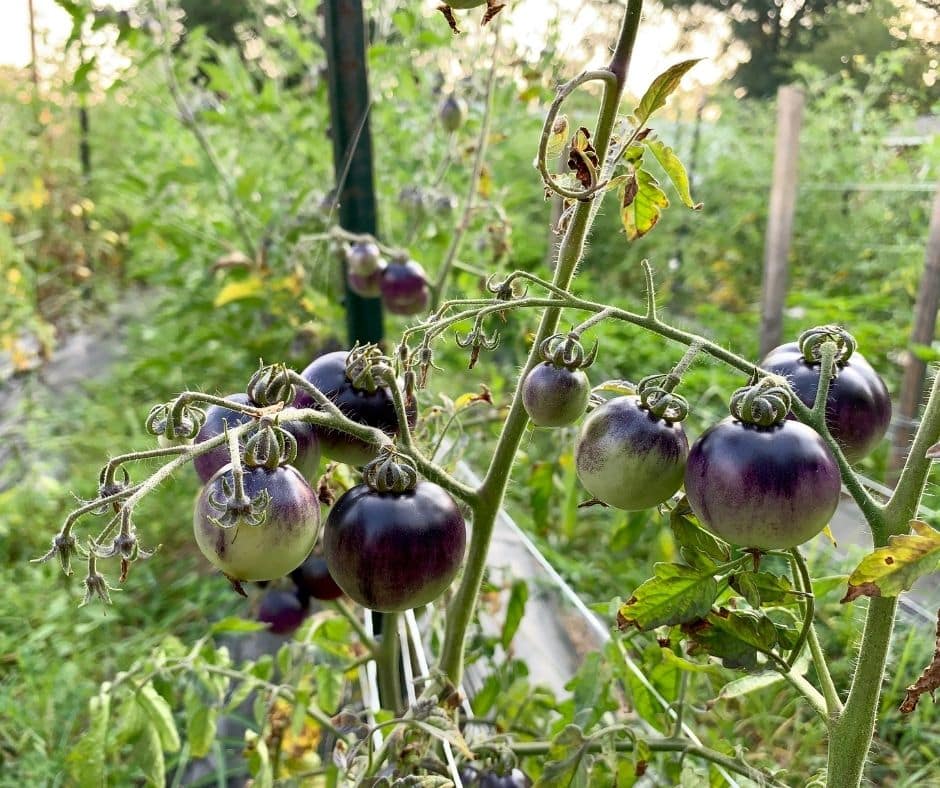
5. Purple Tomatoes
While red tomatoes are garden classics, there are purple tomato varieties that offer rich color and unique flavors.
Popular types include:
- Indigo Rose: Deep purple skin packed with antioxidants.
- Cherokee Purple: A heritage variety known for its rich, sweet flavor and dusky color.
These tomatoes add beautiful depth to salads, sauces, and sandwiches, making them a fantastic way to introduce purple hues to your harvest.
6. Purple Beans
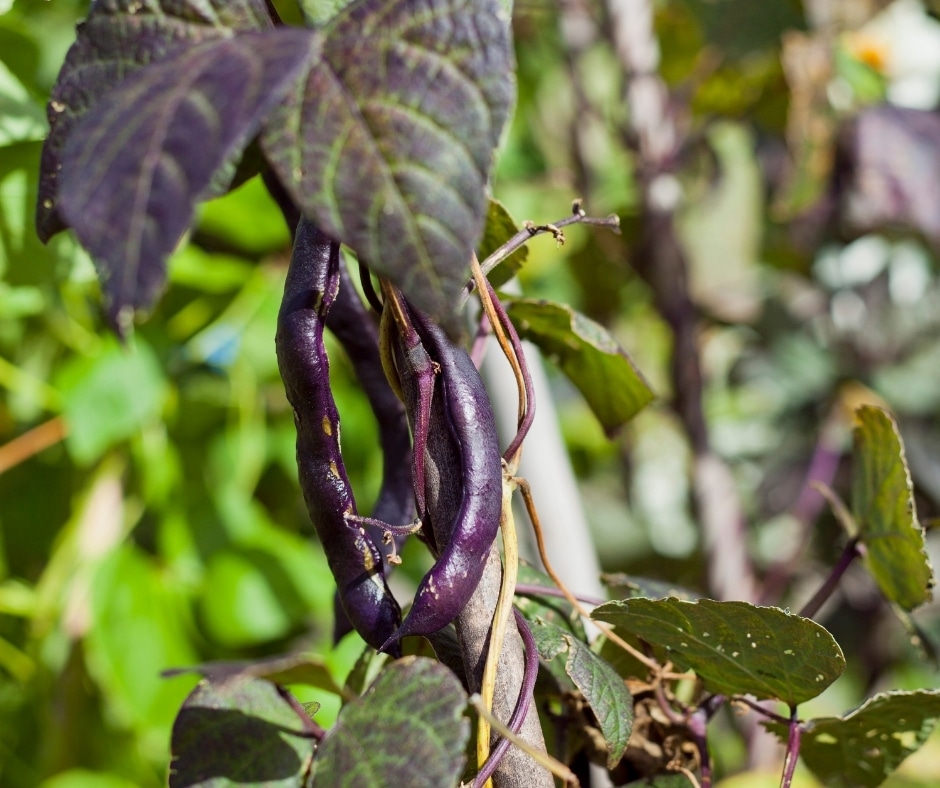
Purple beans are not only delicious but also incredibly decorative as they climb trellises and arbors.
Varieties like Royal Burgundy produce vibrant purple pods that are easy to spot against green foliage.
Interestingly, when cooked, purple beans often turn green, but when eaten raw, they retain their beautiful color and provide a crunchy, sweet snack.
Planting purple beans adds vertical interest to your garden and maximizes growing space in smaller areas.
7. Purple Kohlrabi
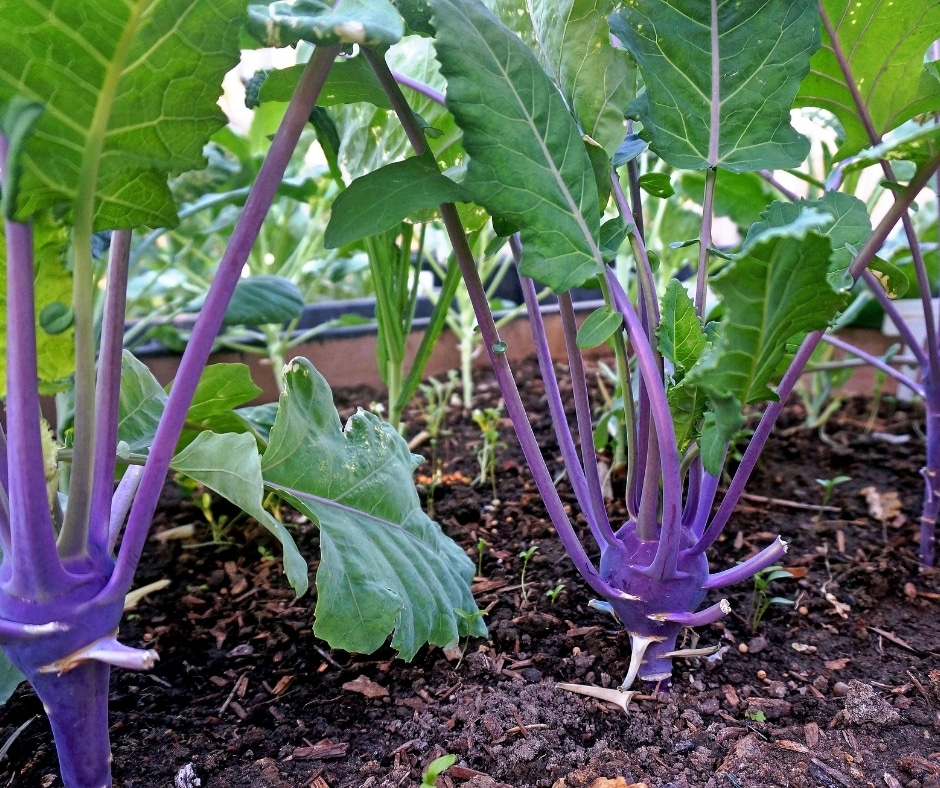
Kohlrabi is a unique vegetable that’s related to cabbage and broccoli, and it comes in stunning purple varieties.
The edible part is a swollen stem that grows just above the soil line, and it has a crisp, juicy texture similar to a mild turnip.
Purple kohlrabi varieties have vibrant skins with pale flesh inside, offering a fantastic pop of color in the garden and on the plate.
Both the bulbs and leaves are edible—the leaves are delicious sautéed or added to salads.
8. Purple Lettuce
Many varieties of lettuce feature shades of purple, burgundy, or deep red, making them perfect for colorful, textured salads.
Varieties to consider:
- Merlot Lettuce: Deep burgundy leaves that stay colorful even in hot weather.
- Red Sails: Loose-leaf lettuce with a red-purple tint.
- Lollo Rosso: A frilly, red-tinged variety that’s tender and attractive.
Mixing purple and green lettuces in garden rows or containers creates a striking visual contrast and adds diversity to your harvest.
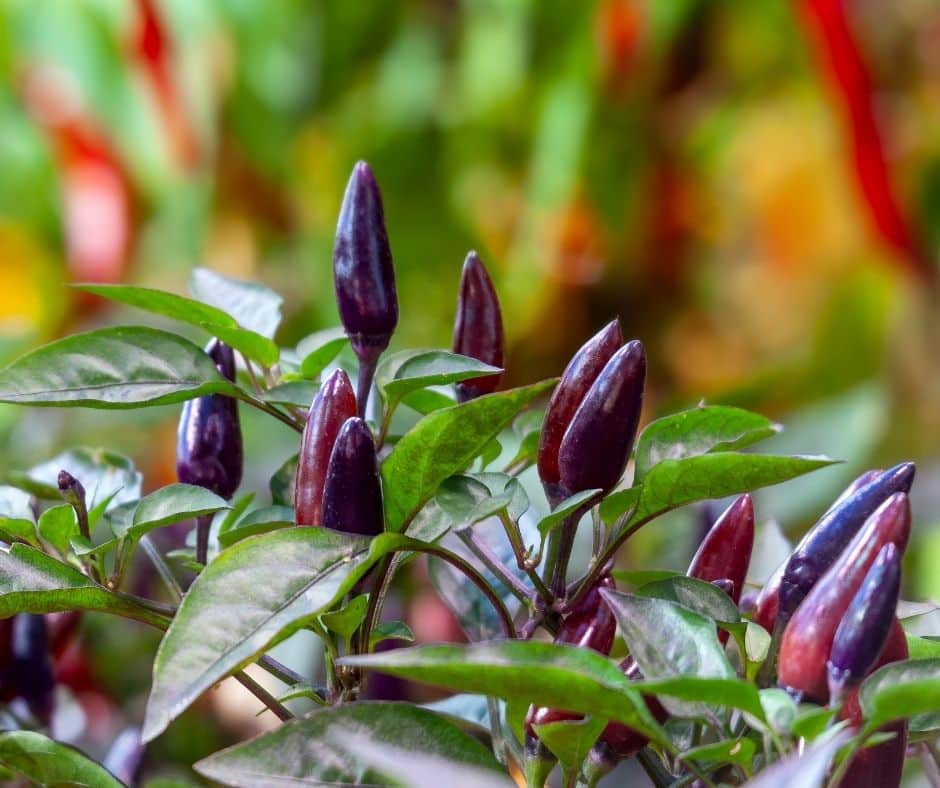
9. Purple Peppers
Both sweet bell peppers and hot chili peppers can be found in stunning shades of purple.
Popular varieties include:
- Purple Beauty Bell Pepper: A blocky, sweet pepper that starts green and matures to a vibrant purple.
- Purple Jalapeños: Offering a colorful twist on the classic spicy pepper.
Peppers thrive in warm climates and sunny spots, so ensure they have at least six hours of sun daily for the best color and yield. They’re a beautiful and tasty addition to any summer garden.
10. Eggplants (Aubergines)
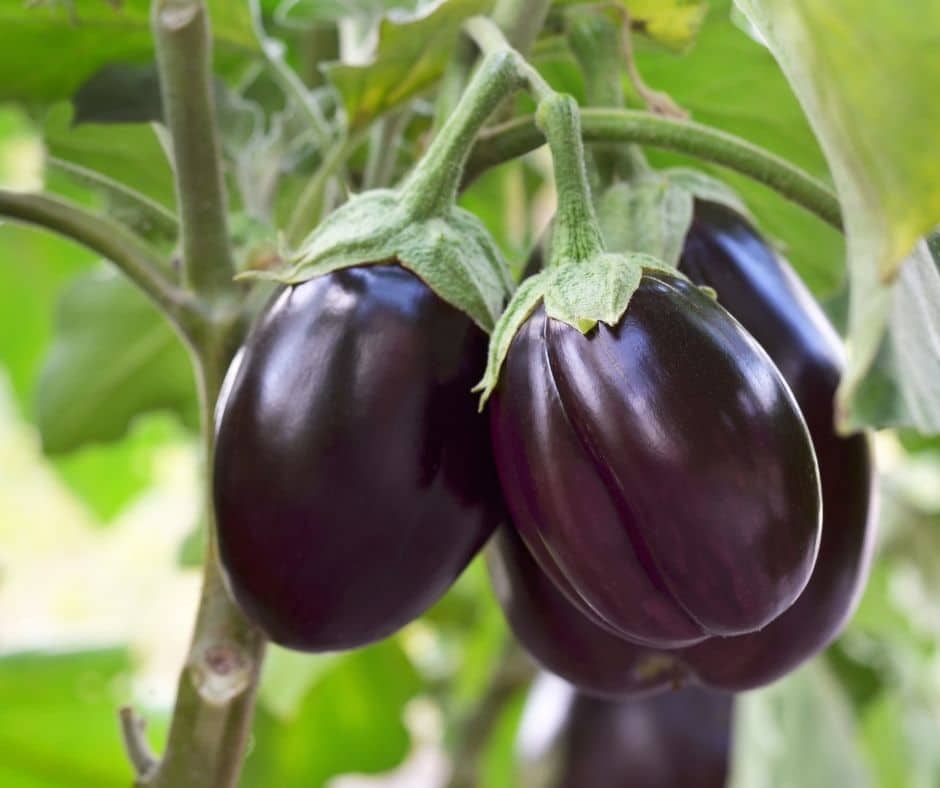
No list of purple vegetables would be complete without eggplants.
Known for their deep, glossy purple skin, eggplants come in many shapes and sizes, including slender varieties like Ichiban and globe types like Black Beauty.
There are also striped varieties like Fairy Tale, which feature streaks of white and purple.
The skin of the eggplant contains the majority of its anthocyanins, so it’s best to cook with the skin intact to maximize nutritional benefits.
Eggplants are versatile in the kitchen and can be grilled, roasted, baked, or added to stews.
Growing purple vegetables not only brings vivid beauty to your garden but also boosts the nutritional value of your harvests.
These richly pigmented plants are loaded with antioxidants that benefit your health while creating gardens that stand out with striking colors and textures.
Whether you’re adding purple beans to your trellises, planting a patchwork of purple lettuces, or roasting a colorful mix of purple carrots and cauliflower, embracing purple vegetables can transform both your garden and your meals.


