If you’re dreaming of growing your own fresh vegetables but have limited space—don’t worry. Container vegetable gardening is the perfect solution for balconies, patios, small yards, or even sunny windowsills.
With just a few pots, quality soil, and the right amount of sunlight, you can grow a productive vegetable garden in containers, no matter how small your space is.
To succeed with vegetables in pots, you’ll need to ensure a few basics: at least 6 hours of sunlight per day, well-draining potting mix, adequate watering, and containers with good drainage.
Compact, dwarf, or hybrid varieties are often best suited for small spaces as they require less room to grow while still offering a great harvest.
Here’s a detailed list of 10 ideal vegetables to grow in containers, including care tips, pot sizes, and best practices to ensure a healthy, productive harvest.
1. Cucumbers
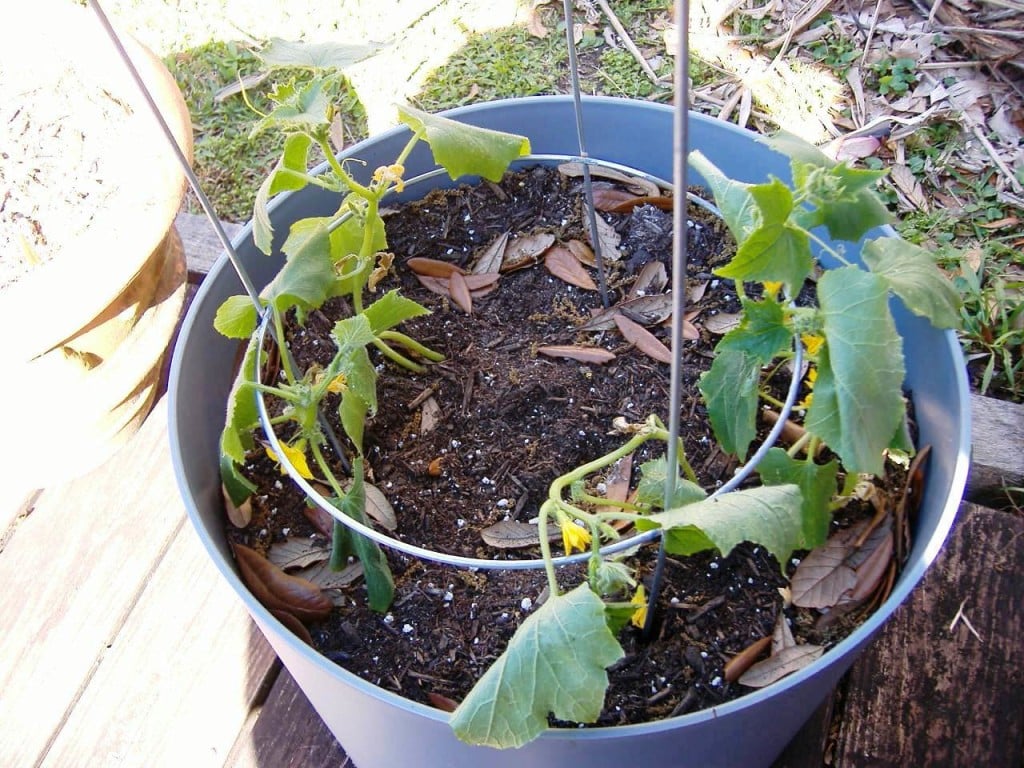
Cucumbers are one of the easiest and most satisfying vegetables to grow in pots, especially if you love fresh salads and homemade pickles. They are known as “heavy feeders,” meaning they need rich soil and consistent watering to thrive.
-
Pot size: At least 12-18 inches deep and wide
-
Sunlight: Full sun (6–8 hours per day)
-
Care tips: Use a trellis or cage to support vining types, or choose bush varieties like ‘Bush Champion’ or ‘Spacemaster.’ Keep the soil consistently moist but not waterlogged. Mulch can help retain moisture and reduce watering frequency.
2. Beans
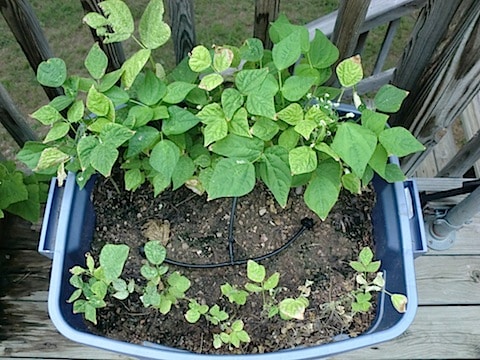
Beans are fast-growing, productive, and excellent for containers. You can choose between bush beans (compact and upright) or pole beans (climbing vines). Pole beans will need support to climb, while bush types are more contained.
-
Pot size: Minimum 12 inches deep; wider is better
-
Sunlight: Full sun
-
Care tips: Beans improve soil health by fixing nitrogen, so you can even plant leafy greens underneath them in larger pots. Use a trellis or bamboo poles for support if growing pole beans. Water regularly to maintain even moisture.
3. Lettuce
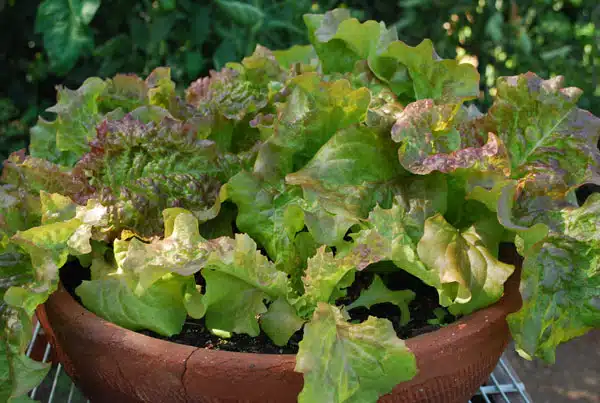
Lettuce is one of the easiest vegetables to grow in containers and is perfect for cool-season or partially shaded areas. Its shallow root system means you don’t need a deep pot.
-
Pot size: 6–8 inches deep and wide
-
Sunlight: 4–6 hours of sun; prefers cooler conditions
-
Care tips: Choose loose-leaf varieties like ‘Black Seeded Simpson’ or ‘Red Sails’ for quicker harvests. Space plants 4 inches apart for good airflow. Keep the soil slightly moist at all times, as lettuce wilts quickly in dry conditions.
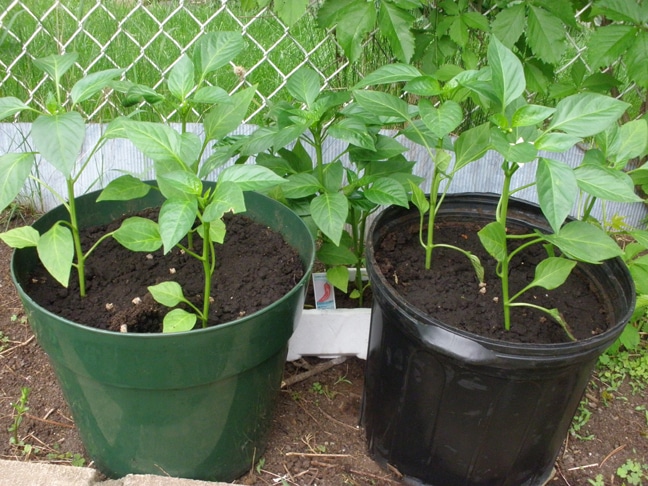
4. Peppers and Chilies
Both sweet bell peppers and hot chili varieties grow beautifully in containers. They’re not only productive but also decorative, thanks to their colorful fruit.
-
Pot size: 12–14 inches deep and wide
-
Sunlight: Full sun
-
Care tips: Use a high-quality potting mix with added compost. Peppers love heat and need consistent watering—keep the soil evenly moist. Feeding with a balanced organic fertilizer every few weeks promotes healthy flowering and fruiting.
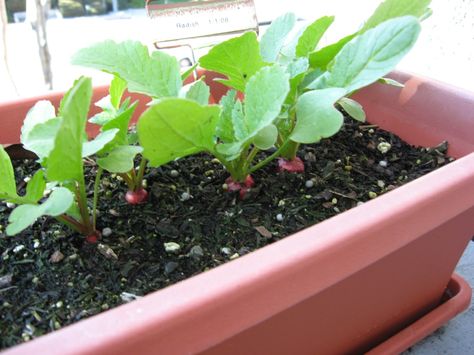
5. Radishes
Radishes are one of the fastest-growing vegetables and are perfectly suited for container gardening. Some varieties mature in as little as 3–4 weeks.
-
Pot size: 6–8 inches deep
-
Sunlight: Full sun to light shade
-
Care tips: Choose smaller varieties like ‘Cherry Belle’ or ‘French Breakfast.’ Space seeds about 2–3 inches apart. Keep soil moist for uniform roots and prevent cracking.
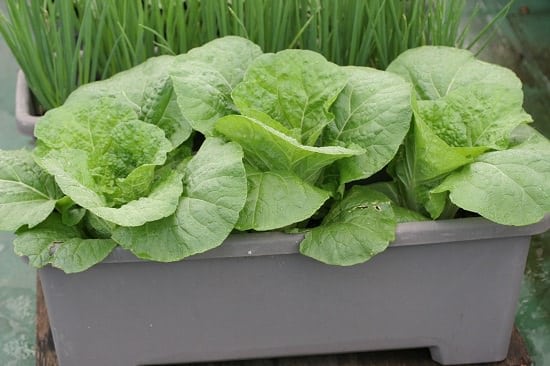
6. Asian Greens (Bok Choy, Tatsoi, Mizuna)
Asian greens are excellent leafy vegetables that grow quickly and thrive in cooler weather or partial shade—perfect for spring and fall container gardening.
-
Pot size: 6–8 inches deep and wide
-
Sunlight: Partial sun (3–5 hours daily)
-
Care tips: These greens prefer rich, moist soil. Water regularly and feed with a nitrogen-rich fertilizer to promote lush foliage. You can harvest the outer leaves for continuous growth or cut the entire head when mature.
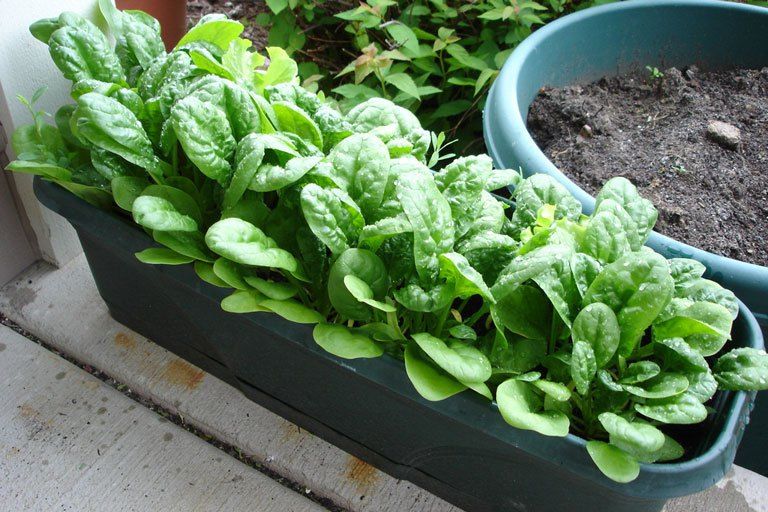
7. Spinach
Spinach is another cool-weather crop that thrives in containers, especially when grown in spring or fall. It’s quick-growing and packed with nutrition.
-
Pot size: 6–8 inches deep
-
Sunlight: Partial sun to light shade
-
Care tips: Use a wide container and sow seeds thickly. Keep soil consistently moist and harvest young leaves often to encourage continued growth. Baby spinach varieties are ideal for container growing.
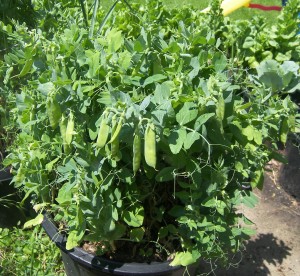
8. Peas
Peas are compact, easy to grow, and a great addition to early spring or fall container gardens. Varieties like ‘Little Marvel’ or ‘Tom Thumb’ are especially well-suited for pots.
-
Pot size: 8–10 inches deep
-
Sunlight: Full sun to partial sun
-
Care tips: Use a small trellis or plant cage for climbing varieties. Water regularly but avoid soggy soil. Peas benefit from cool temperatures and can be harvested in as little as 60 days from planting.
9. Carrots
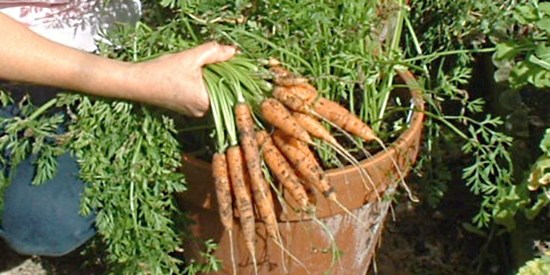
Carrots thrive in deep containers that allow their roots to grow straight and long. They’re an excellent crop for container gardeners, especially when using loose, sandy soil.
-
Pot size: 10–12 inches deep or deeper
-
Sunlight: Full sun
-
Care tips: Choose small or round varieties like ‘Paris Market’ or ‘Little Finger’ for shallower pots. Keep the soil consistently moist, and thin seedlings early to prevent overcrowding. Avoid rocky or compact soil to ensure smooth roots.
10. Tomatoes
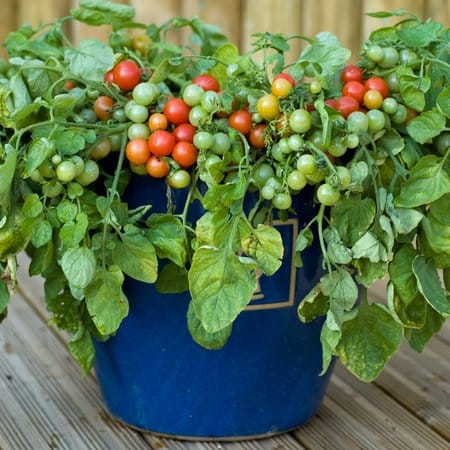
Tomatoes are arguably the most popular vegetable to grow in containers, and for good reason—they’re incredibly rewarding and prolific when given the right conditions.
-
Pot size: 14–18 inches deep and wide
-
Sunlight: Full sun (at least 6 hours daily)
-
Care tips: Dwarf and determinate types like ‘Bush Early Girl’ or cherry varieties like ‘Tiny Tim’ are ideal for pots. Use tomato cages or stakes for support. Water deeply and consistently, and fertilize every 2–3 weeks with a tomato-specific feed.
Container Gardening Tips for Success
Drainage is essential. Always use pots with drainage holes to prevent root rot. Add a layer of gravel or broken pottery at the bottom if needed.
Use a quality potting mix. Choose a light, well-draining soil mix rich in organic matter. Avoid using garden soil, which can compact in pots.
Water consistently. Container plants dry out faster than those in the ground. Water when the top inch of soil feels dry, and be sure to soak the entire root ball.
Feed regularly. Since nutrients in containers wash out faster, fertilize every 2–4 weeks with a balanced organic fertilizer or compost tea.
Rotate and reposition. Move pots as needed to ensure your vegetables get the most light and avoid exposure to harsh winds.
Even if you don’t have a backyard or garden plot, growing vegetables in pots allows you to enjoy fresh, homegrown produce year-round.
Whether it’s crunchy cucumbers, sweet cherry tomatoes, or nutritious greens, container gardening is practical, efficient, and incredibly satisfying.
Choose the right varieties, use quality soil, and follow these tips to turn your balcony, patio, or window box into a thriving mini farm.
Start small, and before long, you’ll be harvesting your own food straight from the pot to the plate.