

Fall gardening is a hidden gem in the world of vegetable growing. While many gardeners see spring and summer as the peak seasons, autumn can offer a second wave of fresh, delicious produce—and in many cases, with fewer pests and diseases!
With the right planning, timing, and plant selection, you can grow a bountiful fall harvest whether you live in a warm climate (Zone 8+) or a colder region.
This guide will cover:
- The best vegetables to plant in fall (from seeds & transplants)
- How to plan and prepare your fall garden
- Tips for maximizing growth before the first frost
- Why fall gardening is often easier than summer gardening
Let’s get started and make this fall gardening season your best yet!
Why Grow a Fall Vegetable Garden?
Fall gardening offers several benefits that make it a great time to grow vegetables:
- Cooler Temperatures: Many plants thrive in mild weather, avoiding the stress of summer heat.
- Fewer Pests & Diseases: Cooler weather naturally reduces insect problems and plant diseases.
- Extended Harvest: Enjoy fresh veggies for months, even past the first frost.
- Sweeter Crops: Leafy greens and root vegetables become sweeter when exposed to cooler temps.
- Successive Planting: Use the space left by summer crops to grow a second round of food.
Planning Your Fall Vegetable Garden
A successful fall garden starts with good planning.
Here’s how to get started:
1. Determine Your First Frost Date
Before planting, check your average first frost date for your area. This will help you choose crops that mature in time.
How to find your frost date: Search “first frost date [your city]” online.
2. Count Backward to Choose Planting Dates
Once you know your frost date:
- Fast-growing crops (30-50 days): Can be planted closer to frost (ex: radishes, spinach, lettuce).
- Slow-growing crops (90+ days): Should be planted in mid-to-late summer (ex: cabbage, broccoli).
3. Prepare Your Soil for Fall Planting
Your soil needs a refresh after summer! Add compost or organic fertilizer to restore nutrients and improve moisture retention.
- Loosen compacted soil with a garden fork.
- Remove summer plants that have finished producing.
- Mulch to retain warmth and reduce weeds.
Vegetables to Grow from Seed in Fall
If you want a garden that matures before frost, start seeds mid-to-late summer. The good news? Many plants thrive in cooler nights but still grow well in warm days.
Here are five vegetables that can be direct-seeded for fall planting:
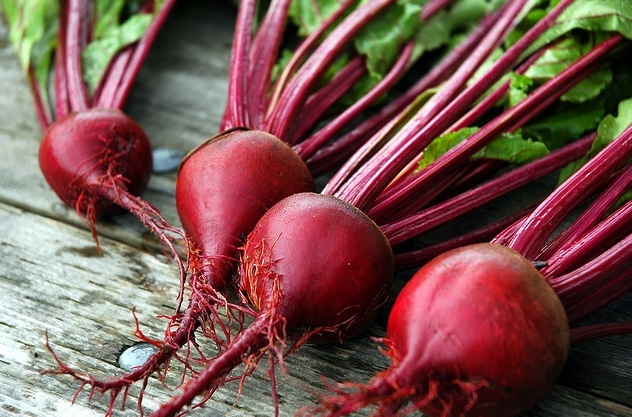
1. Beets
✔ Grows well in cool temps and takes 50-60 days to mature.
✔ Sow seeds every 2-3 weeks for a continuous harvest.
✔ Tastes sweeter when grown in fall’s cool weather.
Tip: Harvest beets when they’re 1-3 inches wide for the best flavor.
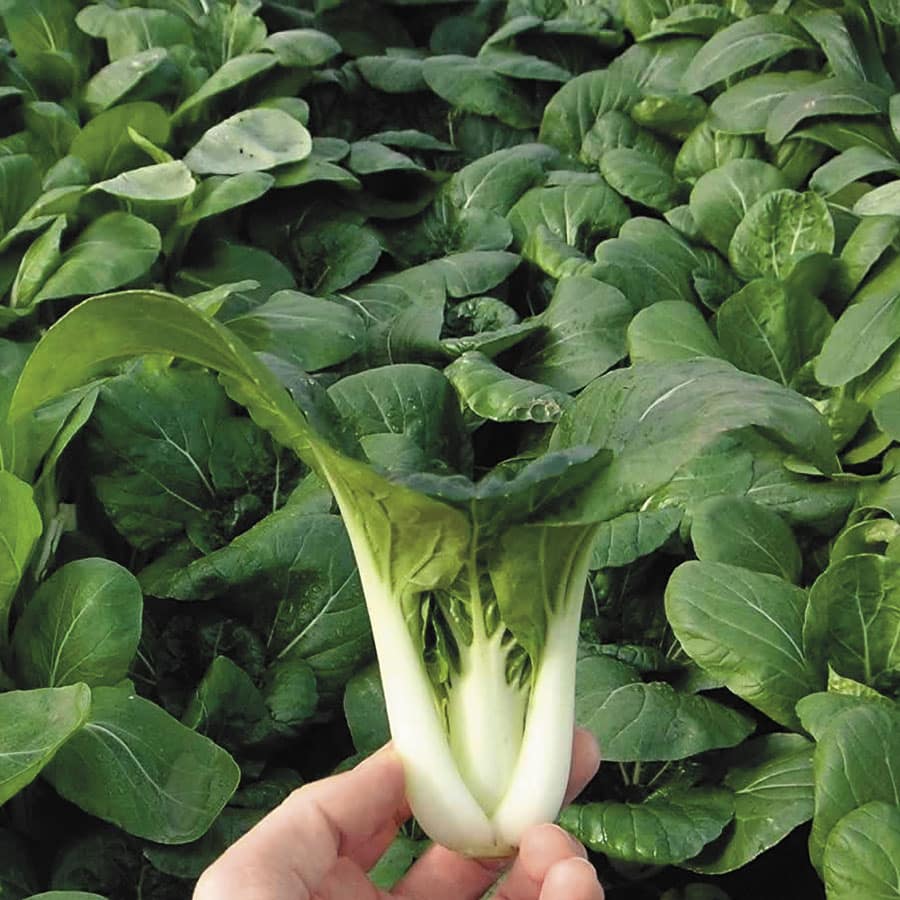
2. Bok Choy (Pak Choi)
✔ Fast-growing: Ready in 30-45 days.
✔ Best grown in cooler months to prevent bolting.
✔ Harvest baby leaves or full heads.
Tip: Great for stir-fries or adding crunch to salads!
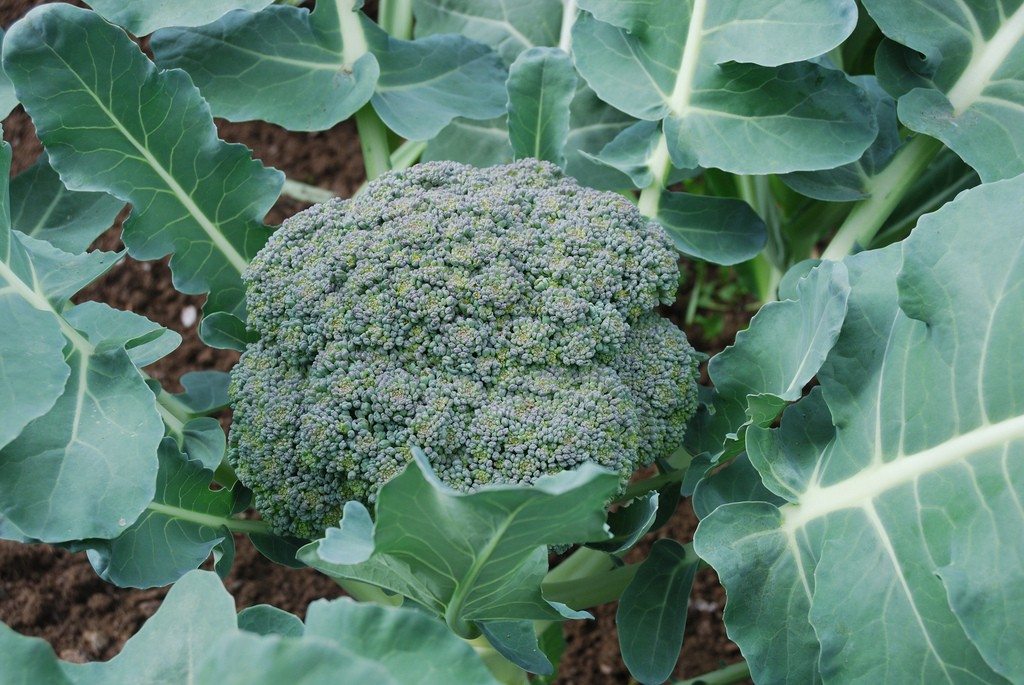
3. Broccoli
✔ Loves cooler temperatures (fall-grown broccoli is more tender than summer-grown).
✔ Takes 70-90 days from seed, so start mid-summer.
✔ Produces side shoots for continuous harvesting after the main head is cut.
Tip: Protect from early frosts with row covers!
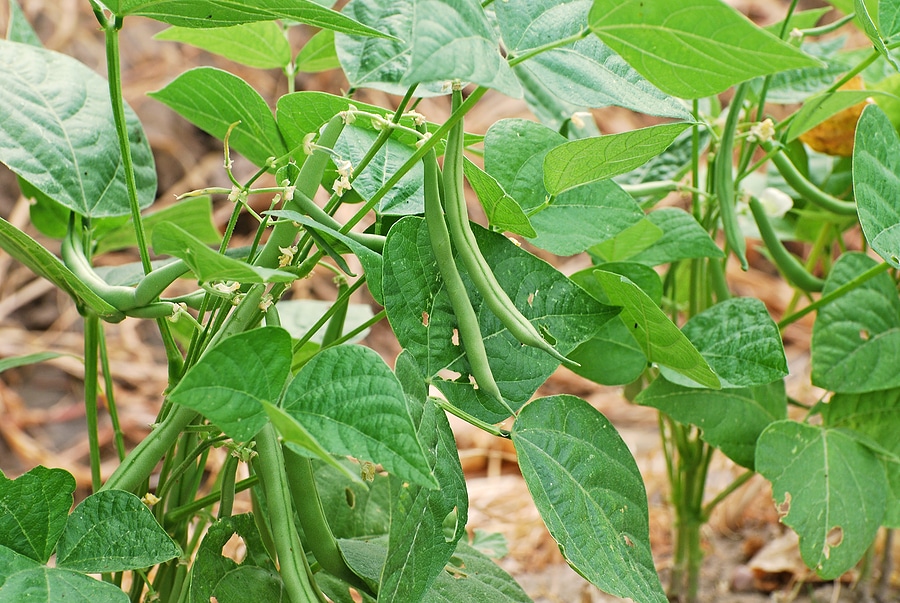
4. Bush Beans
✔ Fast-growing – harvest in 45-60 days.
✔ Unlike pole beans, bush beans produce quickly and don’t need a trellis.
✔ Plant in late summer for a fresh fall harvest.
Tip: Beans enrich the soil with nitrogen—great for improving your garden’s fertility!
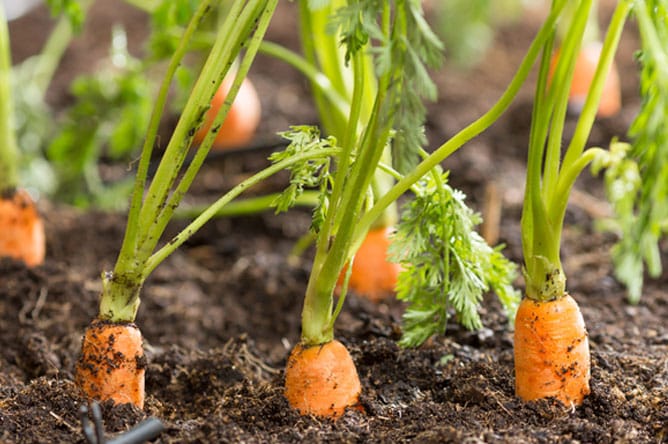
5. Carrots
✔ A slow-grower (70+ days), but can be left in the soil all winter.
✔ Fall-grown carrots are sweeter than summer ones.
✔ Choose shorter varieties for quicker harvests (e.g., “Thumbelina” or “Paris Market”).
Tip: Mulch with straw to protect roots from frost and harvest into winter.
Vegetables Better Grown from Transplants in Fall
Some slow-growing vegetables take 3+ months to mature. Instead of growing from seed, you can start them indoors or buy transplants to save time.
Here are five crops better suited for transplants:
6. Cabbage
✔ Takes 90-120 days to mature.
✔ Best grown from transplants in late summer.
✔ Gets sweeter after light frosts!
Tip: Use floating row covers to protect against cabbage worms.
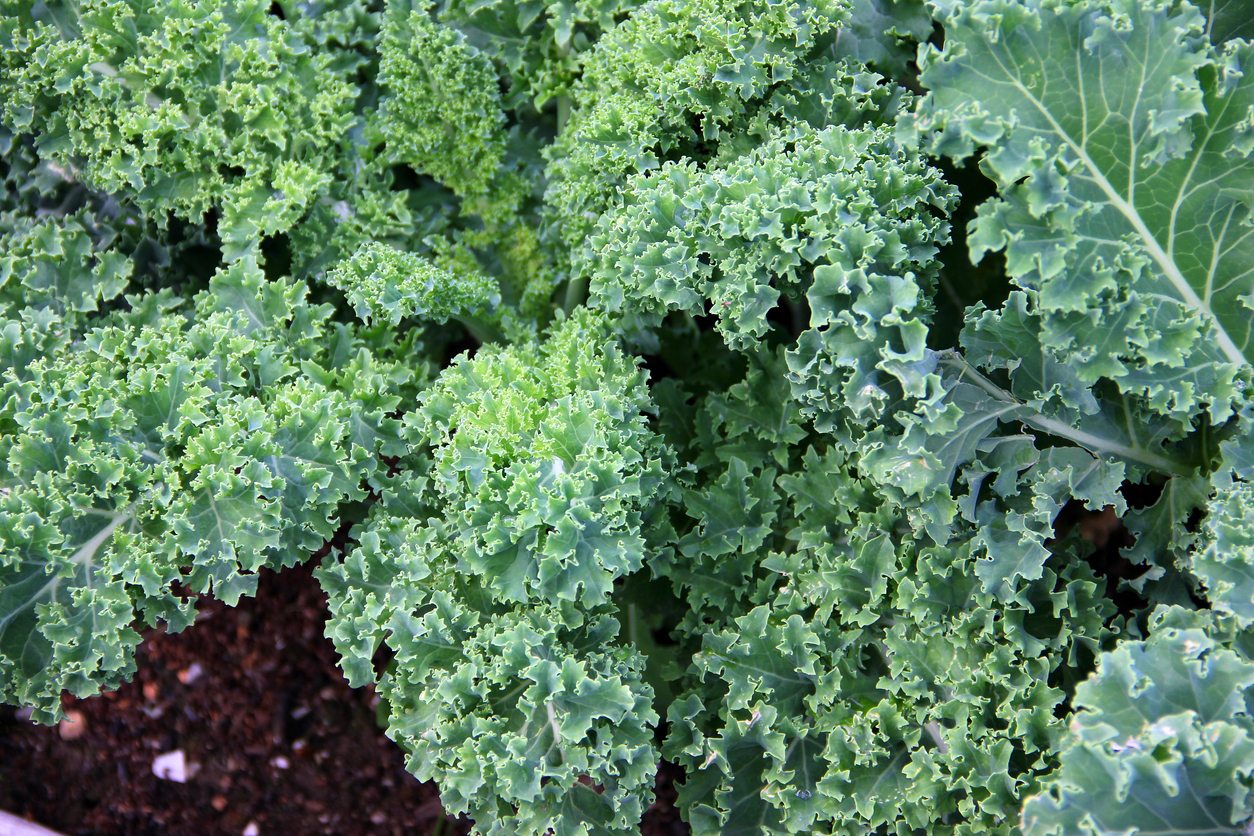
7. Kale
✔ A cold-hardy leafy green that tastes better after frost.
✔ Grows well in partial shade.
✔ Can survive light snow and produce until spring.
Tip: Harvest outer leaves so the plant keeps growing!
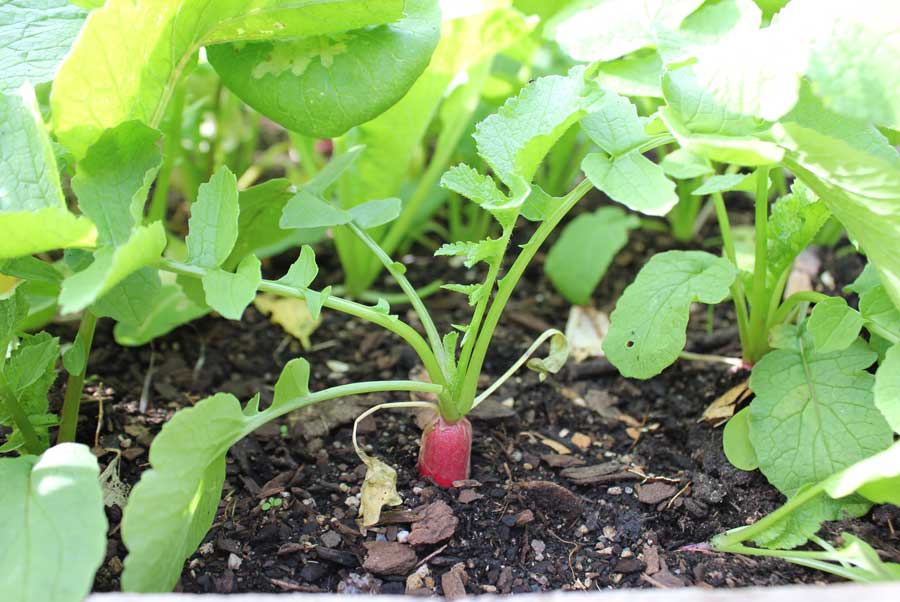
8. Radishes
✔ One of the fastest-growing fall crops (matures in 30 days).
✔ Plant every 2 weeks for continuous harvesting.
✔ Comes in many colors & flavors (try daikon for a fun variety!).
Tip: Avoid hot weather, as it makes radishes bitter.
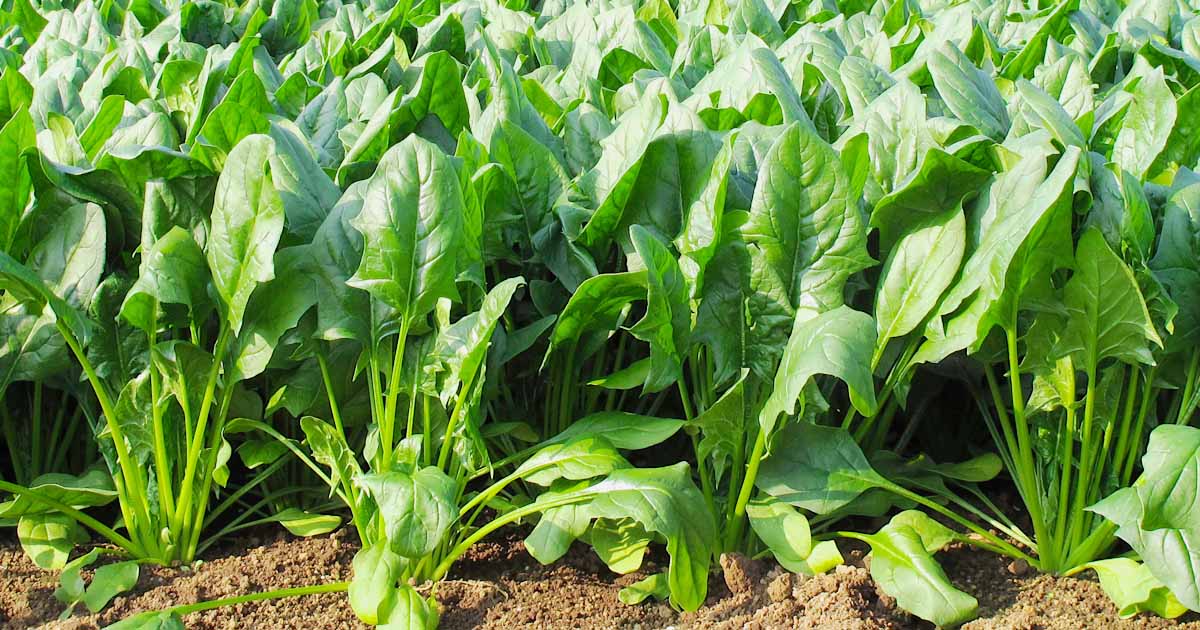
9. Spinach
✔ Thrives in cool weather (matures in 30-45 days).
✔ Can be harvested multiple times (cut & regrow method).
✔ Can overwinter in mild climates for early spring harvests.
Tip: Mulch before winter to protect roots and extend the season.
10. Swiss Chard
✔ A fall garden superstar – grows well in heat & cold.
✔ Cut & regrow method for continuous harvests.
✔ Can survive mild winters if mulched properly.
Tip: Red and rainbow chard add stunning color to your garden!
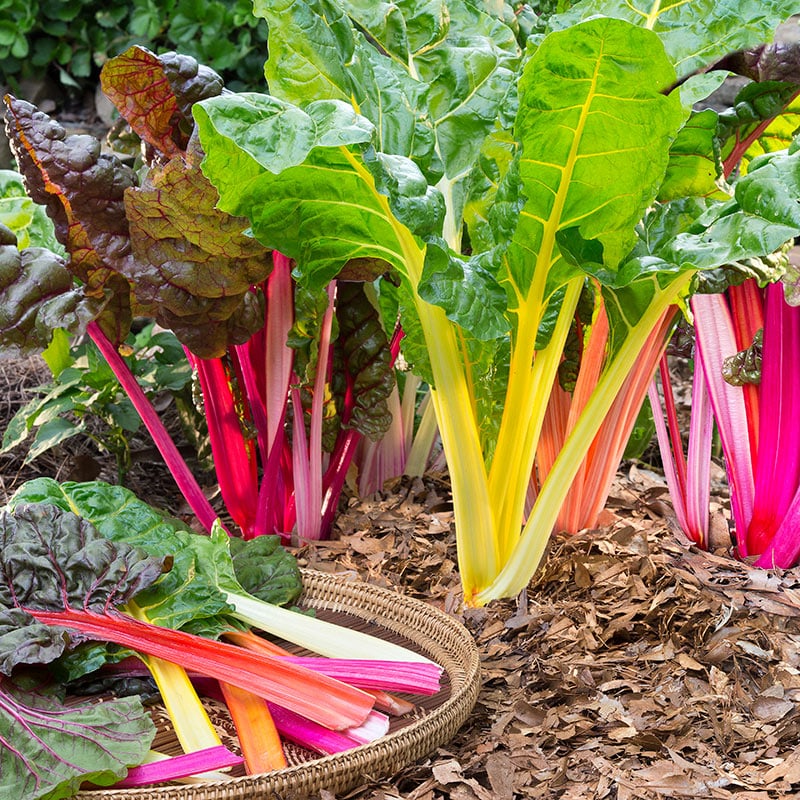
If you’ve been harvesting your Swiss chard as cut-and-come again, then all the plants need is a little cool air and water to get back into production.
They may even survive through winter if harvested quickly before they start growing seed stalks that are tough or bitter tasting!
Tips for a Successful Fall Garden
- Choose fast-maturing varieties to beat the frost.
- Water deeply & consistently (fall weather can still be dry!).
- Mulch heavily to retain warmth and protect roots.
- Use row covers for frost protection on tender plants.
- Extend the season with cold frames or greenhouses.
Fall gardening is rewarding, productive, and often easier than summer gardening!
With fewer pests, better-tasting vegetables, and the ability to grow into winter, it’s a fantastic way to maximize your garden space.


