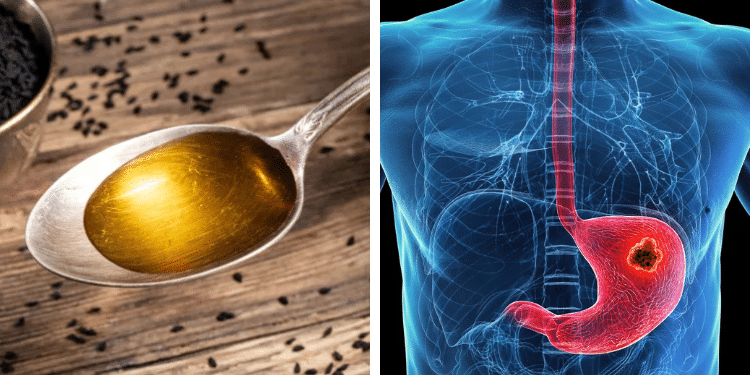
In the world of “super-oils,” Black Seed Oil (Nigella sativa) occupies a tier of its own. Historically referred to as the “seed of blessing,” this amber-hued oil has moved from ancient apothecary shelves to modern clinical trials.
The secret to its potency lies in its unique chemical signature, dominated by thymoquinone (TQ), a bioactive compound with profound antioxidant, anti-inflammatory, and neuroprotective properties.
But what happens when you move beyond occasional use and commit to a consistent, 60-day protocol? Taking one tablespoon of high-quality black seed oil daily triggers a cumulative biological shift.
Over two months, the body moves through stages of cellular detoxification, systemic inflammation reduction, and metabolic stabilization.
Here is the week-by-week breakdown of what one tablespoon of black seed oil may do for the body over a 60-day period.
Days 1–15: The Digestive and Antimicrobial “Flush”
The first two weeks of the protocol are focused on the gastrointestinal tract. Black seed oil is a potent carminative and antimicrobial, meaning it actively targets the microbial balance of the gut.
Thymoquinone acts as a selective antimicrobial, inhibiting the growth of harmful bacteria and yeast (like Candida) while sparing beneficial flora.
During this initial phase, many users report a significant reduction in bloating and gas.
Because the oil stimulates bile flow (similar to the artichokes and radishes we’ve discussed), it helps the liver begin processing stored fats and toxins more effectively.
You may notice a slight “peppery” aftertaste or a brief period of increased elimination as the body clears out digestive stagnant waste.
Days 16–30: The Inflammatory “Cooling” Phase
By the end of the first month, the bioactive compounds in black seed oil begin to reach systemic concentrations.
This is when the oil’s primary strength – inflammation modulation – takes center stage.
TQ inhibits pro-inflammatory cytokines and enzymes like COX-2. It acts as a natural regulator of the immune response, preventing the “over-firing” that leads to joint pain and skin irritation.
Individuals with chronic joint stiffness often notice a marked improvement in mobility.
Additionally, the skin begins to show a “glow” as systemic inflammation decreases, reducing the redness associated with acne or rosacea.
Days 31–45: Metabolic and Respiratory Transformation
Entering the second month, the oil begins to influence deeper metabolic markers, specifically blood sugar and lung function.
Black seed oil has been shown to support the regeneration of pancreatic beta-cells, which improves insulin sensitivity.
In the lungs, it acts as a bronchodilator, relaxing the smooth muscles of the airway.
You may notice more stable energy levels throughout the day with fewer “afternoon crashes.”
For those with seasonal allergies or mild asthma, breathing often feels “lighter” and less constricted as the oil reduces the histaminic response in the respiratory tissues.
Days 46–60: Cognitive Clarity and Lipid Optimization
As you approach the end of the 60-day cycle, the cumulative effects on the cardiovascular and nervous systems become apparent.
Long-term consumption of Nigella sativa is linked to a reduction in LDL (bad) cholesterol and triglycerides. Simultaneously, its neuroprotective properties help reduce oxidative stress in the brain.
Many users report a “lifting of the fog.” Cognitive tasks feel less taxing, and memory recall may sharpen.
Physically, this is the stage where a blood panel might reflect lower systemic inflammation markers (like CRP) and a more balanced lipid profile.
The Nutritional Profile: Why the Tablespoon Matters
A single tablespoon of black seed oil provides a concentrated dose of Omega-3, 6, and 9 fatty acids, along with amino acids and minerals like iron and calcium. However, the “therapeutic weight” comes from:
-
Thymoquinone: The primary antioxidant.
-
Thymohydroquinone: A potent natural acetylcholinesterase inhibitor (supporting brain health).
-
Thymol: A natural disinfectant that supports the immune system.
The 60-Day Protocol: How to Do It Correctly
To ensure you are getting the biological benefits without digestive upset, follow this professional guideline:
1. Source Matters (The “Cold-Pressed” Rule)
Only use 100% Pure, Cold-Pressed, Unrefined Black Seed Oil. It should be stored in a dark glass bottle to protect the light-sensitive thymoquinone from degrading.
2. The Dosage Ladder
Do not start with a full tablespoon on Day 1.
-
Days 1–7: Start with 1 teaspoon daily to allow your gallbladder to adjust to the fat load.
-
Days 8–60: Increase to 1 full tablespoon (or two teaspoons—one in the morning and one in the evening).
3. Enhance Absorption
Consume the oil with a small amount of healthy fat (like a piece of avocado) or mix it with a teaspoon of raw honey.
The honey acts as a “carrier,” helping the bioactive compounds bypass the stomach acid and reach the small intestine for better absorption.
Potential Side Effects and Considerations
While black seed oil is generally recognized as safe, its potency requires respect:
-
Low Blood Pressure/Sugar: Because it naturally lowers blood sugar and pressure, monitor your levels if you are already on medication for these conditions.
-
The “Burp” Factor: To avoid “peppery burps,” take the oil immediately before a meal rather than on an empty stomach.
Committing to 1 TBSP of black seed oil for 60 days is an investment in your biological foundation.
By moving through the stages of digestive clearing, inflammatory cooling, and metabolic balancing, you provide your body with a consistent stream of the tools it needs to repair and protect itself.