

Garden edging is one of the best ways to give your outdoor space a polished and well-organized look.
Whether you’re using natural materials or upcycled elements, edging helps define garden beds, pathways, and lawn areas while adding structure and visual interest.
There are countless edging materials and styles to choose from, ranging from classic brick and stone to unconventional items like recycled glass bottles or china plates.
Whatever your style or budget, there’s a perfect edging solution for your garden.
Why Garden Edging Matters
- Enhances Aesthetics – Provides a clean, finished look to your landscape.
- Defines Spaces – Keeps grass, mulch, and soil in place while preventing plants from spreading.
- Improves Maintenance – Makes mowing, trimming, and watering easier and more efficient.
- Adds a Unique Touch – Allows for creativity by incorporating different textures and colors.
We’ve gathered several inspiring garden edging ideas to help you get started.
Explore these options and choose the one that best suits your garden’s style!
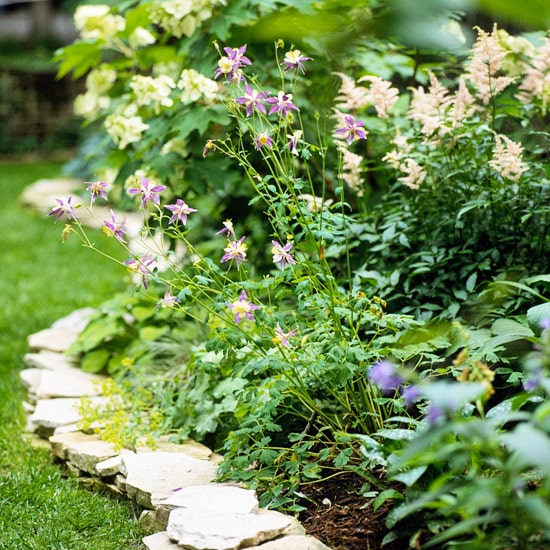
1. Flagstone Edging
Flagstone is a natural, durable material that adds a rustic charm to any garden. It’s ideal for both traditional and contemporary landscapes.
How to Use It:
- Lay flat flagstones along your garden bed for a casual, organic look.
- Secure them with gravel or sand to prevent shifting.
- Pair with mulch for a natural transition.
2. Cobblestone Borders
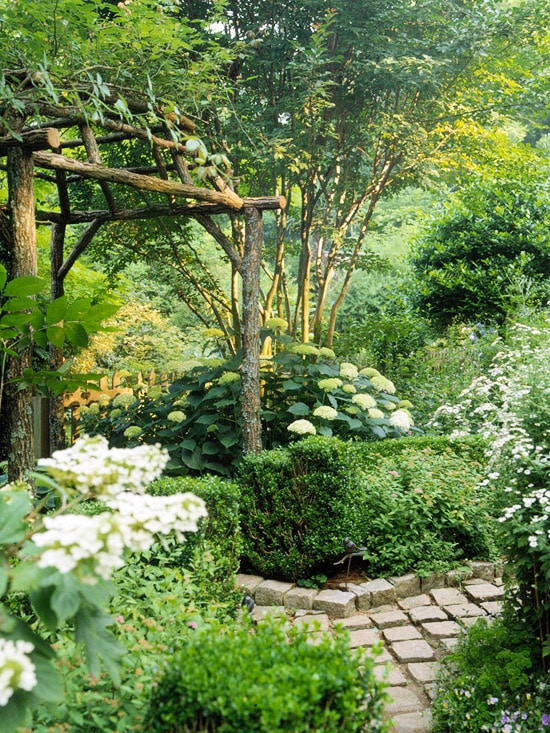
Cobblestones create a timeless and elegant edging solution. They are perfect for structured landscapes and cottage-style gardens.
Best Uses:
- Lay cobblestones in a straight or curved line for a classic border.
- Use them to define walkways and flower beds.
- Combine with brick pathways for a cohesive design.
3. River Rock Edging
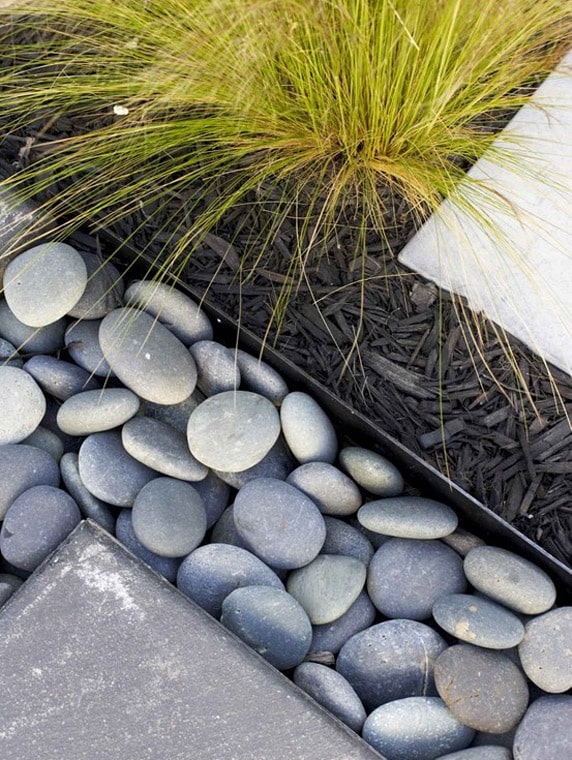
River rocks offer a smooth and natural appearance, making them a great option for Zen, tropical, or water-themed gardens.
How to Apply:
- Line garden beds with small or medium-sized river rocks.
- Use them around ponds or water features for a cohesive look.
- Mix with mulch or sand for added texture.
4. Raised Stone Borders
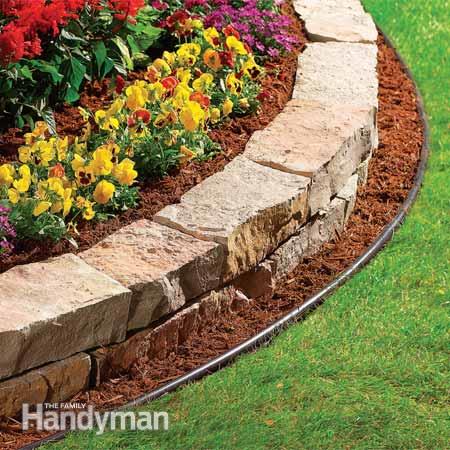
Stacked stones create a sturdy, raised edge that helps keep soil in place while adding height to your garden beds.
Steps to Build It:
- Choose uniform stones for a structured look or varied stones for a natural feel.
- Stack them without mortar for a rustic appearance, or use cement for durability.
- Ideal for sloped gardens needing soil retention.
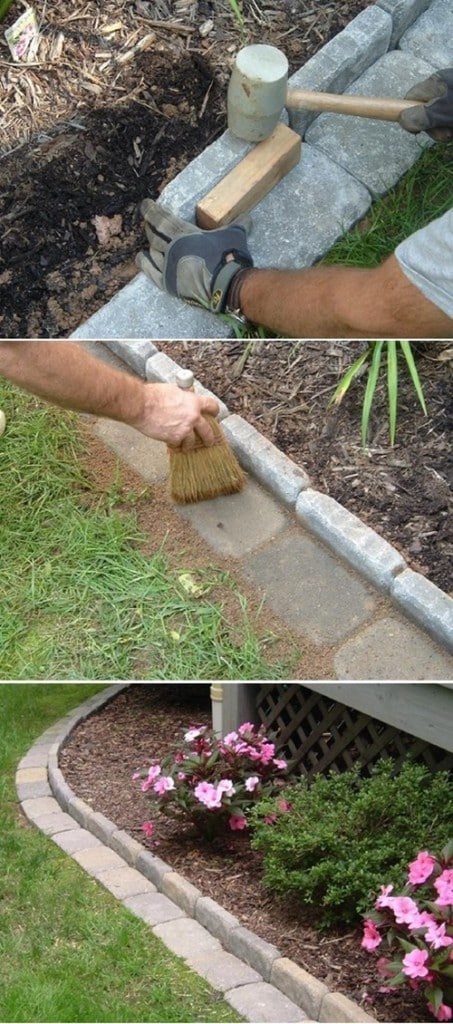
5. Horizontal Brick Edging
Bricks laid horizontally offer a neat and classic garden border.
Why Choose This?
- Works well in formal and structured gardens.
- Provides longevity and stability.
- Easy to mow over, reducing maintenance hassle.
6. Recycled Brick Edging
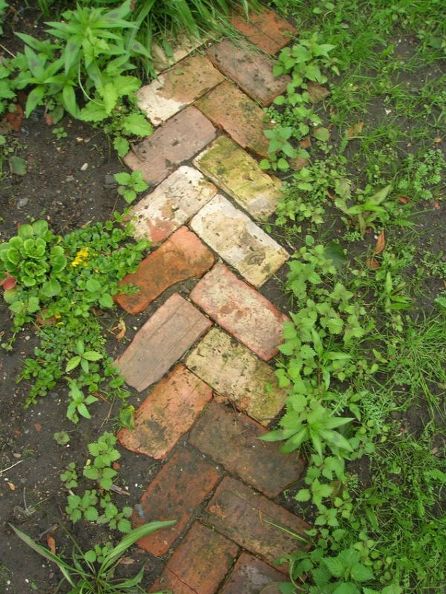
Using old or reclaimed bricks is a sustainable way to add character to your garden.
How to Incorporate:
- Arrange bricks vertically for a scalloped effect or lay them flat for a seamless edge.
- Mix different shades of bricks for a vintage, rustic look.
- Seal bricks with weather-resistant coatings for durability.
7. Stone Brick Combination
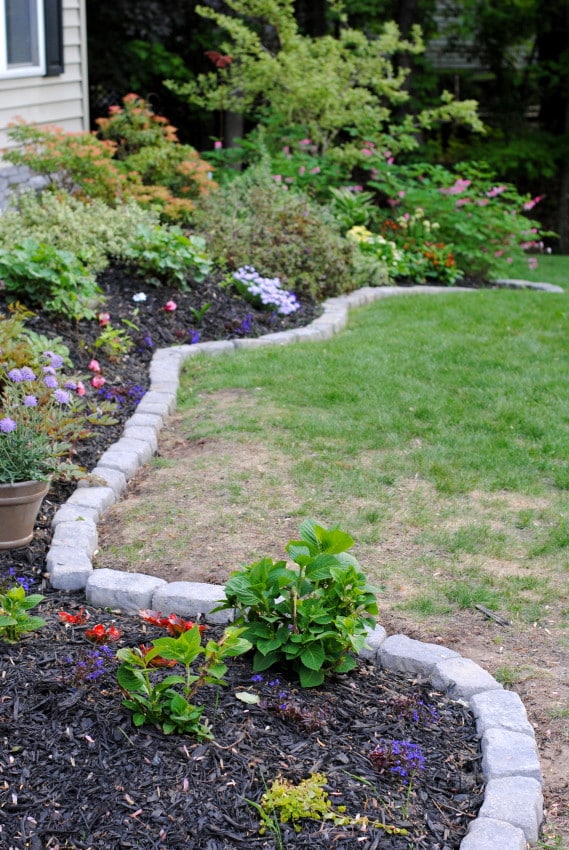
For an eye-catching contrast, mix bricks with stones to create textured and visually dynamic edging.
Tips for Best Results:
- Combine red bricks with gray stones for a bold look.
- Alternate patterns for an artistic design.
- Use mortar to secure layers and prevent shifting.
8. Mosaic Stone Borders
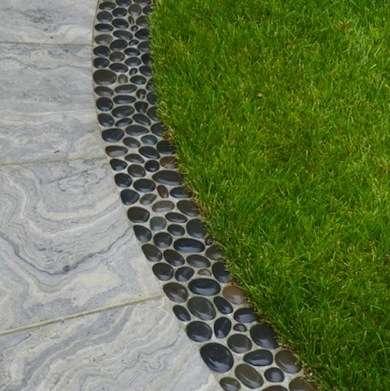
For a creative and colorful twist, consider using mosaic tiles or pebbles in your garden edging.
How to Make It Stand Out:
- Arrange small, colorful stones in artistic patterns.
- Use broken tile pieces for a handcrafted, unique effect.
- Seal with a weatherproof grout to ensure longevity.
9. Contrasting Rock Edging
Mixing light and dark rocks can add bold contrast and highlight specific areas of your garden.
How to Use It:
- Place white pebbles against dark mulch for a striking effect.
- Use larger rocks as focal points within your edging.
- Combine different rock sizes for an organic, free-flowing look.
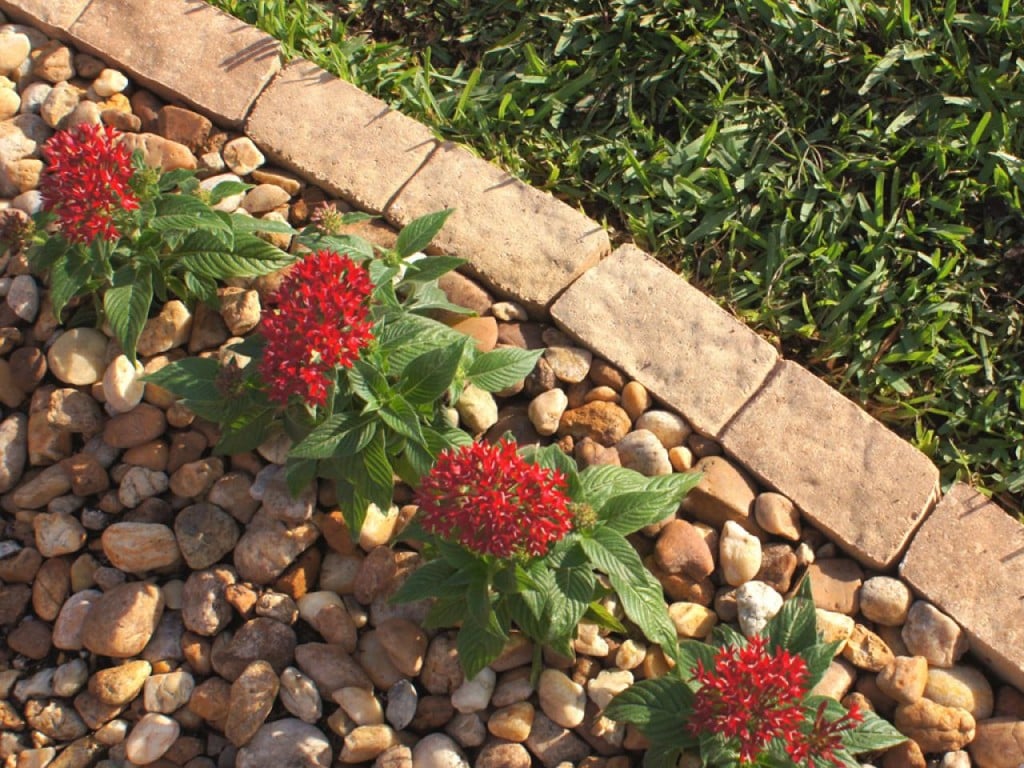
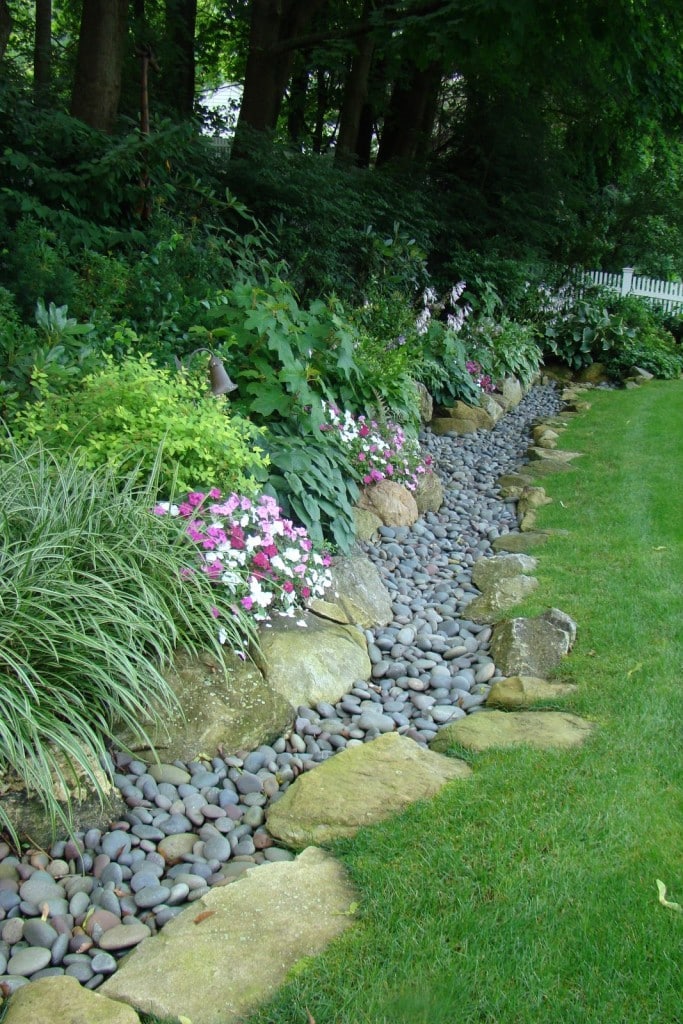
10. Dry Stream Garden Edge
A dry stream, made from carefully placed rocks and pebbles, acts as both a drainage solution and an attractive border.
How to Implement:
- Dig a shallow trench and fill it with river rocks or gravel.
- Incorporate bigger stones along the sides for depth.
- Use plants that thrive in well-drained conditions alongside the stream.
Garden edging is a simple yet transformative way to define and beautify your outdoor space.
Whether you prefer natural stone, reclaimed materials, or creative designs, there’s an option to fit your garden’s personality and style.


