When most people rake up their yards in autumn, pinecones are treated as nothing more than messy litter.
They get bagged up, hauled away, or tossed into the compost pile without a second thought. But seasoned gardeners know better.
Pinecones are nature’s little treasures – free, sustainable, and surprisingly useful for dozens of gardening and home projects.
From improving soil and protecting plants to feeding wildlife and even creating beautiful natural crafts, pinecones are far from waste.
Why Pinecones Are So Valuable in the Garden
At first glance, pinecones just look like dry, woody scales.
But beneath their rustic exterior lies a unique structure that makes them incredibly practical:
- Durable yet biodegradable: They break down slowly, acting as a long-lasting organic material.
- Excellent airflow and drainage: Their open, woody texture allows water to pass while preventing compaction.
- Natural insulation: Pinecones trap air, keeping soil warm in winter and cool in summer.
- Wildlife-friendly: Birds, squirrels, and insects all benefit from pinecones as food and shelter.
- Free and abundant: If you live near pine trees, you have an unlimited supply at no cost.
Instead of treating pinecones like trash, think of them as a natural gardening tool provided directly by the forest.
13 Smart Gardening Uses for Pinecones
Here’s where pinecones really shine – practical, hands-on ways to use them in your yard and garden.
Pinecones as Natural Mulch
Mulch is one of the most powerful tools in gardening. It keeps soil temperatures stable, conserves moisture, and suppresses weeds.
Pinecones, with their woody, open structure, are an exceptional natural mulch – and unlike shredded bark, they don’t compact tightly.
This means rainwater still trickles down to the roots and air continues to circulate through the soil.
Spread a layer of pinecones around the base of shrubs, perennials, or trees. They act almost like miniature shields, shading the soil below.
Because they’re slow to decompose, you don’t have to replenish them as often as softer mulching materials. Over time, as they break down, they return valuable organic matter to the soil.
Gardeners often find pinecones particularly useful on slopes or banks where traditional mulch washes away in heavy rains.
Their interlocking scales help anchor them in place, creating a natural erosion barrier.
Improving Soil Drainage in Containers
One of the most frustrating challenges in container gardening is drainage. Too much water collects in the bottom of a pot and suffocates roots, leading to rot. Pinecones solve this problem elegantly.
By layering them at the bottom of pots or raised beds, you create natural air pockets. Excess water can drain away, but soil doesn’t get compacted.
Unlike gravel or rocks, which add heavy weight to containers, pinecones are light and won’t strain your pots or your back.
As months pass, they slowly soften and decompose, releasing organic matter and improving the soil further.
This makes them especially useful for growing Mediterranean herbs like rosemary or lavender, which need excellent drainage, or succulents, which can’t tolerate wet feet.
Protecting Bulbs from Rodents
If you’ve ever planted tulips, crocuses, or daffodils only to find them dug up by squirrels, you know how discouraging it feels.
Pinecones can protect your investment. After planting bulbs in fall, simply scatter pinecones over the soil. Their spiny, uneven surfaces are unpleasant for digging animals. Squirrels and chipmunks will usually move on to easier meals.
The best part is that pinecones are easy to move aside once spring arrives and shoots start pushing through. You can rake them gently to the side, or leave them in place to act as mulch.
In either case, your bulbs stay hidden and safe during their most vulnerable months underground.
Providing Wildlife Habitat
Pinecones are not just garden tools – they’re also mini-ecosystems. Their overlapping scales create countless crevices, which provide shelter for beneficial insects like ladybugs, lacewings, and solitary bees.
These insects overwinter in the safety of pinecones, emerging in spring to pollinate your flowers and control pests.
Birds also benefit. Chickadees, finches, and other small species forage in and around cones for insects or leftover seeds. Squirrels and chipmunks chew on pinecones for both food and bedding.
By scattering cones in wild corners of your yard, you create free, natural habitat for local wildlife – no need to buy expensive insect hotels or bird feeders.
Winter Plant Insulation
Winter can be harsh on perennials and tender plants. While many gardeners turn to straw or shredded leaves for protection, pinecones offer an advantage: they don’t mat down or hold water the way leaves do.
Instead, they trap pockets of air between their scales, creating natural insulation.
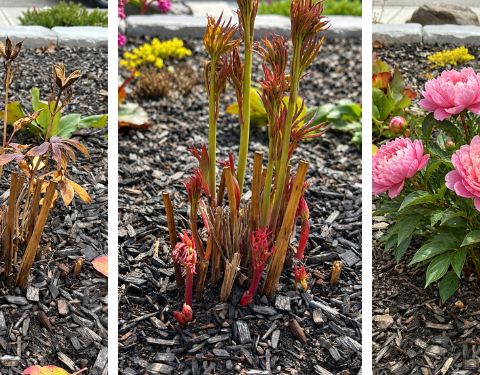
Pile pinecones gently over the crowns of delicate perennials like peonies or delphiniums once the first frost arrives.
They’ll shield the plant from freeze-thaw cycles that can heave roots out of the ground. In early spring, pinecones are easy to lift away without smothering new shoots.
For gardeners in snowy climates, this can be the difference between plants that return healthy and those lost to winter kill.
Creating Rustic Pathways
Garden paths are often plagued by mud in wet weather or weeds in dry seasons. A layer of pinecones offers a rustic, eco-friendly alternative to stone or gravel.
Spread thickly, they form a springy, cushioned walkway that suppresses weeds and prevents soil compaction.
Over time, the cones break down naturally, enriching the ground beneath while continuing to serve as a practical path covering.
For woodland gardens or naturalistic landscapes, pinecone paths blend in beautifully. They’re especially useful for informal trails leading to compost heaps, tool sheds, or wildflower meadows.
Natural Pest Deterrent
Certain pests dislike the sharp, uneven texture of pinecones. Gardeners have found success placing pinecones around young seedlings or vegetable beds to discourage slugs and snails, which prefer smoother surfaces.
Cats and dogs are also less likely to dig in areas covered with prickly cones, saving your raised beds from becoming litter boxes.
This makes pinecones a completely chemical-free barrier method – safe for kids, safe for pets, and safe for the environment.
Adding Structure to Compost
Pinecones are woody and slow to decompose, but that doesn’t mean they don’t belong in compost. In fact, when chopped or broken into smaller pieces, pinecones act like little sponges of carbon.
They help aerate the pile, preventing compaction, and contribute to the balance of “browns” (carbon-rich materials) and “greens” (nitrogen-rich materials like kitchen scraps and grass clippings).
While they won’t break down as quickly as fruit peels or leaves, they improve airflow in the heap, which speeds decomposition overall.
If you’re building a large compost pile, sprinkle pinecone pieces throughout to keep it loose and active.
Filling Raised Beds Affordably
Building a new raised bed can get expensive when you realize how much soil is needed to fill it. Pinecones offer a frugal, eco-friendly filler.
Start with a thick base layer of pinecones, sticks, and other woody debris, then add compost and soil on top.
This “hugelkultur-style” method not only reduces the amount of soil you need to buy but also improves drainage and aeration.
Over the years, the pinecones gradually break down, enriching the bed. In the meantime, they act like lightweight sponges, helping retain just the right amount of moisture.
Decorative Garden Accents
Beyond their practical uses, pinecones add a rustic charm to the garden. Scatter them at the base of planters, tuck them into flower beds, or use them as edging material for paths.
Their natural shapes and textures provide contrast to smooth leaves and bright blooms, giving your garden a layered, woodland feel.
Many gardeners also bring them indoors as part of autumn or winter décor – filling baskets, wreaths, or table arrangements with cones gathered from their own backyards.
It’s a free, stylish way to extend the garden’s bounty into your home.
Bird Feeders Made From Pinecones
Perhaps the most charming use of pinecones is turning them into simple bird feeders. The rough surface of the cone holds onto sticky coatings like peanut butter or suet.
Roll the coated cone in birdseed and hang it from a branch with twine. In winter, when natural food is scarce, these feeders draw a variety of birds into your yard.
Children especially love this project, making it a fun and educational way to connect kids with both nature and gardening.
Mulch for Acid-Loving Plants
As pinecones slowly decompose, they gently release acidity into the soil. This makes them particularly well-suited for acid-loving plants such as hydrangeas, azaleas, camellias, rhododendrons, and blueberries.
Scatter a ring of pinecones around the base of these plants to create a slow, natural pH adjustment without chemicals.
Insulating Container Plants
Potted plants are especially vulnerable to extreme temperatures, since their roots don’t have the protection of surrounding ground soil.
Covering the surface of containers with pinecones creates a natural insulating blanket. In cold weather, the cones keep the soil warmer; in summer, they shade it and prevent it from drying out too quickly.
This technique is simple, attractive, and particularly effective for patio containers that experience fluctuating temperatures.
Beyond the Garden: Creative and Practical Uses for Pinecones
Smart gardeners don’t just keep pinecones for outdoor projects. Their versatility extends into the home, craft room, and even the kitchen.
- Seasonal decor: Pinecones make excellent natural ornaments for wreaths, centerpieces, and garlands.
- Aromatic potpourri: Add a few drops of essential oil to dried pinecones for a long-lasting natural air freshener.
- Holiday crafts: Spray-painted or glittered pinecones are classic, eco-friendly decorations.
- Kindling storage: Dried pinecones are perfect for wood stoves and fireplaces.
By finding creative uses indoors as well as outdoors, you turn yard waste into year-round utility.
How to Collect and Prepare Pinecones
If you’re going to reuse pinecones, a little preparation goes a long way.
- Collect only fallen, open cones. Closed cones may still hold moisture or pests.
- Bake them at a low temperature (200°F / 93°C for 30 minutes) to dry them fully and kill insects.
- Store in a breathable bag or basket in a dry place.

Prepared pinecones will last for years, ready for whatever project you need.
The next time you’re raking up pinecones, resist the urge to bag them for the trash. Smart gardeners know that pinecones are far from useless.
They’re a versatile, sustainable material with dozens of uses in the garden and beyond.