Lavender is one of those plants that has stood the test of time. From ancient Egypt to modern herbal medicine, from royal gardens to cottage windowsills, this fragrant purple herb has been beloved for centuries.
But lavender is more than just a beautiful flower with a soothing scent. It’s also a hardworking plant that can transform your garden and your life.
If you’ve ever wondered whether it’s worth planting lavender in your own yard, the answer is yes – and this guide will show you why.
1. Lavender Adds Beauty and Elegance to Any Garden
Lavender’s tall spikes of purple blooms and silver-green foliage bring a unique texture and charm that few plants can match.
Whether planted as a border, hedge, or accent, lavender enhances a garden with timeless elegance.
- Season-long appeal: Lavender begins blooming in late spring or early summer, and many varieties continue through the fall.
- Color variety: While purple is the classic, lavender also comes in pink, white, and even deep blue hues.
- Design versatility: It pairs beautifully with roses, ornamental grasses, and Mediterranean herbs like rosemary and sage.
Pro Garden Tip
Plant lavender in clusters or rows to create a sea of purple. Not only does it look stunning, but it also increases pollinator attraction.
2. The Soothing Aroma Calms Mind and Body
Few scents are as instantly recognizable and relaxing as lavender. Its aroma has been scientifically proven to reduce stress, anxiety, and even improve sleep quality.
- In the garden: Brushing past lavender releases essential oils that create a natural aromatherapy experience.
- In the home: Harvested flowers can be dried and used in sachets, pillows, or essential oils.
- Scientific backing: Studies show lavender’s compounds, like linalool and linalyl acetate, have calming effects on the nervous system.
Everyday Uses
- Place dried lavender near your bed for deeper sleep.
- Use fresh sprigs in bathwater for relaxation.
- Diffuse lavender essential oil during stressful days.
3. Lavender Attracts Pollinators and Supports Biodiversity
If you want a thriving, eco-friendly garden, lavender is a must. Bees, butterflies, and other pollinators can’t resist its nectar-rich flowers.
- Bee favorite: Lavender is one of the top plants for honeybees. Lavender honey is prized for its flavor and health benefits.
- Butterflies and moths: These pollinators add beauty while helping pollinate other plants in your garden.
- Birds: Seedheads may attract small birds once the flowers fade.
By planting lavender, you create a pollinator-friendly oasis that supports biodiversity.
4. Lavender Repels Pests Naturally
Lavender isn’t just attractive to the right creatures – it helps keep the wrong ones away. Its strong scent repels mosquitoes, moths, flies, and even deer.
- Mosquito control: Place potted lavender near patios or entrances.
- Moth deterrent: Dried lavender sachets in closets keep moths away from clothes.
- Rodent resistance: Mice and rabbits dislike its fragrance, making it a good protective border plant.
Unlike chemical pesticides, lavender offers a safe, natural way to reduce pests.
5. Lavender Thrives in Poor Soil and Requires Minimal Maintenance
One of the most appealing aspects of lavender is how easy it is to grow. Unlike many garden plants, lavender doesn’t demand rich soil or constant attention.
- Soil tolerance: Lavender grows well in sandy, rocky, or poor soils as long as drainage is good.
- Water needs: Once established, lavender is drought-tolerant, requiring minimal watering.
- Longevity: With the right care, some lavender plants can live up to 15 years.
Growing Tips
- Plant in full sun – at least 6 hours a day.
- Avoid overwatering; lavender dislikes wet feet.
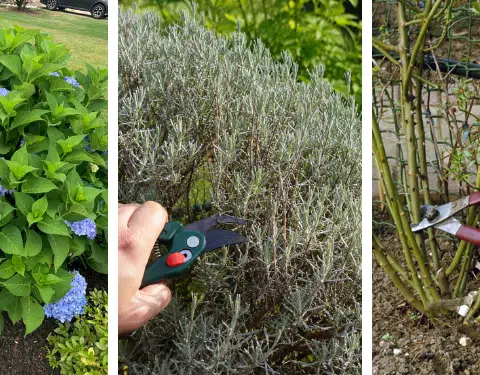
- Prune annually to encourage compact growth and prevent woody stems.
6. Lavender Offers Culinary Delights
While many people know lavender for its fragrance, few realize it’s also a versatile culinary herb. Its flowers and leaves can be used in both sweet and savory dishes.
- Sweet uses: Infuse sugar with dried lavender for baking. Add it to cookies, ice cream, or lemonade.
- Savory uses: Lavender pairs well with meats like lamb, chicken, or fish, especially in Mediterranean cuisine.
- Beverages: Make lavender tea, lattes, or cocktails for a fragrant twist.
Pro Kitchen Tip
Use culinary-grade lavender in cooking to avoid bitterness. English lavender (Lavandula angustifolia) is the most commonly used variety for food.
7. Lavender Has Powerful Medicinal Properties
Lavender is more than an ornamental herb; it’s a natural healer. For centuries, it has been used in traditional medicine, and modern research supports many of these uses.
- Anti-inflammatory: Lavender can soothe skin irritations and reduce swelling.
- Antimicrobial: Its essential oils help fight bacteria and fungi.
- Pain relief: Lavender oil massage has been shown to reduce headaches, muscle soreness, and menstrual cramps.
- Sleep aid: Lavender tea or aromatherapy supports restful sleep.
Home Remedies
- Add lavender oil to a carrier oil for massage.
- Apply cooled lavender tea to minor burns or insect bites.
- Drink lavender tea before bed for relaxation.
8. Lavender Enhances Soil and Companion Planting
Lavender isn’t just good for you – it’s good for your garden ecosystem.
- Soil health: Lavender roots improve soil aeration and attract beneficial microbes.
- Companion planting: Lavender planted near roses helps deter aphids while enhancing fragrance. It also pairs well with cabbage and brassicas, deterring moths.
- Erosion control: Its dense root system stabilizes soil, especially on slopes.
By including lavender in your planting plan, you improve the health and balance of the entire garden.
9. Lavender Provides Long-Lasting Decorative Uses
Lavender flowers don’t just fade after summer; they can be harvested and enjoyed year-round.
- Dried arrangements: Retain their color and fragrance for months.
- Craft projects: Use in potpourri, wreaths, and homemade candles.
- Home décor: Dried bundles tied with twine add rustic charm to kitchens and bedrooms.
Lavender is one of the few plants that transitions seamlessly from garden beauty to indoor décor.
10. Lavender Is a Sustainable and Eco-Friendly Choice
Lavender is a plant that gives back without demanding much in return. Its resilience makes it an excellent choice for sustainable gardening.
- Low water use: Perfect for xeriscaping and reducing water bills.
- Few chemicals needed: Naturally resistant to many pests and diseases.
- Pollinator support: Contributes to healthier ecosystems.
- Carbon footprint: Long-lived and drought-tolerant, reducing the need for replanting and resources.
By planting lavender, you’re making an environmentally responsible choice.
Choosing the Right Lavender for Your Garden
Not all lavender is the same. Different varieties have different strengths:
- English Lavender (Lavandula angustifolia): Best for culinary and aromatherapy. Cold-hardy and compact.
- French Lavender (Lavandula dentata): Fragrant, long-blooming, with serrated leaves. Great for warmer climates.
- Spanish Lavender (Lavandula stoechas): Distinctive “rabbit ear” bracts. Excellent ornamental choice.
- Lavandin (Lavandula × intermedia): Hybrid with strong fragrance. Perfect for drying and crafts.
How to Plant and Care for Lavender
- Site Selection: Choose a sunny, well-drained spot.
- Soil Preparation: Amend heavy soil with sand or gravel for better drainage.
- Planting: Space plants 12–18 inches apart for air circulation.
- Watering: Water deeply after planting, then sparingly once established.
- Pruning: Cut back by one-third after flowering to keep plants compact.
- Winter Care: In cold regions, mulch lightly to protect roots.

Lavender isn’t just another pretty flower – it’s a powerhouse plant with benefits for your garden, health, kitchen, and home.
From attracting pollinators to calming your mind, repelling pests to offering culinary delights, lavender proves again and again that it deserves a place in every garden.