Banana peels are often tossed away without a second thought. But for gardeners who dream of lush tomato vines and pepper plants heavy with fruit, those humble peels hold a powerful secret.
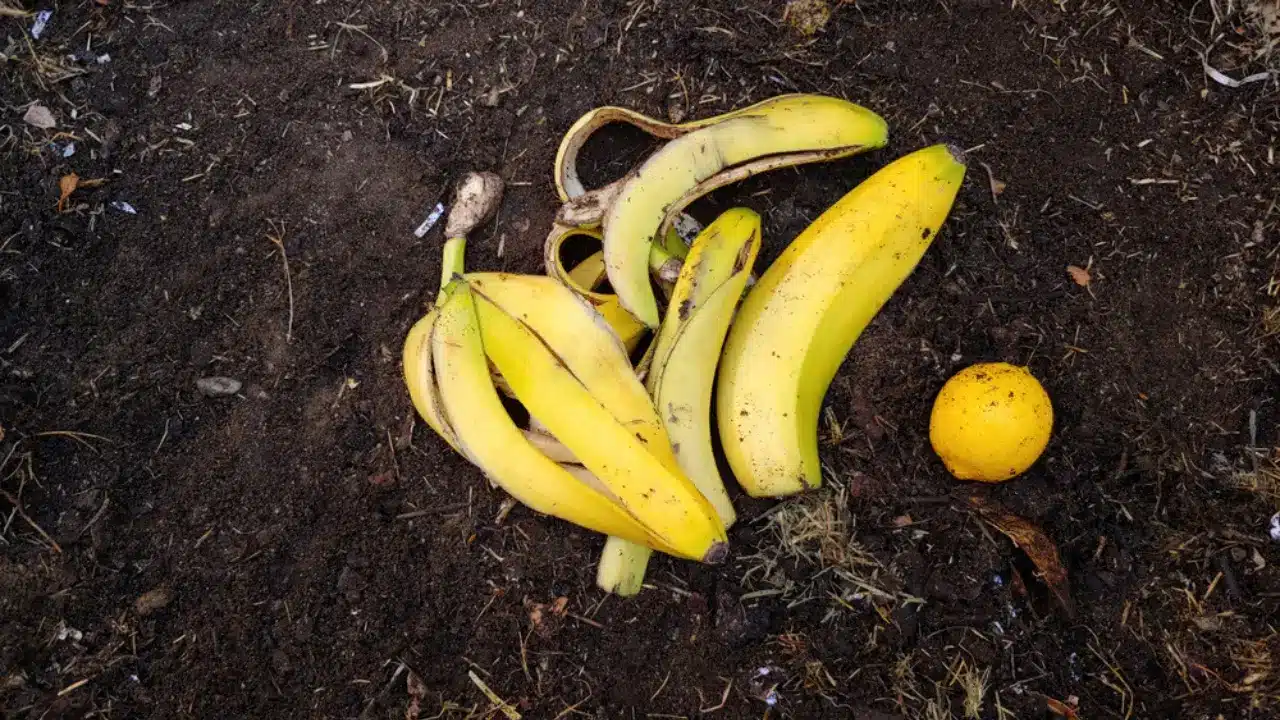
Buried beneath the soil, banana peels act as natural slow-release fertilizers, rich in nutrients that tomatoes and peppers crave.
If you’ve been relying solely on commercial fertilizers, it’s time to consider this simple, cost-free trick that could completely transform your vegetable garden.
Let’s explore exactly why banana peels are such a game-changer – and how to use them to get the most out of your tomato and pepper crops.
Why Banana Peels Are Gardening Gold
At a glance, banana peels don’t seem like much. But dig deeper, and you’ll discover they’re loaded with essential nutrients that plants need not just to survive – but to thrive.
1. Rich in Potassium – The Flowering and Fruiting Fuel
Potassium (K) is one of the three key macronutrients plants need (along with nitrogen and phosphorus).
For tomatoes and peppers, potassium plays an especially critical role:
- It boosts flower production (more flowers = more fruit)
- Enhances fruit size and color
- Strengthens plants against disease and drought
- Supports overall plant vigor
Banana peels are particularly high in potassium, making them a perfect match for fruiting vegetables.
2. Natural Source of Phosphorus
Phosphorus (P) is essential for root development, seed production, and flower formation.
Banana peels provide a natural dose of this nutrient, helping your young tomato and pepper seedlings develop strong, deep root systems and encouraging robust flowering later in the season.
3. Calcium for Strong Cell Walls
Blossom end rot, the bane of tomato and pepper growers, is often caused by a calcium deficiency.
While banana peels don’t contain as much calcium as eggshells, they still provide a supplementary source that can help prevent this frustrating condition when used regularly.
4. Magnesium and Trace Minerals
Banana peels also offer small amounts of magnesium, manganese, and other trace elements that aid in photosynthesis and enzyme function.
These nutrients are often overlooked but can be the key to taking your yields to the next level.
How Banana Peels Feed Your Garden – Naturally
Unlike synthetic fertilizers that release nutrients all at once, banana peels break down slowly, releasing nutrients over time.
This means:
- Longer nutrient availability
- Improved soil structure and microbial health
- Reduced risk of over-fertilization or chemical burn
And best of all? They’re free, biodegradable, and readily available in most households.
12 Reasons to Start Burying Banana Peels in Your Garden
1. They Improve Soil Fertility Naturally
Banana peels break down in the soil, enriching it with potassium, phosphorus, and other micronutrients that boost plant health.
Over time, this improves overall soil fertility – especially important in container gardens or nutrient-depleted beds.
2. They’re a Sustainable, Chemical-Free Fertilizer
By using banana peels instead of synthetic fertilizers, you’re reducing your reliance on chemical inputs. This not only saves money but also helps preserve beneficial soil organisms and pollinators.
3. They Promote Better Fruit Set in Tomatoes and Peppers
More potassium means more flowers and fewer dropped blossoms. This translates directly into better fruiting, especially in heavy producers like cherry tomatoes and bell peppers.
4. They Support Vigorous Root Growth
The phosphorus in banana peels strengthens root systems. This is especially important in the early stages of growth when your seedlings need a solid foundation.
5. They Help Prevent Blossom End Rot
While not a cure-all, the calcium and potassium in banana peels can help reduce the occurrence of blossom end rot – a frustrating condition where the base of the fruit turns black and mushy.
6. They Feed Beneficial Soil Microbes
As banana peels decompose, they become a food source for earthworms and beneficial bacteria. This enhances soil life and structure – both essential for healthy, productive plants.
7. They Deter Some Garden Pests (Surprisingly)
While not a guaranteed pest deterrent, some gardeners report that buried banana peels can distract or even repel aphids, fungus gnats, and some soil-dwelling insects. It’s likely due to the microbial and pH shifts they cause in the soil.
8. They Help Retain Soil Moisture
As they break down, banana peels can improve soil texture, helping retain moisture during hot summer days – a key benefit for thirsty tomato and pepper plants.
9. They’re Easy to Use in the Garden
Unlike compost, banana peels don’t require months of preparation. You can bury them directly where you need them with minimal effort.
10. They Reduce Kitchen Waste
Every peel you bury is one less piece of waste sent to the landfill. It’s a simple step toward a more circular, zero-waste household.
11. They Boost Growth in Raised Beds and Containers
In raised beds or pots – where nutrients are more limited – banana peels can give your tomatoes and peppers a continuous, gentle boost throughout the growing season.
12. They’re Great for Companion Planting
Planted alongside marigolds, basil, or nasturtiums, banana peels work in harmony to nourish soil and promote strong, vibrant companion plants that deter pests and improve pollination.
How to Use Banana Peels in the Garden: Methods That Work
There’s more than one way to use banana peels in your garden. Here are several effective methods tailored to tomatoes and peppers:
1. Bury Peels at Planting Time
When planting tomato or pepper seedlings:
- Dig a deep hole.
- Place 1–2 chopped banana peels at the bottom.
- Cover with a thin layer of soil, then plant your seedling.
As the roots grow, they’ll reach down and benefit directly from the nutrients released.
2. Side-Dress Established Plants
For mature plants, banana peels can be:
- Chopped into small pieces and lightly buried around the base (4–6 inches away from the stem).
- Replenished every 3–4 weeks during the growing season.
This provides a slow and steady nutrient release during peak fruiting periods.
3. Make a Banana Peel Compost Tea
Create a liquid fertilizer by:
- Soaking 3–4 banana peels in a gallon of water for 3–5 days.
- Straining the water and using it to water tomato and pepper plants.
This “banana tea” provides a quick potassium and magnesium boost.
4. Dry and Powder the Peels
- Dry banana peels completely (in the sun or an oven).
- Grind into a powder.
- Sprinkle around the base of your plants or mix into potting soil.
This method concentrates the nutrients and makes them more readily available.
5. Add to Compost
While direct application is fast and easy, banana peels are also an excellent green addition to your compost pile. They balance out carbon-rich browns like leaves and cardboard, helping maintain the right composting ratio.
Mistakes to Avoid When Using Banana Peels
While banana peels are incredibly helpful, a few precautions will help you use them effectively:
Don’t Use Whole Peels Without Chopping
Whole peels take longer to decompose and can attract pests. Always chop them into small pieces before burying.
Don’t Overload One Area
Spreading them out prevents clumping, odors, and uneven nutrient distribution.
Avoid Peels from Chemically Treated Bananas
If possible, use organic banana peels. Non-organic bananas may be treated with pesticides or preservatives that could affect soil microbes.
Bonus: Which Varieties Benefit Most?
While banana peels are beneficial for all tomatoes and peppers, certain high-yield and heavy-feeding varieties benefit the most:
Tomatoes that love banana peels:
- Beefsteak
- Brandywine
- San Marzano
- Cherry and grape varieties (especially in containers)
Peppers that thrive with extra potassium:
- Bell peppers
- Jalapeños
- Banana peppers
- Poblano
- Cayenne
Tomatoes and peppers are two of the most beloved crops in the home garden – and they’re also some of the most nutrient-demanding.
That’s why banana peels are such a valuable secret weapon. They feed the soil, support blooming and fruiting, improve moisture retention, and build a healthier root environment.