Most people peel an orange, enjoy its juicy sweetness, and toss the skin straight into the trash.
But those peels aren’t just waste – they’re a goldmine of nutrients, natural oils, and practical uses.
From health remedies and beauty care to eco-friendly cleaning and garden hacks, orange peels deserve a second life.
Across cultures, orange peels have been treasured for centuries. In Traditional Chinese Medicine, dried peel (chen pi) is a digestive aid.
In Ayurveda, peel infusions are prescribed for respiratory health. In Mediterranean kitchens, candied peel and zest brighten recipes. Even in gardening, peels serve as natural fertilizers and pest repellents.
The Power Inside Orange Peels
Nutritional and Chemical Profile
Orange peels are more nutrient-dense than the fruit itself.
They contain:
- Vitamin C – higher concentration than pulp, vital for immunity and skin.
- Vitamin A & B-complex (folate, riboflavin, thiamine) – supporting metabolism and vision.
- Fiber (pectin) – aids digestion, lowers cholesterol, and regulates blood sugar.
- Flavonoids (hesperidin, polymethoxyflavones) – antioxidants linked to heart health and anti-cancer activity.
- Essential oils (d-limonene, citral, linalool) – antimicrobial, antifungal, insect-repellent.
- Calcium, potassium, magnesium – important for bones, nerves, and heart function.
The peel’s zesty aroma comes from d-limonene, an oil widely used in aromatherapy and natural cleaners.
1. Health and Wellness Uses of Orange Peels
Orange Peel Tea (Digestion, Immunity, Heart Health)
How to make it:
- Dry orange peels in sunlight or a low oven.
- Boil 1–2 teaspoons of dried peel in a cup of water for 10 minutes.
- Add honey or ginger for taste.
Why it’s beneficial:
- Rich in Vitamin C (boosts immunity).
- Pectin fiber soothes digestion and supports gut bacteria.
- Flavonoids lower cholesterol and improve circulation.
How to use: Drink daily, especially during cold/flu season or after heavy meals.
Orange Peel Powder for Weight Management
How to make it:
- Dry orange peels until crisp.
- Grind into a fine powder using a blender.
- Store in an airtight jar.
Why it’s beneficial:
- Boosts metabolism naturally.
- High fiber helps you feel full and reduces cravings.
- Stimulates fat burning when taken regularly.
How to use: Mix 1 tsp powder into warm water with honey before breakfast.
Steam Inhalation for Coughs & Congestion
How to make it:
- Add a handful of fresh or dried orange peels to a bowl of hot water.
- Add a teaspoon of crushed ginger or a few cloves (optional).
- Lean over, cover head with towel, inhale steam for 10 minutes.
Why it’s beneficial:
- Essential oils act as natural expectorants.
- Clears phlegm and opens airways.
- Relieves sinus pressure and coughs.
How to use: Do once daily during cold, flu, or allergy flare-ups.
Immune-Boosting Cold Remedy
How to make it:
- Simmer orange peel, fresh ginger, and cinnamon stick for 15 minutes.
- Add lemon juice and honey before drinking.
Why it’s beneficial:
- Vitamin C + antioxidants fight infections.
- Ginger and cinnamon add anti-inflammatory, warming effects.
How to use: Drink warm at first sign of cold or flu.
2. Beauty and Skincare Uses
Face Brightening Mask
How to make it:
- Mix 1 tbsp orange peel powder with 2 tbsp yogurt.
- Apply to clean face, leave for 15 minutes.
- Rinse with cool water.
Why it’s beneficial:
- Vitamin C lightens scars and pigmentation.
- Yogurt moisturizes and gently exfoliates.
How to use: Use 2–3 times a week for glowing skin.
Acne and Oil-Control Scrub
How to make it:
- Combine 1 tbsp peel powder with 1 tbsp honey and a pinch of turmeric.
- Massage gently onto skin in circular motions.
- Wash off after 5 minutes.
Why it’s beneficial:
- Orange peel fights acne-causing bacteria.
- Honey soothes inflammation.
- Turmeric reduces redness.
How to use: Twice weekly for acne-prone or oily skin.
Natural Teeth Whitener
How to make it: Rub the inner white part (albedo) of a fresh peel directly on teeth.
Why it’s beneficial:
- Contains natural compounds that break down stains.
- Gentle and safe compared to harsh chemical whiteners.
How to use: Rub for 2–3 minutes daily, then brush as usual.
Hair Rinse for Shine and Dandruff
How to make it:
- Boil peels in 2 cups water for 15 minutes.
- Cool, strain, and pour over scalp after shampooing.
Why it’s beneficial:
- Orange oil stimulates scalp circulation.
- Fights dandruff-causing microbes.
- Adds natural shine and fragrance.
How to use: Use weekly as a final rinse.
3. Household Uses
Citrus Vinegar Cleaner
How to make it:
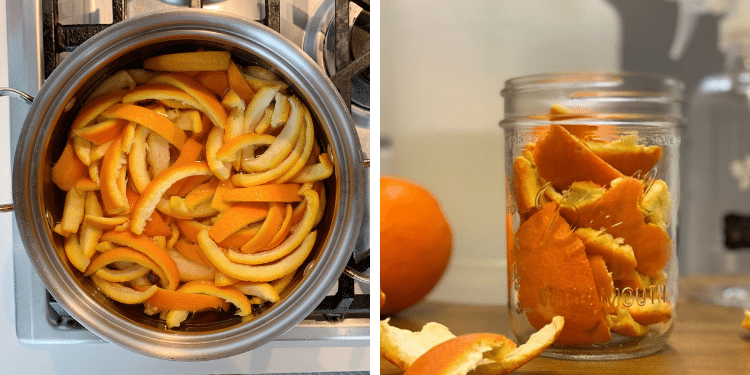
- Fill a jar with orange peels.
- Cover with white vinegar.
- Let sit for 2 weeks, then strain and dilute with equal water.
Why it’s beneficial:
- Natural disinfectant.
- Cuts grease and kills bacteria.
- Leaves a fresh citrus scent.
How to use: Spray on counters, sinks, and glass surfaces.
Natural Air Freshener
How to make it: Boil orange peels with cinnamon, cloves, or rosemary in water.
Why it’s beneficial:
- Neutralizes odors.
- Creates a cozy, uplifting fragrance.
How to use: Let simmer on the stove to freshen entire home.
Shoe and Closet Deodorizer
How to make it: Place dried peel pieces in a breathable sachet or cloth bag.
Why it’s beneficial: Absorbs odors and leaves citrus scent.
How to use: Tuck into shoes, gym bags, or dresser drawers.
Fire Starter
How to make it:
- Dry orange peels fully and store.
- Toss into fireplace or campfire as kindling.
Why it’s beneficial: Natural oils (d-limonene) burn hot and give off a sweet aroma.
How to use: Great for camping or cozy winter fires.
Pest Repellent
How to make it:
- Scatter fresh peel strips near doorways or windows.
- Alternatively, rub peel directly on skin.
Why it’s beneficial: Citrus oils repel ants, mosquitoes, and cockroaches naturally.
How to use: Replace peels every few days for best effect.
4. Culinary Uses
Orange Zest
How to make it: Grate fresh peel with a zester, avoiding the bitter white pith.
Why it’s beneficial: Adds flavor to baked goods, marinades, salads, and sauces.
How to use: Fresh zest is strongest, but you can freeze or dry it for later.
Candied Orange Peel
How to make it:
- Boil peels in water for 10 minutes to remove bitterness.
- Simmer in sugar syrup until translucent.
- Roll in sugar or dip in chocolate.
Why it’s beneficial:
- Turns waste into a gourmet treat.
- Packed with antioxidants and energy.
How to use: Snack, dessert garnish, or holiday gift.
Infused Drinks
How to make it:
- Add dried peels to hot tea, mulled wine, or cocktails.
- Steep fresh peels in vodka, gin, or olive oil for infusion.
Why it’s beneficial:
- Adds natural citrus aroma without artificial flavorings.
- Provides antioxidant boost.
How to use: Use peel infusions in beverages, dressings, or marinades.
Homemade Marmalade
How to make it: Chop peels finely, boil with orange pulp, sugar, and lemon juice until thick.
Why it’s beneficial:
- Preserves both peel and fruit.
- Traditional, fiber-rich spread for toast or baking.
How to use: Store in jars and enjoy year-round.
5. Garden Uses
Fertilizer and Soil Enricher
How to make it: Dry peels and grind into powder. Mix into soil or compost.
Why it’s beneficial:
- Adds potassium, phosphorus, calcium, and nitrogen.
- Improves soil fertility and structure.
How to use: Sprinkle around plants monthly.
Natural Pest Barrier
How to make it: Scatter fresh peels around seedlings or problem areas.
Why it’s beneficial: Repels slugs, aphids, and ants with citrus oils.
How to use: Replace every week or after heavy rain.
Seed Starters
How to make it: Scoop out half an orange, fill peel cup with soil, plant seeds.
Why it’s beneficial:
- Peel acts as biodegradable pot.
- Adds nutrients to soil when transplanted.
How to use: Once seedlings sprout, plant peel and all in garden bed.
Bird and Butterfly Attractor
How to make it: Place leftover fresh peels outdoors on a tray or bird feeder.
Why it’s beneficial:
- Attracts butterflies, bees, and some birds with sweet fragrance.
- Boosts pollination in your garden.
How to use: Replace regularly before mold forms.
6. How to Prepare and Store Orange Peels
- Wash thoroughly (or buy organic) to remove wax and pesticide residue.
- Drying: Air-dry 3–5 days, oven-dry at 200°F (95°C) for 2–3 hours, or use a dehydrator.
- Storing: Keep in airtight jars in a cool, dark place.
- Powder: Grind dried peels for easy use in drinks, masks, or recipes.
- Infused oils: Store peels in olive oil for 1–2 weeks for cooking or skincare.
By rethinking orange peels as a resource instead of waste, you not only reduce trash but also unlock countless benefits for your health, home, and garden.