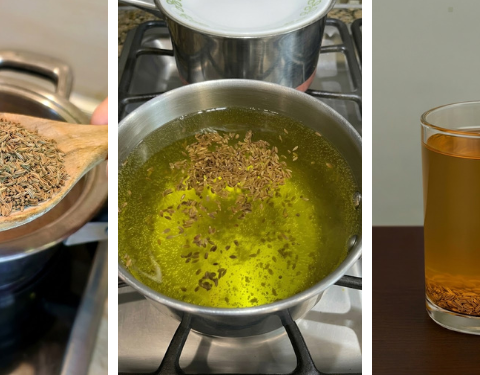
Apple Cider Vinegar (ACV) has long been discussed in the world of natural home remedies as a potential tool for managing kidney stones.
While many people advocate for its use based on the alkalizing effect it has on the body, it is a potent substance that must be used with a specific understanding of your body’s internal chemistry.
Before incorporating ACV into a kidney health protocol, here are the vital factors you need to consider regarding its impact on mineral crystallization and systemic pH.
1. The Paradox: Acidic Outside, Alkaline Inside
The primary component of ACV is acetic acid. While this sounds like it would make the body more acidic, the opposite happens during metabolism.
-
The Metabolic Shift: Once processed by the liver, the organic acids in ACV leave behind an “alkaline ash.” This helps raise the pH of your urine.
-
Why It Matters: Most kidney stones (specifically uric acid stones and cystine stones) form in highly acidic environments. By shifting the urine to a more alkaline state, ACV may help prevent these specific minerals from crystallizing into solid stones.
2. Softening the Matrix: The Role of Acetic Acid
Kidney stones are not just solid rocks; they are often held together by a “protein matrix.”
-
The Action: Research suggests that acetic acid can help soften or break down the external structure of some stones. This may make them easier to pass or reduce the likelihood of small crystals “aggregating” into larger, more painful stones.
-
The Limitation: It is important to note that ACV is most effective as a preventative tool. Once a stone has reached a significant size (typically 5mm or larger), chemical “softening” via vinegar is rarely enough to dissolve it entirely without medical intervention.
3. The Potassium Connection
The kidneys require a delicate balance of minerals to function, and potassium is one of the most critical.
-
The Benefit: High-quality, “with the mother” ACV contains trace amounts of potassium. Potassium helps prevent the body from excreting too much calcium in the urine.
-
The Warning: If you are already taking medication for high blood pressure or have advanced kidney disease, you must be cautious. High levels of vinegar can sometimes lead to lower potassium levels in the blood, which can strain the kidneys and the heart.
4. Understanding Your Stone Type
Not all kidney stones are the same, and ACV may not be the “master key” for every variety.
-
Calcium Oxalate Stones: These are the most common (about 80% of stones). While ACV is generally helpful for these, the most important factor is avoiding the oxalate-heavy habits we discussed in our kidney health guide (like over-supplementing Vitamin C).
-
Uric Acid Stones: These are highly responsive to the alkalizing effects of ACV.
-
Struvite Stones: These are usually caused by infections. ACV’s antimicrobial properties can provide secondary support, but medical treatment for the underlying infection is mandatory.
5. Protecting Your Protective Barriers
ACV is a strong acid before it is metabolized, and it can be harsh on the body’s entry points.
-
Dental Enamel: Drinking ACV straight can strip the enamel from your teeth. Always dilute it (1–2 tablespoons in a large glass of water) and consider drinking it through a straw.
-
The Esophageal Lining: For those with sensitive stomachs or acid reflux, the acetic acid can cause irritation. As we noted in our guide to Contrast Showers and Right-Side Sleeping, the position of your body and the timing of what you drink can significantly impact how your digestive tract reacts to acidic substances.
The “Kidney-Safe” ACV Protocol
If you decide to use ACV for kidney health, follow these guidelines to maximize benefit and minimize risk:
-
Dilution is Key: Use 1 to 2 tablespoons of raw, unfiltered ACV in 8 to 16 ounces of water.
-
Add Lemon: Fresh lemon juice provides citrate, which is a powerful inhibitor of calcium stone formation. The combination of ACV and lemon is much more effective than either alone.
-
Hydrate Simultaneously: ACV is not a substitute for water. You must continue to drink at least 2 liters of plain water daily to ensure the kidneys have enough volume to flush out the minerals the ACV is helping to mobilize.
-
Monitor Your Urine: Ideally, urine should be a pale straw color. If it becomes dark or if you experience pain in the “flank” area (lower back), stop use and consult a professional.
Summary Table: ACV and Kidney Stones
| Feature | Impact | Best Practice |
| Urinary pH | Becomes more alkaline. | Helps prevent uric acid stones. |
| Acetic Acid | May soften stone edges. | Most effective for small crystals. |
| Potassium | Supports mineral balance. | Watch out for medication interactions. |
| Citrate Synergy | Enhanced by adding lemon. | Best for calcium oxalate prevention. |
Apple cider vinegar is a valuable “metabolic ally” for kidney health, primarily by helping to maintain an alkaline urinary environment and providing trace minerals.
However, it works best as part of a broader lifestyle that includes high hydration, low processed salt intake, and proper magnesium balance.
By understanding how the acetic acid shifts your internal chemistry, you can use this ancient remedy to help keep your “biological filters” clear and functional.