Have you noticed your houseplants looking sad, weak, or colorless lately? While many people blame watering mistakes for plant problems, one of the biggest hidden culprits is lack of light.
Indoor environments rarely match the sunlight levels plants evolved to thrive in – especially during winter or in dim apartments.
Understanding the signs of light deficiency can save your houseplants and help them thrive.
Let’s explore the most common warnings that your houseplant needs more sunlight – and what you can do about it.
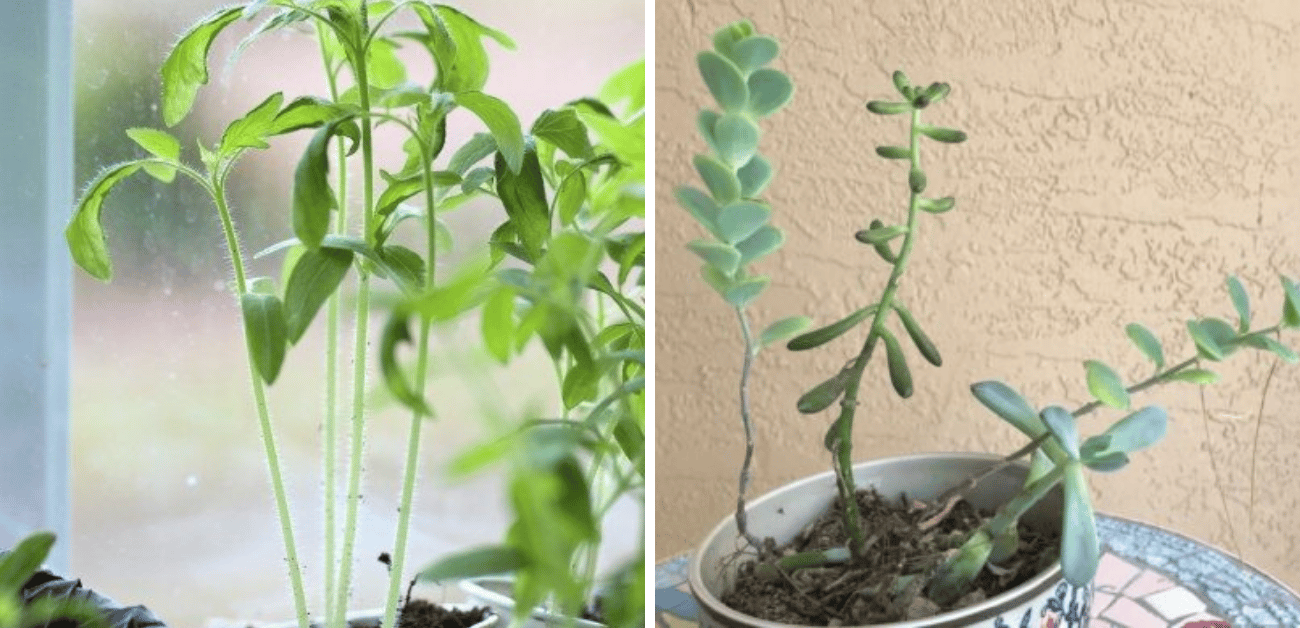
1. Leggy Growth
One of the clearest signs your plant craves more light is leggy growth.
Instead of growing compact and bushy, your plant’s stems become long and stretched, with leaves spaced far apart along thin, weak stems.
This happens because the plant is reaching toward the nearest light source, stretching as much as possible to survive.
How to Help:
- Move the plant closer to a bright window.
- Rotate the plant weekly to encourage even growth.
- Consider adding a grow light if natural sunlight is limited.
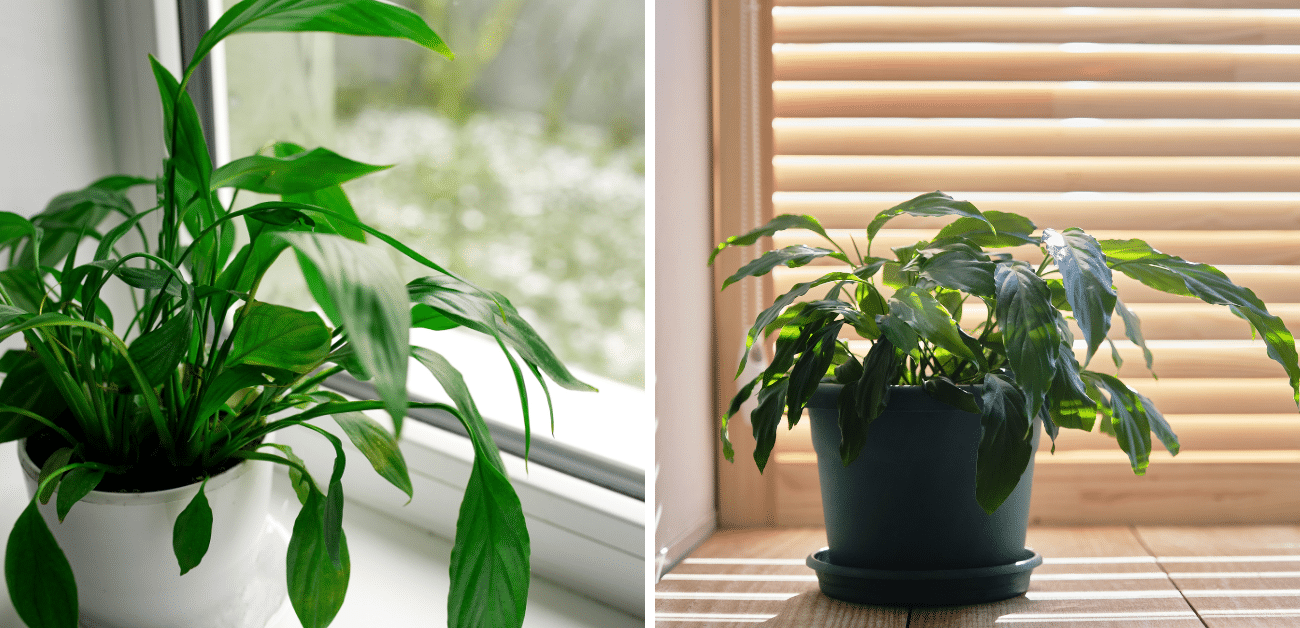
2. Leaning Toward Light Sources
If your plant seems to be bending or leaning dramatically toward the window, it’s signaling that it’s not getting enough light. This phototropic behavior is your plant’s attempt to capture every bit of sunlight it can.
How to Help:
- Rotate the pot every few days so all sides receive light.
- Reposition the plant where it receives more consistent sunlight.
- Use grow lights to balance out lighting in darker rooms.
3. Brown Tips and Edges on Leaves
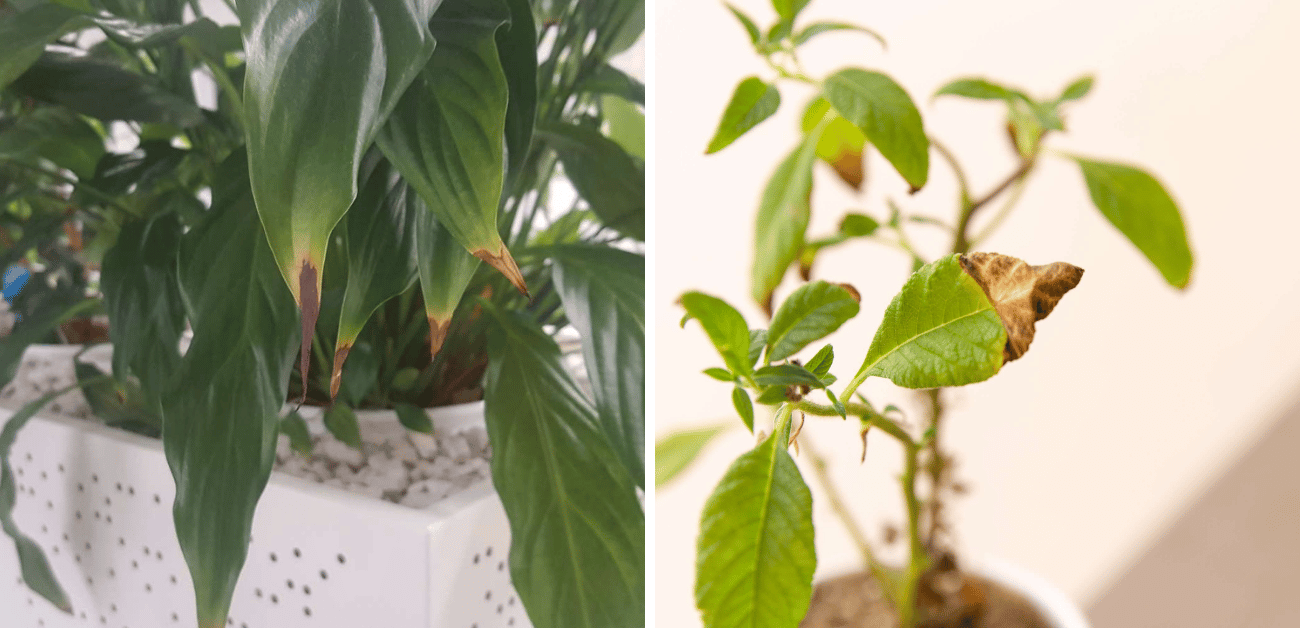
Brown leaf tips or edges can have several causes – overwatering, low humidity, fertilizer burn – but insufficient light is often overlooked.
Without enough sunlight, plants can’t photosynthesize efficiently, leading to poor water and nutrient balance.
How to Help:
- Increase light exposure gradually.
- Check watering practices to avoid soggy soil.
- Reduce fertilizer until the plant’s health improves.
4. Smaller Leaves Than Normal
Healthy plants usually produce new leaves similar in size to their older foliage. If new leaves are noticeably smaller or stunted, it may mean your plant is struggling to fuel growth due to low light.
This symptom is common in plants like:
- Fiddle-leaf fig
- Monstera
- Rubber plant
How to Help:
- Prune surrounding plants or objects that block light.
- Repot if the plant is root-bound, limiting nutrient uptake.
- Move the plant closer to a light source.
5. Slow or No Growth
While some plants naturally slow down in winter, a total pause in growth for months during the growing season is a red flag.
Plants need energy from sunlight to produce new leaves, roots, and flowers. Without adequate light, they simply exist instead of thriving.
How to Help:
- Ensure your plant gets at least 2–3 hours of bright, indirect light daily for moderate-light species.
- For high-light plants, aim for 4–6 hours of sun.
- Supplement with grow lights if necessary.
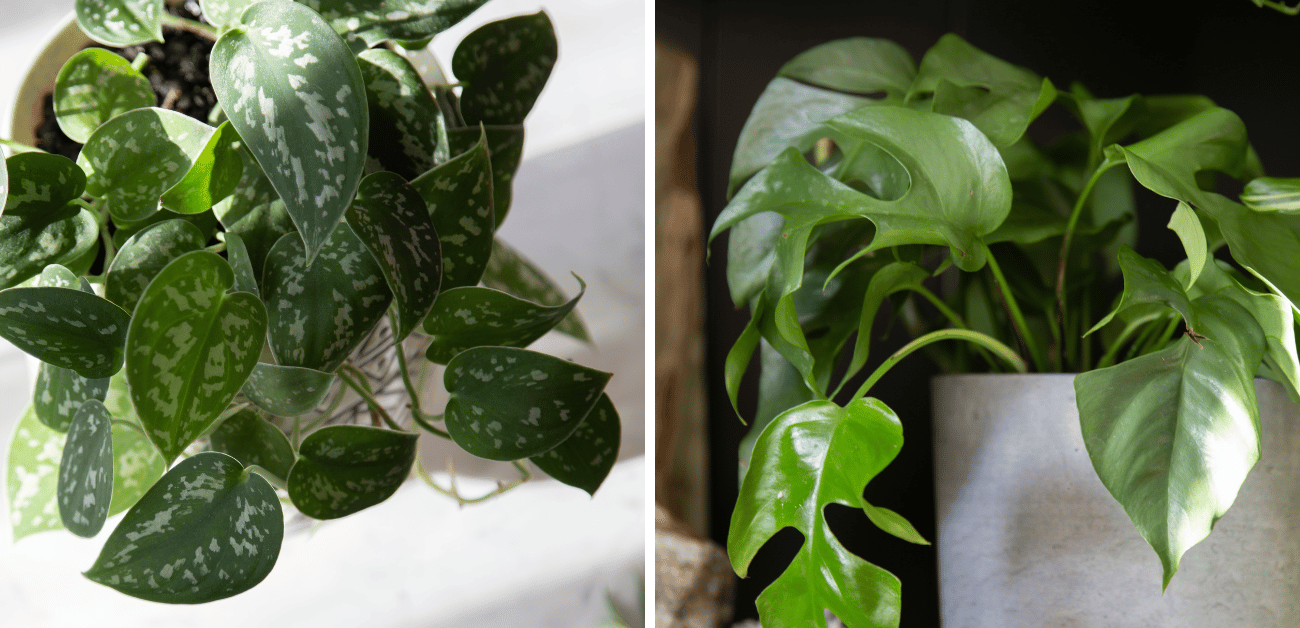
6. Dull or Faded Foliage
Vibrant colors are a sign of good plant health. If your plant’s leaves appear:
- Pale
- Washed out
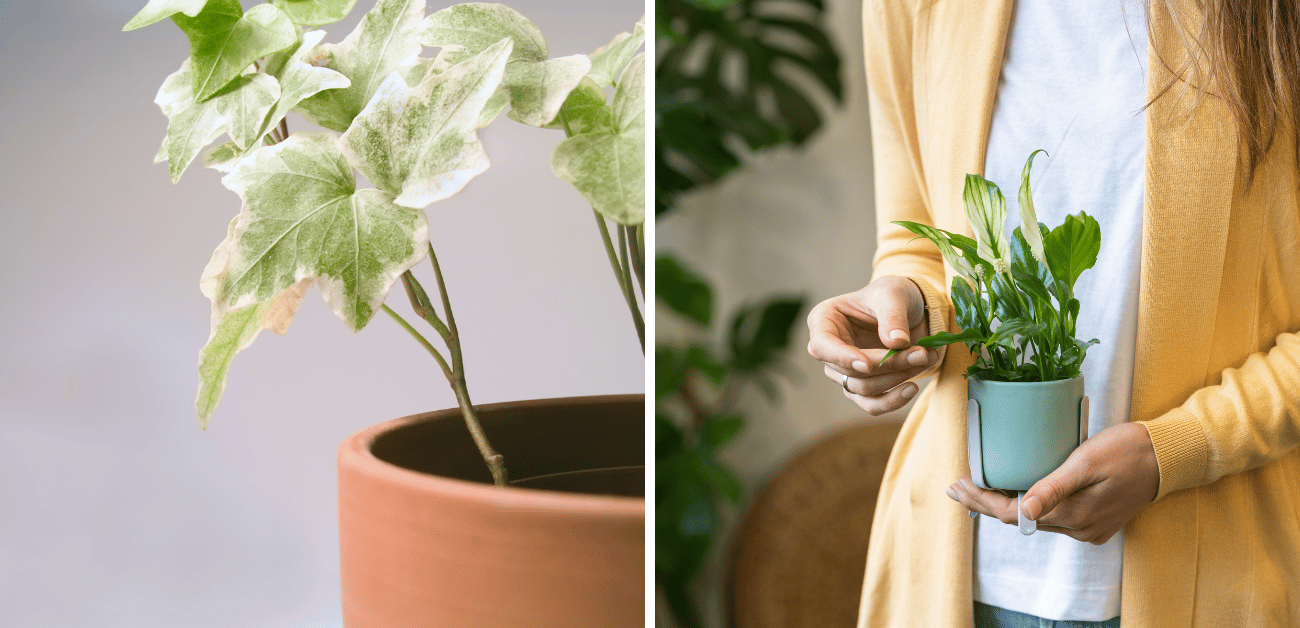
- Losing variegation (color patterns)
…it’s likely lacking sunlight. Variegated plants are especially prone to fading without bright conditions.
How to Help:
- Increase indirect light exposure.
- Avoid placing variegated plants in deep shade.
- Maintain regular feeding once lighting is improved.
7. Soil Staying Wet Too Long
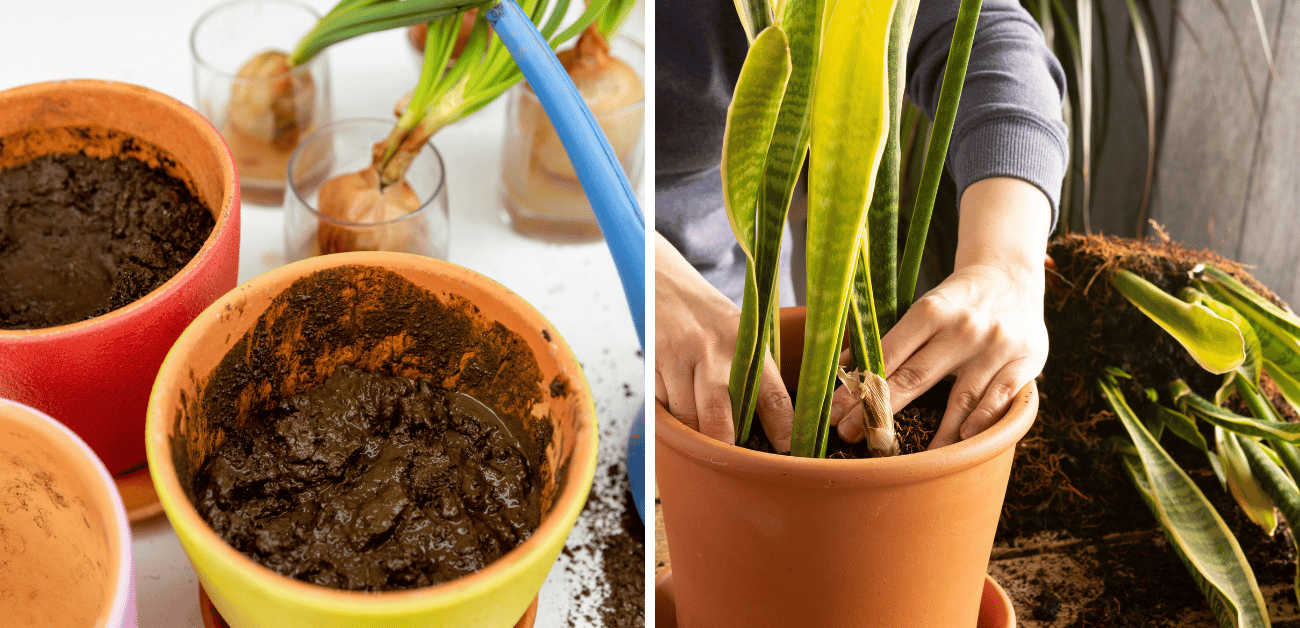
Healthy plants draw water from their roots as they photosynthesize. Without sunlight, photosynthesis slows, meaning less water is used.
If your soil stays wet for more than 3–5 days, it’s a warning sign. Constantly damp soil can lead to root rot, fungal growth, and plant death.
How to Help:
- Check soil moisture before watering.
- Reduce watering frequency.
- Move the plant to a brighter location to encourage water uptake.
- Improve airflow around the plant.
8. Mushy or Soft Leaves
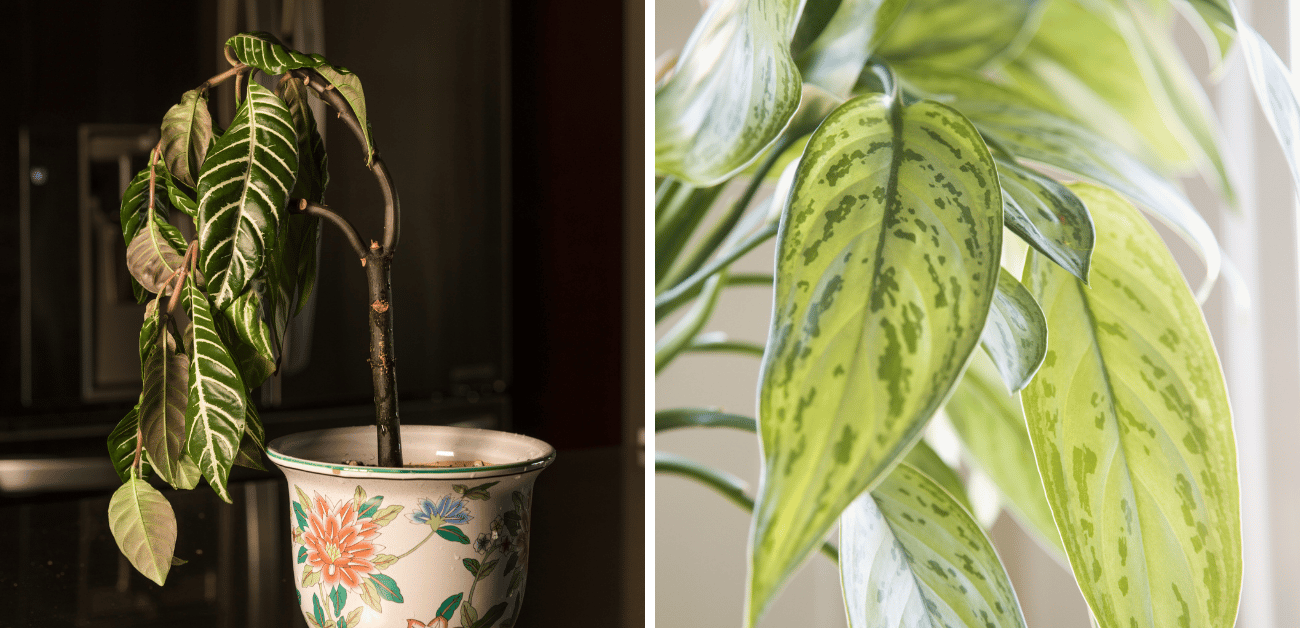
Some plants develop soft, squishy leaves when deprived of sunlight. Mushy leaves often mean the plant’s tissues are breaking down due to an imbalance between water absorption and evaporation.
This is especially common in succulents and cacti, which require abundant light to stay firm and healthy.
How to Help:
- Immediately move the plant into brighter light.
- Trim off any mushy or rotting leaves.
- Check for root rot and repot if necessary.
9. Loss of Flowering
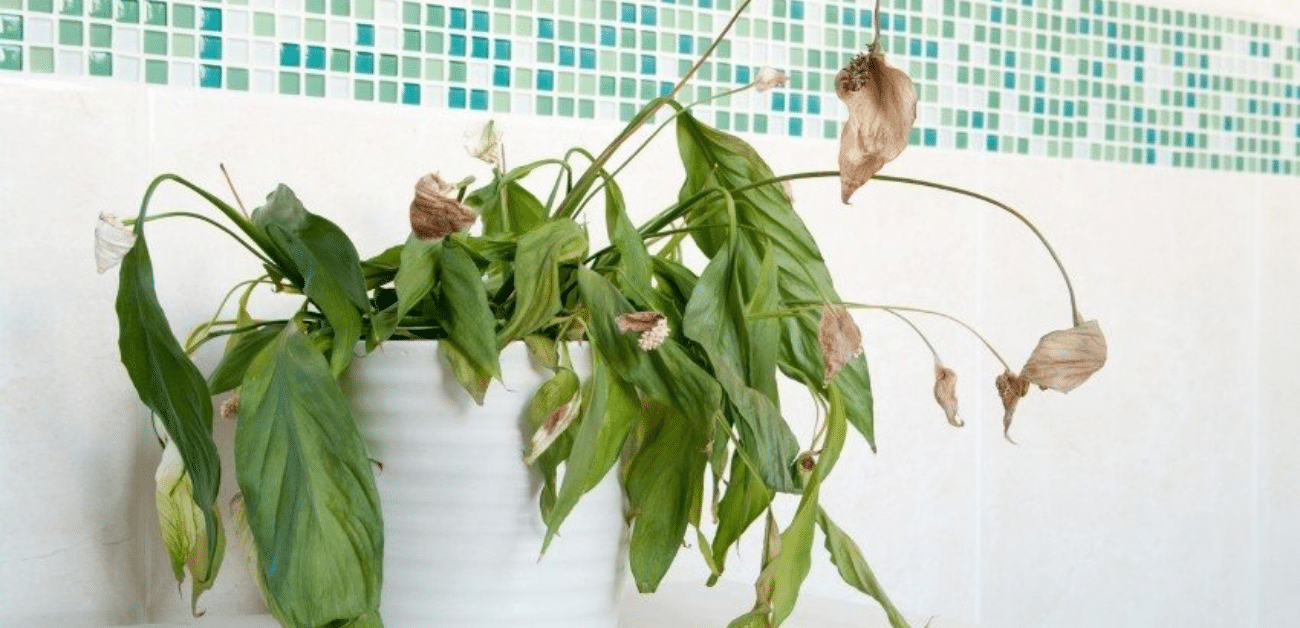
Many houseplants bloom under the right conditions. If your flowering plant has stopped blooming entirely, insufficient light is often to blame.
Plants like:
- African violets
- Orchids
- Anthuriums
- Hibiscus
…all need consistent bright light to produce flowers.
How to Help:
- Move flowering plants to brighter spots.
- Extend daylight hours with grow lights.
- Avoid sudden changes in environment, which can shock buds.
How to Help Houseplants Get Enough Light
If your houseplants are showing any of these symptoms, don’t panic. The solution often comes down to adjusting their environment.
1. Move Closer to Windows
- South-facing windows get the most sunlight year-round.
- East- and west-facing windows are good for gentle morning or afternoon light.
- North-facing windows generally have the least natural light.
2. Rotate Regularly
Turn your plant every few days to a week so all sides receive even light. This prevents lopsided growth.
3. Clean Your Windows
Dirty windows can block up to 30% of sunlight. Keep glass clean to maximize your plant’s exposure.
4. Use Sheer Curtains
Protect plants from harsh direct sunlight, especially during summer, with light-diffusing curtains.
5. Invest in Grow Lights
Grow lights are a lifesaver for houseplants, especially during winter or in low-light apartments.
- LED grow lights are energy-efficient and emit minimal heat.
- Place lights 6–12 inches above plants for best results.
- Keep lights on for 12–16 hours daily for plants needing high light.
6. Prune Surrounding Foliage
Cut back other plants or objects blocking light from reaching your houseplant.
7. Group Plants Strategically
Cluster high-light plants together in the sunniest spot, and place low-light plants further back.
Plants That Tolerate Low Light
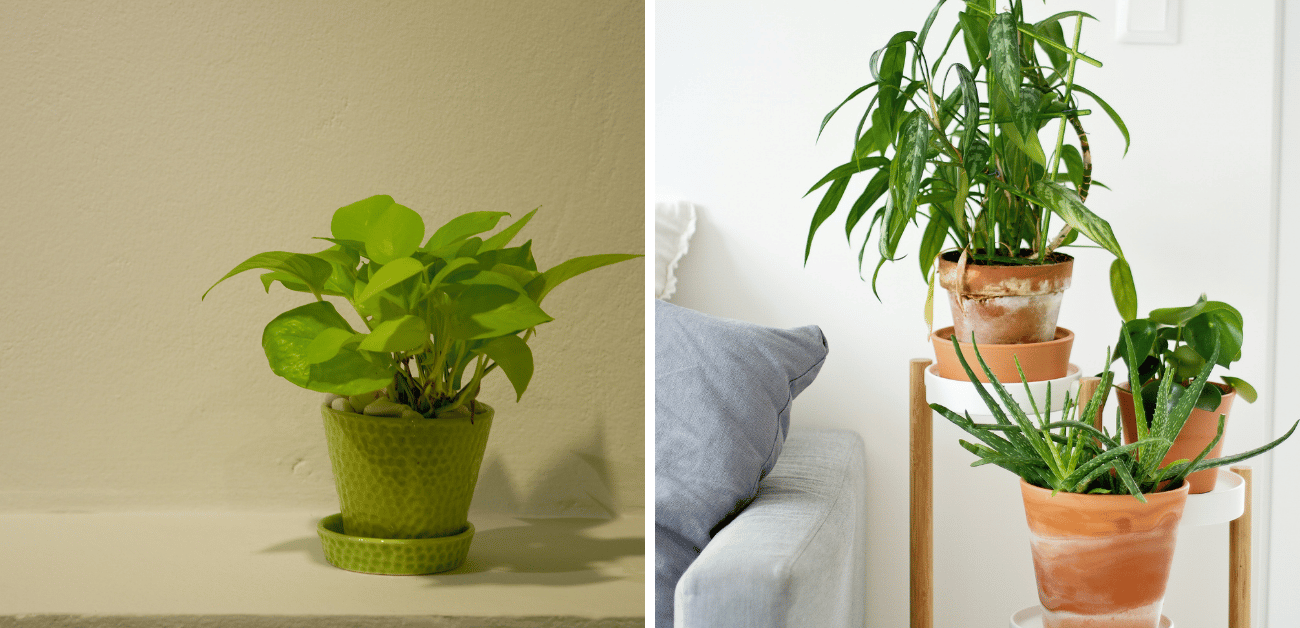
Some plants survive with less sunlight, perfect for darker spots:
- Snake Plant (Sansevieria)
- ZZ Plant (Zamioculcas zamiifolia)
- Pothos (Epipremnum aureum)
- Cast Iron Plant (Aspidistra elatior)
- Chinese Evergreen (Aglaonema)
While these plants tolerate low light, they’ll still grow better and faster with brighter indirect light.
Light is the fuel for plant life. Recognizing early signs of light deficiency can mean the difference between a struggling plant and a thriving, vibrant houseplant collection.