When designing a garden layout, one commonly overlooked yet powerful tip is to select plants with staggered blooming times.
While it’s tempting to focus on summer-blooming plants, including a variety of early spring bloomers can extend the seasonal beauty of your garden.
This approach creates a dynamic and colorful display that starts as early as late winter and continues through spring, ensuring that your garden looks lively and inviting for a much longer period.
By strategically planting species that flower at different stages of spring — from late winter ephemerals to late-spring bloomers — you can build a continuous tapestry of color, texture, and fragrance.
Whether you’re filling flower beds, creating woodland gardens, or designing borders, there are many flowering plants, trees, and groundcovers that provide early-season interest and fit seamlessly into a variety of landscape styles.
Here are 12 of the most popular and reliable plants that bloom in early to mid-spring, offering stunning colors, fragrant flowers, and pollinator-friendly features that will bring your garden to life after a long winter.
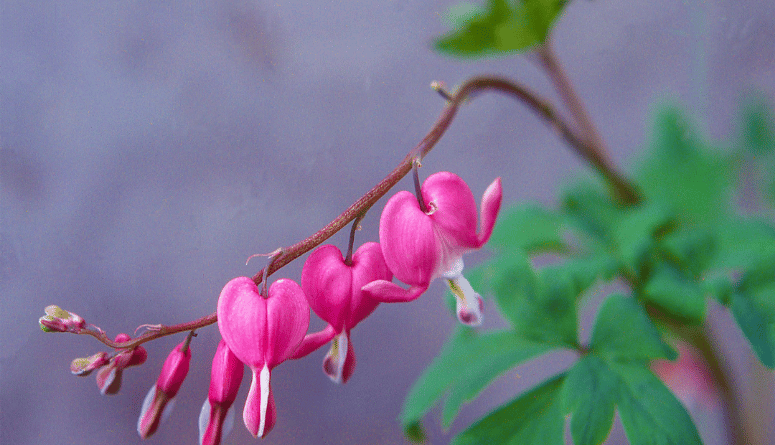
1. Bleeding Heart (Dicentra spectabilis)
One of the most cherished spring ephemerals, bleeding hearts emerge early in the season with their iconic heart-shaped flowers dangling from arching stems.
Typically blooming from late April to early May, these perennials thrive in partially shaded woodland gardens and prefer moist, well-draining soil rich in organic matter.
After their blooming period, bleeding heart plants often go dormant by midsummer, especially in hot climates. Pair them with later-emerging plants like ferns or hostas to fill the space once the foliage fades.
2. Lilac (Syringa vulgaris)
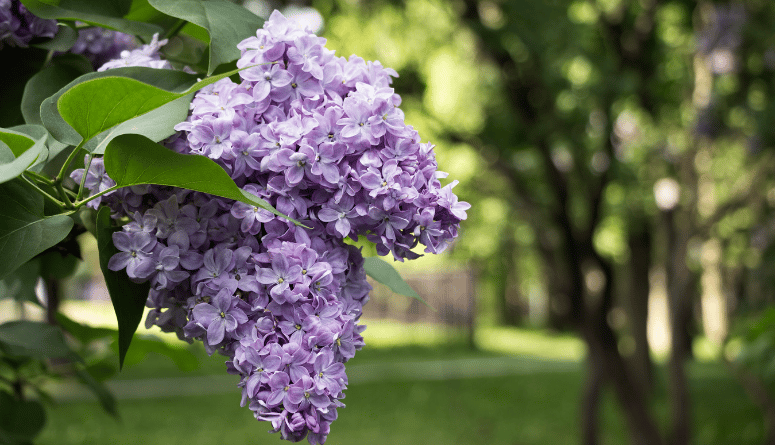
Famed for their sweet, nostalgic fragrance, lilacs are among the most beloved flowering shrubs in home gardens.
Blooming in mid to late spring depending on the variety, they display dense clusters of flowers in colors ranging from lavender and violet to white, pink, and even deep magenta.
Lilacs prefer full sun and well-drained soil. They bloom on old wood, so pruning should be done immediately after flowering to ensure buds are preserved for the following season.
3. Tulip (Tulipa spp.)
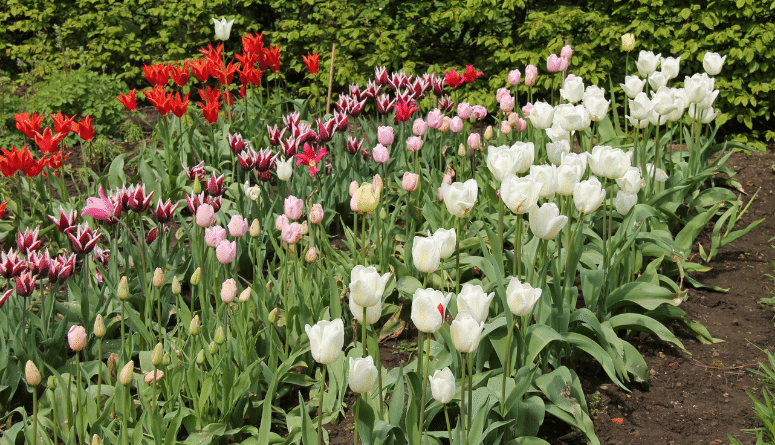
Tulips are spring garden icons. With thousands of cultivars available, tulips bloom in waves — early, mid, and late spring — depending on the variety.
Planting a mix of bloom times ensures a long display from March to May.
Originally native to Central Asia, tulips now come in nearly every color and shape imaginable.
They prefer well-drained soil and sunny spots, and in colder zones, they’re best planted in fall to allow for proper chilling.
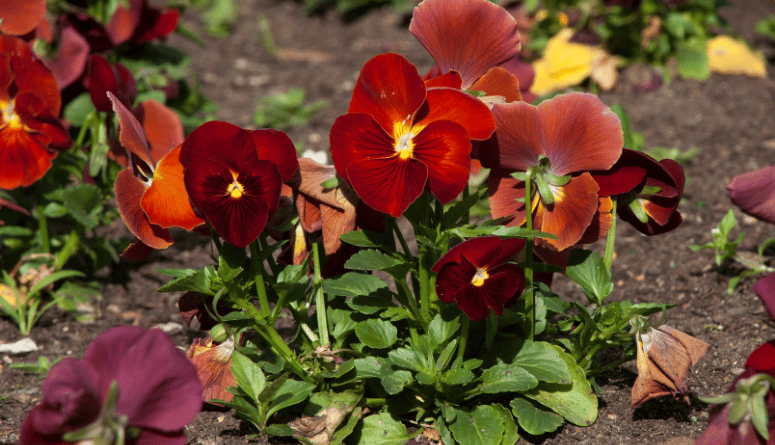
4. Pansy (Viola × wittrockiana)
Pansies are cold-tolerant annuals that can be planted as early as late winter or early spring.
Known for their bold face-like markings, pansies bloom in a rainbow of hues — purple, yellow, blue, red, and more — and will even survive light frosts.
They perform best in cool weather and full to partial sun. In warmer zones, pansies may fade in summer heat but are perfect for early spring containers, borders, and bedding displays.
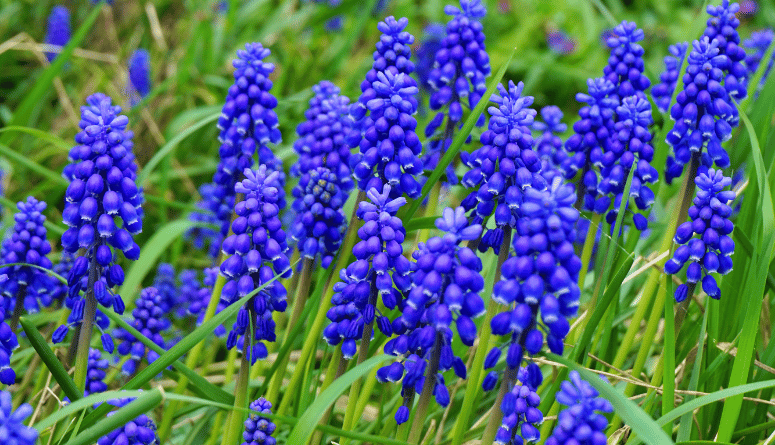
5. Grape Hyacinth (Muscari spp.)
These charming spring bulbs bloom in April and May, producing dense clusters of small, bell-shaped flowers that resemble miniature grapes.
While blue is the most common color, varieties are also available in white, pale pink, and light yellow.
Grape hyacinths naturalize easily and thrive in full sun to partial shade, making them excellent for rock gardens, borders, or beneath taller spring bloomers like daffodils and tulips.
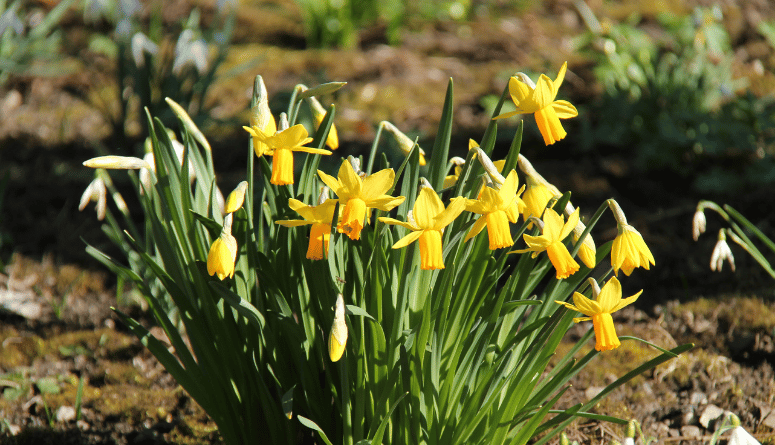
6. Daffodil (Narcissus spp.)
Symbolizing the return of spring, daffodils are early risers in the flower world.
Traditional yellow and white varieties are the most common, but newer hybrids come in peach, orange, pink, and even bicolor combinations.
Daffodils are not only beautiful — they are deer- and rodent-resistant, making them a reliable choice in areas where other bulbs might be eaten. They prefer well-drained soil and full sun and will multiply over time.
Tip: When cutting daffodils for vases, keep them separate from other flowers, as their sap can shorten the vase life of other blooms.
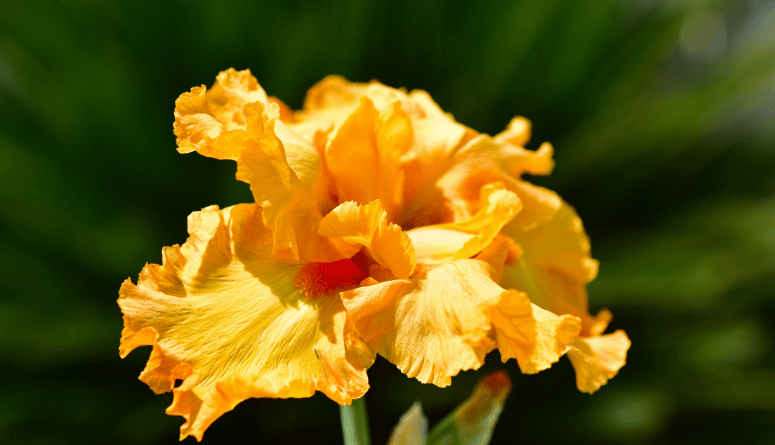
7. Iris (Iris germanica, Iris reticulata)
Bearded irises and dwarf iris varieties offer some of the most striking spring flowers, blooming in shades of purple, white, yellow, blue, and more.
These hardy perennials are beloved for their sword-like foliage and elegant, intricate flowers.
Plant iris rhizomes or bulbs in fall in well-drained, sunny spots. After blooming, avoid cutting back the leaves immediately — they continue to produce energy for next year’s growth.
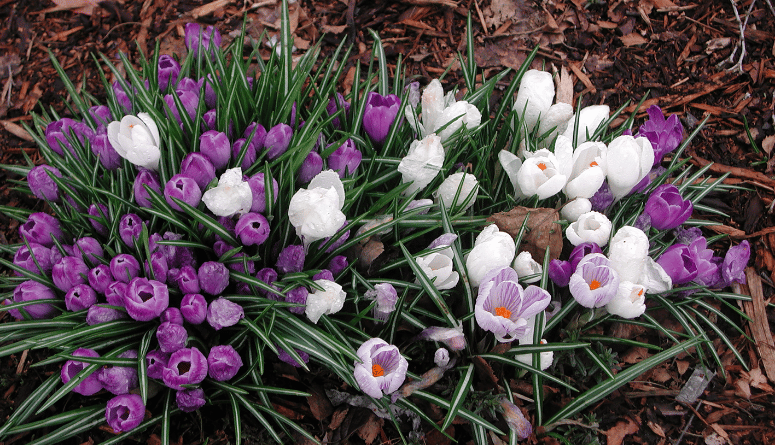
8. Crocus (Crocus spp.)
Often one of the first flowers to appear — sometimes even peeking through snow — crocus blooms offer early nectar for bees and a welcome splash of color to winter-weary gardens.
Plant crocus bulbs in late fall, about 2-3 inches deep, in full sun to partial shade. These low-growing flowers are ideal for naturalizing in lawns, under deciduous trees, or along pathways.
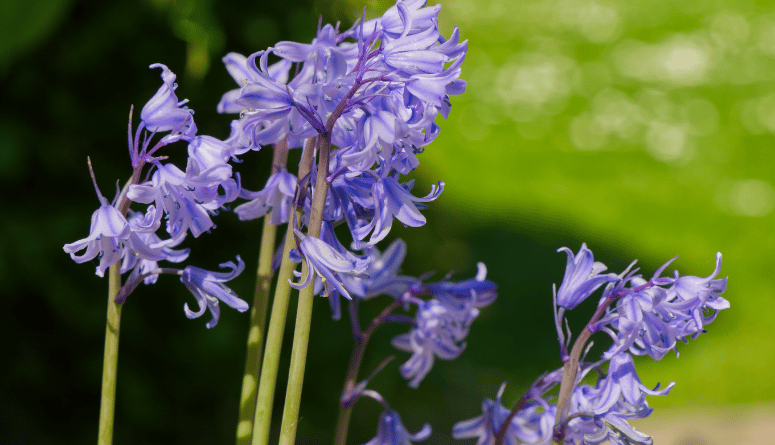
9. Bluebells (Hyacinthoides non-scripta or Mertensia virginica)
Depending on the species, bluebells can refer to either English bluebells (commonly grown in Europe) or Virginia bluebells, a North American native.
Both offer bell-shaped flowers that start as pink buds and turn blue as they mature.
Bluebells prefer rich, moist soil and shady locations, often thriving beneath trees or in woodland gardens. Like other spring ephemerals, they fade back once the flowering season ends.
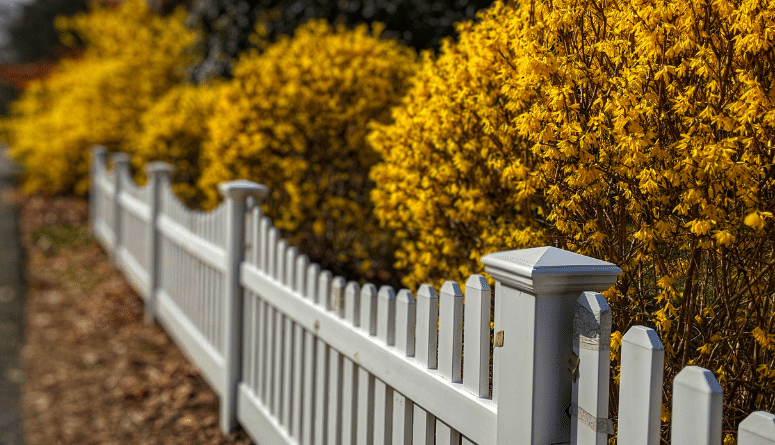
10. Forsythia (Forsythia spp.)
If you’re seeking a bold sign that spring has arrived, few plants deliver like forsythia. These deciduous shrubs explode with bright yellow flowers in early spring, often before the leaves emerge.
They tolerate a range of soil types and grow well in full sun. Forsythia is easy to prune and can be shaped as a hedge or left to sprawl naturally.
They bloom on old wood, so prune immediately after flowering.
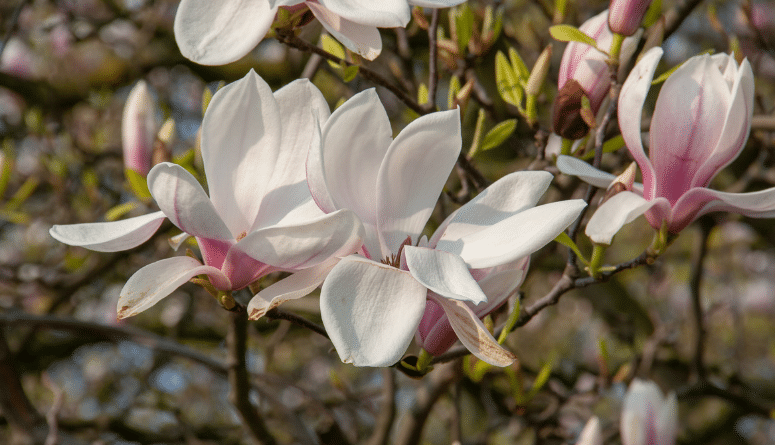
11. Magnolia (Magnolia spp.)
Magnolias are prized for their large, fragrant flowers and glossy foliage.
Depending on the variety, some magnolias bloom as early as March, filling the air with sweet perfume and putting on a dramatic floral show.
Choose cultivars that suit your space — from compact shrub-like types to full-sized trees.
Magnolias prefer full sun and slightly acidic, well-drained soil. Protect them from strong winds, especially when in bloom.
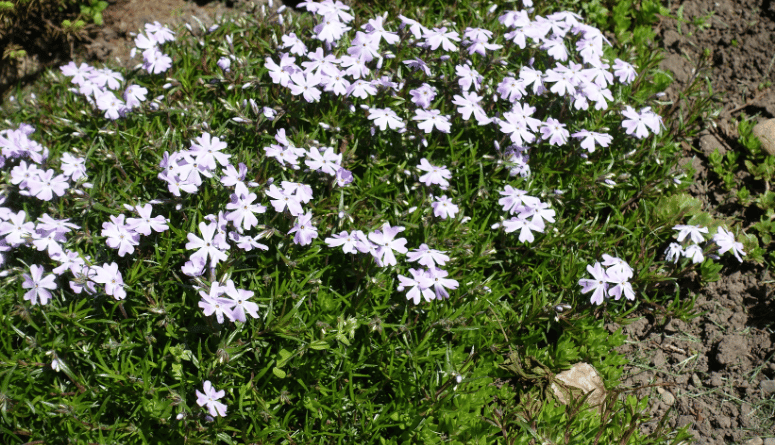
12. Creeping Phlox (Phlox subulata)
This low-growing groundcover is a favorite for rock gardens, borders, and sunny slopes.
Creeping phlox forms a dense mat of greenery that bursts into blooms in red, pink, white, blue, or purple in mid to late spring.
Not only is it beautiful, but it’s also pollinator-friendly, attracting butterflies and bees. It prefers full sun and well-drained soil and can tolerate mild drought once established.
Incorporating early spring blooming plants into your garden is one of the easiest and most impactful ways to enhance its visual appeal and invite pollinators back after winter.
These plants offer more than just early color — they signal the changing of seasons, provide essential food for bees, and set the tone for a beautiful, productive growing season.
When planning your garden, think beyond summer and look for varieties that stagger their blooms from late winter to late spring. This will help create a layered, season-long display of beauty and biodiversity.