Holiday cacti—Thanksgiving cactus, Christmas cactus, and Easter cactus—are beloved houseplants that bring vibrant blooms and seasonal cheer to your home.
While they may look similar at first glance, each type has unique characteristics and care requirements. With proper care, you can enjoy their dazzling flowers not just during the holidays but for years to come.
Here’s a detailed guide on how to grow and care for your Thanksgiving, Christmas, and Easter cactus, along with tips for maximizing their blooms.
Identifying the Differences
Although they share the “holiday cactus” label, these three plants are distinct species with unique blooming times and features:
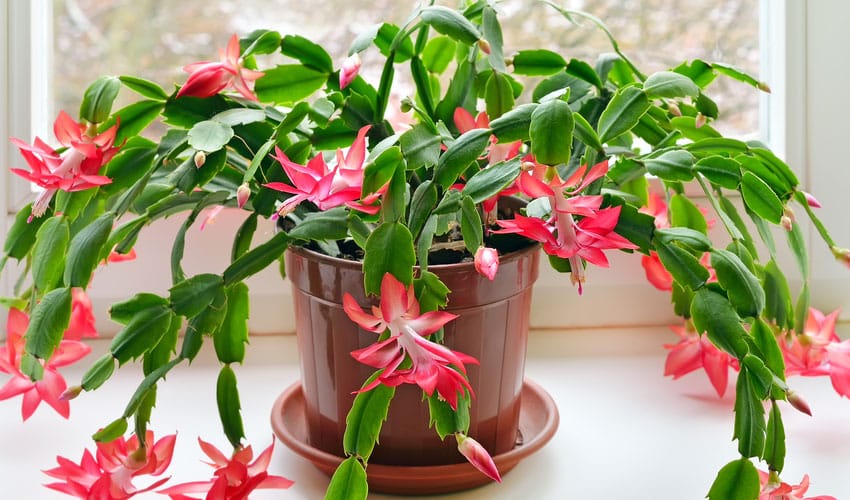
1. Thanksgiving Cactus (Schlumbergera truncata)
- Bloom Time: Late October to November.
- Leaf Shape: Pointed, serrated edges resembling a crab’s claw.
- Flowers: Bright pink, red, or orange flowers that extend outward.
- Nickname: “Crab cactus.”
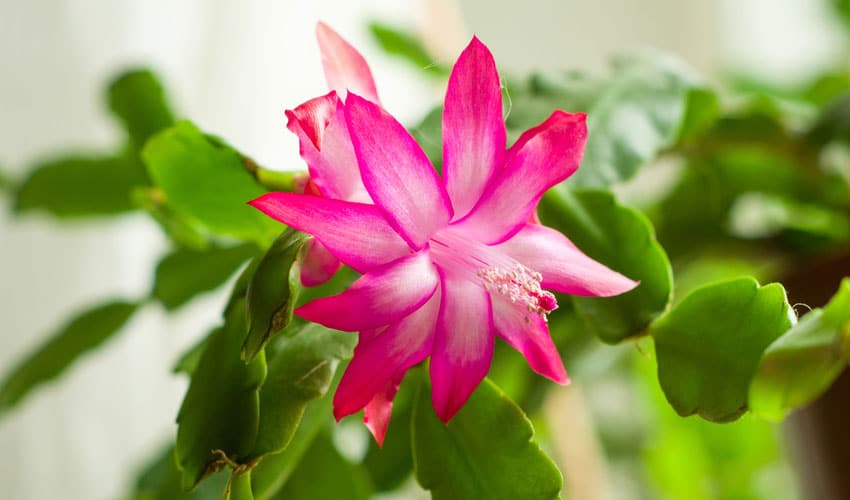
2. Christmas Cactus (Schlumbergera bridgesii)
- Bloom Time: December to January.
- Leaf Shape: Smooth, rounded edges without sharp points.
- Flowers: Pink, red, or white flowers that hang slightly downward.
- Classic Look: Often associated with traditional holiday décor.
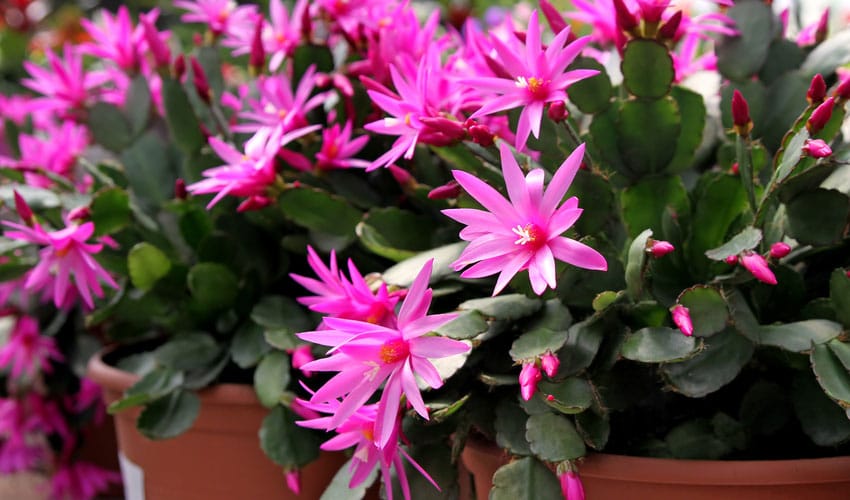
3. Easter Cactus (Hatiora gaertneri)
- Bloom Time: March to May.
- Leaf Shape: Oval, scalloped edges.
- Flowers: Star-shaped blooms in shades of red, pink, or white.
- Distinctive Feature: Blooms in spring, offering a fresh burst of color.
General Care Tips for Holiday Cacti
Light Requirements
- Provide bright, indirect light for optimal growth. Place your cactus near an east-facing window for morning sun and shaded afternoon light.
- Avoid direct sunlight, as it can scorch the leaves.
Temperature Preferences
- Holiday cacti thrive in temperatures between 60–70°F (15–21°C) during the day and slightly cooler at night.
- Protect them from drafts, heaters, and sudden temperature changes.
Watering
- Water thoroughly when the top inch of soil feels dry, but avoid letting the plant sit in standing water.
- Overwatering can cause root rot, so use a well-draining potting mix and a pot with drainage holes.
Humidity
- Holiday cacti prefer higher humidity levels. Increase humidity by misting the plant, using a pebble tray, or placing it in a room with a humidifier.
Soil
- Use a light, well-draining potting mix designed for cacti or succulents. You can also mix regular potting soil with sand or perlite.
Tips for Encouraging Blooms
1. Understand the Bloom Cycle
Holiday cacti require specific conditions to initiate blooms, including shorter daylight hours and cooler temperatures. Mimicking these conditions can encourage flowering.
- Thanksgiving and Christmas Cacti:
- Reduce light to 12–14 hours of darkness daily for 4–6 weeks in the fall.
- Keep the temperature around 50–55°F at night.
- Easter Cactus:
- Begin the bloom process in late winter by gradually reducing water and keeping it in cooler conditions (50–60°F).
2. Fertilize Wisely
- During the growing season (spring and summer), use a balanced fertilizer (10-10-10) monthly.
- Switch to a low-nitrogen fertilizer in fall to promote bud development.
- Stop fertilizing when buds form.
3. Rest Period
After flowering, give your cactus a rest period by reducing watering and withholding fertilizer for 4–6 weeks. This allows the plant to recharge for the next blooming cycle.
Common Problems and Solutions
1. Bud Drop
- Cause: Overwatering, lack of humidity, or sudden environmental changes.
- Solution: Maintain consistent care, water sparingly, and avoid moving the plant once buds form.
2. Yellowing Leaves
- Cause: Overwatering, poor drainage, or insufficient light.
- Solution: Allow the soil to dry out slightly before watering and provide bright, indirect light.
3. Wilting
- Cause: Root rot, underwatering, or extreme temperatures.
- Solution: Inspect the roots for rot, repot if necessary, and adjust your watering routine.
Seasonal Care Tips
Spring and Summer
- Focus on growth during this time by providing bright light, regular watering, and monthly fertilization.
- Repot your cactus every 2–3 years if it becomes root-bound.
Fall
- Begin the pre-bloom process by reducing light exposure, dropping temperatures, and cutting back on watering.
- Avoid disturbing the plant to prevent bud drop.
Winter
- Water sparingly during blooming and keep the plant in a cool, bright location.
- Remove spent blooms to encourage more flowers.
Propagation Tips
Holiday cacti are easy to propagate, making them perfect for sharing with friends and family.
- Cut a Segment: Use clean scissors to cut a healthy segment with 2–3 leaf sections.
- Let it Callous: Allow the cutting to dry and callous over for 1–2 days.
- Plant in Soil: Insert the calloused end into moist, well-draining soil.
- Provide Indirect Light: Place the cutting in bright, indirect light and water lightly.
- Wait for Roots: Roots typically form within a few weeks.
Differences in Care for Thanksgiving, Christmas, and Easter Cactus
| Feature | Thanksgiving Cactus | Christmas Cactus | Easter Cactus |
|---|---|---|---|
| Bloom Time | Late October–November | December–January | March–May |
| Leaf Shape | Pointed, serrated edges | Rounded, smooth edges | Oval, scalloped edges |
| Light | Bright, indirect light | Bright, indirect light | Bright, indirect light |
| Watering | Allow soil to dry slightly | Allow soil to dry slightly | Water more consistently |
| Special Needs | Short days, cool nights in fall | Short days, cool nights in fall | Cool, dry conditions in winter |
Growing Thanksgiving, Christmas, and Easter cacti is a rewarding experience that brings vibrant blooms and seasonal joy to your home.