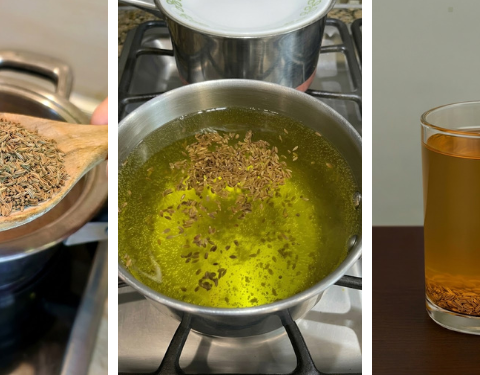
In the hierarchy of medicinal spices, Cayenne Pepper (Capsicum annuum) stands as a thermal powerhouse.
While it is often relegated to the back of the spice rack, a growing body of clinical research suggests that a consistent, micro-dose – specifically 1/4 teaspoon – can act as a biological “ignition switch.”
The secret to cayenne’s systemic influence is capsaicin, a lipophilic chemical compound that interacts with the body’s TRPV1 receptors.
These receptors are found throughout the sensory nervous system, the gut, and even in your fat cells.
By consuming just a 1/4 teaspoon, you engage a process of “metabolic heat” that addresses the trifecta of modern health concerns: chronic inflammation, sluggish circulation, and stubborn visceral (belly) fat.
1. The Capsaicin “Flush”: Boosting Peripheral Circulation
Poor circulation often manifests as cold hands and feet, slow wound healing, or a general lack of vitality.
Cayenne pepper is one of the world’s most effective rubefacients, meaning it naturally draws blood to the surface and through the micro-vasculature.
-
The Mechanism: Capsaicin triggers the release of nitric oxide, a vasodilator that relaxes the smooth muscles of the blood vessels. As the vessels widen, blood flow increases without a significant rise in blood pressure.
-
The 1/4 Teaspoon Effect: This small dose is enough to “warm” the blood. It reduces the stickiness of platelets, which prevents the formation of internal clots. Over time, this enhanced flow ensures that oxygen and nutrients reach the furthest extremities of the body, revitalizing cellular health from the inside out.
2. Quenching the Fire: Cayenne as an Anti-Inflammatory
It seems counterintuitive that a “hot” spice could fight inflammation, which is itself a “heat” response in the body. However, cayenne works through a process of sensory desensitization.
-
The Mechanism: Capsaicin depletes Substance P, a neuropeptide that acts as the brain’s primary chemical messenger for pain and inflammatory signals.
-
The 1/4 Teaspoon Effect: By reducing the concentration of Substance P in the nervous system, cayenne effectively “mutes” the inflammatory response. This makes it a powerful functional food for those dealing with joint stiffness or systemic “low-grade” inflammation caused by dietary stress. It shifts the body from a pro-inflammatory state to a restorative one.
3. The Thermogenic “Burn”: Targeting Belly Fat
Visceral fat, or “belly fat,” is metabolically active tissue that releases inflammatory cytokines. Cayenne pepper targets this fat through a process called thermogenesis.
-
The Mechanism: Capsaicin stimulates the sympathetic nervous system, which in turn triggers the “browning” of white adipose tissue. White fat stores energy (belly fat), while brown fat burns energy to create heat.
-
The 1/4 Teaspoon Effect: Consuming this micro-dose before or during a meal increases your metabolic rate by approximately 15–20% for several hours afterward. Furthermore, cayenne has been shown to suppress the appetite-stimulating hormone ghrelin, reducing the likelihood of overeating and helping the body tap into stored fat for fuel.
4. Digestive Alchemy: Enhancing the “Gut Shield”
Contrary to the myth that spicy food causes ulcers, cayenne pepper is actually a protector of the gastric mucosal lining.
-
The Mechanism: Capsaicin stimulates the nerves in the stomach to send signals for the release of protective alkaline juices. It also increases the blood flow to the stomach lining, which accelerates the repair of the gastric wall.
-
The Benefit: A 1/4 teaspoon dose helps stimulate the production of saliva and digestive enzymes, ensuring that the food you eat is broken down efficiently. This prevents the fermentation and gas in the colon that we discussed in previous articles on digestive health.
5. Cardiovascular Resilience and Lipid Profiles
The circulatory benefits of cayenne extend to the management of blood lipids, specifically cholesterol and triglycerides.
-
The Mechanism: Research indicates that capsaicin helps the body sequester and excrete cholesterol through the bile (a process supported by the artichokes and radishes mentioned earlier).
-
The Benefit: By preventing the oxidation of LDL (bad) cholesterol, cayenne reduces the risk of plaque buildup in the arteries. This keeps the “biological highway” clear, ensuring that the heart doesn’t have to work overtime to move blood through narrowed vessels.
The Professional Protocol: How to Use 1/4 Teaspoon Daily
Because cayenne is potent, it must be introduced to the body with strategy and respect.
1. The “Carrier” Method
To avoid “capsaicin shock” to the throat, do not take dry powder.
-
The Morning Tonic: Mix 1/4 teaspoon of cayenne with the juice of half a lemon and 8oz of warm water. The lemon provides Vitamin C, which works synergistically with cayenne to strengthen capillary walls.
-
The Oil Infusion: Stir the cayenne into a tablespoon of olive oil or avocado oil. Because capsaicin is fat-soluble, the healthy fats will help the compound stay in your system longer and protect your stomach lining.
2. The Dosage Ladder
If you are not used to heat, do not start with a full 1/4 teaspoon.
-
Week 1: Start with a “pinch” (roughly 1/16th of a teaspoon).
-
Week 2: Move to 1/8th of a teaspoon.
-
Week 3: Reach the full 1/4 teaspoon “therapeutic dose.”
3. Timing for Fat Loss
If your primary goal is the reduction of belly fat, the best time to consume your cayenne is 15 minutes before your largest meal.
This pre-loads the thermogenic response and helps regulate the glucose spike from your dinner.
A 1/4 teaspoon of cayenne pepper is a masterclass in hormetic stress – a small amount of “heat” that forces the body to become stronger, leaner, and more resilient.
By improving the “plumbing” of your circulatory system, silencing the messengers of inflammation, and stoking the metabolic fire of thermogenesis, this simple spice provides a high-performance upgrade to your daily health routine.