If you’ve ever noticed a white, chalky buildup inside your kettle, you’ve seen limescale – the mineral residue left behind by hard water.
Over time, that crusty layer can make your kettle heat less efficiently, affect the taste of your tea or coffee, and even shorten the appliance’s life.
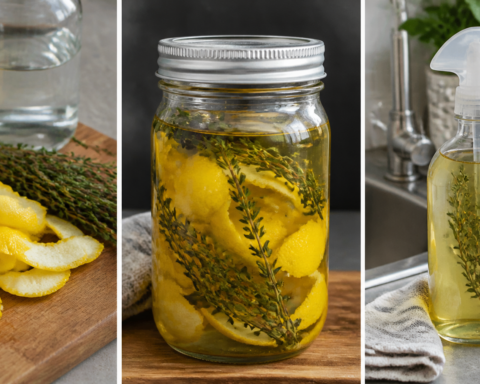
For years, people have turned to lemons as the natural go-to solution for descaling and while they do a decent job, a new viral kettle descale trick is taking the internet by storm.
It’s simple, faster, and according to countless users works even better than lemon.
Let’s dive into what this trick is, why it works so well, and how you can do it at home using a common household ingredient you probably already have in your kitchen.
What Causes Limescale in Kettles
Limescale forms when hard water, water rich in calcium and magnesium is heated. As the water boils, these minerals precipitate out, sticking to the inner walls and base of your kettle.
While not dangerous to your health, limescale:
-
Builds up quickly, especially in areas with hard water.
-
Makes boiling slower because it reduces heat transfer.
-
Leaves white flakes in your drinks.
-
Can damage heating elements over time.
That’s why regular descaling is essential and why the new viral descaling method has caught so much attention.
The Viral Trick: Baking Soda + Vinegar Steam Method
Forget about cutting lemons in half or squeezing citrus juice into your kettle – this trick relies on the power of baking soda and white vinegar, a natural combination that fizzes away stubborn limescale in minutes.
It’s chemical-free, budget-friendly, and proven to clean deeper than lemon or citric acid alone.
Why It Works Better Than Lemon
Lemon juice contains citric acid, which helps dissolve some calcium deposits, but it’s mild compared to the chemical reaction created when vinegar and baking soda combine.
Here’s why the baking soda and vinegar method outperforms lemon:
-
Vinegar’s acetic acid breaks down mineral bonds faster than citric acid.
-
Baking soda neutralizes acidity and releases carbon dioxide bubbles that lift deposits off the surface.
-
The fizzing reaction loosens limescale in corners and around heating coils.
-
The combination deodorizes and leaves the kettle fresh and spotless.
Together, they create an unbeatable cleaning duo – no scrubbing required.
How to Descale Your Kettle Using the Baking Soda & Vinegar Trick
Follow these simple steps to deep clean your kettle naturally:
You’ll Need:
-
1 cup white vinegar
-
1 tablespoon baking soda
-
½ cup water
-
A soft sponge or brush
Step 1: Add Vinegar and Water
Pour 1 cup of white vinegar and ½ cup of water into the kettle. This mixture provides enough liquid to cover the bottom and lower sides, where limescale builds up most.
Step 2: Add Baking Soda
Add 1 tablespoon of baking soda. You’ll immediately notice fizzing – this is the reaction that helps loosen the mineral deposits.
Step 3: Bring to a Boil
Turn on your kettle and let the solution come to a full boil. Once it starts boiling, turn off the kettle and let it sit for 10–15 minutes.
Step 4: Scrub (If Needed)
After soaking, pour out the mixture and check the inside. Most limescale will have dissolved or lifted off. If a few spots remain, use a soft sponge or brush to gently scrub them away.
Step 5: Rinse Thoroughly
Rinse the kettle two or three times with clean water to remove any vinegar smell or residue. Fill with fresh water, boil once more, and pour it out before using again.
The Results
After using this trick, your kettle will look brand-new – shiny, spotless, and free of the chalky film. It also helps eliminate any lingering odors and ensures your tea or coffee tastes as pure as it should.
In hard water regions, the difference is dramatic. Many users on TikTok and Instagram have shared before-and-after results showing kettles going from cloudy and dull to sparkling clean in under 20 minutes – with zero scrubbing.
Bonus: Add This Step for Odor-Free Shine
If you’re sensitive to the vinegar smell, add this final step:
-
Boil a full kettle of water with a teaspoon of lemon juice or a few mint leaves after cleaning.
-
Pour it out, and your kettle will smell fresh, clean, and citrusy — no vinegar trace left behind.
Why Regular Descaling Is Important
Even if you don’t see a lot of buildup, invisible mineral film forms inside the kettle after repeated boiling. Over time, that can:
-
Slow heating efficiency by up to 30%.
-
Increase electricity use.
-
Cause premature wear of the heating element.
-
Affect the taste of water-based drinks.
Experts recommend descaling every 2–4 weeks depending on your water hardness and kettle usage.
Other Natural Alternatives That Work
If you don’t have vinegar or baking soda, you can still try these natural methods:
-
Citric acid powder: Dissolve 2 tablespoons in water and boil – an odorless option.
-
Cream of tartar: A gentle, food-safe acid that removes mild scale.
-
Lemon and salt: Works for light buildup but slower than vinegar-based methods.
However, nothing beats the speed and effectiveness of baking soda + vinegar, which remains the champion of natural descaling.
Key Takeaways
| Method | Works Best For | Pros | Cons |
|---|---|---|---|
| Lemon juice | Light scale, mild refresh | Natural scent, easy | Slower, less powerful |
| Vinegar only | Medium scale | Fast, inexpensive | Strong smell |
| Baking soda + vinegar (viral trick) | Heavy buildup | Deep clean, deodorizes, quick results | Needs thorough rinsing |
| Citric acid | Light to moderate scale | Odor-free, food-safe | Less effective on thick buildup |
This viral kettle descale trick proves you don’t need harsh chemicals or expensive descaling tablets to restore your kettle’s shine.
With just baking soda, vinegar, and a little time, you can melt away limescale and enjoy fresher-tasting water – all while saving money and protecting your appliance.
It’s natural, safe, eco-friendly, and works better than lemon – no wonder it’s become an online favorite.
So next time you notice those white mineral marks creeping back, skip the lemons and grab your baking soda and vinegar.

You’ll be amazed at how sparkling clean your kettle looks and how much faster it boils.