Anyone who has walked through a pine forest notices it immediately – the air feels lighter, fresher, and easier to breathe.
This sensation isn’t imagined. Forest air, especially in pine-rich environments, contains a unique mix of natural compounds that influence air quality, respiratory comfort, and even mental clarity.
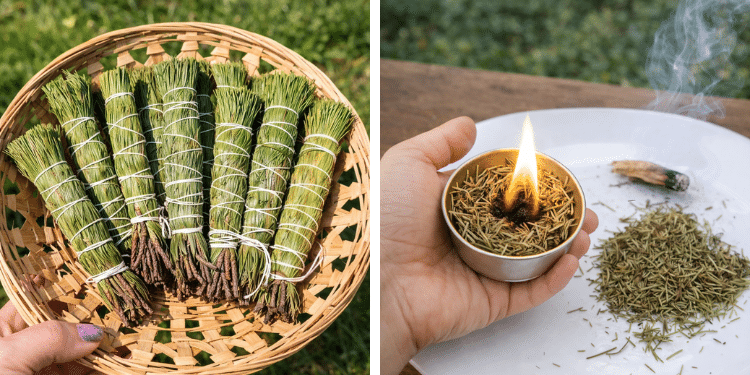
One of the most fascinating contributors to this effect is pine needle smoke and vapor, a practice used traditionally in many cultures for purification and cleansing.
Long before modern air filters existed, people burned pine needles and resinous branches to refresh indoor spaces, reduce odors, and support breathing.
Today, science helps explain why this ancient practice worked – and why forest air feels so different from urban environments.
Why Pine Forest Air Feels Different
Pine trees continuously release volatile organic compounds (VOCs) known as terpenes, including alpha-pinene, beta-pinene, and limonene.
These compounds are responsible for pine’s crisp scent and play a role in improving air quality.
In a forest setting, these compounds interact with sunlight and oxygen, helping neutralize pollutants and reduce airborne irritants.
This process contributes to the clean, refreshing feeling people experience when surrounded by pine trees.
What Happens When Pine Needles Are Heated or Smoked
When pine needles are gently heated or smoldered – not burned aggressively – they release concentrated aromatic compounds into the air.
This creates a natural vapor similar to what occurs in forests on warm days or near campfires.
These vapors contain:
- antimicrobial compounds
- natural deodorizing agents
- respiratory-supportive terpenes
- calming aromatic molecules
This is why pine needle smoke was traditionally used to cleanse homes, shelters, and communal spaces.
Terpenes: Nature’s Air-Purifying Molecules
The primary compounds released from pine needles are terpenes, especially alpha-pinene. Modern studies show that alpha-pinene has antimicrobial properties and may reduce airborne bacteria and fungi.
Terpenes also interact with human physiology. When inhaled in low, natural concentrations, they may help:
- support respiratory comfort
- reduce inflammation in airways
- calm the nervous system
- improve mental clarity
This explains why forest environments feel refreshing rather than irritating.
Pine Smoke vs. Harmful Smoke: An Important Difference
Not all smoke is equal. Thick smoke from synthetic materials or incomplete combustion contains toxic particles.
Pine needle smoke, when produced gently and briefly, releases aromatic vapors rather than heavy soot.
Traditional use focuses on light smoldering, not flames. This produces fragrant vapor without overwhelming particulate matter.
This distinction is critical to understanding why pine smoke was used safely for centuries.
Antimicrobial Effects in the Air
Historically, pine smoke was used during illness outbreaks to purify indoor spaces. While not a medical disinfectant, pine vapors can reduce odor-causing bacteria and limit microbial growth on surfaces and in the air.
Modern science supports this observation. Terpenes have been shown to inhibit certain bacteria and fungi, helping explain why pine-rich air environments feel cleaner and less stagnant.
Why Pine Smoke Helps Neutralize Odors
Pine needle smoke doesn’t mask odors – it interacts with odor molecules. Terpenes break down compounds responsible for unpleasant smells, which is why pine has long been used in cleaning products, saunas, and traditional purification rituals.
This is the same reason pine forests don’t smell “stale,” even with damp soil and decaying organic matter.
Respiratory Comfort and Pine Vapors
Many people notice easier breathing in pine forests. Pine vapors may help open airways and reduce irritation by calming inflamed respiratory tissue.
Traditionally, pine smoke was used in:
- steam inhalations
- sauna rituals
- winter air purification
- cold-season breathing support
While not a treatment for respiratory disease, gentle exposure may feel soothing for some individuals.
Mental Clarity and Stress Reduction
Forest environments are known to reduce stress, lower heart rate, and improve mood. Pine terpenes contribute significantly to this effect by influencing the nervous system.
Alpha-pinene is associated with:
- reduced mental fatigue
- improved alertness
- calmer emotional states
This explains why pine-scented environments feel grounding and mentally refreshing.
Pine Needle Smoke in Traditional Cultures
Across Europe, Asia, and Indigenous cultures, pine needles and resin were burned for purification, protection, and seasonal cleansing.
Homes, barns, tools, and even clothing were exposed to pine smoke to refresh and preserve them.
These practices weren’t symbolic alone – they were practical responses to maintaining hygiene and comfort without chemicals.
Modern Parallels: Why Pine Is Still Used Today
Modern science has essentially recreated what nature already perfected. Pine-based compounds are now used in:
- air purifiers
- cleaning products
- sauna aromatherapy
- natural disinfectants
- respiratory blends
The popularity of forest bathing and pine-scented environments reflects a return to natural solutions for indoor wellness.
Safe Use of Pine Needle Smoke at Home
If pine needles are used today, moderation and proper ventilation are essential. Only clean, dry pine needles from untreated areas should be used, and exposure should be brief and gentle.
Never burn pine indoors like a fire – traditional use relied on slow smoldering and open airflow.
Why Forest Air Will Always Feel Cleaner
Forests continuously clean the air through plant respiration, terpene release, microbial balance, and natural circulation.
Pine trees are especially effective at this due to their resin-rich needles and year-round activity.
What people experience as “fresh forest air” is a real, measurable interaction between plants and atmosphere.
The clean feeling of pine forest air isn’t a mystery – it’s chemistry, biology, and centuries of human observation coming together.