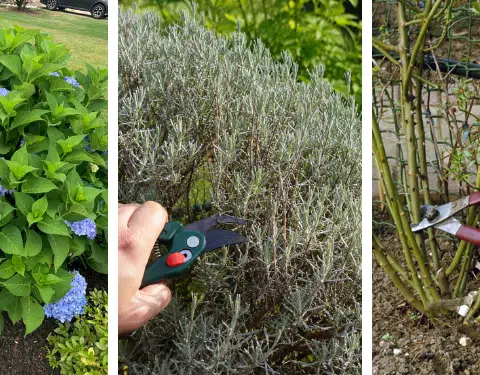
Growing plants from cuttings is one of the easiest and most effective ways to propagate new plants, expand your garden, and ensure a steady supply of your favorite plants—all without spending a fortune on seeds or store-bought plants.
Unlike seedlings, plants grown from cuttings mature faster, are often stronger, and produce flowers or fruits much sooner.
Plus, since cuttings are clones of the parent plant, you know exactly what you’re growing—ensuring that desirable traits such as vigor, disease resistance, and high yield are preserved.
This guide will walk you through everything you need to know about propagating plants from cuttings, including the types of cuttings, how to encourage rooting, and the best plants to grow from cuttings.
Why Grow Plants from Cuttings?
- Faster Maturity – Cuttings develop into mature plants much quicker than seeds.
- Exact Cloning – Plants grown from cuttings inherit the exact traits of the parent plant.
- Cost-Effective – No need to buy new plants; just propagate what you already have.
- Preserves Genetic Quality – If a plant has great fruit, flowers, or resilience, cuttings ensure these traits continue.
Types of Cuttings
The success of propagation largely depends on choosing the right type of cutting based on the plant’s growth stage.
1. Softwood Cuttings
- Taken in late spring or early summer (May–June) from new, flexible growth.
- Quick to root and establish themselves in the same season.
- Require constant moisture through misting to prevent drying out.
- Common in herbs, flowers, and some shrubs.
2. Semi-Ripe Cuttings
- Taken in summer (June–August) from partially matured stems.
- Take longer to root than softwood cuttings but benefit from warm temperatures.
- Used for perennials, evergreens, and larger shrubs.
3. Hardwood Cuttings
- Taken in fall or winter from mature, woody stems.
- Best for trees, shrubs, and perennials.
- Typically planted in spring once the roots develop over winter.
Different Ways to Take Cuttings
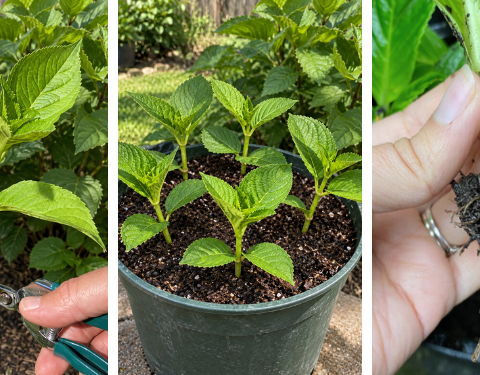
1. Tip Cuttings
- 6–8 inch pieces from the growing tip of the plant.
- Ideal for most herbs and houseplants.
2. Basal Cuttings
- Side branches are taken close to the main stem.
- Works well for many flowers and shrubs.
3. Heel Cuttings
- Side branches yanked off the plant to include a portion of the main stem (“heel”).
- Used for harder-to-root shrubs.
4. Stem Section Cuttings
- 4–6 inch sections of the middle part of a long stem.
- Common in cane-forming plants (e.g., sugarcane, bamboo).
5. Root Cuttings
- Some plants like sumac or tree poppies propagate better from root cuttings than stem cuttings.
- Taken during the dormant season.
6. Leaf Cuttings
- Many succulents and houseplants can grow from a single leaf.
- Plants like snake plants and begonias propagate well this way.
How to Encourage Cuttings to Root Successfully
1. Preparing the Cuttings
- Remove lower leaves before planting.
- For woody cuttings, scrape the bottom to expose the cambium layer.
- Let fleshy cuttings dry overnight to form a protective callus.
2. Choosing the Right Rooting Medium
- Avoid garden soil (it harbors disease).
- Use peat moss mixed with perlite or sand for moisture retention and drainage.
- Do not add fertilizer until roots have formed.
3. Misting & Watering
- Keep the cuttings moist but not waterlogged.
- Use a misting spray to keep humidity levels high.
- Cover with plastic or a humidity dome to retain moisture.
4. Providing Bottom Heat
- Rooting mats or heating pads help speed up root growth.
5. Using Rooting Hormones
- Some plants need extra help to root successfully.
- Use a commercial rooting hormone powder or a natural alternative like willow water.
The Best Plants To Grow From Cuttings
1. Sage
Best Time to Take Cuttings: Fall
Cutting Type: Semi-ripe basal cuttings (4 inches long)
How to Root:
- Take 4-inch semi-ripe basal cuttings and remove lower leaves.
- Place in a moist potting mix and keep warm through the winter.
- Transplant outdoors in spring when roots are strong.
Pro Tip: Keep the soil moist but not soggy to prevent rot.
2. Thyme
Best Time to Take Cuttings: Summer
Cutting Type: Tip cuttings (2-4 inches)
How to Root:
- Take young tip cuttings and insert them into moist potting soil.
- Keep in a bright, warm spot but out of direct sunlight.
- Roots develop in 2-3 weeks.
Pro Tip: You can also root thyme cuttings in water before transplanting.
3. Basil
Best Time to Take Cuttings: Anytime
Cutting Type: Tip cuttings (3-5 inches)
How to Root:
- Take healthy tip cuttings, remove lower leaves.
- Place in water or soil in a warm, protected place.
- If rooting in water, change the water every few days.
Pro Tip: Basil cuttings root faster in warm temperatures (above 70°F).
4. Rosemary
Best Time to Take Cuttings: Spring (softwood cuttings) or Fall (heel cuttings)
Cutting Type: 3-5 inches long
How to Root:
- Take spring tip cuttings or fall heel cuttings.
- Root in cold frames or in individual pots covered with plastic domes.
Pro Tip: Mist rosemary cuttings regularly to prevent drying out.
5. Lavender
Best Time to Take Cuttings: Spring (softwood), Summer & Fall (heel cuttings)
Cutting Type: 3-inch tip cuttings
How to Root:
- Take tip cuttings in early spring and root in a cold frame.
- Rooted plants can be transplanted in 4-6 weeks.
Pro Tip: Lavender thrives in sandy, well-draining soil.
6. Horseradish
Best Time to Take Cuttings: Early Spring
Cutting Type: Root cuttings (3 inches long)
How to Root:
- Cut 3-inch root sections and plant them 1 foot apart in a garden bed.
- Keep soil moist but not soggy.
Pro Tip: Horseradish roots spread quickly, so plant it in a contained area.
7. Comfrey
Best Time to Take Cuttings: Spring or Fall
Cutting Type: Root cuttings
How to Root:
- Take root cuttings and plant them directly in soil.
- Cover with mulch to retain moisture.
Pro Tip: Comfrey’s deep roots bring up nutrients, making it a great companion plant.
8. African Violets
Best Time to Take Cuttings: Anytime
Cutting Type: Leaf cuttings (2-3 inches long)
How to Root:
- Cut young, healthy leaves with stalks attached.
- Insert into moist compost and sand mix at a 70-degree angle.
Pro Tip: Keep in a warm, well-lit area for best results.
9. Rex Begonia
Best Time to Take Cuttings: Anytime
Cutting Type: Leaf cuttings
How to Root:
- Cut a large, healthy leaf and make small slashes on veins.
- Lay the leaf on moist peat moss and sand mix, weighing it down with pebbles.
Pro Tip: New plants will grow from the vein cuts!
10. Snake Plant (Sansevieria)
Best Time to Take Cuttings: Anytime
Cutting Type: Leaf sections (2-3 inches long)
How to Root:
- Take leaf sections and plant them bottom-side down in soil.
Pro Tip: To keep original variegation, propagate from rhizomes, not leaves.
11. Aluminum Plant (Pilea Cadierei)
Best Time to Take Cuttings: Anytime
Cutting Type: Tip cuttings (3-4 nodes)
How to Root:
- Insert cuttings into moist soil and keep in a warm, humid environment.
Pro Tip: Keep the soil moist but not waterlogged.
12. Coleus
Best Time to Take Cuttings: Anytime
Cutting Type: Tip cuttings (2-4 nodes)
How to Root:
- Remove lower leaves and insert cuttings into water or moist soil.
Pro Tip: Coleus cuttings root within days!
13. Geranium
Best Time to Take Cuttings: Spring or Summer
Cutting Type: 6-8 inches long
How to Root:
- Withhold water 1 week before taking cuttings.
- Take cuttings 12 hours after re-watering for better root formation.
Pro Tip: Keep geranium cuttings in a warm, bright location.
14. Philodendrons
Best Time to Take Cuttings: Anytime
Cutting Type: Tip cuttings (2-3 nodes) or midsections
How to Root:
- Tip cuttings root quickly, while midsections take longer.
Pro Tip: Keep in a humid environment for fast rooting.
15. Jade Plant (Crassula)
Best Time to Take Cuttings: Anytime
Cutting Type: Stem cuttings (3-4 inches long)
How to Root:
- Let cuttings dry for a week before planting to prevent rot.
Pro Tip: Use succulent soil mix for best results.
Growing plants from cuttings is an easy way to expand your garden without spending money.
Whether you’re propagating herbs, flowers, or houseplants, these simple techniques will help you successfully root new plants.