Container gardening is one of the most flexible and space-efficient ways to add greenery and beauty to your home, whether you’re working with a small balcony, patio, or urban courtyard.
Among the many options available to container gardeners, climbing plants offer something uniquely magical – they grow upward, making use of vertical space while adding structure, charm, and often fragrance to the surroundings.
Climbing plants in containers aren’t just about aesthetics; they also provide practical benefits.
They can create privacy screens, shade patios, soften hard architecture, or serve as living walls that invite pollinators into your garden. Even better, many of them thrive in pots and grow surprisingly well in confined spaces when given the right care and support.
Let’s explore some of the most striking and easy-to-grow climbing plants that are perfect for container gardening, turning even the smallest outdoor corners into lush vertical sanctuaries.
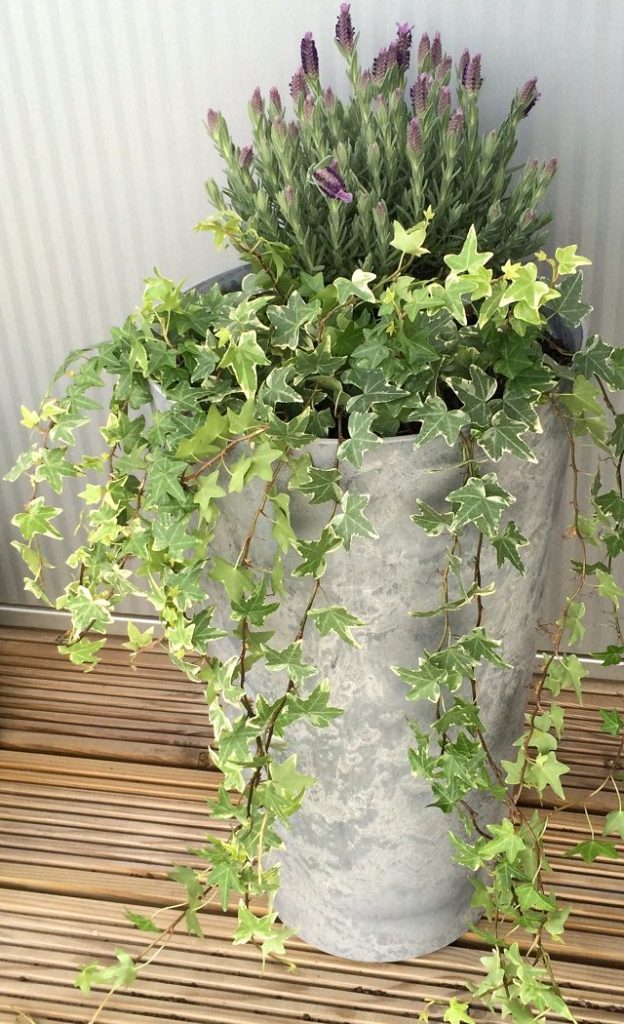
1. Ivy (Hedera spp.)
Ivy is a versatile and hardy climbing plant that adapts well to containers. It tolerates both full sun and deep shade, making it ideal for a wide range of conditions.
Its glossy, evergreen leaves create a lush backdrop year-round, and it can climb walls, trellises, or spill attractively from hanging baskets.
Ivy is incredibly low-maintenance and grows rapidly with minimal care. It’s perfect for gardeners seeking a timeless, cascading effect or a climbing plant that can act as living décor on fences or balcony railings.
2. Morning Glory (Ipomoea purpurea)
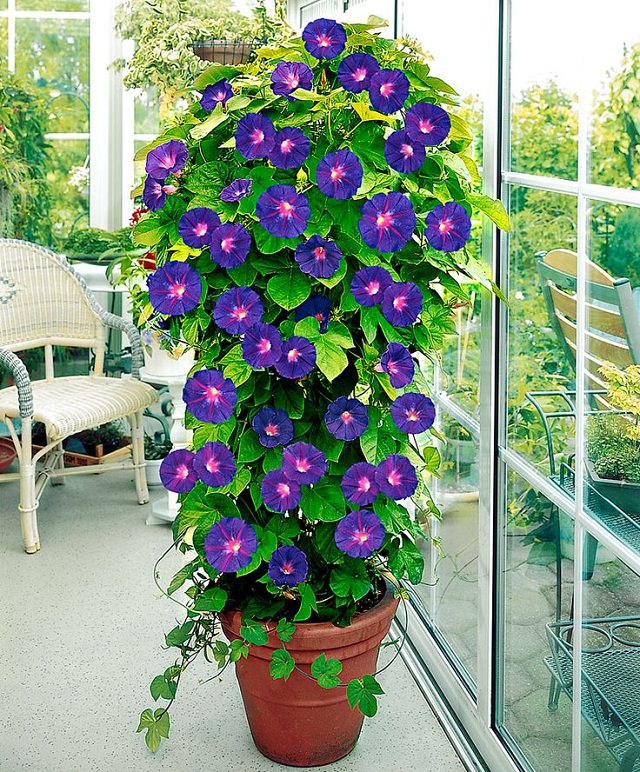
Morning glories are fast-growing vines known for their stunning, trumpet-shaped blooms that unfurl with the morning sun. Their vibrant blue, pink, purple, or white flowers add dramatic vertical interest to any setting.
These annuals grow best in full sun and prefer warm conditions. In containers, they do well with the support of a trellis or obelisk, creating a cheerful curtain of flowers throughout summer and into early fall.
3. Clematis
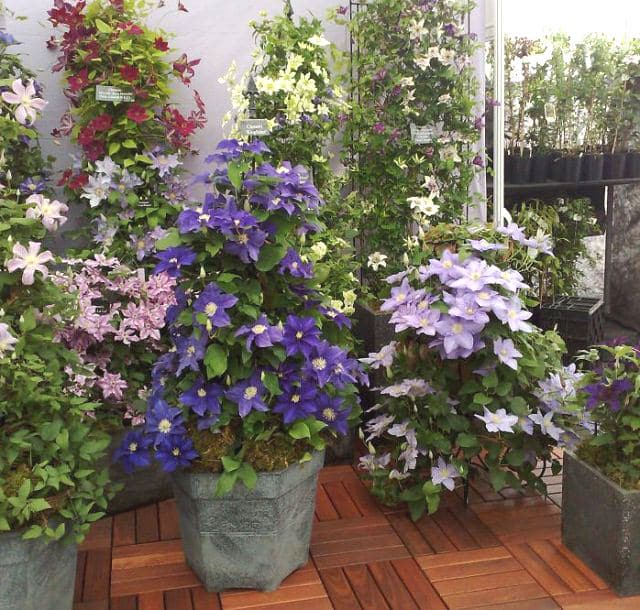
Few climbing plants rival clematis for flower power. This elegant vine is a favorite among container gardeners for its variety of colors, shapes, and bloom times.
With large, star-like flowers, clematis can easily become the focal point of any patio or terrace.
Clematis needs a deep container and consistent moisture. While the vine loves sun, its roots prefer cooler conditions, so mulching the base or placing a ground-covering plant around it is recommended.
With the right support, clematis creates a vertical garden display that’s both refined and dramatic.
4. Virginia Creeper (Parthenocissus quinquefolia)
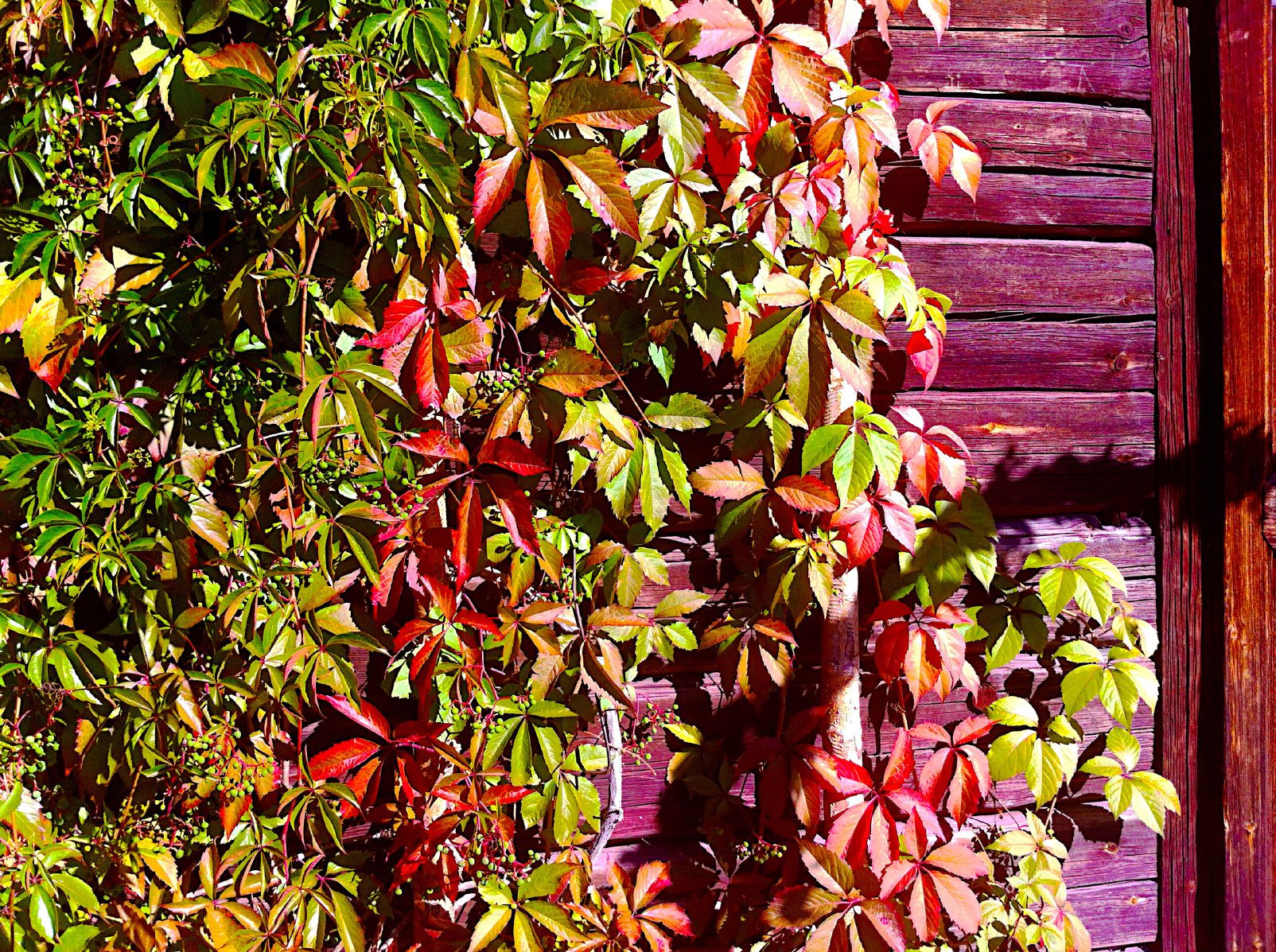
Virginia creeper is a vigorous and fast-growing vine known for its bold, five-lobed leaves and brilliant crimson fall color. In containers, it can be trained up walls or trellises to create privacy screens or green walls.
This deciduous climber thrives in both sun and partial shade and is especially valued for its seasonal transformation.
It needs sturdy support and occasional pruning to maintain shape, but it’s an excellent choice for container gardeners who want a quick-growing vertical plant with striking seasonal appeal.
5. Climbing Hydrangea (Hydrangea anomala petiolaris)
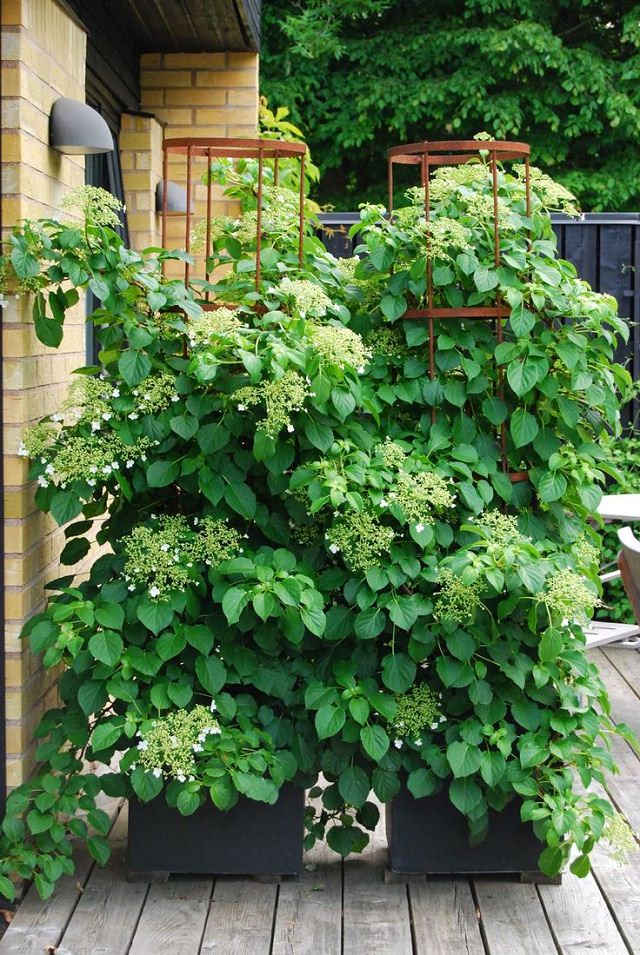
Climbing hydrangea offers a combination of fragrant white lace-cap flowers and rich green foliage, creating a romantic, cottage-garden effect in containers.
Although it grows slowly at first, it eventually becomes a substantial climber that can reach impressive heights.
Its ability to tolerate shade makes it ideal for north-facing walls or shaded balconies. With a strong trellis or obelisk, climbing hydrangea becomes a show-stopper that blooms in early summer and delights with textured bark and golden fall foliage later in the season.
6. Trumpet Vine (Campsis radicans)
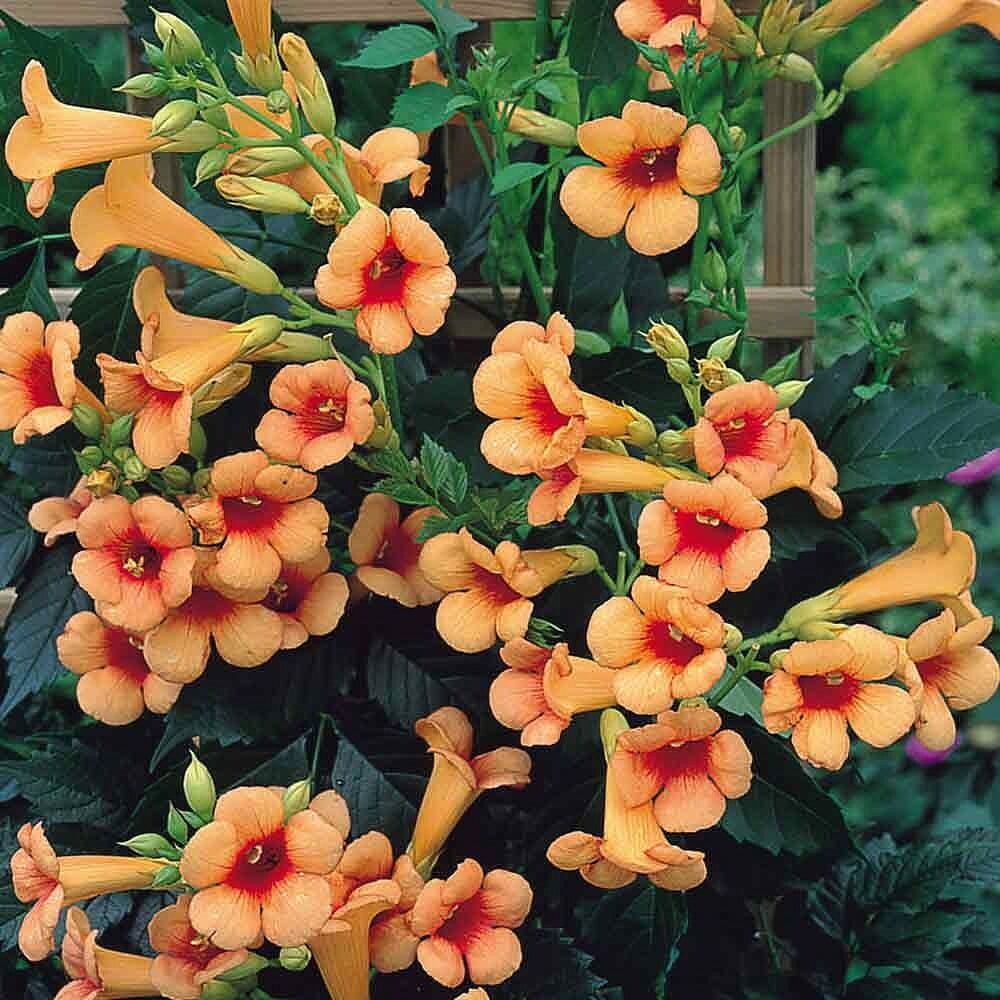
Trumpet vine is a bold and showy climber with tubular flowers in vibrant shades of orange, red, or yellow.
It’s a magnet for hummingbirds and butterflies, making it a perfect choice for wildlife-friendly container gardens.
This vine is incredibly vigorous and may need regular pruning to keep it in check. While its growth can be aggressive, it thrives in large containers with full sun and proper support.
With care, it provides a dynamic burst of tropical color throughout the warm months.
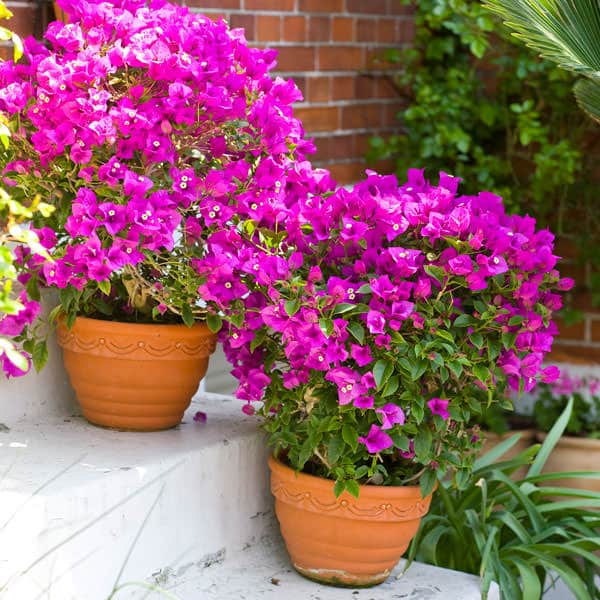
7. Bougainvillea
Bougainvillea is a sun-loving, drought-tolerant vine that brings a Mediterranean flair to patios and balconies. Known for its brilliant, papery bracts in shades of magenta, pink, orange, and white, bougainvillea creates a vibrant cascade of color in containers.
It thrives in large pots with excellent drainage and full sunlight. Bougainvillea is ideal for warm climates and can be trained along balcony railings or up trellises for a stunning vertical display.
In cooler regions, it can be overwintered indoors or treated as an annual.
8. Honeysuckle (Lonicera spp.)
Honeysuckle vines are prized for their tubular, fragrant blooms that attract bees, butterflies, and hummingbirds.
They flower profusely throughout spring and summer, adding color, scent, and wildlife value to any outdoor space.
Most honeysuckles are well-suited to containers and can be grown with minimal effort. They appreciate well-drained soil and regular trimming to maintain shape and encourage repeat blooming.
Train them up supports or let them trail gently over the sides of a planter for a romantic look.

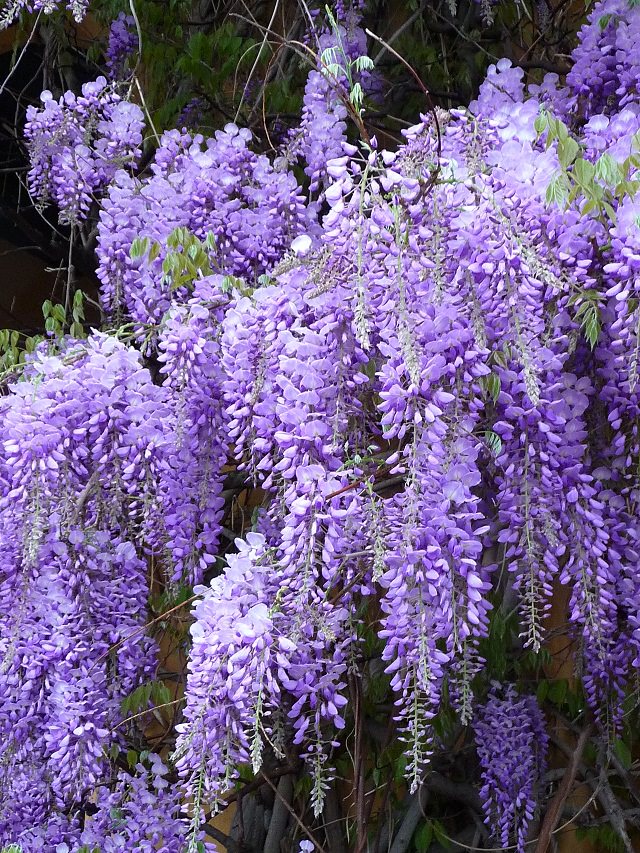
9. Wisteria
Wisteria is a breathtaking climber with cascading clusters of purple, blue, or white flowers that appear in spring and early summer.
While traditionally seen in large garden landscapes, wisteria can thrive in containers if given a large pot, sturdy support, and careful pruning.
With its dramatic hanging blooms and twisting woody vines, wisteria adds a sense of grandeur to container gardens.
It’s best suited to experienced gardeners due to its vigorous growth and specific care needs, but the payoff is undeniably spectacular.
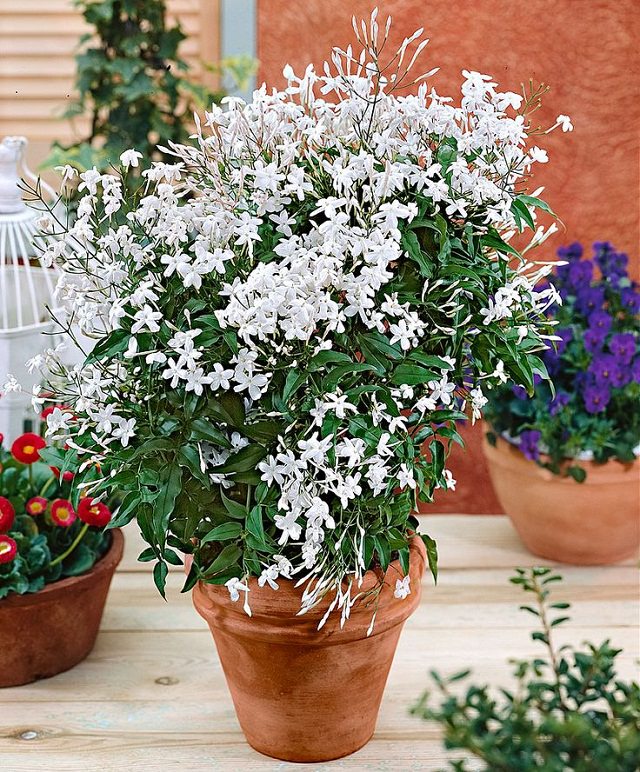
10. Common Jasmine (Jasminum officinale)
Common jasmine is celebrated for its highly fragrant, white star-shaped flowers that bloom from summer into autumn.
It’s a wonderful plant for containers, especially near windows, doors, or seating areas where its scent can be fully appreciated.
Jasmine prefers full sun and needs well-drained, fertile soil. With regular pruning and support, it grows into a manageable yet lush vine that’s perfect for cozy outdoor retreats or small terraces where fragrance and beauty are key.
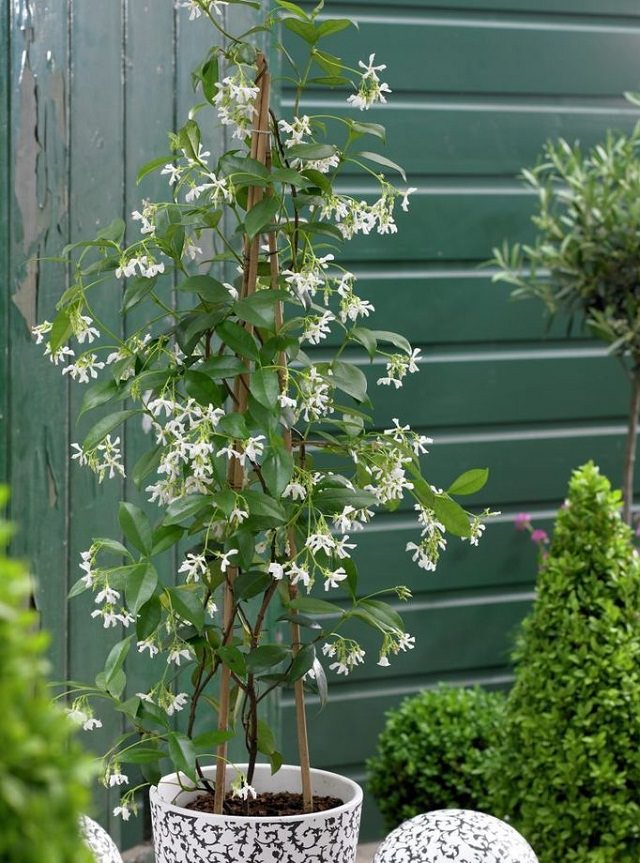
11. Confederate Jasmine (Trachelospermum jasminoides)
Confederate jasmine, also known as star jasmine, is a twining evergreen climber that produces small, intensely scented white flowers.
It’s incredibly resilient, tolerating heat, humidity, and even short periods of drought once established.
Ideal for containers on patios or balconies, this vine remains lush year-round in warmer climates and thrives with just a bit of guidance along a trellis or rail. Its compact habit and fragrant blooms make it a standout in vertical garden design.
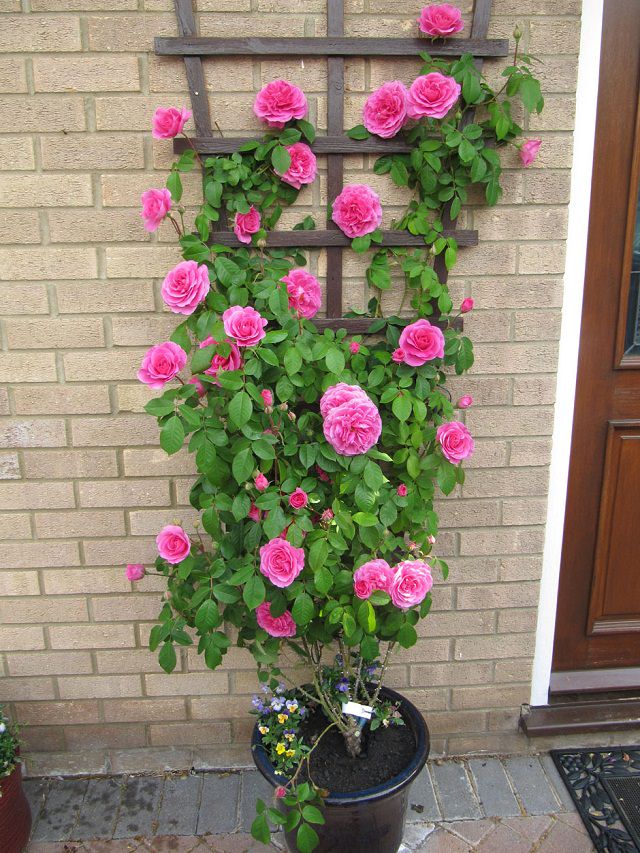
12. Climbing Rose
Climbing roses bring timeless romance to any space, and with the right care, they can flourish in containers.
These hardy vines offer endless varieties in terms of color, scent, and bloom style – from fragrant heirlooms to modern hybrids that flower repeatedly through the season.
They require large containers, regular feeding, and support structures like obelisks or trellises to help guide their growth.
With pruning and attention, climbing roses reward you with a continuous display of color and intoxicating fragrance.
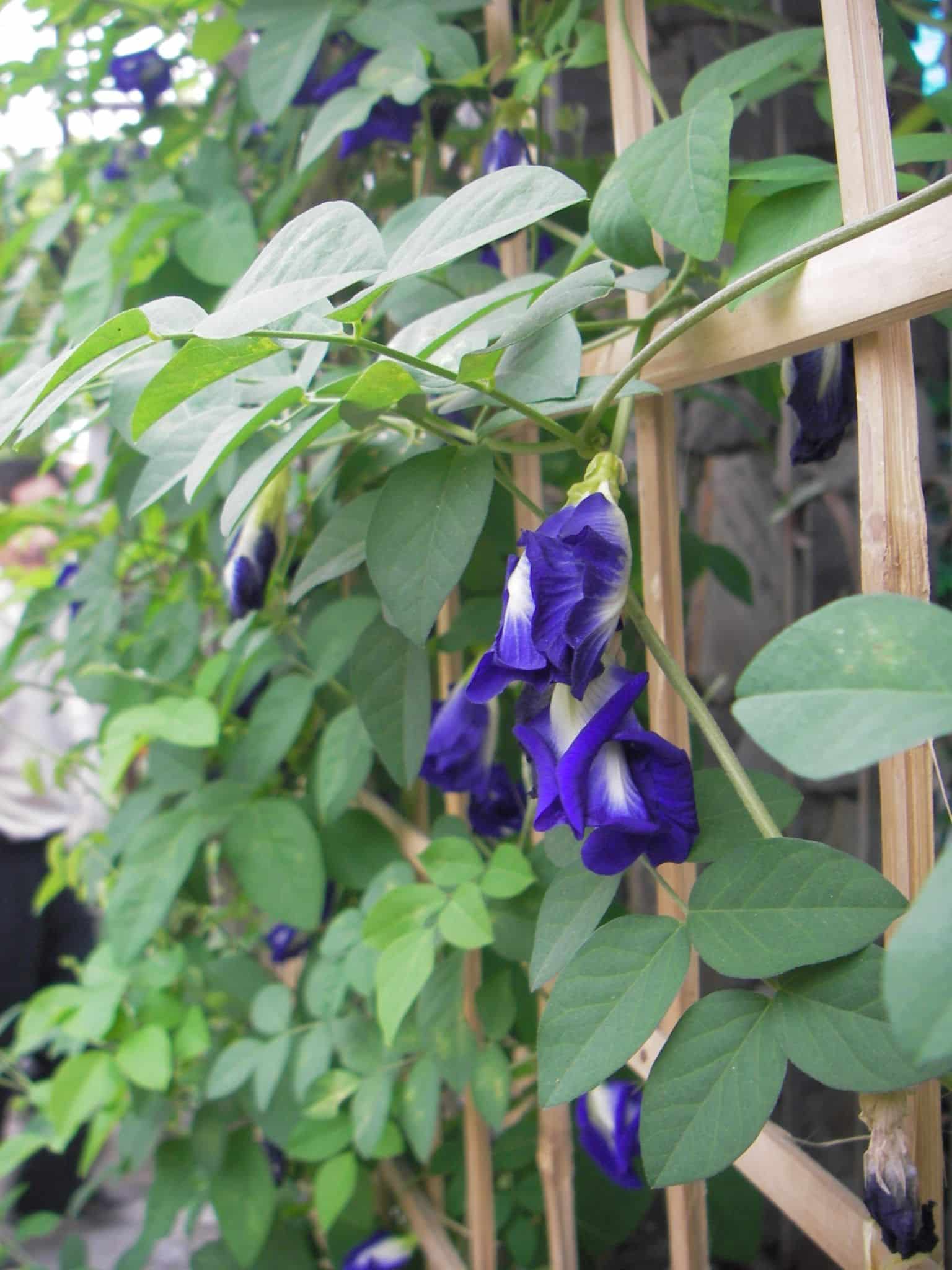
13. Butterfly Pea (Clitoria ternatea)
Butterfly pea is a tropical vine known for its striking deep blue flowers, often used in herbal teas and natural dyes.
It grows well in containers, particularly in sunny, warm locations, and makes a unique addition to decorative or edible gardens.
This climber is relatively easy to grow from seed and climbs rapidly when supported. It also contributes nitrogen to the soil, benefiting neighboring plants when grown in mixed containers.
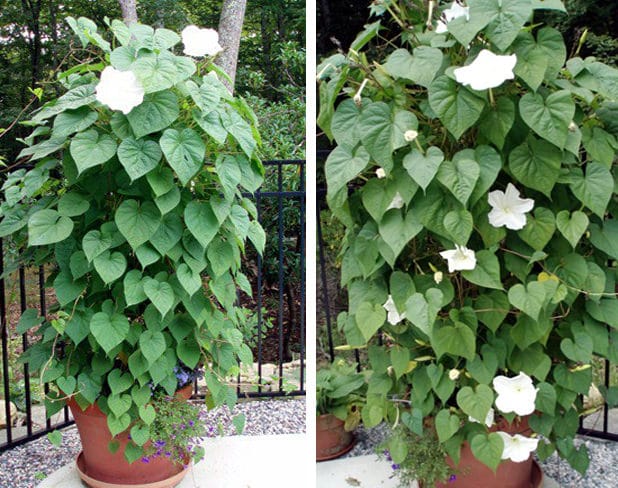
14. Moonflower (Ipomoea alba)
Moonflower is a close cousin to morning glory, but with a magical twist – it blooms at night.
Its large, white, fragrant flowers open in the evening and remain until morning, making it a lovely addition to outdoor seating areas or night gardens.
Moonflowers grow quickly and do best in warm climates. In containers, they appreciate a sunny spot during the day and support for their vines. Their heart-shaped leaves and moonlit blooms create a dreamy nighttime display.
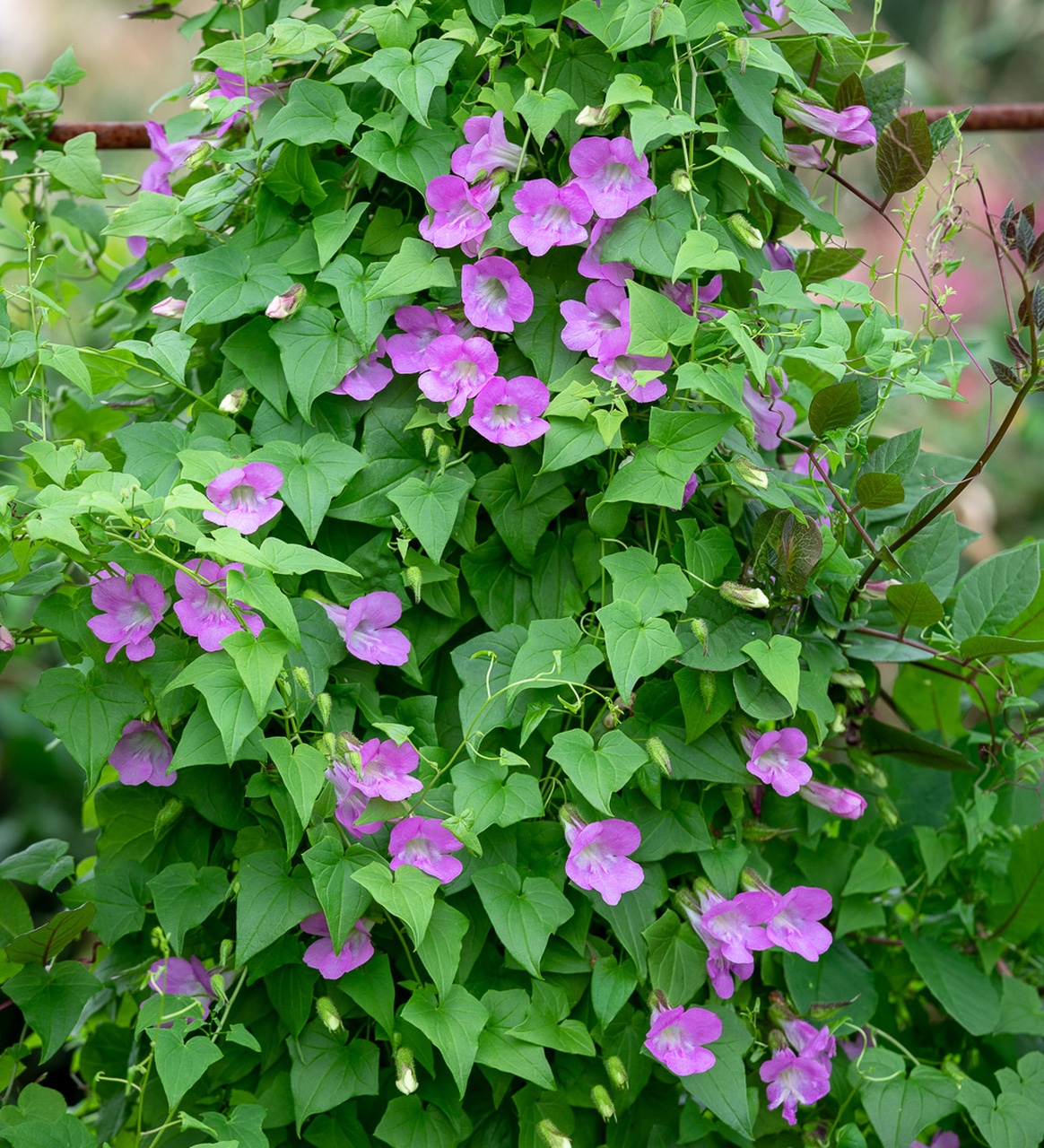
15. Asarina Scandens (Twining Snapdragon)
Asarina scandens is a lesser-known but delightful climbing plant that thrives in containers. It features soft, velvety foliage and trumpet-shaped blooms in colors ranging from violet to pink and white.
This compact vine is well-suited for hanging baskets, small trellises, or balcony railings.
It blooms continuously through summer and is easy to manage, making it perfect for smaller container gardens or beginner growers seeking a low-maintenance flowering climber.
Container Gardening Tips for Climbing Plants
To get the most out of your climbing container plants, a few best practices will ensure lush growth and lasting beauty:
- Choose a container that’s large enough to accommodate root development and includes drainage holes to prevent waterlogging.
- Use high-quality, well-draining potting mix to ensure healthy root systems.
- Provide vertical support with trellises, cages, arches, or railings. Climbing plants need a place to grip and grow upward.
- Water consistently, especially in warm months. Potted plants dry out faster than those in the ground.
- Place containers where they’ll receive adequate sunlight – most flowering climbers prefer full sun.
- Fertilize as needed based on the plant’s growth stage and flowering cycle, using a balanced or bloom-boosting fertilizer.
- Prune regularly to encourage new growth, maintain shape, and remove spent flowers or damaged stems.
Elevate Your Garden with Climbing Plants
Whether you’re transforming a balcony railing into a curtain of blooms or using a trellis to soften a brick wall, climbing plants in containers offer a simple yet transformative way to add life, color, and structure to any space.
Their vertical growth not only makes efficient use of limited space but also adds charm and movement that ground-level plants can’t always provide.