Succulents are beloved for their mesmerizing shapes, vibrant colors, and low-maintenance habits.
But what makes them even more appealing? Many types can be started from seed – making them an incredibly cost-effective way to fill your garden with unique and beautiful varieties without breaking the bank.
Growing succulents from seed isn’t the fastest route to a lush display – it often requires a good dose of patience.
Most succulents take anywhere from 12 to 18 months to reach a recognizable form, and some may take even longer to bloom or bear berries.
However, if you’re up for the journey, it can be a deeply rewarding gardening experience.
Here are 18 of the best succulents you can grow from seed, along with tips to help you succeed with each one:
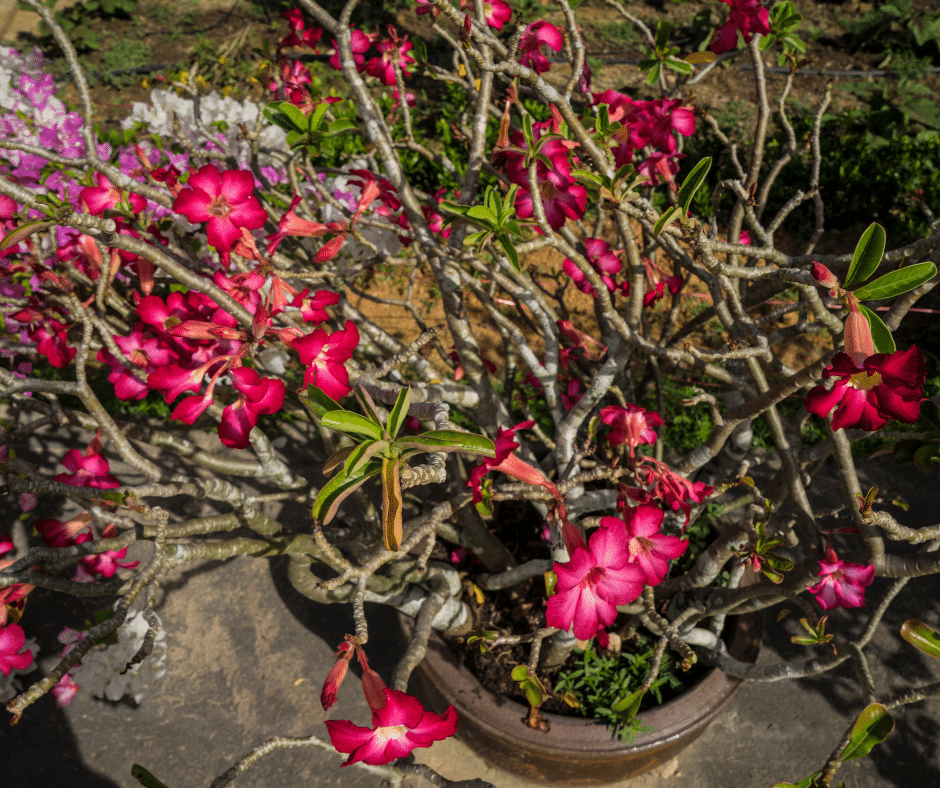
1. Adenium (Desert Rose)
Germination Time: 7–14 days
Tip: Soak seeds in lukewarm water for 2–4 hours before planting. Sow in moist, sandy soil and avoid direct sunlight during early stages to prevent overheating the tender seedlings. Keep the soil warm and humid.
2. Aeonium
Germination Time: 2–3 weeks
These vibrant succulents love bright, indirect light. After flowering, collect seeds and sow in well-drained potting mix.
Once sprouted, transplant into larger containers and keep near an east-facing window for best growth.
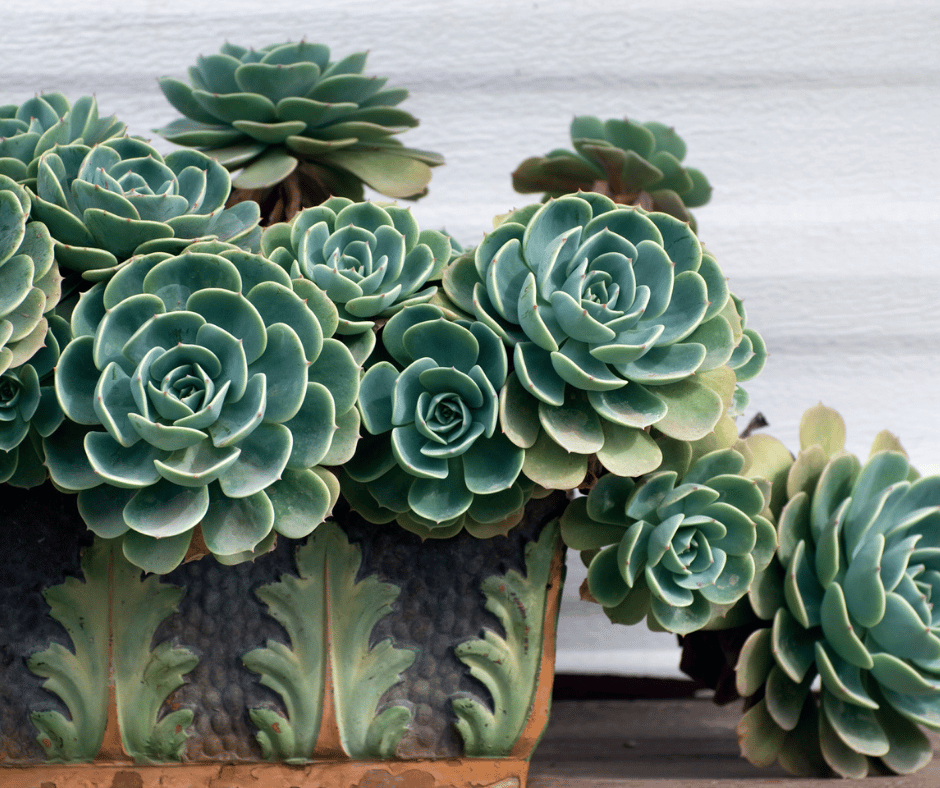
3. Lithops (Living Stones)
Germination Time: 1–3 weeks
Lithops resemble tiny stones and require a gritty, sandy soil.
They germinate well in shallow trays with indirect sunlight. Be careful not to overwater – moisture should be minimal to mimic their native desert environment.
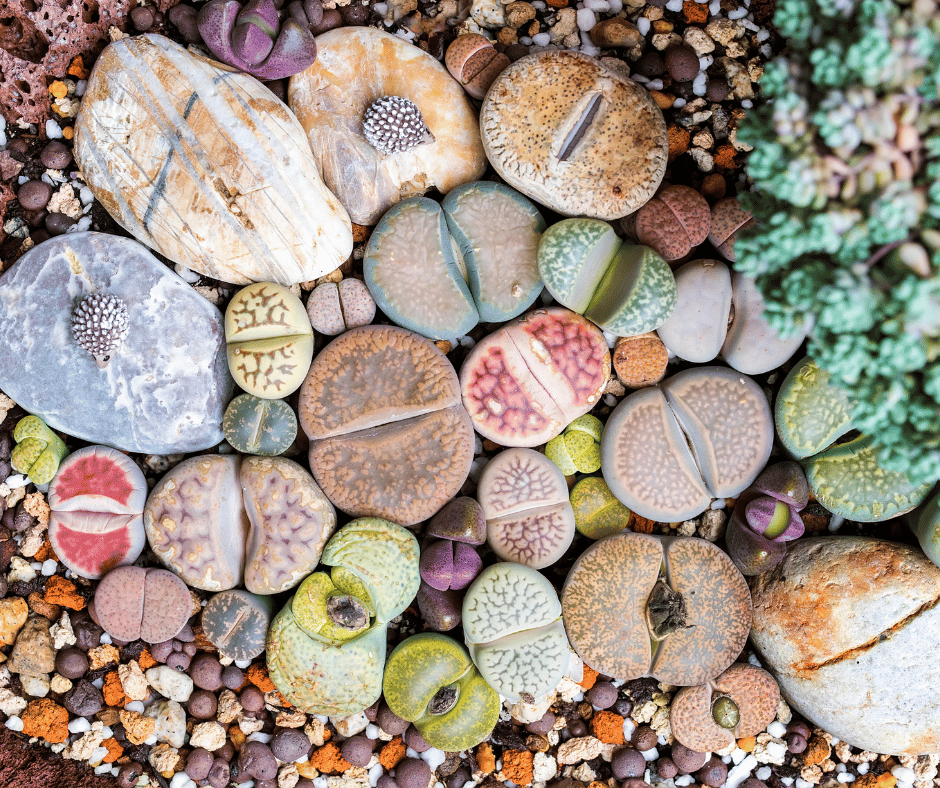
4. Sedum
Germination Time: 2–4 weeks
Start seeds in spring or summer in well-draining soil and full sun. Sedums are drought-tolerant and perfect for rock gardens or borders.
Sow 1 inch apart for best results and keep the surface slightly moist until germination.
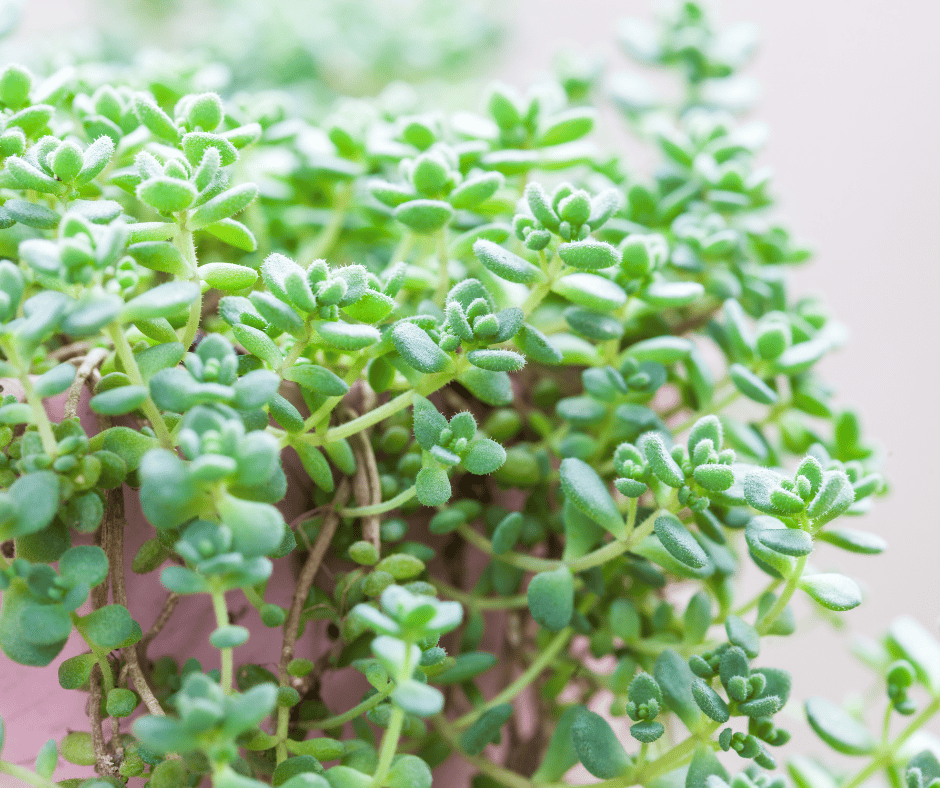
5. String of Pearls (Senecio rowleyanus)
Germination Time: 3–6 weeks
These trailing beauties need warm temperatures and consistent moisture.
Use a humidity dome or plastic wrap to retain moisture during germination. Place the tray in a bright spot without direct sunlight.
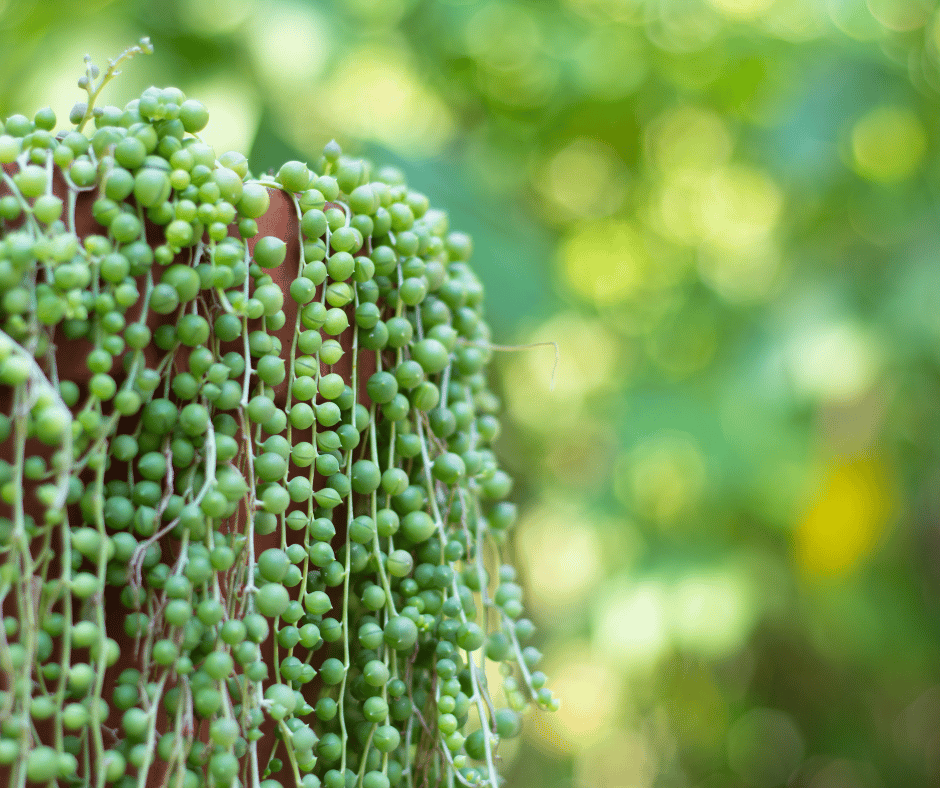
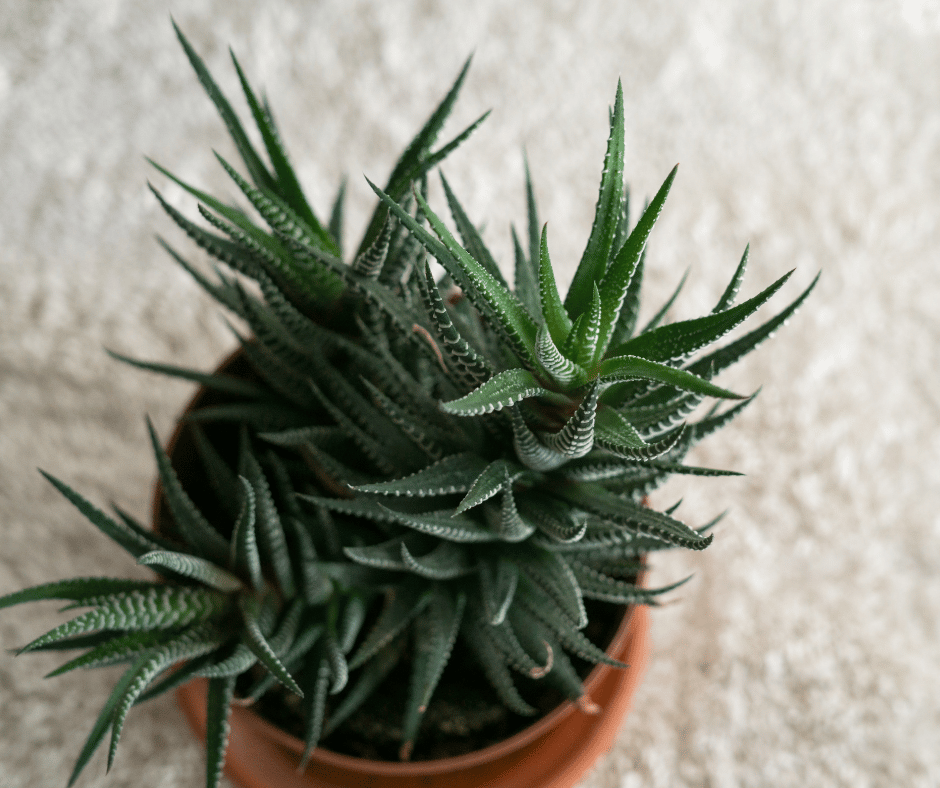
6. Haworthia
Germination Time: 5–20 weeks
Sow in spring or autumn using a cactus mix. Keep the soil evenly moist and maintain a warm, stable temperature (65–75°F). These slow growers appreciate indirect sunlight and occasional misting.
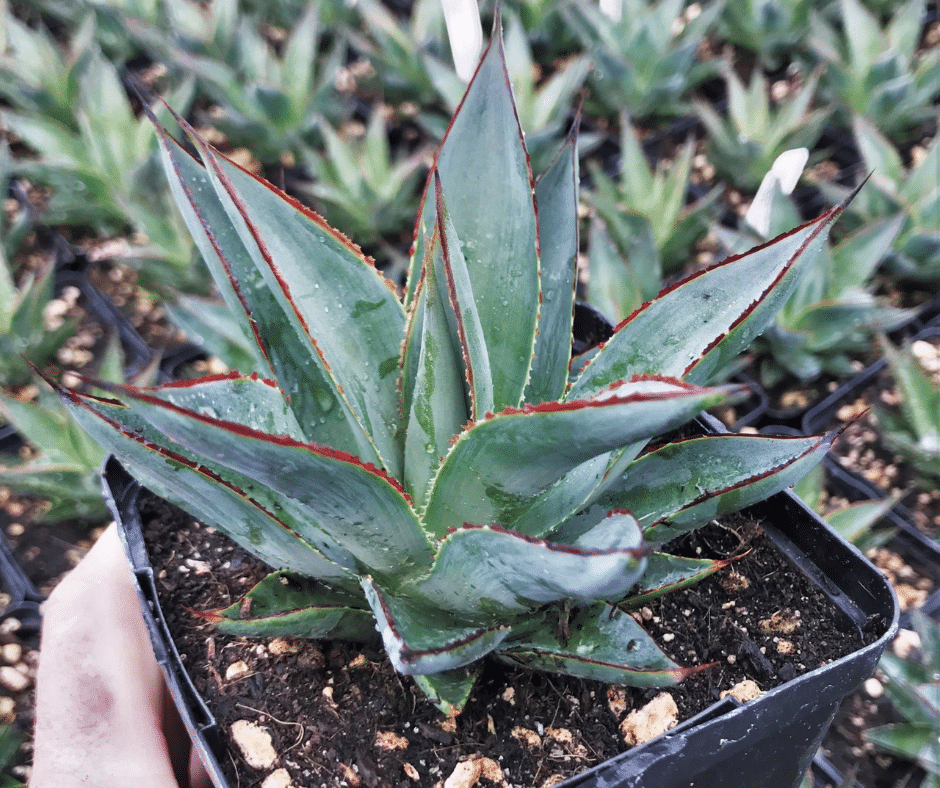
7. Century Plant (Agave americana)
Germination Time: 2–3 weeks
Despite the name, these don’t take a century to sprout. Use sandy soil and full light (but not direct midday sun). Patience is needed, but once established, these can live for decades.
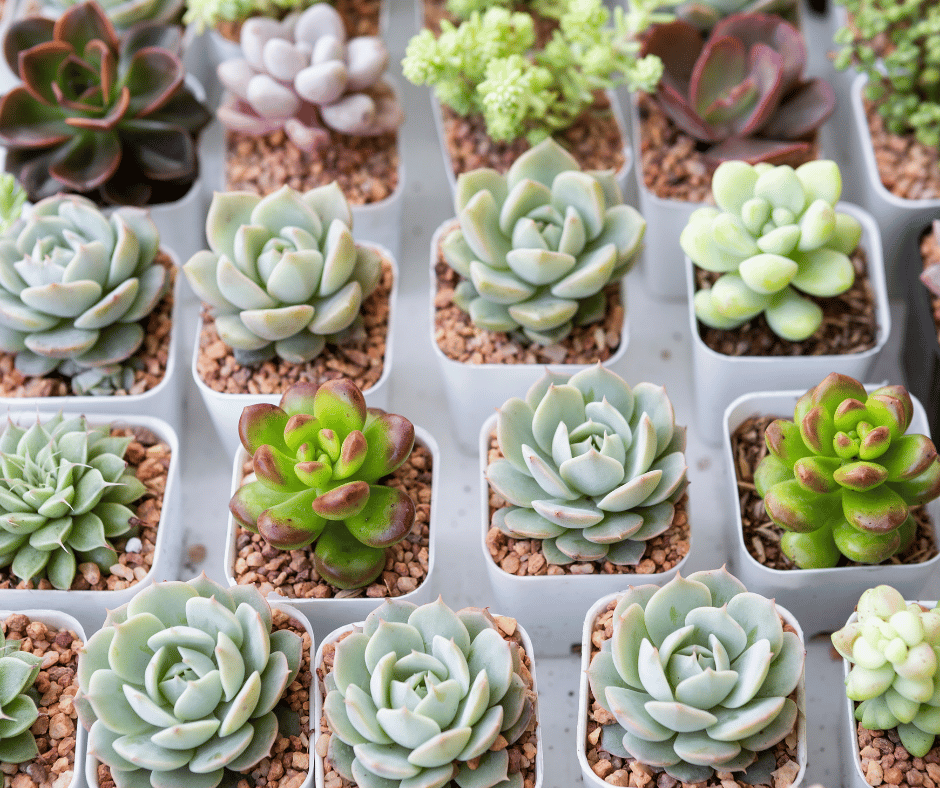
8. Echeveria
Germination Time: 3–12 weeks
Fresh seeds sprout faster. Provide a warm, humid environment and indirect light. Once seedlings appear, transplant into small pots and reduce watering to avoid rot.
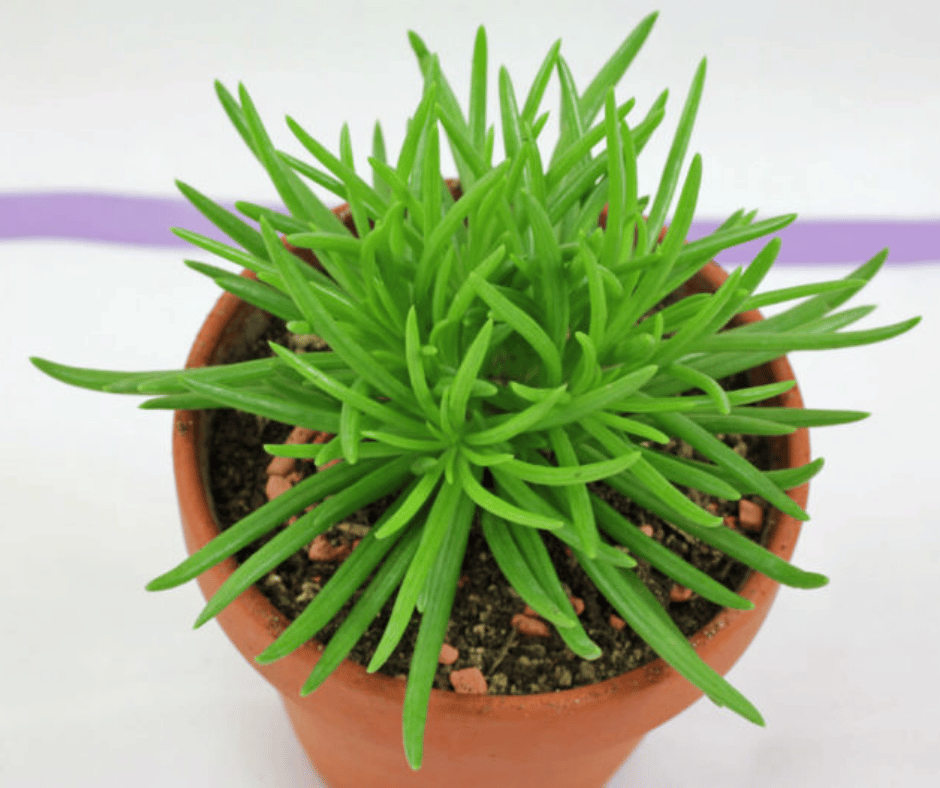
9. Senecio
Germination Time: 2–4 weeks
If growing from seed feels slow, try propagation by cuttings instead. For seed starting, use well-drained soil, warmth, and consistent moisture. Thin seedlings once they reach 1–2 inches tall.
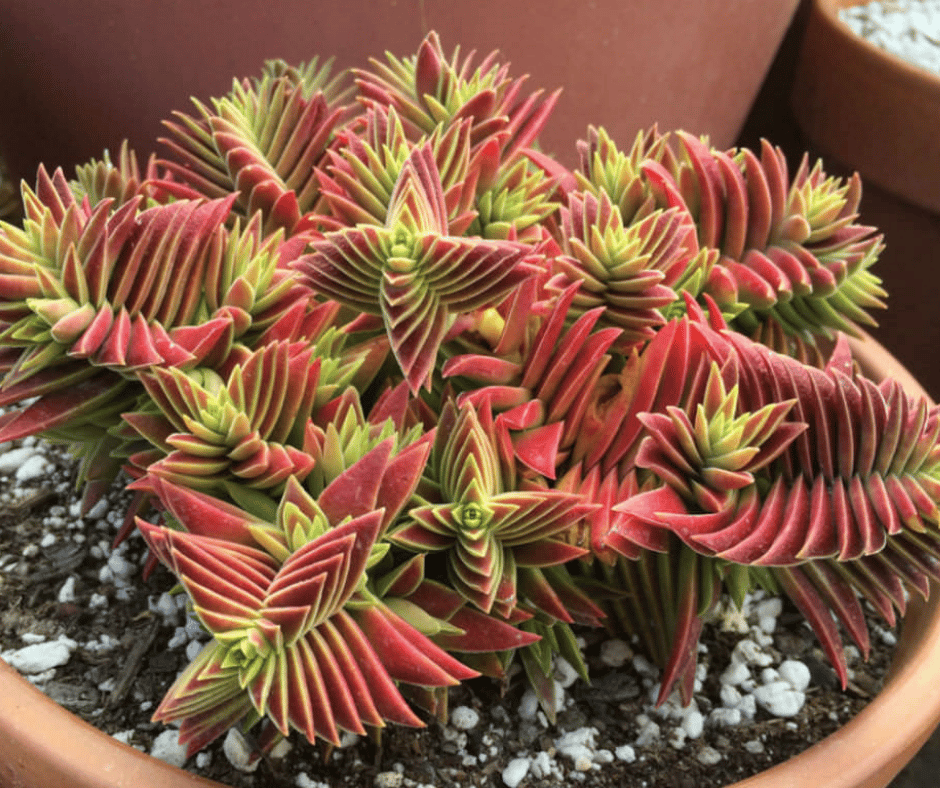
10. Red Pagoda (Crassula corymbulosa)
Germination Time: 2–4 weeks
Known for their stacked red leaves, these plants germinate easily. Use a cactus mix and ensure consistent light and warmth. Mature plants live 3–4 years and provide dramatic flair to any display.
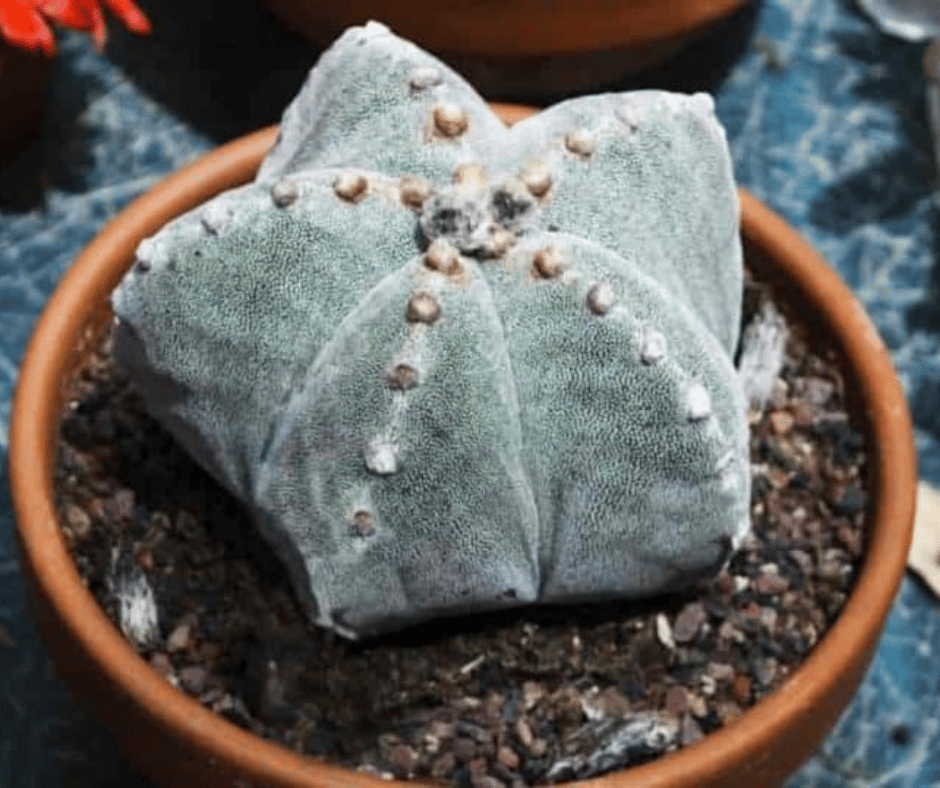
11. Star Cactus (Astrophytum asterias)
Germination Time: 2–3 weeks
Needs a gritty mix of perlite, sand, and pumice. Keep moist but never soggy. Provide bright, filtered light and good airflow. These unique, patterned cacti are slow but stunning growers.
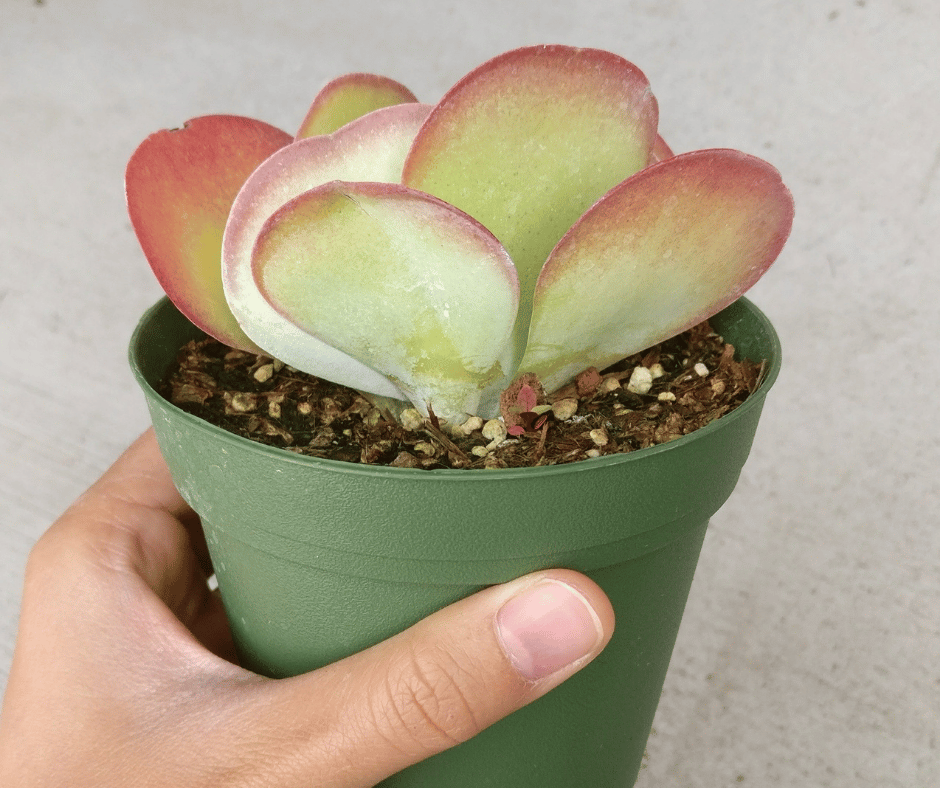
12. Flapjack (Kalanchoe thyrsiflora)
Germination Time: 1–2 weeks
Sow in warm spring temperatures (71–76°F). Their paddle-shaped leaves are easy to sprout under warm, humid conditions. Transplant after two sets of true leaves develop.
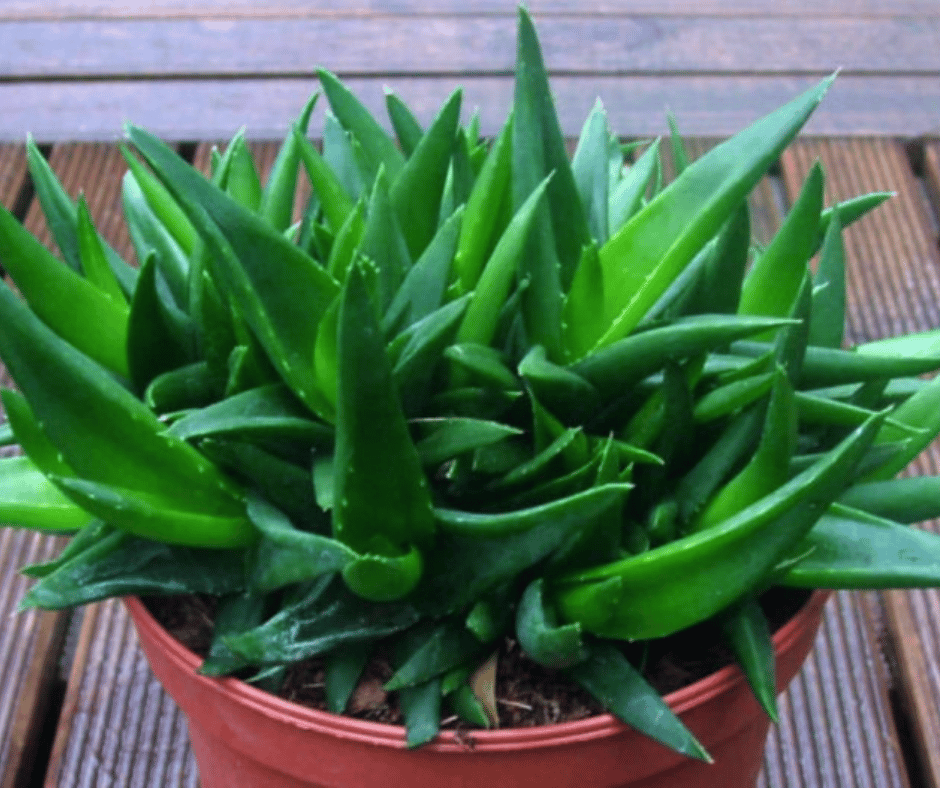
13. Black Gem (Aeonium arboreum ‘Zwartkop’)
Germination Time: 4–8 weeks
Keep seeds in partial shade and avoid overwatering. These dark-toned succulents prefer mild conditions during germination. They’ll slowly develop into dramatic, rosette-shaped foliage.
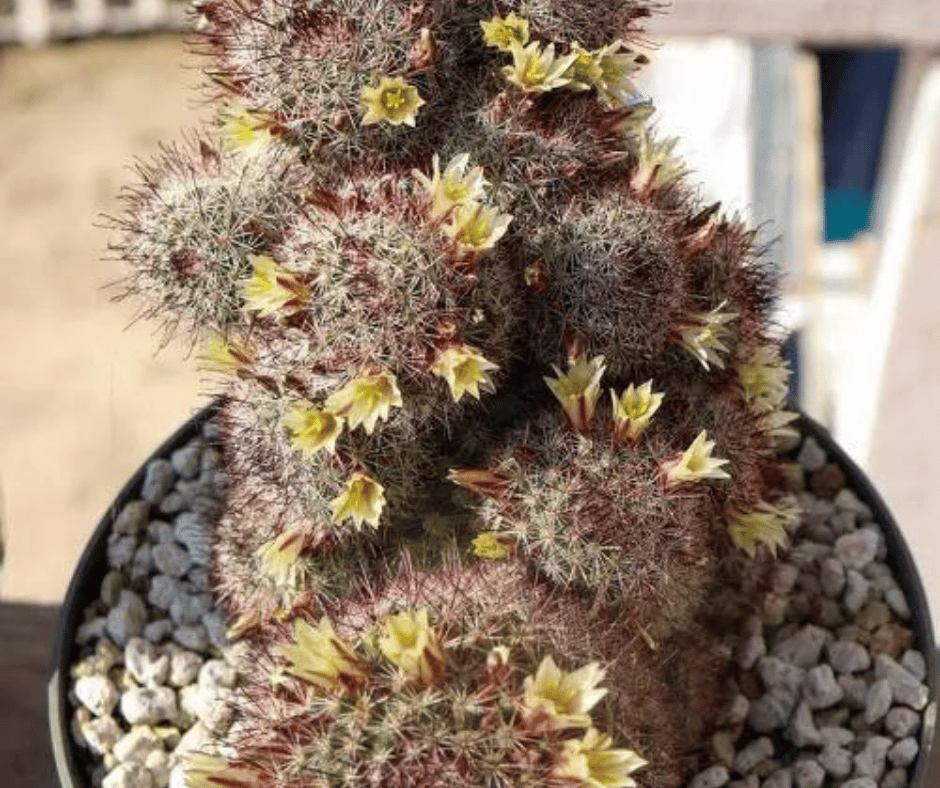
14. California Fishhook Cactus (Mammillaria dioica)
Germination Time: 14–18 days
Best sown in late spring or early summer. Use cactus soil in a warm, sunny spot. Keep the soil slightly moist until sprouting, then allow to dry between waterings.
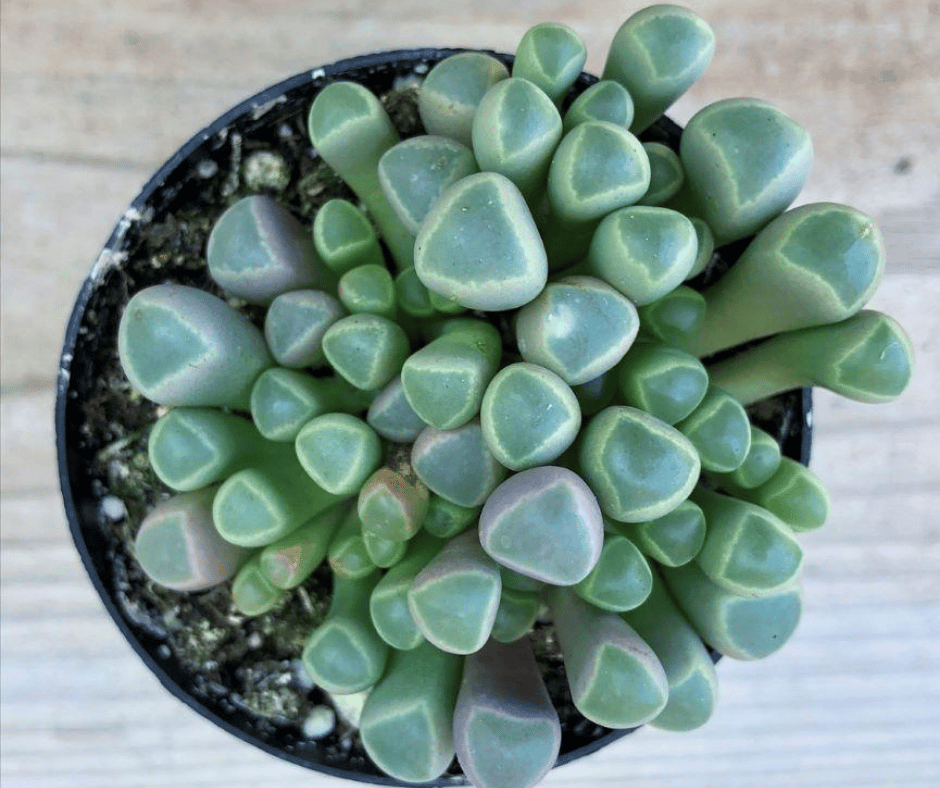
15. Baby Toes (Fenestraria rhopalophylla)
Germination Time: 2–6 weeks
Needs sandy, mineral-rich soil and warm temperatures. Keep lightly moist and offer lots of indirect light. A slow grower, but the unusual leaf shape is well worth the wait.
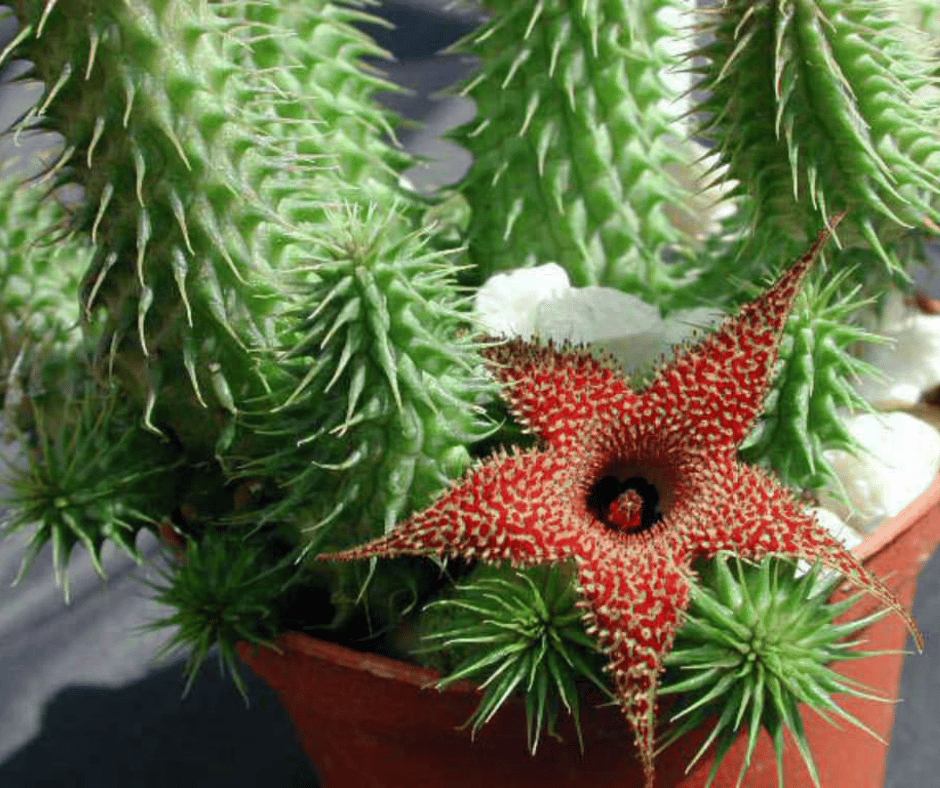
16. Pillansii (Aloe pillansii)
Germination Time: 2 weeks to 4 months
These desert natives require a loamy, well-drained soil and constant moisture (but not soggy). Germination speed depends on variety and freshness of seed. Keep at 59–68°F for best success.
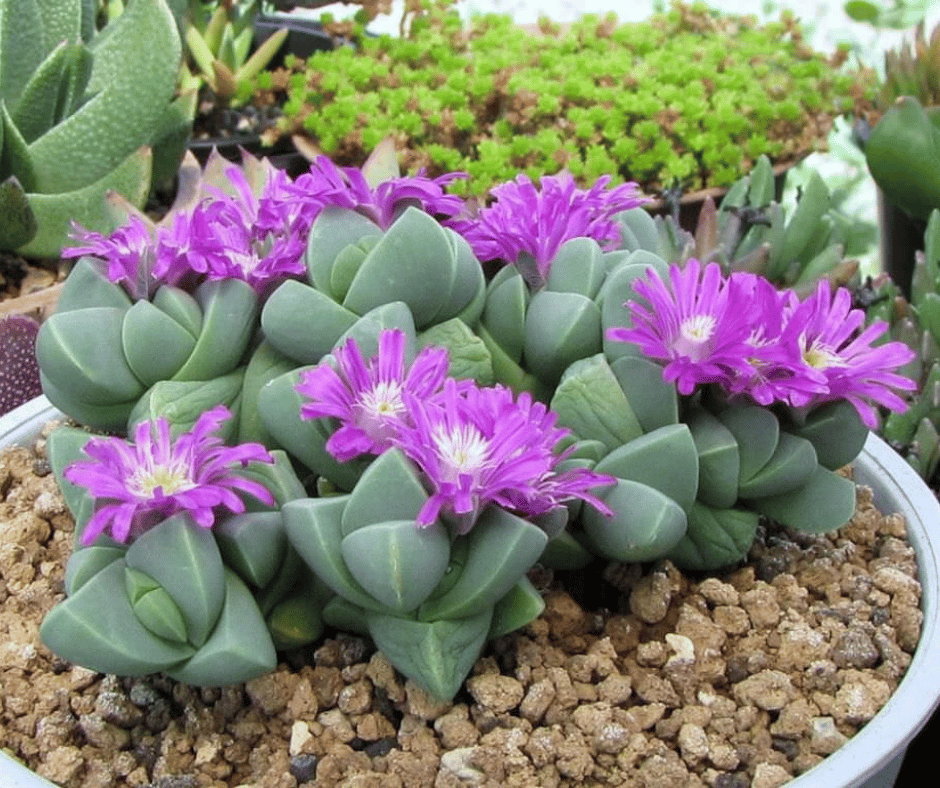
17. Gibbaeum
Germination Time: 2–4 weeks
Sow in autumn in a tray filled with 60% coarse sand and 40% compost. Provide bright but indirect light and avoid overwatering. These oddball succulents are excellent for collectors.
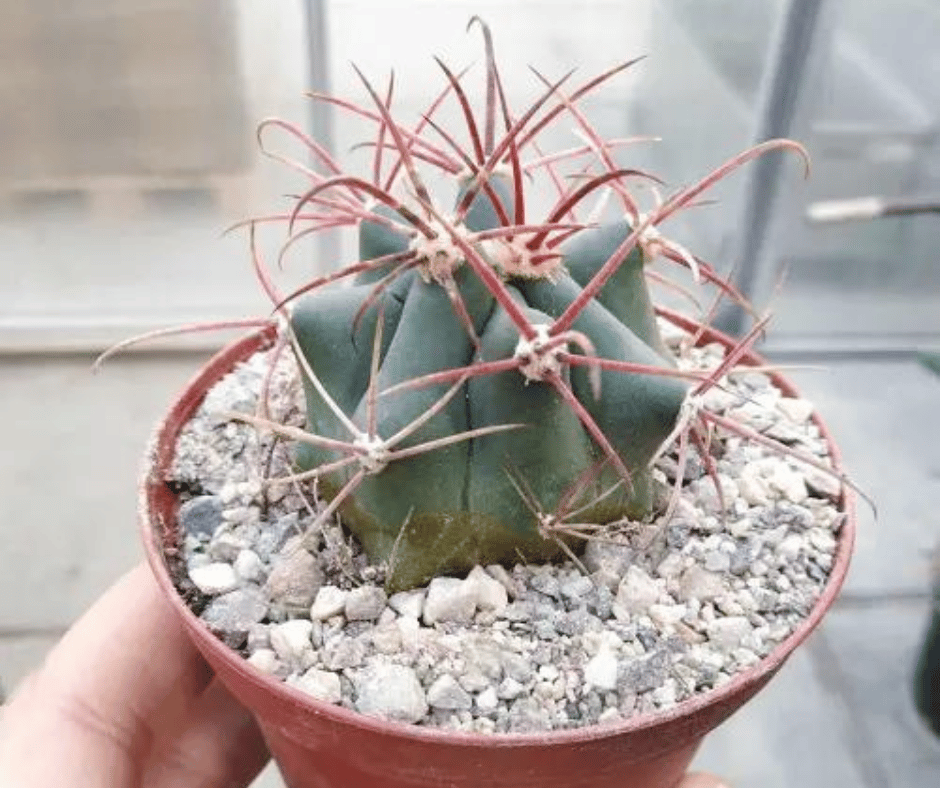
18. Ferocactus
Germination Time: 2–12 weeks
These tough, towering cacti need a mix of 1/3 washed sand, 1/3 compost, and 1/3 perlite. Provide bright, indirect light and ensure excellent drainage. Mature plants can grow over 10 feet tall!
Growing succulents from seed may require patience, but the variety you’ll be able to cultivate makes it incredibly satisfying.
From tiny “living stones” to towering barrel cacti, each species brings its own flair to your garden. Start small, maintain consistent conditions, and you’ll be rewarded with a beautiful, low-cost collection that grows more valuable with time.