Most people finish a dozen eggs, toss the carton in the trash or recycling bin, and never think twice about it.
But if you’re a gardener – or even just starting out – that simple cardboard or styrofoam carton is far more valuable than you think.
Egg cartons are one of the most underrated and eco-friendly gardening tools you already have at home, and once you know how versatile they are, you’ll never throw one away again.
Why Egg Cartons Are a Gardener’s Secret Weapon
Before we dive into the ideas, it’s worth understanding why egg cartons are so useful.
Whether made of cardboard, plastic, or foam, egg cartons have several key advantages:
- Eco-friendly & biodegradable: Cardboard cartons are compostable and break down naturally, returning nutrients to the soil.
- Free & abundant: You likely already have them at home – and they’re easy to collect from friends, family, or local bakeries.
- Lightweight & easy to use: Perfect for indoor gardening, seed starting, and DIY projects.
- Perfect size & shape: The individual cells are ideal for small plants, seeds, and garden projects.
With a little creativity, those empty cartons become one of the most versatile tools in your gardening toolbox.
1. Start Seeds Indoors – The Perfect Mini Greenhouse
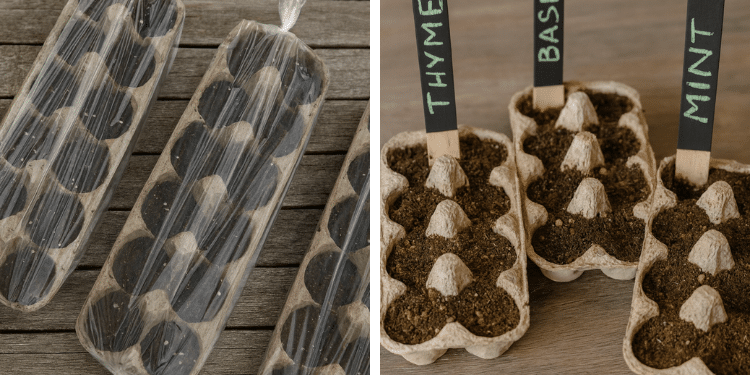
One of the most popular and practical ways to reuse egg cartons is as seed-starting trays. Their small, individual compartments are ideal for sowing seeds indoors before transplanting them outside.
How to Do It:
- Choose the right carton: Cardboard works best since it’s biodegradable, but plastic cartons also work if you poke drainage holes.
- Prepare the cells: Poke a small hole in the bottom of each cup for drainage.
- Add seed-starting mix: Fill each compartment with a light, nutrient-rich soil mix designed for seedlings.
- Plant your seeds: Drop 1–2 seeds per cell and gently cover them with soil.
- Water & care: Moisten the soil and place the carton on a sunny windowsill or under grow lights.
Once seedlings develop 2–3 sets of true leaves, you can plant the entire biodegradable cell directly into the ground. The carton will decompose naturally, reducing transplant shock and enriching the soil.
Why it works: The size of the egg cups mimics commercial seed trays, providing the perfect depth and spacing for seedlings. Plus, starting seeds indoors gives you a head start on the growing season.
2. Make Biodegradable Seed Pots
If you want a more sustainable approach than plastic seed trays, egg cartons make excellent biodegradable seed pots. These can go straight into the ground – no transplanting required.
How to Do It:
- Use cardboard cartons only.
- Fill each cup with potting soil and plant seeds as usual.
- When seedlings are ready, cut apart each cell and plant the whole thing directly into the garden.
Bonus Tip: Gently tear the bottom of the cup before planting to help roots grow through faster.
Why it’s beneficial: This eliminates root disturbance during transplanting, which often causes seedlings to stall. The carton slowly decomposes, adding organic matter and improving soil structure.
3. Protect Young Seedlings from Pests and Frost
Egg cartons can act as mini protective covers for young, vulnerable seedlings – shielding them from pests like slugs and snails or even providing a bit of frost protection.
How to Do It:
- Cut the carton into individual cups.
- Place a cup upside down over each seedling in the garden.
- Push it slightly into the soil so it stays secure.
For added protection, cut a small slit in the top to allow airflow.
Why it works: This method creates a physical barrier against pests and helps moderate temperature around delicate seedlings, especially in early spring or fall.
4. DIY Plant Labels and Garden Markers
If you’re starting many different seeds, it’s easy to lose track of what’s planted where. Instead of buying plastic plant labels, cut up old egg cartons into small strips and use them as eco-friendly plant markers.
How to Do It:
- Cut the lid or sides of a cardboard carton into label-sized strips.
- Write the plant names with a waterproof marker.
- Stick them into the soil near seedlings or transplants.
Bonus Tip: Coat the labels with a thin layer of beeswax or linseed oil to make them last longer outdoors.
Why it’s useful: Not only is this a sustainable alternative to plastic markers, but it also helps you keep track of plant varieties and sowing dates for better garden planning.
5. Create Natural Mulch and Soil Conditioner
Egg cartons are rich in carbon, a key ingredient in balanced compost and mulch. When shredded and added to the soil, they help retain moisture, regulate temperature, and improve soil structure.
How to Do It:
- Tear or cut cardboard cartons into small pieces.
- Mix them into garden beds, raised beds, or potting soil.
- Alternatively, use them as a top layer of mulch around plants.
Why it’s beneficial: The cellulose in cardboard feeds beneficial soil microbes and improves water retention, while slowly decomposing into organic matter. This is especially useful in sandy or nutrient-poor soils.
6. Compost Boosters – Add to Your Compost Pile
If you’re composting, egg cartons are one of the best free “browns” you can add. They balance out nitrogen-rich “greens” like food scraps and grass clippings, helping your compost break down efficiently.
How to Do It:
- Tear cartons into small pieces (smaller pieces break down faster).
- Layer them with green materials in your compost bin.
- Keep the compost moist but not soggy.
Compost ratio tip: Aim for about 3 parts brown (carbon) to 1 part green (nitrogen).
Why it matters: Without enough carbon, compost piles become slimy and slow to decompose. Egg cartons provide the necessary structure and airflow, preventing odors and speeding decomposition.
7. Grow Microgreens Indoors
Microgreens – baby greens harvested just a few weeks after germination – are packed with nutrients and easy to grow. Egg cartons provide the perfect shallow containers for them.
How to Do It:
- Fill each egg cup with potting mix or coconut coir.
- Scatter microgreen seeds (like radish, arugula, or broccoli) on top.
- Mist daily to keep moist.
- Harvest when seedlings are 2–3 inches tall (about 2–3 weeks).
Why it works: The compact size of egg cups is ideal for microgreens, and using cartons reduces the need for buying trays or special equipment. It’s a perfect indoor gardening project – even for beginners.
8. Use Them as Natural Pest Traps
Garden pests like slugs, snails, and earwigs often seek out cool, damp hiding spots. Egg cartons can become simple, chemical-free traps to help control their population.
How to Do It:
- Place an inverted egg carton on the soil near affected plants in the evening.
- In the morning, lift it – pests will often be hiding inside.
- Dispose of them or relocate them far from your garden.
Bonus Idea: Fill a few egg cups with beer to attract and drown slugs (a classic organic gardening trick).
Why it’s beneficial: This method reduces pest pressure without harming beneficial insects or relying on synthetic chemicals.
9. Organize and Store Seeds
If you save seeds from your garden, egg cartons make excellent seed organizers. Each cup can hold a different seed variety, and the lid provides space to label and record details.
How to Do It:
- Clean and dry a carton thoroughly.
- Fill each cell with seeds (use small envelopes or paper packets if needed).
- Label each section with the seed name and collection date.
Why it’s helpful: Proper seed storage is crucial for good germination. Egg cartons help keep seeds dry, separated, and organized – and they fit neatly in a drawer or storage box.
10. Create Wildlife Feeders and Beneficial Insect Habitats
A creative and often overlooked use for egg cartons is as wildlife feeders or insect shelters. Beneficial insects and pollinators are essential for a healthy garden, and egg cartons can help attract them.
How to Do It:
- Bird feeder: Fill each cup with birdseed, tie string to the carton, and hang it from a tree.
- Bee hotel: Fill an egg carton with hollow plant stems or bamboo tubes to provide nesting spots for solitary bees.
- Bug hotel: Stack cartons with leaves, bark, and straw to attract ladybugs, lacewings, and predatory beetles.
Why it’s important: Encouraging biodiversity in your garden boosts pollination, pest control, and ecosystem balance. Plus, it’s a fun and educational project for kids.
Safety Tips and Best Practices
- Always remove any stickers or plastic film before using cartons in the garden.
- Avoid foam or plastic cartons if you plan to compost or bury them.
- If reusing cartons from store-bought eggs, wash and dry them thoroughly to eliminate bacteria like salmonella.
Egg cartons may seem insignificant, but they’re one of the most versatile and sustainable gardening tools you can find – and they cost nothing.