Spring is the season of renewal, and pruning is an essential step to ensure your garden thrives with healthy growth, vibrant blooms, and abundant harvests.
However, knowing what to cut back and what to leave alone is crucial—prune at the wrong time, and you risk damaging plants or reducing their flowering potential!
In this detailed spring pruning guide, we’ll cover:
- Why spring pruning is important
- Which plants to cut back for stronger growth
- Which plants NOT to prune in spring
- How to prune trees, shrubs, perennials, and flowers properly
- Common pruning mistakes to avoid
By the end of this guide, you’ll know exactly what to trim, when to trim it, and how to encourage the healthiest growth in your garden. Let’s get started!
Why Pruning in Spring is Essential
Pruning isn’t just about shaping your plants—it’s about encouraging stronger, healthier, and more productive growth.
Here’s why spring pruning is so important:
- Removes Dead or Diseased Growth – Prevents disease from spreading and encourages healthy new shoots.
- Stimulates Flowering & Fruit Production – Proper pruning helps plants direct energy into new blooms and fruit.
- Shapes & Controls Growth – Keeps plants tidy and prevents them from becoming overgrown or invasive.
- Boosts Air Circulation & Sunlight Exposure – Reduces fungal diseases and improves plant health.
But not all plants should be pruned in spring! Let’s go over which plants to prune and which to leave alone.
What to Cut Back in Spring (Must-Prune Plants)
1. Perennials That Died Back Over Winter
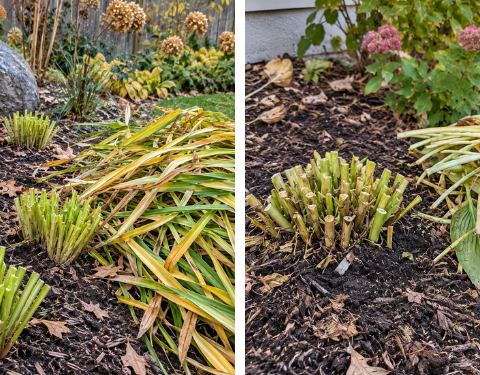
Certain herbaceous perennials need spring pruning to make way for new growth.
These include:
- Hostas – Remove old, mushy leaves to prevent disease.
- Daylilies – Trim back dead foliage to allow fresh shoots to emerge.
- Bee Balm (Monarda) – Cut back dead stems to encourage bushier growth.
- Black-Eyed Susans (Rudbeckia) – Remove dried stalks from the previous year.
- Coneflowers (Echinacea) – Trim dead stems but leave seed heads if birds are still feeding on them.
How to prune: Use sharp shears to remove dead foliage at the base, being careful not to damage emerging shoots.
2. Deciduous Trees & Shrubs (Before They Leaf Out)
If your trees and shrubs are still dormant in early spring, it’s the perfect time for pruning!
- Fruit Trees (Apples, Pears, Peaches, Plums, Cherries) – Prune before buds open to shape the tree and remove deadwood.
- Maples, Oaks, & Birch Trees – Best pruned before sap starts running heavily.
- Crape Myrtles – Remove weak branches but avoid “crape murder” (excessive cutting back).
- Hydrangeas (Certain Types) – Cut back panicle (H. paniculata) and smooth hydrangeas (H. arborescens).
How to prune: Remove dead, diseased, or crossing branches to open up the canopy and improve air circulation.
DO NOT prune spring-flowering trees/shrubs in early spring! (See below for what to leave alone.)
3. Shrubs That Bloom in Summer or Fall
If a shrub blooms on new wood (this year’s growth), spring is the perfect time to prune for better flowering.
- Butterfly Bush (Buddleia) – Prune hard to encourage fresh summer blooms.
- Rose of Sharon (Hibiscus syriacus) – Cut back old branches to promote bushy growth.
- Spirea (Summer-Blooming Varieties) – Trim back for fresh summer flowers.
- Russian Sage (Perovskia) – Cut down to 6-12 inches tall for a more compact, healthier plant.
How to prune: Cut back about ⅓ of the plant’s height to encourage new branches and more flowers.
4. Roses (Most Varieties)
Hybrid Teas, Floribundas, and Grandiflora Roses:
- Prune in early spring when buds begin swelling.
- Cut back dead wood and shape the plant.
- Remove weak, crossing branches for better airflow.
Shrub Roses (Knockout, David Austin, etc.):
- Light pruning to maintain shape.
- Remove dead or diseased stems.
DO NOT prune once-blooming heirloom roses in spring—they bloom on old wood (see below).
What NOT to Prune in Spring
Some plants should NOT be pruned in early spring, as this can reduce flowering or weaken the plant.
1. Spring-Blooming Shrubs & Trees (Prune After Blooming!)
These shrubs bloom on last year’s wood, so pruning too early removes flower buds!
Do NOT prune these until AFTER they bloom: Lilacs (Syringa), Forsythia, Azaleas & Rhododendrons, Camellias, Magnolias, Weigela;
When to prune: Wait until immediately after flowers fade before shaping.
2. Evergreen Shrubs & Trees
DO NOT heavily prune these in early spring:
- Boxwood – Light shaping only; avoid heavy pruning until late spring.
- Holly & Yews – Best pruned in late spring/early summer.
- Spruce & Pine Trees – Only prune new growth (“candles”) in late spring.
3. Perennials That Bloom in Spring
Avoid cutting back these until after they bloom:
- Bleeding Hearts (Dicentra)
- Iris (Wait until after flowering to divide or trim)
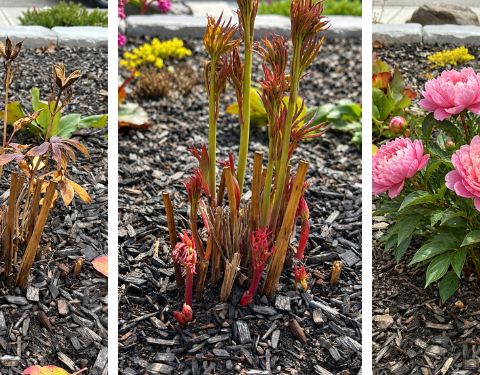
- Peonies
- Columbine (Aquilegia)
Common Pruning Mistakes to Avoid
- Over-pruning – Cutting too much can stunt plant growth.
- Pruning too early – If sap is flowing, wait until late spring.
- Ignoring sharp tools – Use clean, sharp pruners to avoid damaging plants.
- Not considering bloom cycles – Know whether a plant blooms on old or new wood before cutting.
Spring Pruning FAQ
1. Can I prune shrubs in early March?
Yes, but only summer-blooming shrubs and deciduous trees. Avoid pruning spring-blooming shrubs too early.
2. How much should I prune back perennials?
Most can be cut back to the base to encourage fresh new growth.
3. Is it okay to prune when buds are forming?
It depends—if buds belong to spring-blooming plants, wait until after flowering.
Pruning is one of the best ways to ensure healthy plants, vibrant flowers, and abundant fruit.
By knowing what to cut back and what to leave alone, you’ll enjoy a thriving, beautifully maintained garden all season long!
Prune: Perennials, summer-blooming shrubs, fruit trees, and roses.
Avoid pruning: Spring-blooming shrubs, evergreens, and perennials that haven’t finished blooming.