Soil that dries out too quickly can be a major challenge for gardeners, leading to stressed plants, poor growth, and reduced yields.
Various factors contribute to rapid soil drying, including high temperatures, poor soil structure, excessive sun exposure, and inadequate watering techniques.
Fortunately, there are several strategies to retain moisture, improve soil health, and keep your garden thriving.
In this comprehensive guide, we’ll explore why soil dries out too fast and what you can do to fix it.
Why Does Soil Dry Out Quickly?
Before fixing the issue, it’s important to understand the common reasons why soil loses moisture too quickly:
- Sandy Soil Composition – Sand has large particles and drains quickly, causing rapid moisture loss.
- Excessive Sun Exposure – Direct sunlight and high temperatures evaporate moisture quickly.
- Poor Soil Structure – Compacted or degraded soil cannot retain water effectively.
- Insufficient Organic Matter – Organic matter like compost helps retain moisture, and without it, soil dries out faster.
- Incorrect Watering Techniques – Watering too lightly or at the wrong time of day can cause moisture loss.
- Lack of Mulch – Bare soil is more prone to drying out compared to mulched surfaces.
- Strong Winds – Wind can accelerate moisture evaporation from soil surfaces.
Now, let’s explore the best solutions to keep your soil moist for longer.
How to Prevent Soil from Drying Out Too Fast
1. Improve Soil Composition
Soil with poor structure struggles to retain moisture. Here’s how to enhance your soil’s ability to hold water:
- Add Compost – Compost improves soil structure, increases moisture retention, and provides essential nutrients.
- Incorporate Clay into Sandy Soil – Clay particles help hold moisture longer in sandy soil.
- Use Organic Matter – Materials like aged manure, peat moss, or coconut coir can improve water retention.
2. Apply Mulch to Reduce Evaporation
Mulching is one of the easiest and most effective ways to keep soil moist. It reduces evaporation, regulates soil temperature, and prevents erosion.
- Use organic mulch like wood chips, straw, grass clippings, or shredded leaves.
- Apply 2-4 inches of mulch around plants, leaving space around stems to prevent rot.
- Refresh mulch regularly as it decomposes over time.
3. Water Deeply and Efficiently
Shallow watering leads to weak roots and faster moisture loss. Follow these tips to water effectively:
- Water in the morning or evening to reduce evaporation.
- Use drip irrigation or soaker hoses for slow, deep watering.
- Water deeply but less frequently to encourage deep root growth.
4. Shade Plants in Extreme Heat
Excessive sun exposure dries out the soil quickly. Protect your garden by:
- Using shade cloth to filter sunlight on extremely hot days.
- Planting tall companion plants to create natural shade.
- Positioning raised beds or containers strategically to minimize sun exposure.
5. Use Ground Covers to Protect Soil
Ground covers reduce soil temperature and moisture loss. Consider planting:
- Clover – Adds nitrogen to the soil and keeps the surface shaded.
- Creeping thyme – A low-maintenance, drought-resistant option.
- Strawberries – Provides food and helps retain moisture in garden beds.
6. Improve Drainage in Compacted Soil
Soil that is too compacted repels water, causing it to run off rather than absorb. To fix this:
- Aerate the soil by loosening it with a fork or aerator.
- Avoid walking on garden beds to prevent further compaction.
- Add organic material to break up dense soil and improve water absorption.
7. Choose Drought-Tolerant Plants
If your soil dries out too fast, opt for plants that naturally thrive in dry conditions, such as:
- Lavender
- Succulents (e.g., sedum, echeveria)
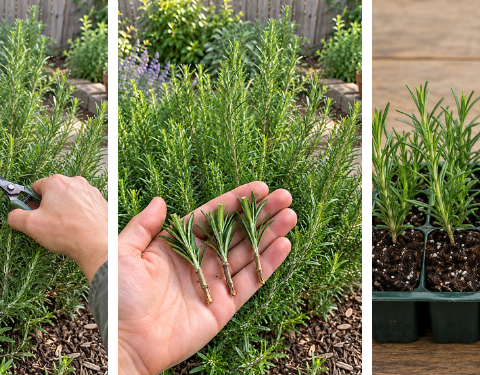
- Rosemary
- Native wildflowers suited to your climate
8. Use Hydrogel Crystals or Water-Absorbing Polymers
Hydrogel crystals help soil retain moisture by absorbing water and slowly releasing it over time. These are especially useful for potted plants or sandy soils.
9. Collect and Store Rainwater
Conserving and using rainwater can help maintain soil moisture levels. Try these methods:
- Install rain barrels to collect runoff from your roof.
- Use drip irrigation to distribute stored rainwater efficiently.
- Direct downspouts to garden beds to make use of natural rainfall.
10. Adjust Plant Spacing
Overcrowding increases competition for water, leading to faster soil drying. Space plants appropriately to allow:
- Better airflow to reduce evaporation.
- Efficient root spread for optimal moisture absorption.
11. Use Raised Beds with Moisture-Retaining Soil
Raised beds offer better control over soil composition and drainage. To maintain moisture:
- Mix in organic matter when filling beds.
- Line beds with cardboard or layers of mulch before adding soil.
12. Prevent Wind Damage
Strong winds strip moisture from soil and plants. Minimize wind effects by:
- Planting windbreaks like hedges or shrubs.
- Installing fencing or trellises to block wind exposure.
13. Apply Liquid Retention Aids
Organic water-retaining solutions, like seaweed extract or aloe vera gel, can improve soil’s water-holding capacity when mixed into irrigation water.
If your soil dries out too fast, a combination of organic amendments, smart watering techniques, mulch, and wind protection can make a huge difference.
Implementing these strategies will not only help retain moisture but also improve soil health and plant vitality.