February is a quiet but critical month for snake plants. On the surface, these tough, upright houseplants seem nearly indestructible.
They tolerate low light, irregular watering, and months of neglect better than almost any other indoor plant. That reputation, however, is exactly why February mistakes happen so often.
During late winter, snake plants are still in a semi-dormant state. Growth is slow, roots are inactive, and the plant’s ability to recover from stress is limited.
What you do – or don’t do – this month sets the tone for spring growth. Small errors that would barely matter in summer can cause rot, leaf damage, or stalled growth in February.
Understanding what not to do is just as important as knowing proper care. Below are the most common February mistakes snake plant owners make, why they’re harmful right now, and how to avoid them so your plant enters spring healthy and strong.
Why February Is a Sensitive Month for Snake Plants
Snake plants (Sansevieria/Dracaena trifasciata) naturally slow down in winter. Light levels are lower, indoor temperatures fluctuate, and evaporation happens more slowly.
Roots absorb water at a reduced rate, and leaf growth nearly pauses.
This means:
- Excess moisture stays in the soil longer
- Nutrient demand is minimal
- Recovery from stress is slow
- Rot risk is higher than any other time of year
February is not about encouraging growth – it’s about preventing damage.
Mistake #1: Watering on a Schedule Instead of by Soil Condition
This is the number one reason snake plants struggle in February.
Many people continue watering every one or two weeks out of habit. In winter, that schedule is almost always too frequent.
Cold soil combined with low light means water sits around the roots, creating ideal conditions for root rot.
In February, snake plants often need water half as often as they do in spring or summer.
What to do instead
Always check the soil first. The pot should be completely dry from top to bottom before watering again. In many homes, this means watering only once every 3–4 weeks, sometimes even less.
If you’re unsure, wait a few more days. A slightly thirsty snake plant recovers easily. A waterlogged one often doesn’t.
Mistake #2: Watering from the Top Without Draining Properly
In winter, top watering can cause moisture to pool around the crown of the plant – the point where leaves emerge from the soil. This area is especially vulnerable to rot in February.
Excess water trapped at the base of the leaves can lead to:
- Soft, mushy leaf bases
- Yellowing from the bottom up
- Sudden leaf collapse
What to do instead
Water slowly and sparingly, allowing excess water to drain completely from the pot. Never let the plant sit in standing water. Empty saucers immediately.
If your snake plant is in a decorative pot without drainage, this mistake is even more dangerous in February.
Mistake #3: Keeping the Plant in Low Light All Winter
Snake plants tolerate low light – but tolerance is not the same as preference.
In February, light levels are already reduced. Keeping the plant in a dim corner for months can weaken it, even if no obvious symptoms appear right away.
Low winter light leads to:
- Slower metabolism
- Reduced water use
- Increased rot risk
- Pale or stretched growth
What to do instead
Move the plant closer to a bright window with indirect light. Even a few extra hours of brighter exposure makes a difference. February sunlight is gentle and unlikely to scorch leaves.
Mistake #4: Fertilizing Too Early
February often feels like “almost spring,” which tempts people to start feeding their plants. For snake plants, this is a mistake.
Because growth is still slow, fertilizer salts can build up in the soil and burn roots. Fertilizing during dormancy does not encourage growth – it stresses the plant.
What to do instead
Wait until late March or April to fertilize, when you see clear signs of new growth. In February, snake plants need rest, not nutrients.
Mistake #5: Repotting During Winter Dormancy
Repotting is stressful for any plant. In February, snake plants lack the active root growth needed to recover quickly from disturbance.
Repotting now can lead to:
- Root damage that doesn’t heal
- Increased rot risk
- Long-term stalling
What to do instead
Unless the plant is severely root-bound or rotting, wait until spring to repot. March or April is far safer and results in faster recovery.
Mistake #6: Ignoring Cold Drafts and Temperature Swings
Snake plants prefer stable temperatures. In February, drafts from windows, doors, and heating systems can create rapid temperature fluctuations.
Cold stress often shows up as:
- Soft, translucent patches on leaves
- Sudden drooping
- Leaf collapse days or weeks later
What to do instead
Keep snake plants away from cold windows at night and away from heating vents. Ideal temperatures are between 60–80°F (16–27°C), with minimal fluctuation.
Mistake #7: Overcleaning or Polishing the Leaves
Dusty leaves should be cleaned – but February is not the time for aggressive leaf treatments.
Commercial leaf shine products can clog pores, reduce gas exchange, and stress the plant when it’s already dormant.
What to do instead
Gently wipe leaves with a damp cloth to remove dust. That’s enough. Clean leaves improve light absorption without disrupting natural processes.
Mistake #8: Ignoring Early Signs of Root Rot
Root rot often starts silently in winter and becomes obvious only when it’s advanced.
Early warning signs include:
- Leaves feeling soft instead of firm
- Yellowing at the base
- A sour or musty smell from the soil
In February, rot progresses faster because cold, wet soil slows root defense mechanisms.
What to do instead
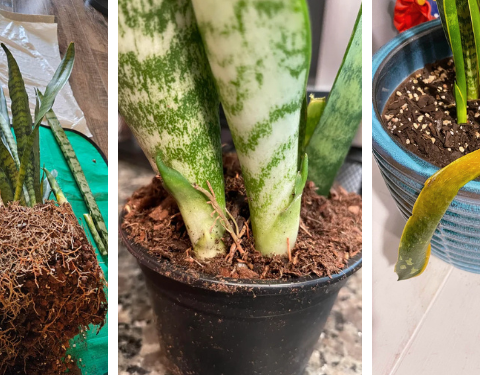
If you suspect rot, stop watering immediately. Allow soil to dry fully. If symptoms worsen, remove the plant from the pot and inspect roots. Healthy roots are firm and white; rotting roots are dark and mushy.
Mistake #9: Expecting Visible Growth This Month
Many people worry their snake plant “isn’t growing” in February and try to fix it with water, fertilizer, or repotting.
This usually creates problems rather than solving them.
What to do instead
Accept that February is a maintenance month. No growth is normal. Focus on stability, not stimulation. Growth will resume naturally as days lengthen.
What Healthy Snake Plant Care Looks Like in February
A well-cared-for snake plant in February will:
- Hold its shape
- Maintain firm, upright leaves
- Show no new growth – and that’s okay
- Have completely dry soil between waterings
This quiet stability is exactly what you want.
Preparing Your Snake Plant for Spring (Without Forcing It)
February is the time to set conditions, not force change.
Simple supportive steps include:
- Improving light exposure
- Reducing watering frequency
- Ensuring proper drainage
- Monitoring temperature stability
These small adjustments allow the plant to transition smoothly into active growth when spring arrives.
Snake plants are tough, but February is the month that tests that toughness. Most problems don’t come from neglect – they come from too much care at the wrong time.