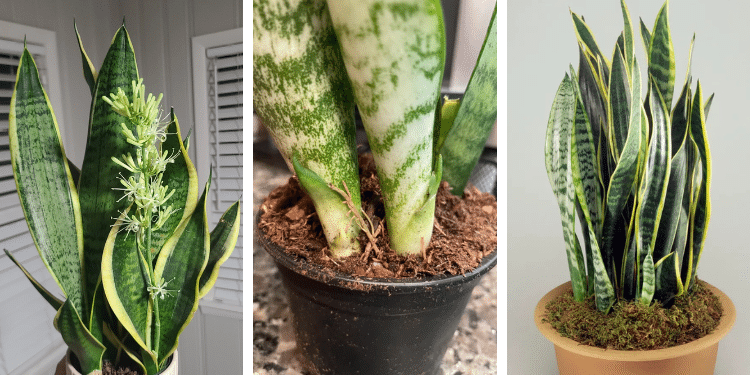
Snake plants (Sansevieria), also known as mother-in-law’s tongue, are famous for being nearly indestructible.
But winter – especially December – is the month when they slow down dramatically, entering a semi-dormant phase.
While the plant’s needs become minimal, the care you provide now determines how healthy, vibrant, and fast-growing it will be once spring returns.
If you want bigger leaves, faster growth, and a stronger plant next season, December is the month to set the foundation.
These five essential care steps will protect your snake plant through winter and help it rebound with powerful new growth as soon as the days get longer.
Why December Care Matters for Snake Plants
Snake plants don’t grow much in winter, but they are quietly preparing for the next growth cycle. The right December care helps:
- prevent root rot during cold months
- stabilize the plant’s internal moisture levels
- protect roots from cold shock
- set a strong foundation for spring growth
- keep leaves firm, upright, and glossy
Even though this plant is tough, it’s not immune to winter stress. December care is all about keeping the plant healthy – not forcing growth.
1. Reduce Watering to a Minimum
The #1 cause of winter snake plant decline is overwatering. In December, soil stays wet much longer because temperatures drop and light levels decrease.
Snake plants store water in their thick leaves, so they simply don’t need much moisture this month.
What to do in December:
- Water only when the soil is completely dry, top to bottom.
- For most homes, this means watering every 3–6 weeks.
- Always use warm water, not cold.
- Let excess water drain fully from the pot—never leave it sitting in a saucer.
Why this helps growth later:
Dry winter conditions prevent root rot. Healthy roots = fast spring growth.
2. Give the Plant More Light (Even If It Seems Fine)
Snake plants tolerate low light, but they do not grow in low light – especially in winter. December offers the weakest sunlight of the year, and the plant struggles internally if light levels drop too much.
Best December lighting tips:
- Move your snake plant closer to a bright window.
- East- or south-facing windows are ideal.
- Clean dust off the leaves to improve light absorption.
- Avoid direct harsh midday sun, which can scorch in some climates.
If your home has dim winter lighting, consider a small LED grow light for 2–4 hours daily.
Why this helps growth:
Even in dormancy, snake plants need light to maintain strong chlorophyll levels. This leads to faster, healthier growth in spring.
3. Keep It Warm – Avoid Cold Floors and Drafts
Snake plants are tropical succulents. Cold air, drafts, and chilly floors can shock the roots and stop all growth.
December temperature rules:
- Keep indoor temps between 65–80°F (18–26°C).
- Never expose the plant to temps below 50°F (10°C).
- Move it off cold floors – place on a plant stand or insulation mat.
- Keep away from drafty windows, doors, or AC vents.
- Do not let leaves touch freezing window glass.
Why this helps growth:
Warm roots stay active, allowing the plant to store energy for its spring growth spurt.
4. Stop Fertilizing Completely
Fertilizing in December is one of the biggest mistakes people make. Snake plants cannot use fertilizer during their dormant period, and the nutrients accumulate in the soil, damaging the roots.
What to do:
- Avoid all fertilizers from October through February.
- Resume feeding only when the plant shows new growth in spring.
Why this helps growth:
Preventing nutrient burn keeps the root system strong and prepared for heavy feeding in the active growing months.
5. Improve Airflow & Check Soil Health
Snake plants love stable, fresh airflow. Stagnant winter air can lead to fungal issues, soggy soil, and droopy leaves.
December is the perfect month to evaluate your plant’s soil and potting conditions – without repotting yet.
December soil checklist:
- Touch the soil – does it feel dense, wet, or compacted?
- Smell the soil – any sour odor indicates early root rot.
- Check the pot – does water drain quickly or slowly?
If your soil stays wet longer than 10–14 days, it’s too dense for winter.
Improve airflow by:
- Placing the plant in a room with gentle air circulation
- Avoiding humidifiers directly next to the plant
- Rotating the pot weekly for even leaf exposure
Why this helps growth:
Healthy roots, fresh airflow, and proper soil conditions ensure the plant survives winter without stress, leading to explosive growth when spring arrives.
Bonus: Should You Repot a Snake Plant in December?
Never repot in December.
The plant is resting, and disturbing the roots now can cause growth delays or root shock.
The best repotting time is late spring or early summer, when the plant is actively producing new leaves.
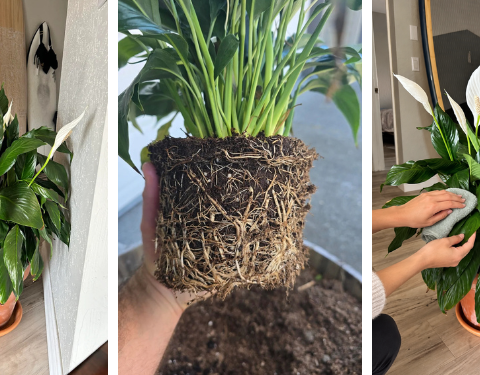
However, December is the perfect time to inspect the root ball or plan for repotting if:
- roots are poking out of drainage holes
- the pot is cracked
- the soil compacts easily
- water puddles on top of the soil
Just don’t repot until warmer months.
Common Winter Problems & How to Fix Them
Wrinkled Leaves
Cause: Underwatering or cold exposure
Fix: Move to warmer location and water lightly.
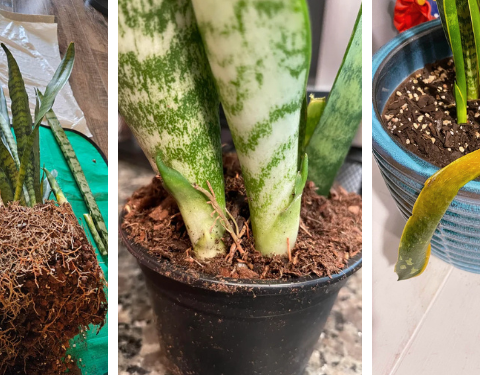
Yellow Leaves
Cause: Overwatering
Fix: Allow soil to dry completely; check for root rot.
Droopy Leaves
Cause: Low light or soggy soil
Fix: Increase light exposure and reduce watering.
Brown Tips
Cause: Dry air or cold drafts
Fix: Move away from drafts; maintain stable temperature.
Snake plants are low-maintenance, but December is the month when they need the most thoughtful care.
With shorter days, colder temperatures, and slower growth, your plant relies on you to protect it from stress and prepare it for spring.