If you’ve ever dreamed of growing roses that never wilt, require minimal care, and look like they’ve been plucked from a fantasy garden, rose succulents might be the magical plant you’ve been waiting for.
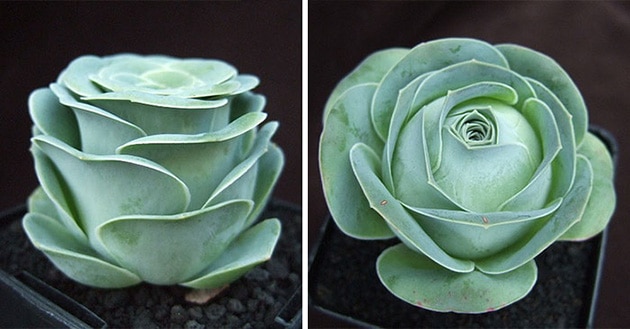
These stunning succulents closely resemble perfectly sculpted roses, with spiraled leaf arrangements that look too beautiful to be real.
Rose succulents are not only real, but they’re also rare, visually striking, and surprisingly easy to care for.
In this article, you’ll discover what rose succulents are, how to grow them, where to buy them, and why they’ve become one of the most sought-after plants for collectors and enthusiasts alike.
What Are Rose Succulents?
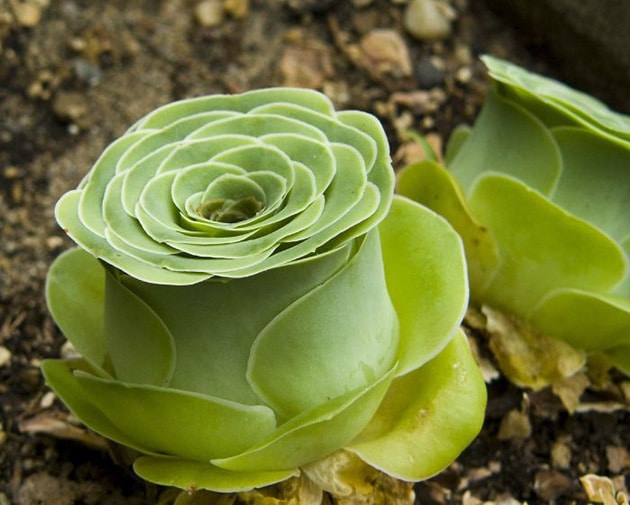
Rose succulents typically refer to the species Greenovia dodrantalis, now often reclassified under the Aeonium genus as Aeonium dodrantale.
These plants are native to the Canary Islands, where they grow in rocky, mountainous environments. Their unique feature is their perfect rosette form, which looks exactly like a rose in full bloom.
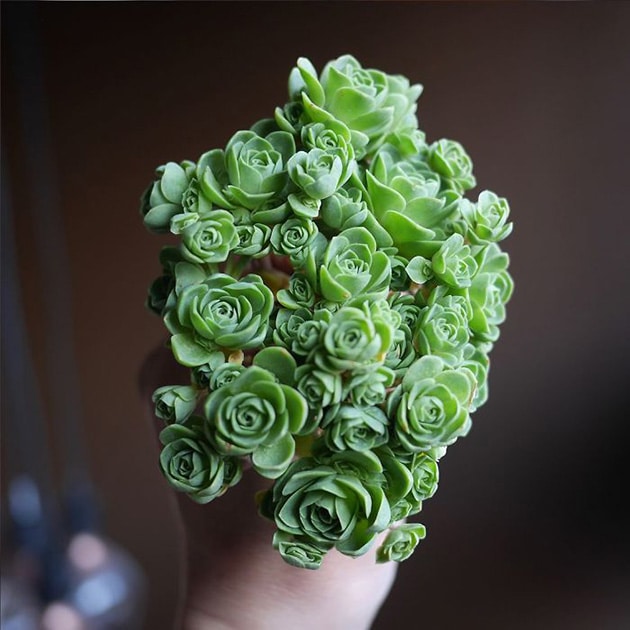
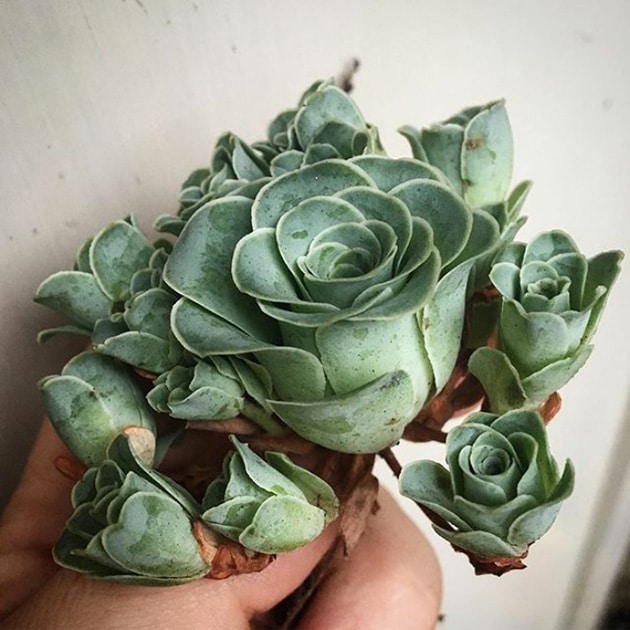
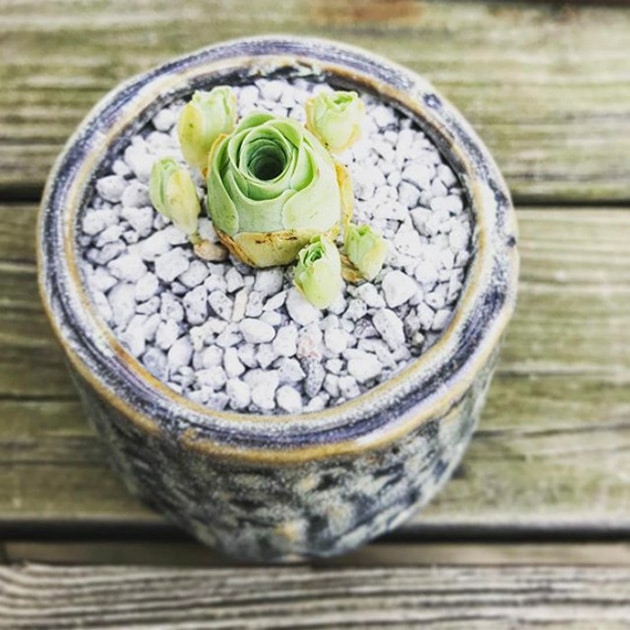
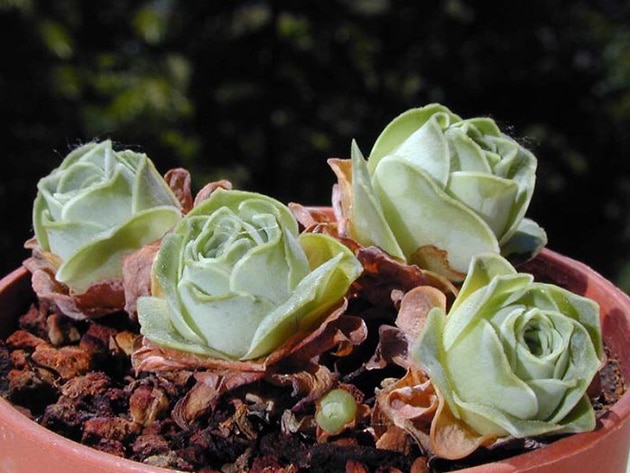
Instead of petals, rose succulents form this iconic shape with fleshy, overlapping leaves. The result is a compact, symmetrical plant that resembles a rose carved from jade or stone.
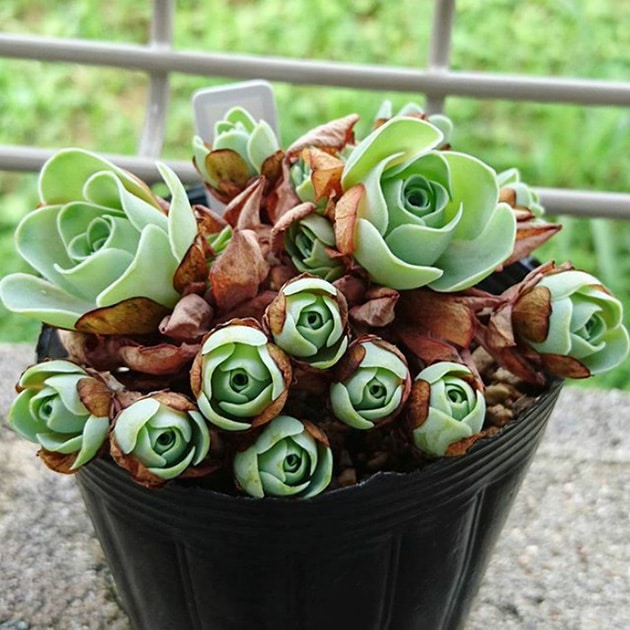
In some conditions, the edges of the leaves develop tinges of pink or red, enhancing their lifelike beauty.
Why Rose Succulents Have Captivated Gardeners
Rose succulents have become a favorite among succulent lovers, houseplant enthusiasts, and rare plant collectors for several compelling reasons:
1. They look like real roses.
Their sculptural appearance mimics rose blooms with remarkable precision, yet they stay compact year-round.
2. They require minimal care.
Like most succulents, rose succulents are drought-tolerant and thrive with infrequent watering.
3. They add visual interest to any space.
Whether in a windowsill, terrarium, or outdoor rock garden, these plants stand out as natural art pieces.
4. They are rare and collectible.
Their limited availability makes them prized additions to any plant collection.
Varieties That Resemble Rose Succulents
While Greenovia dodrantalis is the most well-known, there are several related species and cultivars that offer the same rose-like charm.
Greenovia dodrantalis
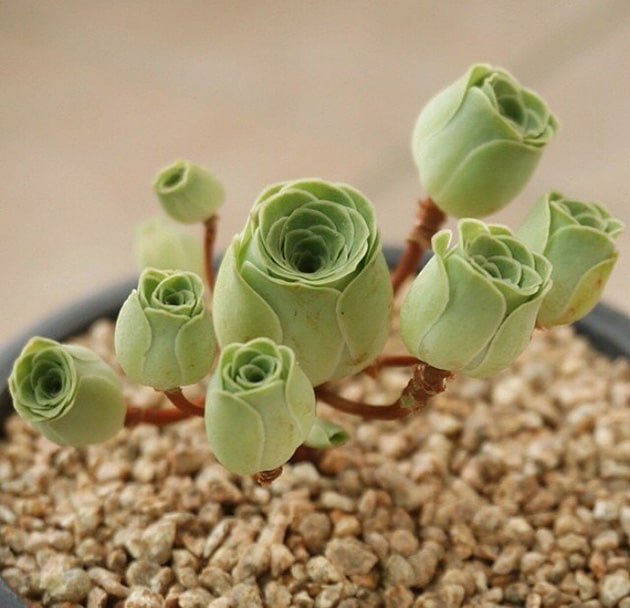
The most iconic rose succulent, typically light green with a compact rosette that mimics a tightly closed rosebud.
Greenovia aurea
A slightly larger variety with looser leaf arrangements and sometimes broader leaves.
Aeonium ‘Roseform’ hybrids
Various hybrids of Aeonium and Echeveria with pronounced rose-like rosettes, available in a range of colors from green to deep red.
How to Grow Rose Succulents
Growing rose succulents is similar to growing other Aeonium species. With the right environment and care routine, these plants can thrive indoors or in temperate outdoor climates.
Light Requirements
-
Prefers bright, indirect light.
-
Can handle some direct sun, especially in the morning or late afternoon.
-
Indoors, place near a bright window with filtered sunlight.
Soil
-
Requires well-draining soil, such as cactus or succulent potting mix.
-
Add perlite or coarse sand to enhance drainage if needed.
Watering
-
Water deeply, then allow the soil to dry out completely before watering again.
-
Reduce watering significantly during the winter when the plant may go dormant.
-
Avoid letting water sit in the center of the rosette to prevent rot.
Temperature and Humidity
-
Ideal temperatures: 65°F to 80°F (18°C to 27°C).
-
Not frost-tolerant. Must be brought indoors or protected during cold weather.
-
Prefers dry to moderate humidity levels.
Propagation
-
Produces offsets or “pups” at the base of the mother plant.
-
These can be removed and replanted once they’ve developed a few leaves of their own.
Do Rose Succulents Bloom?
Yes, rose succulents can bloom, though it is rare and typically happens after several years. The flowers are small and usually yellow, appearing on a tall stalk that emerges from the center of the rosette.
Like many monocarpic succulents, the rosette that blooms may die back after flowering. However, offsets often form around the base and continue growing.
Where to Buy Rose Succulents
Rose succulents are considered rare, so they are not commonly found in standard garden centers. However, they can be sourced from:
-
Specialty succulent nurseries
-
Online plant shops and marketplaces (such as Etsy)
-
International sellers in Europe, particularly Spain or the Canary Islands
-
Rare plant auctions and collector communities
When purchasing, always verify the seller’s reputation and ensure that plants are shipped from pesticide-free sources and with proper care instructions.
Creative Ways to Display Rose Succulents
These plants deserve to be displayed where their beauty can be appreciated up close. Consider these ideas:
-
Use in minimalist ceramic pots for modern decor.
-
Place in open terrariums with sand, stones, or moss for a fairytale aesthetic.
-
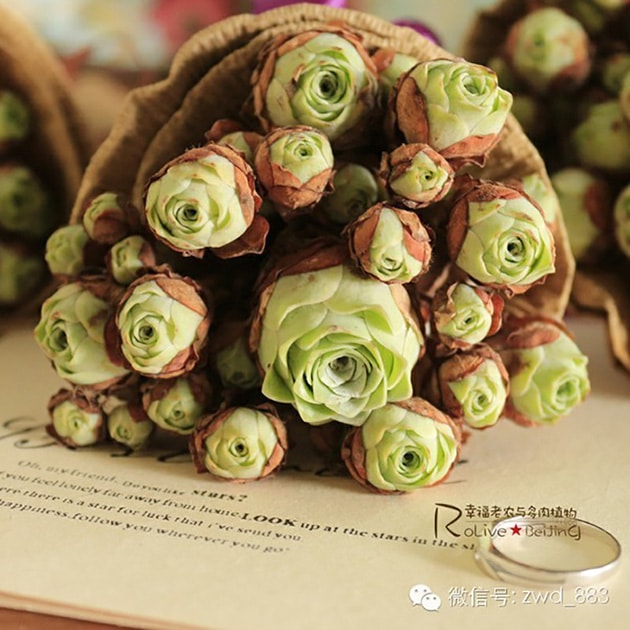
Incorporate into wedding bouquets, living jewelry, or gift arrangements.
-
Add to windowsills, coffee tables, or desks where light is abundant.
Because they grow slowly and stay compact, they are ideal for small spaces and decorative containers.
Rose succulents are proof that nature is capable of creating art.
With their delicate form, sculptural symmetry, and enduring beauty, these plants are more than just a botanical novelty — they are a living piece of design that elevates any plant collection.
Whether you’re a succulent enthusiast or a beginner looking for something unique, rose succulents are a low-maintenance way to bring elegance and enchantment into your home.