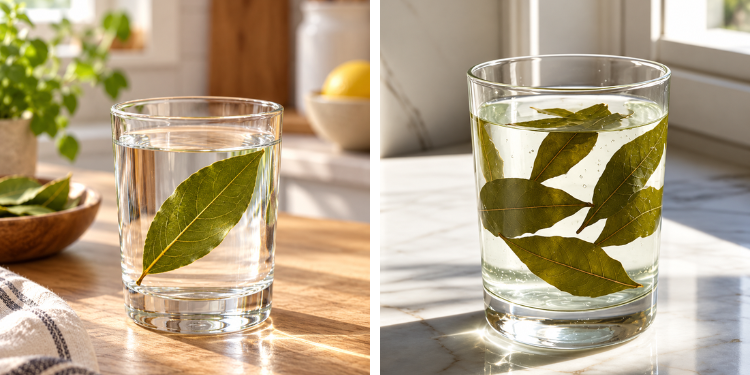
Bay leaves (Laurus nobilis) are a familiar staple in kitchens around the world. Known for their aromatic, woodsy flavor, they are traditionally simmered in soups, stews, and braises to add depth to hearty dishes.
Beyond culinary traditions, a growing wellness trend has emerged: soaking or steeping a bay leaf in a glass of water.
While placing a leaf in water might seem like a simple ritual, it blends traditional Mediterranean folk medicine with modern interest in plant-based infusions.
Whether prepared as a cool infused water or steeped as a warm herbal tea, bay leaf water offers digestive benefits, stress relief, and subtle metabolic support.
The Chemistry: What Happens When Bay Leaves Steep in Water?
The bay tree’s leaves contain a rich concentration of volatile essential oils, polyphenols, and antioxidants. When submerged in warm or room-temperature water, these active compounds leach into the liquid, creating a subtle herbal infusion.
1. Essential Oils and Terpenes
-
Eucalyptol (1,8-cineole): A key aromatic compound found in bay leaves that gives them a distinct, herbaceous scent. It helps clear nasal passages, relaxes smooth muscle tissue, and supports respiratory health.
-
Linalool: A terpene also prevalent in lavender, linalool is widely recognized for its ability to calm the central nervous system, lower anxiety, and reduce cortisol levels.
-
Eugenol: A compound with natural anti-inflammatory and mild analgesic (pain-relieving) properties that can soothe digestive discomfort.
2. Polyphenols and Antioxidants
Bay leaves are packed with caffeic acid, rutin, and quercetin – potent antioxidants that protect cells from oxidative stress, reduce systemic inflammation, and support cardiovascular health.
4 Reasons People Drink or Keep Bay Leaf Water
1. Soothing Digestive Discomfort and Bloating
One of the most common reasons people drink bay leaf water is to support digestion. The essential oils in bay leaves stimulate the secretion of digestive enzymes, helping the gastrointestinal tract break down complex proteins efficiently.
Drinking bay leaf water after meals can ease gas, reduce abdominal bloating, and calm acid reflux.
2. Stress Relief and Aromatherapy Support
The combination of linalool and eucalyptol makes bay leaf water naturally soothing. Inhaling the gentle steam while drinking bay leaf water activates olfactory receptors, promoting a sense of calm and helping settle an anxious mind before bed.
3. Supporting Blood Sugar and Metabolic Balance
Research into Laurus nobilis suggests that regular consumption of bay leaf extract can assist with glucose metabolism.
Polyphenols in the leaves support insulin sensitivity, helping stabilize blood sugar spikes following carbohydrate-rich meals.
4. Natural Household Pest Deterrent
Not all bay leaf water is for drinking! In home care, placing a dish or glass of bay leaf water near kitchen counters or pantry shelves serves as an eco-friendly pest deterrent.
The concentrated eucalyptol scent naturally repels ants, pantry moths, and cockroaches without synthetic chemicals.
Bay Leaf Infusion Methods Compared
| Method | Preparation Time | Water Temperature | Key Benefits |
| Warm Bay Leaf Tea | 10 – 15 mins | Hot (190 – 200F) | Best for digestion, gas relief, & immediate relaxation |
| Cold-Infused Water | 4 – 8 hours | Room temp / Chilled | Subtle daily hydration, light antioxidant boost |
| Pest Deterrent Dish | Instant | Room temp | Repels ants, moths, and pantry bugs naturally |
Step-by-Step: How to Make Bay Leaf Water at Home
Making bay leaf water is quick and inexpensive. Follow these simple steps for the best results:
Important Precautions
-
Remove Whole Leaves: Always strain out the whole bay leaf before drinking. Whole or rigid leaf fragments can pose a choking hazard or irritate the esophagus if swallowed.
-
Moderation is Key: Drinking 1 to 2 cups of bay leaf water daily is safe for most healthy adults. Pregnant or nursing individuals, or those taking blood sugar medication, should consult their healthcare provider before using herbal infusions regularly.
Putting a bay leaf in a glass of water is an easy, natural habit that brings traditional plant wisdom into your modern daily routine for better digestion, calm, and hydration.