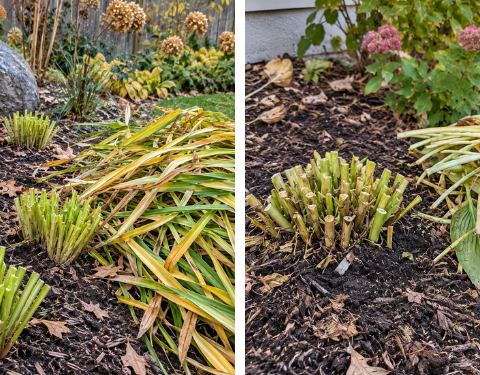
Gardening is a rewarding hobby that not only beautifies your outdoor space but also provides fresh, organic produce right at your fingertips.
Imagine planting fruits and vegetables that come back year after year, saving you time, money, and effort.
These perennial plants are a gardener’s dream, offering a sustainable and low-maintenance way to enjoy homegrown food.
In this article, we’ll explore 19 fruits and veggies you can plant in your garden that will return season after season, ensuring a bountiful harvest for years to come.
What Are Perennial Fruits and Vegetables?
Perennial plants are those that live for more than two years, unlike annuals that complete their life cycle in one growing season.
Perennials establish deep root systems, making them more resilient to drought and pests. Once planted, they require minimal care and continue to produce food year after year.
Incorporating perennial fruits and vegetables into your garden is a smart way to create a sustainable, low-maintenance food source.
19 Perennial Fruits and Veggies to Plant in Your Garden
1. Asparagus
Asparagus is a classic perennial vegetable that can produce for up to 20 years when properly cared for. Plant asparagus crowns in well-drained soil and full sun.
It takes a few years to establish, but once it does, you’ll enjoy tender spears every spring.
2. Rhubarb
Rhubarb is a hardy perennial that thrives in cooler climates. Its tart stalks are perfect for pies, jams, and desserts. Plant rhubarb in rich, well-drained soil and give it plenty of space to grow.
Avoid harvesting in the first year to allow the plant to establish.
3. Strawberries
Strawberries are a favorite among gardeners because they’re easy to grow and produce sweet, juicy berries.
Choose June-bearing or everbearing varieties and plant them in well-drained soil with plenty of sunlight. Strawberry plants will spread and produce runners, creating a lush ground cover.
4. Blueberries
Blueberry bushes are long-lived perennials that provide delicious, antioxidant-rich berries.
They prefer acidic soil and full sun. With proper care, blueberry bushes can produce fruit for decades.
5. Raspberries
Raspberries are another perennial favorite, offering a summer bounty of sweet or tart berries.
Plant them in well-drained soil and full sun. Prune regularly to encourage healthy growth and maximize yields.
6. Blackberries
Blackberries are hardy perennials that grow well in a variety of climates.
They require full sun and well-drained soil. Like raspberries, blackberries need regular pruning to keep them productive.
7. Grapes
Grapevines are perennial plants that can produce fruit for over 50 years. They need a sturdy trellis or arbor for support and thrive in well-drained soil and full sun.
Grapes are perfect for fresh eating, juicing, or winemaking.
8. Apples
Apple trees are a long-term investment that can provide fruit for generations.
Choose disease-resistant varieties and plant them in well-drained soil with plenty of sunlight. Dwarf varieties are ideal for smaller gardens.
9. Pears
Pear trees are another low-maintenance perennial fruit tree.
They prefer well-drained soil and full sun. Like apples, pears can live for decades and produce abundant harvests.
10. Cherries
Cherry trees are a beautiful addition to any garden, offering both ornamental value and delicious fruit.
Sweet and sour cherry varieties are available, and they thrive in well-drained soil and full sun.
11. Plums
Plum trees are hardy perennials that produce sweet, juicy fruit.
They’re relatively low-maintenance and grow well in a variety of climates. Plant them in well-drained soil and full sun for best results.
12. Figs
Fig trees are heat-loving perennials that thrive in warm climates. They can be grown in containers in cooler regions and brought indoors during winter.
Figs are easy to grow and produce sweet, nutrient-rich fruit.
13. Artichokes
Artichokes are perennial vegetables that add a unique flavor to your garden.
They prefer well-drained soil and full sun. In colder climates, artichokes may need to be grown as annuals or protected during winter.
14. Horseradish
Horseradish is a hardy perennial root vegetable that’s easy to grow.
Plant it in a sunny spot with well-drained soil. The roots can be harvested and used to make spicy condiments.
15. Garlic
Garlic is a perennial vegetable that’s often grown as an annual. However, if left in the ground, it will regrow year after year.
Plant garlic cloves in well-drained soil and full sun for a steady supply of fresh garlic.
16. Kale
While kale is typically grown as an annual, it can behave as a perennial in milder climates.
Regular harvesting encourages new growth, and the plant can survive for several years with proper care.
17. Sorrel
Sorrel is a leafy green perennial vegetable with a tangy, lemony flavor.
It grows well in partial shade and moist soil. Harvest the leaves regularly to encourage new growth.
18. Chives
Chives are a perennial herb that’s easy to grow and adds a mild onion flavor to dishes.
Plant them in well-drained soil and full sun. Chives will spread and come back year after year.
19. Mint
Mint is a hardy perennial herb that’s perfect for teas, cocktails, and cooking.
It grows vigorously and can become invasive, so it’s best to plant it in containers or designated areas.
Tips for Growing Perennial Fruits and Vegetables
- Choose the Right Location: Most perennials prefer well-drained soil and full sun. Select a spot in your garden that meets these requirements.
- Prepare the Soil: Amend the soil with compost or organic matter to improve fertility and drainage.
- Mulch: Apply mulch around your plants to retain moisture, suppress weeds, and regulate soil temperature.
- Prune Regularly: Pruning helps maintain plant health and encourages productive growth.
- Be Patient: Some perennials, like asparagus and rhubarb, take a few years to establish before producing a full harvest.
Benefits of Growing Perennial Fruits and Vegetables
- Sustainability: Perennials require fewer resources like water and fertilizer compared to annuals.
- Low Maintenance: Once established, perennials need minimal care.
- Soil Health: Perennials improve soil structure and prevent erosion with their deep root systems.
- Cost-Effective: Save money by planting once and harvesting for years.
Incorporating perennial fruits and vegetables into your garden is a smart and sustainable way to enjoy fresh produce year after year.
From asparagus and rhubarb to blueberries and apple trees, these plants offer a low-maintenance, cost-effective solution for home gardeners.