Do you love houseplants but feel like you’re cursed with a black thumb? No matter how often you water, fertilize, or reposition your plants, they still wilt, fade, or die—and all you can do is watch helplessly.
Don’t worry—you’re not alone. Many people struggle with houseplant care, especially when starting out.
The good news? Not all indoor plants are high-maintenance divas. Some are incredibly resilient, practically thriving on neglect and perfect for beginners who want to enjoy greenery without the stress.
These hardy plants tolerate low light, inconsistent watering, and varying temperatures—making them ideal even for those with the busiest schedules.
If you’re ready to turn your plant luck around, start with these four nearly indestructible houseplants that will forgive your mistakes and still brighten up your home.
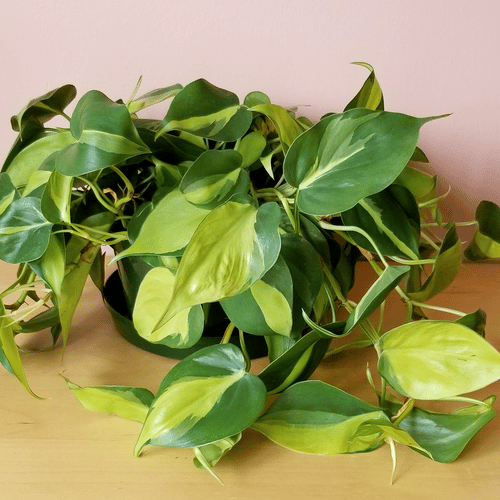
1. Heart-Leaf Philodendron (Philodendron hederaceum)
Why it’s great for beginners:
The Heart-Leaf Philodendron is beloved for its lush, trailing vines and elegant, heart-shaped leaves. It’s adaptable, low-fuss, and extremely tolerant of neglect.
Care Tips:
- Light: Thrives in low to moderate indirect light. Avoid direct sunlight, which can scorch the leaves.
- Watering: Water when the top inch of soil is dry. It’s better to underwater than overwater.
- Humidity: Enjoys higher humidity but tolerates dry indoor air well.
- Maintenance: Wipe leaves occasionally to remove dust and help it breathe. Prune to encourage bushier growth.
- Toxicity Warning: Toxic to cats and dogs—keep out of reach of pets.
Fun Fact:
Philodendrons can grow long vines that are perfect for hanging baskets or trailing from shelves. You can also propagate cuttings easily in water to grow new plants.
Similar easy-care plants: English Ivy, Coleus (ornamental nettle), and Wild Apricot (Clusia rosea).
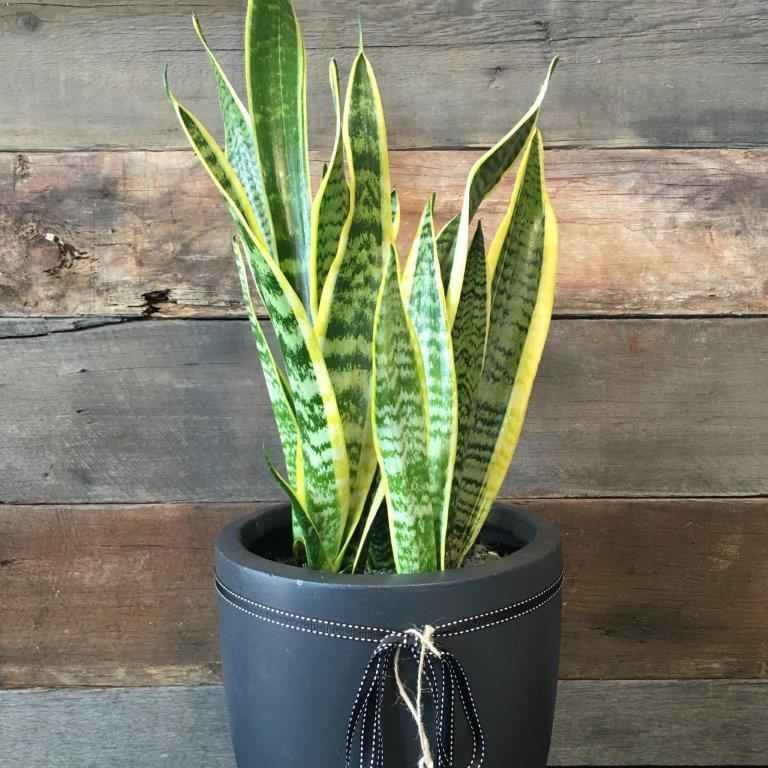
2. Snake Plant (Sansevieria trifasciata)
Also known as: Mother-in-Law’s Tongue
Why it’s great for beginners:
Snake plants are nearly impossible to kill. With sword-like, upright leaves and bold striping, they’re as visually striking as they are resilient. Snake plants thrive on neglect and can survive a wide range of light and moisture conditions.
Care Tips:
- Light: Tolerates everything from bright light to near-darkness, though indirect sunlight is ideal.
- Watering: Only water when the soil is completely dry. In winter, water just once a month.
- Humidity: Prefers dry air and low humidity—a perfect match for indoor environments.
- Temperature: Can tolerate heat and cold but should be protected from frost.
- Maintenance: Virtually none! Wipe leaves occasionally and watch for root rot from overwatering.
Pro Tip:
Snake plants are known for their air-purifying properties, making them perfect for bedrooms and offices. Place them near radiators in winter—they don’t mind the heat.
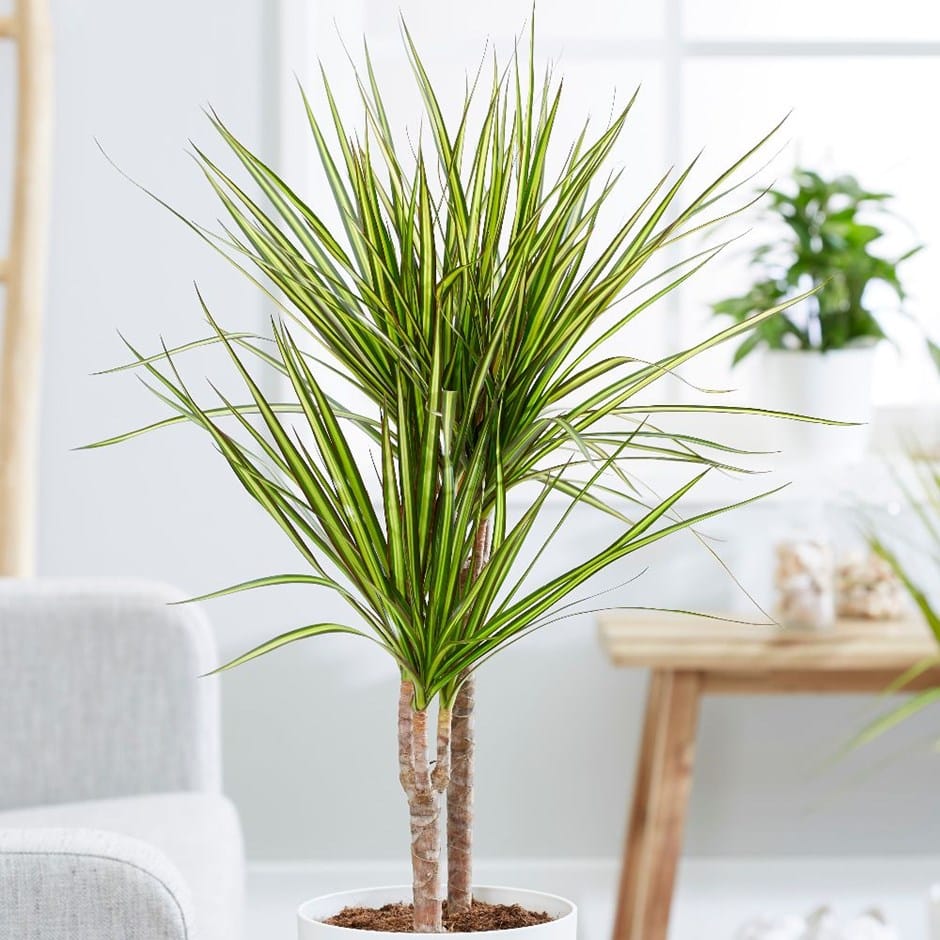
3. Dracaena (Dracaena marginata, Dracaena fragrans)
Also known as: Dragon Tree or Tree of Life
Why it’s great for beginners:
Dracaena is a slow-growing, architectural plant with long, narrow leaves. It adds a modern, tropical touch to your home and tolerates less-than-perfect care.
Care Tips:
- Light: Prefers bright, indirect light but tolerates lower light levels. Avoid direct sun, which can burn its leaves.
- Watering: Water only when the top 1–2 inches of soil is dry. Cut watering by half in winter.
- Temperature: Keep the room above 15°C (59°F). Cold drafts and low temps can cause leaf drop.
- Airflow: Avoid placing in hallways or stairwells where airflow is strong—Dracaenas prefer more stable environments.
- Maintenance: Wipe the leaves occasionally and remove any brown tips. Use filtered water if your tap water is high in fluoride.
Fun Fact:
Some Dracaena species can live for decades! One plant in Tenerife is estimated to be over 1,000 years old.
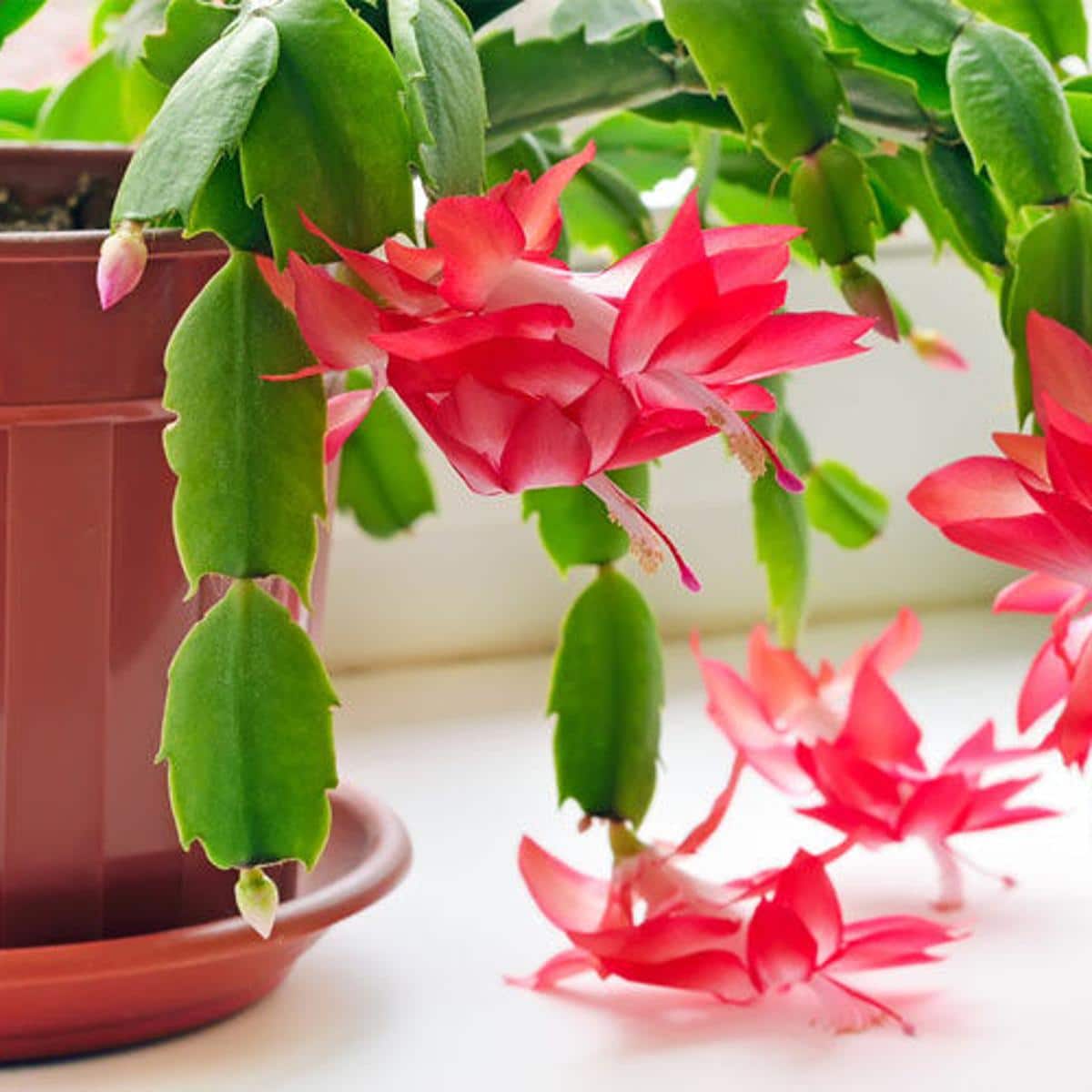
4. Christmas Cactus (Schlumbergera spp.)
Why it’s great for beginners:
The Christmas Cactus is a festive, flowering plant that’s easy to care for and blooms beautifully with minimal attention. With arching, segmented stems and bright flowers, it adds cheerful color to any indoor setting.
Care Tips:
- Light: Prefers bright, indirect light. A north or east-facing window is ideal.
- Watering: Keep the soil lightly moist—water more in summer and less in winter. Avoid waterlogged soil.
- Temperature: Ideal indoor range is 18–22°C (64–72°F). It enjoys stable, warm environments.
- Humidity: Appreciates a bit of extra humidity, especially during flowering season.
- Bloom Boost: A slight temperature drop and darkness in the evening can encourage blooms near the holiday season.
Pro Tip:
While it’s not a desert cactus, the Christmas Cactus is native to Brazilian rainforests, meaning it prefers humidity and consistent watering over arid conditions.
Bonus Tips for Beginner Plant Parents
-
Don’t Overwater: This is the number one reason houseplants die. Most indoor plants prefer slightly dry conditions over soggy soil.
-
Use Well-Draining Soil: Always choose potting mix made for houseplants and ensure your pots have drainage holes.
-
Rotate Your Plants: Turn them every few weeks so all sides receive equal light and stay balanced in shape.
-
Keep It Simple: Start with just one or two plants until you build confidence in your care routine.
If your houseplant journey so far has been filled with brown leaves and disappointment, don’t give up!
With the right low-maintenance varieties like Heart-Leaf Philodendron, Snake Plant, Dracaena, and Christmas Cactus, you can enjoy a thriving indoor jungle—without the stress or guilt.
These resilient, forgiving plants are perfect for busy individuals, beginners, or anyone who just wants a greener home with minimal upkeep.
Add one (or a few) to your space and experience the joy of plants that thrive even when you forget to water them once in a while.