Imagine if simply adding a few green friends to your home could help you breathe easier, reduce stress, and improve your health. Good news – it can!
Houseplants aren’t just décor. Many plants are powerful natural air purifiers, acting like “oxygen bombs” that clean indoor air and boost oxygen levels.
In today’s world, where we spend up to 90% of our time indoors, having plants that actively filter toxins and release fresh oxygen is a game changer for your well-being.
From formaldehyde to benzene, countless pollutants lurk unseen in our homes, emitted by furniture, paints, cleaning products, and electronics.
Why Indoor Air Needs Purification
Indoor air often contains higher concentrations of pollutants than outdoor air, thanks to modern living.
These include:
- Volatile organic compounds (VOCs) from paints, varnishes, and cleaning agents
- Toxins like formaldehyde from furniture and carpets
- Mold spores and airborne bacteria
- Carbon dioxide buildup from human respiration in poorly ventilated rooms
Over time, exposure to poor indoor air quality can cause fatigue, headaches, allergies, respiratory problems, and even impact your sleep quality and mental clarity.
Luckily, certain plants absorb these toxins through tiny pores in their leaves and roots, transforming your home into a natural air-filtering haven.
How Plants Clean the Air
Plants purify the air through:
- Photosynthesis: They absorb carbon dioxide and release oxygen, refreshing the indoor air.
- Phytoremediation: Roots and soil microbes break down toxins into harmless byproducts.
- Transpiration: Water vapor released from leaves increases humidity, reducing dust and airborne microbes.
Now, let’s meet the green superstars that excel at this life-saving job.
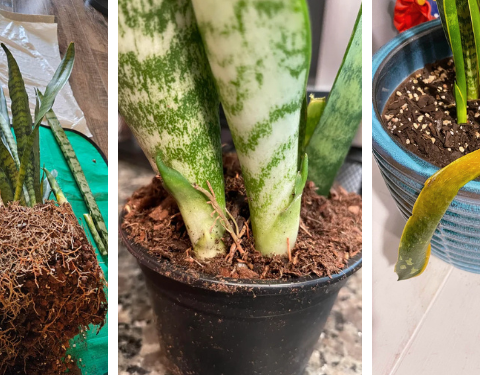
1. Snake Plant (Sansevieria trifasciata)
Also known as mother-in-law’s tongue, the snake plant is one of the best oxygen-producing plants for your home.
- Releases oxygen even at night, making it ideal for bedrooms.
- Filters out formaldehyde, benzene, xylene, and toluene.
- Extremely low-maintenance – thrives on neglect.
Its upright, sword-like leaves add a modern touch to any décor while quietly scrubbing the air.
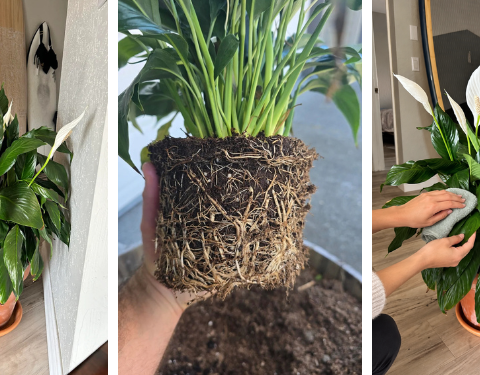
2. Peace Lily (Spathiphyllum wallisii)
With glossy leaves and elegant white blooms, the peace lily is a visual and functional treasure.
- Removes mold spores from the air.
- Effective at filtering formaldehyde, benzene, and trichloroethylene.
- Adds humidity, reducing dry air and dust levels.
Peace lilies can thrive in low-light spaces, making them perfect for bathrooms and shaded rooms.
3. Areca Palm (Dypsis lutescens)
The areca palm is often called the “butterfly palm” due to its feathery fronds.
- Among the top oxygen-producing indoor plants.
- Natural humidifier, adding moisture to dry rooms.
- Filters out formaldehyde, toluene, and xylene.
Ideal for larger spaces, it brings a lush, tropical vibe to living rooms or offices.
4. Spider Plant (Chlorophytum comosum)
This cheerful plant is famous for its air-purifying prowess.
- Filters out carbon monoxide and xylene.
- Easy to propagate and low-maintenance.
- Safe for pets.
Its arching green-and-white leaves make it a popular choice for hanging baskets or shelves.
5. Rubber Plant (Ficus elastica)
The rubber plant is a bold, attractive plant with large glossy leaves.
- Absorbs airborne chemicals and converts CO₂ into oxygen rapidly.
- Breaks down formaldehyde found in household products.
- Prefers bright, indirect light.
Its broad leaves add drama to modern interiors while working hard to cleanse the air.
6. Aloe Vera
More than just a remedy for burns, aloe vera is a powerful oxygen bomb.
- Purifies air of benzene and formaldehyde.
- Releases oxygen at night, improving bedroom air quality.
- Gel can be used for minor cuts and skin care.
Place aloe on sunny windowsills for optimal growth.
7. Boston Fern (Nephrolepis exaltata)
The Boston fern is a lush, old-fashioned plant that’s a superstar air purifier.
- Removes formaldehyde and xylene.
- Adds humidity to dry rooms.
- Thrives in indirect light and moist soil.
Perfect for bathrooms or shaded corners needing a burst of green.
8. Gerbera Daisy (Gerbera jamesonii)
Known for vibrant blooms, gerbera daisies are not just pretty faces.
- Excellent at removing benzene and trichloroethylene.
- Releases high levels of oxygen during the day.
- Brightens rooms with colorful flowers.
Place in bright light for the best blooms and air-cleansing benefits.
9. Bamboo Palm (Chamaedorea seifrizii)
The bamboo palm brings tropical vibes while purifying the air.
- Filters benzene and trichloroethylene.
- Effective at humidifying indoor air.
- Grows well in low light.
A fabulous choice for corners needing height and texture.
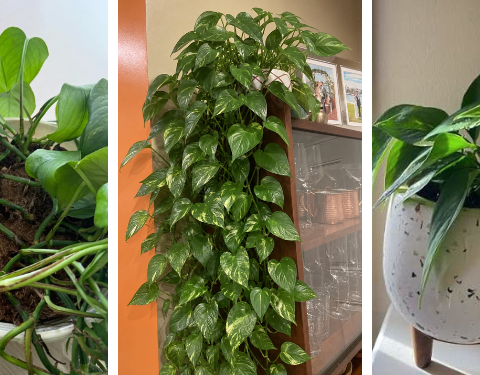
10. Pothos (Epipremnum aureum)
Also called devil’s ivy, pothos is one of the easiest plants for beginners.
- Filters formaldehyde, benzene, and xylene.
- Thrives in low light and tolerates irregular watering.
- Fast-growing and easy to propagate.
Great for hanging baskets or trailing along bookshelves.
11. Chrysanthemum (Chrysanthemum morifolium)
Chrysanthemums are prized for colorful blooms and air-purifying ability.
- Removes benzene, formaldehyde, and ammonia.
- Adds lively color during blooming periods.
- Needs bright light for flowering.
Though flowering may last weeks, their toxin-filtering properties remain strong year-round.
12. Dracaena (Dracaena spp.)
Dracaenas come in many varieties, all excellent air cleaners.
- Absorbs formaldehyde, benzene, trichloroethylene, and xylene.
- Attractive upright foliage suits modern spaces.
- Prefers bright, indirect light.
Dracaenas are versatile for both homes and offices.
13. Chinese Evergreen (Aglaonema spp.)
The Chinese evergreen is a beautiful, low-light plant ideal for beginners.
- Filters benzene and formaldehyde.
- Tolerates low humidity and lower light.
- Striking variegated leaves add color to interiors.
It’s perfect for bedrooms, bathrooms, or shady corners.
Benefits of Oxygen Bomb Plants in Your Home
Bringing these oxygen bombs into your home goes beyond beauty:
- Improved air quality: Removes harmful toxins from household products.
- Better sleep: Certain plants like snake plants release oxygen at night.
- Higher humidity: Plants release water vapor, reducing dry air.
- Mental health boost: Greenery reduces stress and improves mood.
- Noise reduction: Dense foliage can help absorb indoor sound.
Having indoor plants creates a peaceful, healthier environment that benefits both body and mind.
Tips for Growing Air-Purifying Plants
To help your green oxygen bombs thrive:
- Choose the right spot: Some plants love sun, others prefer shade.
- Water appropriately: Many indoor plants prefer slightly dry soil between waterings.
- Clean leaves: Dust can block pores, reducing air-purifying abilities.
- Use quality soil: Well-draining soil prevents root rot.
- Avoid over-fertilizing: Too much fertilizer can harm roots.
Even beginner gardeners can grow most of these plants successfully with a little care.
Are Houseplants Enough to Purify the Air?
While these plants are amazing air filters, they’re not a complete replacement for good ventilation.
NASA studies have shown that in a sealed environment, plants can significantly reduce pollutants.
However, for a typical home, multiple large plants per room are needed for a measurable effect.
Still, plants contribute real benefits:
- They help reduce specific pollutants.
- They increase humidity.
- They improve well-being and reduce stress.
When paired with proper airflow and ventilation, houseplants are a natural and beautiful way to make your indoor environment healthier.
Nature has equipped plants with remarkable abilities – not only to beautify your home but also to protect your health.
These oxygen bomb plants are your allies in creating a cleaner, fresher indoor atmosphere.