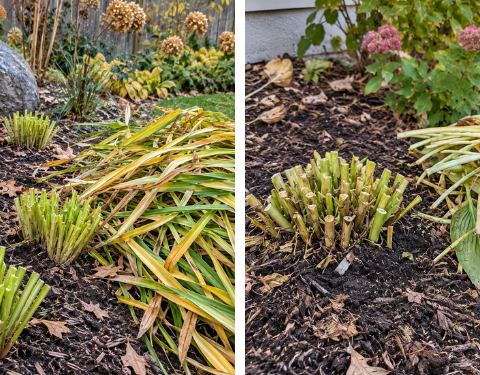
Vinegar is often touted as a natural solution for household cleaning, pest control, and even gardening. While it has its benefits, using vinegar on the wrong plants can cause irreversible damage.
Due to its high acidity, vinegar can burn plant leaves, disrupt soil pH, and hinder nutrient absorption.
In this article, we’ll explore why vinegar can be harmful to certain plants, which plants you should never expose to it, and safe alternatives for natural gardening solutions.
Why Vinegar Can Be Harmful to Plants
Vinegar is highly acidic, with a pH level ranging from 2.4 to 3.0, depending on the concentration.
While this acidity can be useful for killing weeds, it can also harm delicate or non-acid-loving plants in the following ways:
- Leaf Burn – Vinegar dehydrates plant leaves, causing them to brown, curl, and die.
- Root Damage – When vinegar seeps into the soil, it can disrupt root growth, making it difficult for plants to absorb nutrients.
- Soil pH Imbalance – Most plants thrive in soil with a pH between 6.0 and 7.5. Vinegar lowers the pH, making the soil too acidic for certain plants to survive.
- Kills Beneficial Microbes – Healthy soil contains essential microorganisms that support plant growth. Vinegar can destroy these microbes, leading to poor plant health.
Plants You Should Never Use Vinegar On
Certain plants are especially sensitive to acidic substances like vinegar. Here are the ones you should never expose to vinegar if you want them to thrive.
1. Leafy Greens (Lettuce, Spinach, Kale, Swiss Chard)
These plants have delicate leaves that are highly susceptible to vinegar damage. Even a small amount can cause them to wilt and die rapidly.
Avoid vinegar sprays on or near these crops, as it can contaminate the soil and ruin your harvest.
2. Root Vegetables (Carrots, Potatoes, Beets, Radishes)
Root vegetables depend on a stable soil pH for proper growth. If vinegar is introduced into the soil, it can stunt root development and lead to misshapen or weak crops.
Alternative: Use organic compost to maintain soil fertility instead of relying on vinegar-based treatments.
3. Tomatoes, Peppers, and Eggplants
These nightshade plants thrive in neutral to slightly acidic soil (pH 6.0-6.8). Adding vinegar can make the soil too acidic, leading to:
- Poor fruit development
- Blossom end rot
- Yellowing leaves
Never use vinegar as a pesticide or fertilizer for these crops.
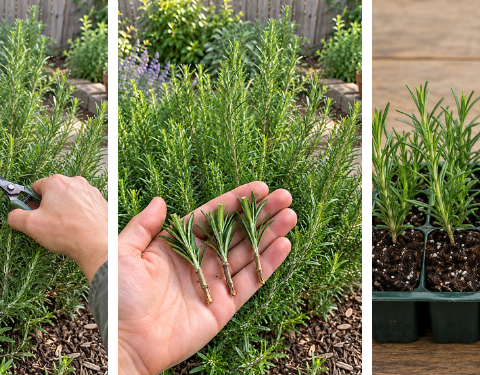
4. Herbs (Basil, Mint, Cilantro, Parsley, Oregano, Thyme)
Herbs generally prefer well-balanced soil and good drainage. Vinegar exposure can cause:
- Burned leaves
- Poor flavor development
- Stunted growth
Spraying vinegar near herbs can damage their delicate leaves and reduce their potency.
5. Hydrangeas
Hydrangeas are pH-sensitive plants that change color based on soil acidity. While some gardeners use vinegar to turn hydrangeas blue, too much acidity can cause leaf scorch, poor flowering, and root damage.
Alternative: Use coffee grounds or aluminum sulfate for gradual pH adjustments instead.
6. Roses
Roses require nutrient-rich, well-draining soil. Vinegar can leach essential nutrients from the soil and lead to weak growth, fewer blooms, and yellowing leaves.
Avoid vinegar sprays on rose bushes, especially in hot weather when plants are more vulnerable to burns.
7. Ferns
Ferns are moisture-loving plants that thrive in neutral to slightly acidic soil. Applying vinegar can disrupt their delicate balance, causing leaf browning, dehydration, and stunted growth.
Alternative: If you need a natural pest deterrent for ferns, use neem oil instead.
8. Orchids
Orchids are tropical plants that require stable humidity and proper nutrient balance. Vinegar can disrupt their nutrient absorption, leading to:
- Root rot
- Leaf spotting
- Reduced flowering
Never use vinegar-based fertilizers or cleaning solutions on orchids.
9. Aloe Vera and Succulents
Succulents and aloe vera thrive in well-draining, slightly alkaline soil. Vinegar can over-acidify their environment, causing:
- Root rot
- Leaf discoloration
- Slow or stunted growth
Never use vinegar as a weed killer near succulents, as even indirect exposure can harm them.
Safe Alternatives to Vinegar for Gardening
If you’re looking for natural solutions for weed control, pest management, or soil amendments, consider these vinegar-free alternatives:
For Weed Control:
Boiling Water – Pouring boiling water on weeds effectively kills them without harming surrounding plants.
Mulching – Adding a thick layer of mulch prevents weeds from growing by blocking sunlight.
Corn Gluten Meal – Works as a natural pre-emergent herbicide, preventing weed seeds from sprouting.
For Pest Control:
Neem Oil – A natural insecticide that repels pests without harming plants.
Diatomaceous Earth – Kills soft-bodied insects like aphids and caterpillars.
Garlic Spray – A homemade garlic spray can deter pests without affecting soil pH.
For Soil pH Adjustment:
Lime or Wood Ash – Raises soil pH for plants that need less acidity.
Sulfur or Peat Moss – Lowers soil pH naturally without shocking plant roots.
While vinegar can be a useful tool for cleaning and killing weeds, it should never be used on certain plants, as it can cause severe damage.
Avoid using vinegar on leafy greens, root vegetables, nightshades, herbs, and delicate flowering plants. Instead, opt for safer natural alternatives to maintain a healthy and thriving garden.
By understanding how vinegar affects different plants, you can make informed gardening choices and keep your plants lush, vibrant, and thriving year-round!
🔔 Have you ever used vinegar in your garden? Share your experiences in the comments!