Vinegar is often hailed as one of the most powerful and versatile natural products in the home gardener’s toolbox.
It’s cheap, non-toxic, biodegradable, and widely available – and when used correctly, it can kill weeds, clean garden tools, and even deter pests.
But here’s the catch: vinegar is also an acid, and while that acidity can be beneficial in some specific scenarios, it can also severely harm or kill many plants if applied incorrectly or indiscriminately.
Why Vinegar Can Be Dangerous to Plants
Before we dive into the specific plants that are most at risk, it’s crucial to understand why vinegar can be so harmful. It all comes down to its acetic acid content.
1. Acetic Acid Burns Plant Tissue
Vinegar contains acetic acid, which typically ranges from 5% in household vinegar to 20–30% in horticultural vinegar.
While that might not sound like much, it’s strong enough to:
- Burn plant leaves and stems on contact
- Strip away protective waxy coatings
- Disrupt photosynthesis and water regulation
- Kill delicate young tissues within hours
Think of vinegar as a contact herbicide – it destroys what it touches, whether it’s a dandelion or your prized hydrangea.
2. Alters Soil pH and Microbial Life
Vinegar’s acidity doesn’t just affect plant tissue – it also alters the soil ecosystem. Pouring vinegar on or near plants can:
- Lower soil pH drastically, making it inhospitable for many plants
- Kill beneficial soil microbes that support plant health
- Disrupt nutrient availability, leading to deficiencies
This is especially problematic for neutral- to alkaline-loving plants, which may suffer nutrient lockout or root damage even after a single application.
3. Damages Root Systems
Because vinegar is water-soluble, it doesn’t always stay on the surface. It can seep into the soil and damage root systems.
Root burn often goes unnoticed at first but leads to stunted growth, yellowing leaves, wilting, or death weeks later.
When Vinegar Can Be Useful
There are a few situations where vinegar can be used safely in the garden – but they must be handled with precision:
- Weed control in areas far away from desirable plants
- Soil acidification for acid-loving plants (only with heavy dilution and careful monitoring)
- Tool sterilization and cleaning containers
- Natural pest repellent on garden paths (not on plants themselves)
If you’re unsure whether it’s safe – don’t use vinegar directly on your plants.
Plants That Should Never Be Exposed to Vinegar
While all plants can suffer damage from vinegar in large amounts, certain species are particularly sensitive. These plants should never come into contact with vinegar, even in diluted form.
1. Tender Leafy Vegetables (Lettuce, Spinach, Arugula, Kale)
These are among the most vulnerable plants in the garden because their thin, delicate leaves have no protective cuticle to shield them from acetic acid.
Even a light misting can cause:
- Leaf burn within hours
- Wilting and desiccation due to disrupted water regulation
- Stunted growth or complete plant death
Why they’re at risk: Leafy greens have high transpiration rates and soft tissue that readily absorbs acids. Their shallow root systems also make them vulnerable to soil pH changes.
What to do instead:
- Use water sprays with mild soap for pest control instead of vinegar.
- Hand-weed around greens rather than spraying.
- Use mulch to suppress weeds instead of acidic herbicides.
2. Fruiting Vegetables (Tomatoes, Peppers, Eggplants)
These plants are more robust than leafy greens, but they’re still sensitive to acidic sprays, especially during their growing and flowering phases.
Damage caused by vinegar:
- Leaf scorch and premature leaf drop
- Flower abortion due to stress
- Reduced fruit yield or fruit cracking
- Root damage if vinegar seeps into the soil
Why they’re at risk: Tomatoes and peppers prefer slightly acidic to neutral soil (pH 6.0–7.0). Vinegar can lower pH too quickly, stressing the plant and disrupting nutrient uptake (especially calcium and magnesium).
Safe alternatives:
- Neem oil or insecticidal soap for pest control.
- Manual removal of weeds.
- Vinegar application only on garden paths, never near the root zone.
3. Beans and Legumes
Legumes like beans, peas, and lentils rely heavily on symbiotic bacteria in their root nodules to fix nitrogen.
Vinegar’s antimicrobial properties can wipe out these beneficial microbes, severely impacting plant health.
Common signs of vinegar damage:
- Yellowing leaves from nitrogen deficiency
- Reduced pod production
- Slowed or stunted growth
Alternative approach:
- Mulch to suppress weeds.
- Target pests with beneficial insects or mild organic sprays instead of acidic solutions.
4. Herbs (Basil, Cilantro, Parsley, Dill)
Most culinary herbs are soft-tissued and highly aromatic – and vinegar can quickly destroy their delicate oils and cell structures.
Potential issues:
- Loss of essential oils (which reduces flavor and fragrance)
- Leaf curl and browning
- Death of young seedlings within 24–48 hours
Special note: Even diluted vinegar used to clean herb planters can linger in the soil and harm root systems.
What to do instead:
- Use a baking-soda-based spray for fungal issues.
- Apply compost tea or worm castings for natural pest resistance.
5. Roses and Flowering Shrubs
Roses, hydrangeas, and similar flowering shrubs are often touted as benefiting from acidic soil – but applying vinegar directly is a big mistake. It’s far too strong to be used as a soil amendment in liquid form.
Damage to expect:
- Leaf burn and premature defoliation
- Damaged buds and poor flower development
- Long-term soil imbalance around the root zone
Why they’re sensitive: Roses and many flowering shrubs have fibrous root systems close to the soil surface. Vinegar can reach and damage these roots quickly.
Better options:
- Use composted manure or slow-release organic fertilizers.
- Apply diluted coffee grounds or peat moss to acidify soil safely.
6. Root Vegetables (Carrots, Beets, Radishes, Potatoes)
Root vegetables absorb substances directly from the soil, which makes them extremely vulnerable to vinegar’s acidity.
Effects of vinegar exposure:
- Deformed roots due to disrupted cell development
- Reduced yield from impaired nutrient uptake
- Soil sterilization in the root zone, preventing proper growth
Alternative methods:
- Solarize soil or mulch for weed control instead of vinegar.
- Apply wood ash or compost to improve soil structure without risking damage.
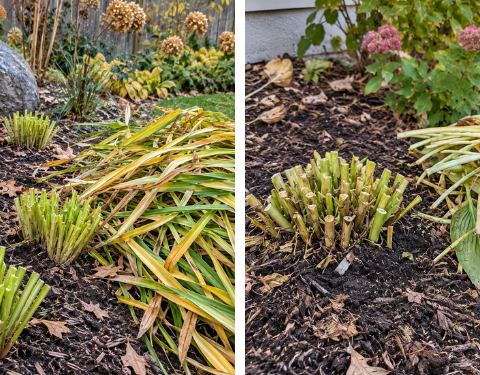
7. Perennial Ornamentals (Hostas, Daylilies, Irises)
Perennials rely on stored energy in their roots and rhizomes to regrow each year. Vinegar can disrupt this energy cycle by damaging root tissues and altering soil chemistry.
Common symptoms of damage:
- Slow or no regrowth in spring
- Wilting despite regular watering
- Fewer or smaller blooms
Why they’re sensitive: These plants have long-lived root systems that are easily harmed by acidity. Once damaged, recovery can take years – if the plant survives at all.
8. Lawns and Groundcovers
Even a small amount of vinegar sprayed on grass or low-growing groundcovers can kill patches outright.
Because turfgrass is shallow-rooted and highly sensitive to pH changes, vinegar exposure often leads to dead spots that take months to repair.
Alternative:
- Use corn gluten meal as a pre-emergent weed preventer.
- Hand-weed or use a flame weeder for problem areas.
Signs of Vinegar Damage in Plants
If you suspect vinegar may have harmed your plants, look for the following symptoms:
- Leaf scorch: Brown, crispy edges or spots appearing within hours to days.
- Wilting: Even with adequate water, plants may droop due to damaged root systems.
- Yellowing leaves: A sign of nutrient lockout caused by pH disruption.
- Stunted growth: New growth slows or stops entirely.
- Plant death: Severe exposure can kill plants outright.
How to Save Plants Exposed to Vinegar
Accidents happen – maybe wind blew vinegar spray onto nearby plants, or you accidentally spilled some. Quick action can sometimes save them.
- Rinse immediately: Drench the leaves and soil with water to dilute and wash away the acid.
- Water deeply: Flush the root zone to help neutralize acidity.
- Apply compost or lime: If soil pH has dropped significantly, add garden lime or compost to buffer it.
- Prune damaged tissue: Remove burned leaves or stems to reduce stress.
- Wait and monitor: Some plants may recover slowly over weeks or months.
Safer Alternatives to Vinegar in the Garden
If you’re trying to solve a garden problem, vinegar may not be the best tool – but here are safer options:
- Weed control: Boiling water, hand-weeding, or mulching.
- Fungal problems: Baking-soda spray or neem oil.
- Soil acidification: Use natural amendments like peat moss, coffee grounds, or elemental sulfur.
- Pest control: Garlic or chili sprays, insecticidal soap, or beneficial insects.
Vinegar may seem harmless, but in the garden, it’s a potent chemical weapon.
While it can be effective against weeds or as a cleaning solution, its acidity is strong enough to burn leaves, sterilize soil, and destroy beneficial microbes – often with lasting consequences.